



The Best Toys for Each Development Stage: A Parent’s Practical Guide
Choosing the right toy isn't just about keeping children entertained. The best toys support your child's development by matching their age, interests and learning stage. As children grow, the way they play changes, and so do the skills they're developing.
This guide explores the best types of toys for each stage of childhood and how they help children learn through play.
Why Is It Important to Choose Age-Appropriate Toys?
Age-appropriate toys help children build confidence by providing challenges that match their stage of development. The right toys encourage curiosity, creativity and independence while supporting important physical, social and cognitive skills.
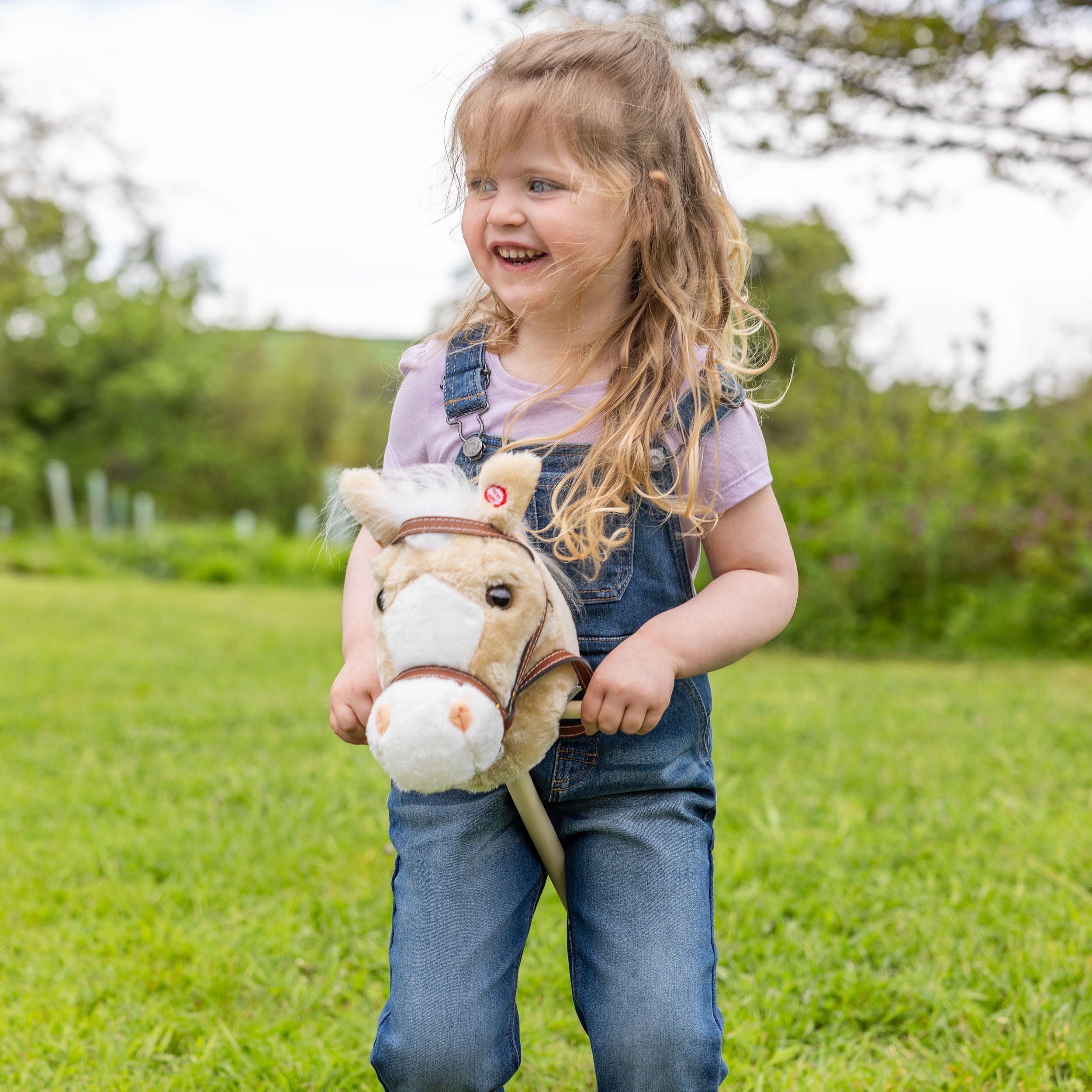
Ages 1-3: Sensory Discovery and Motor Skills
Toddlers learn by exploring the world around them through movement and their senses. At this stage, they're developing coordination, balance, language and an understanding of cause and effect.
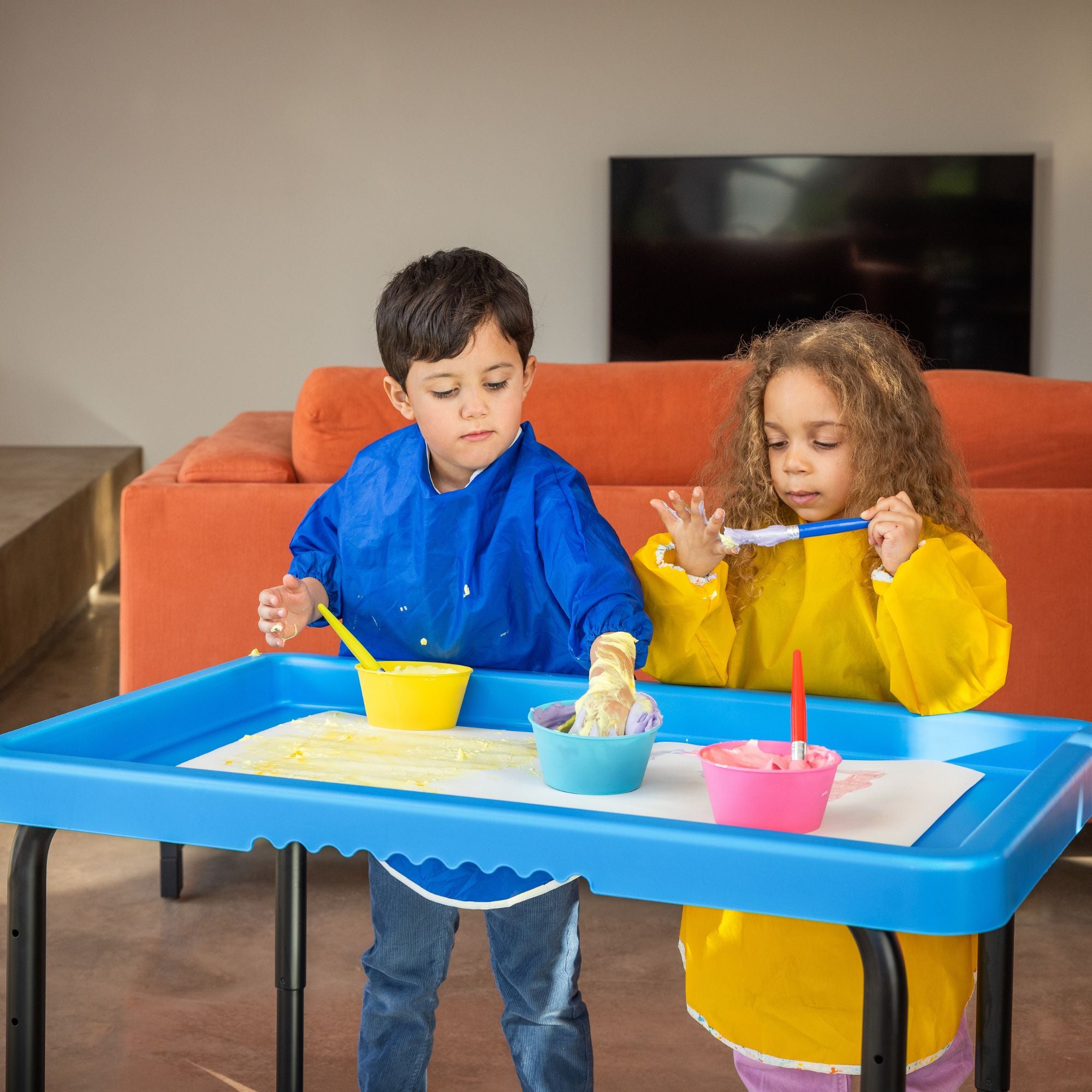
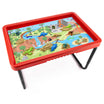
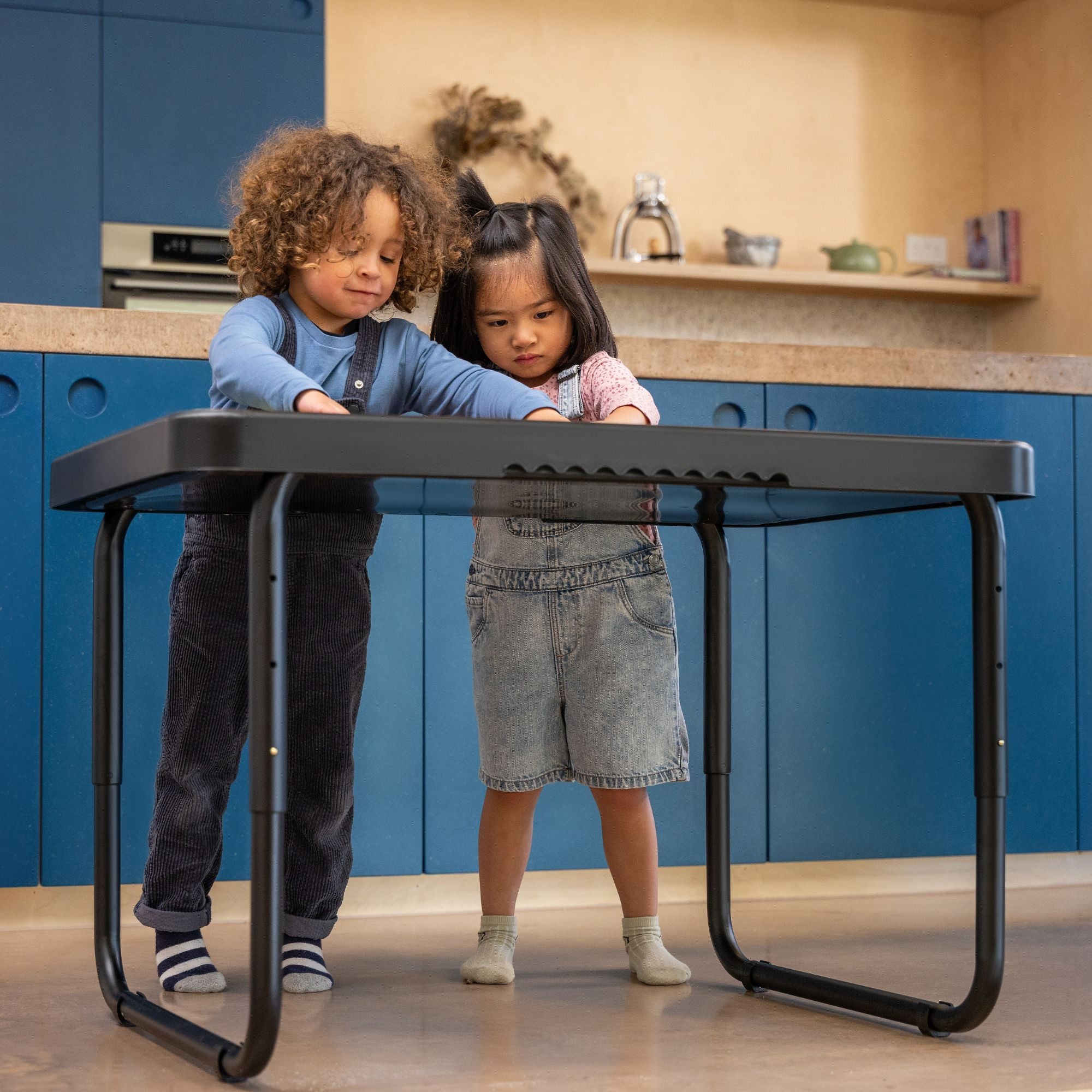
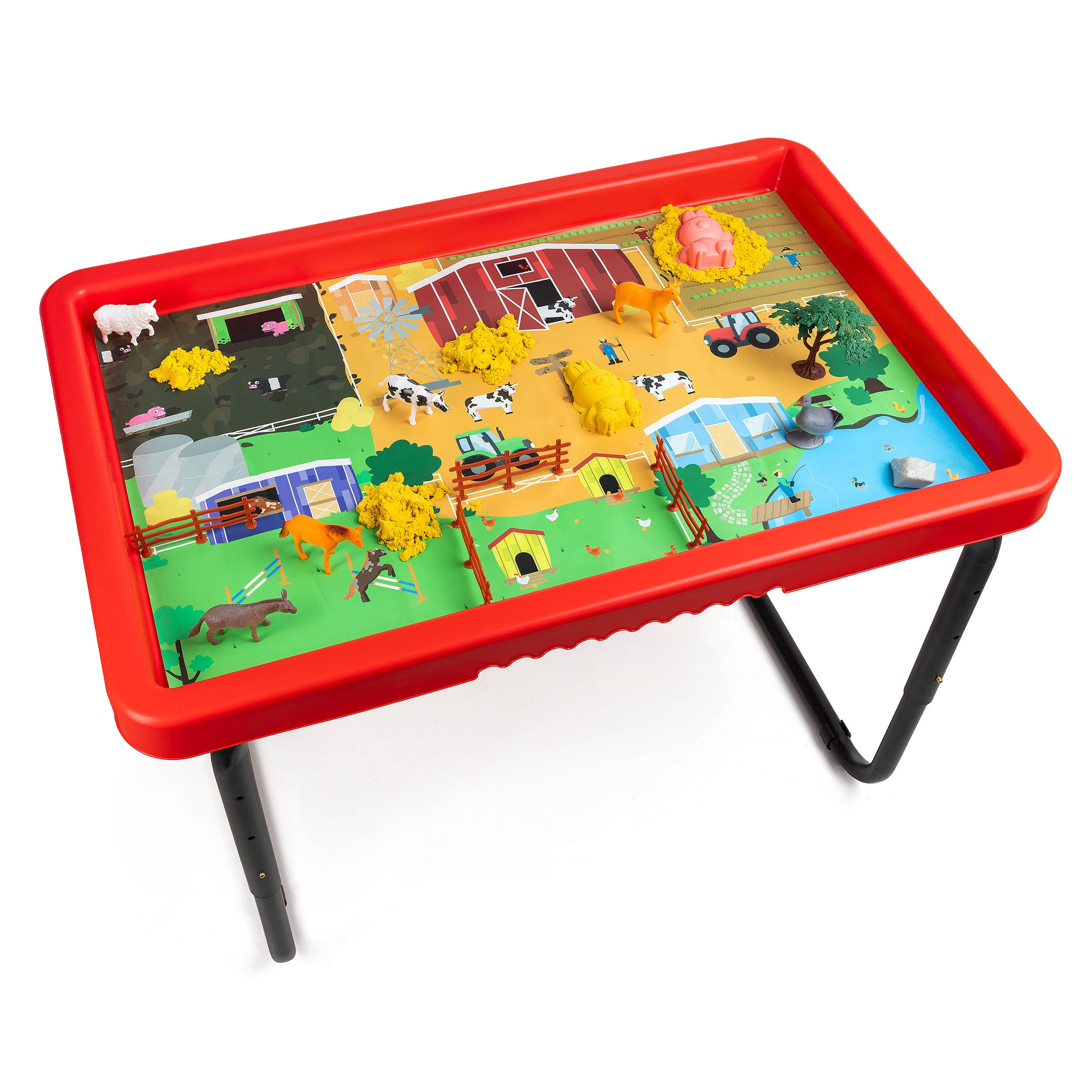
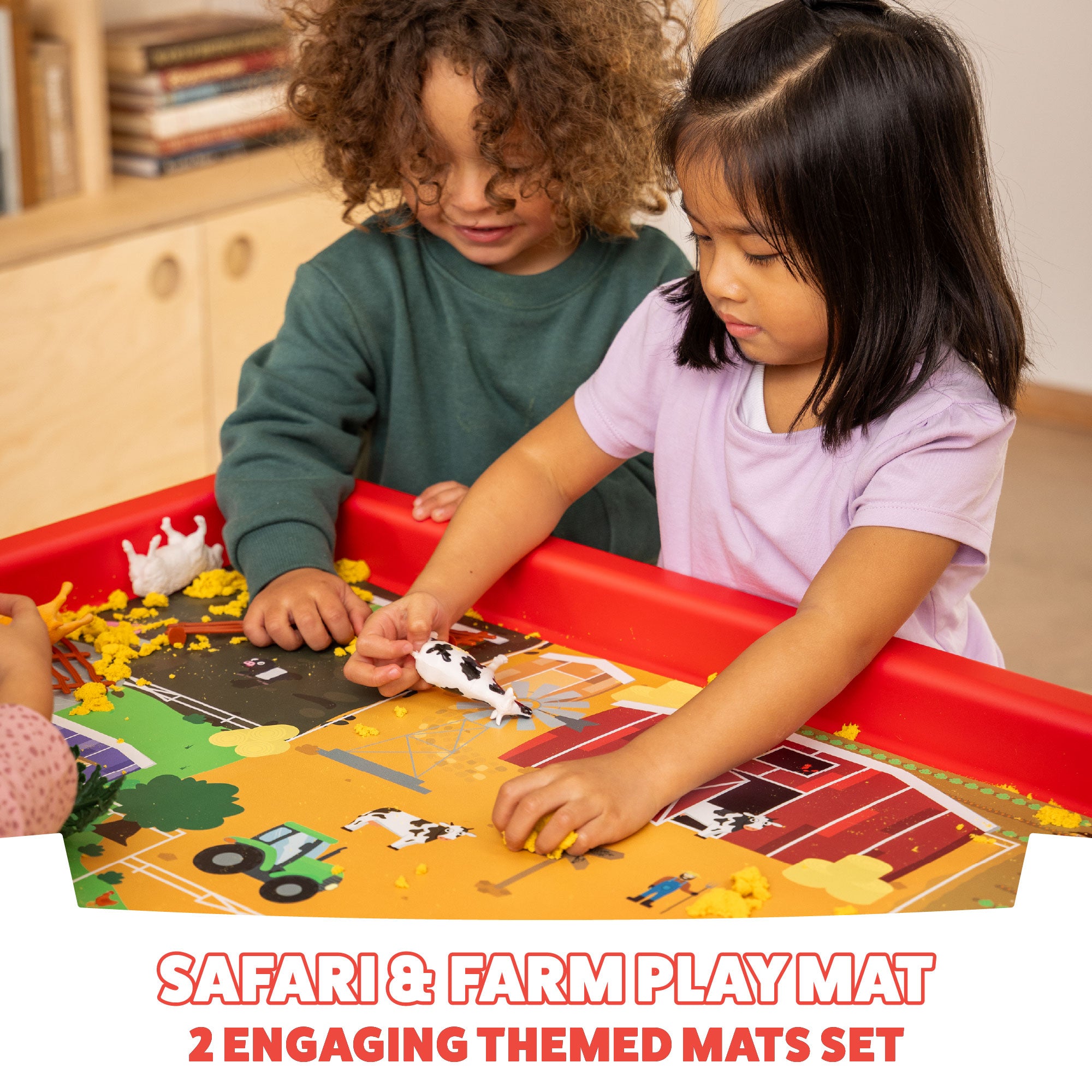
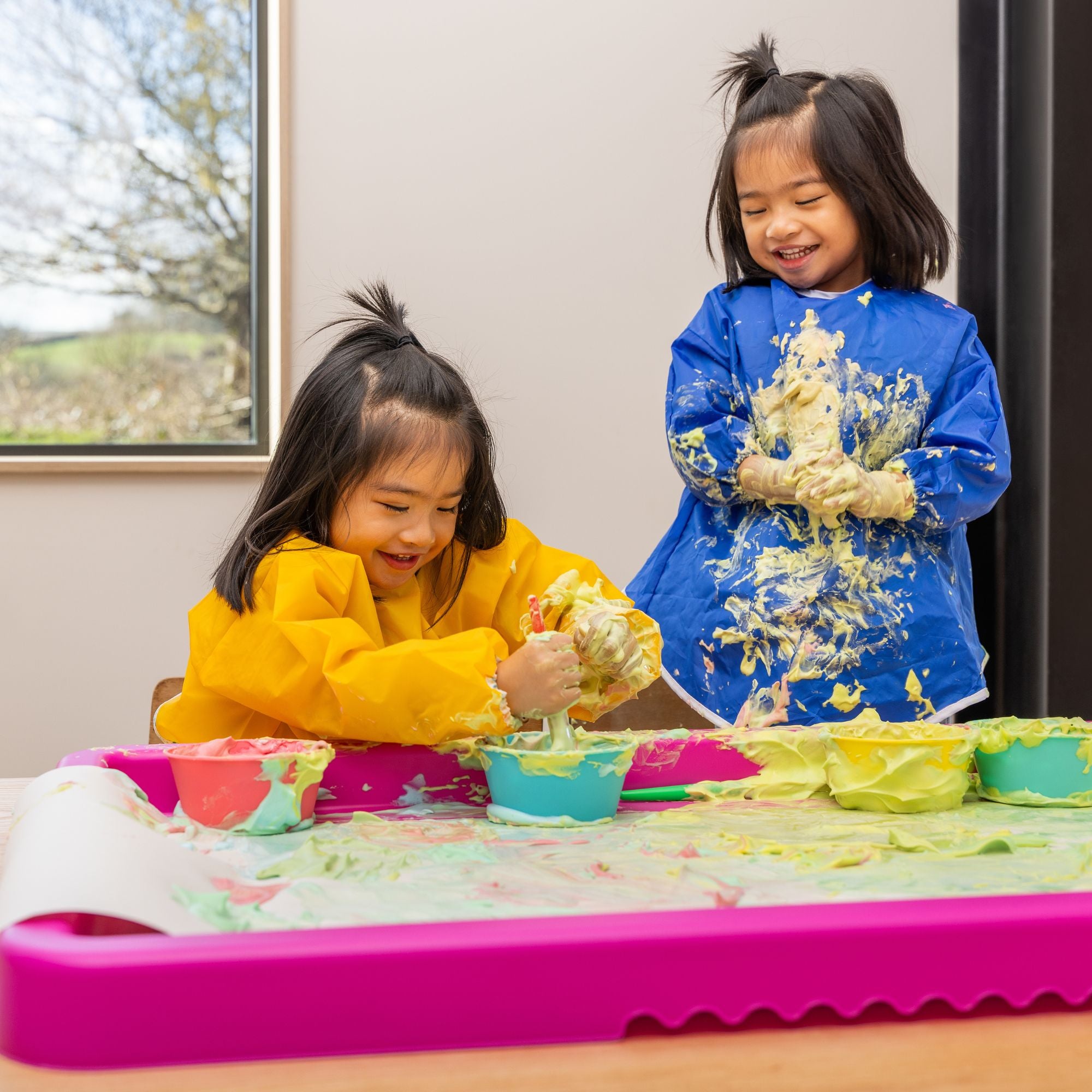
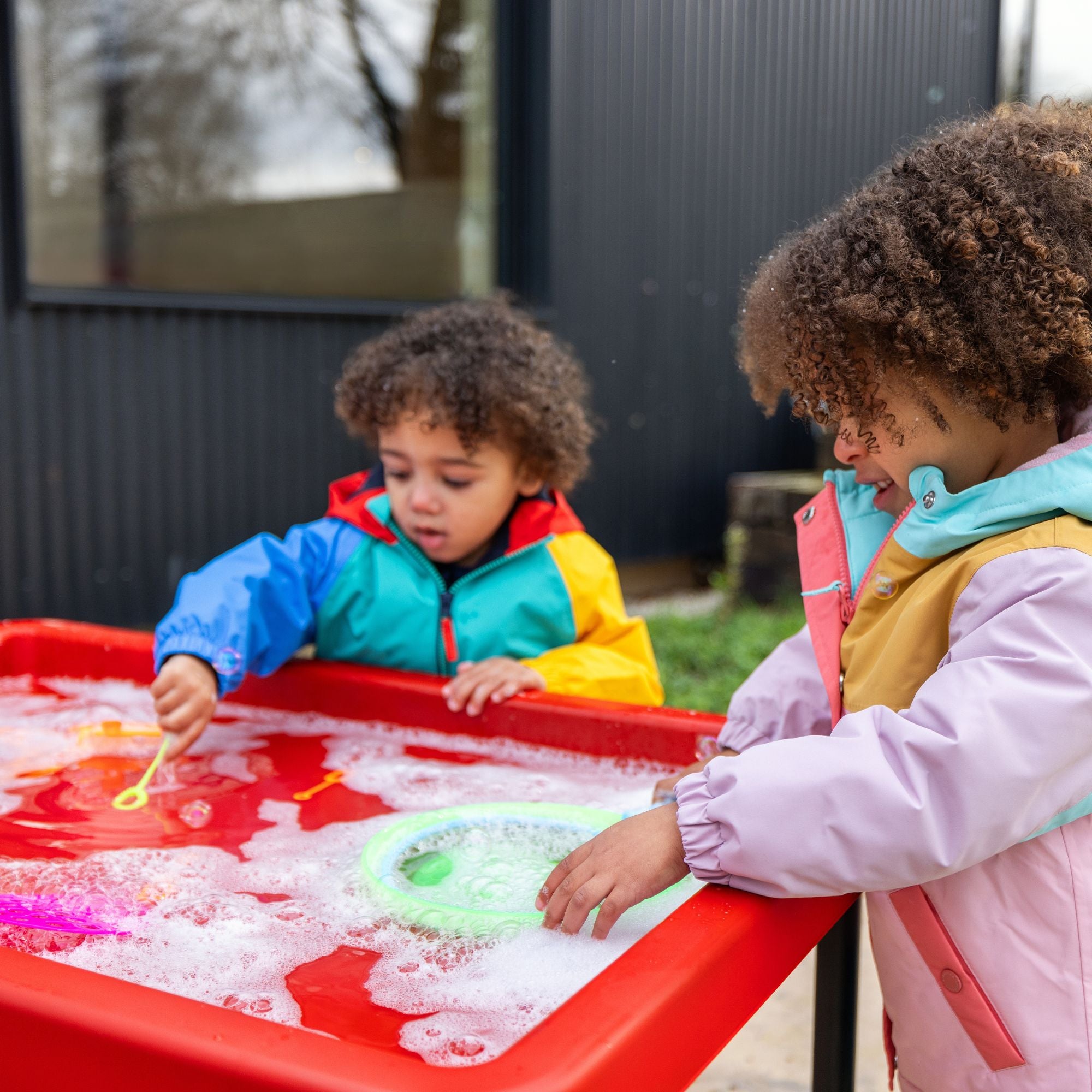
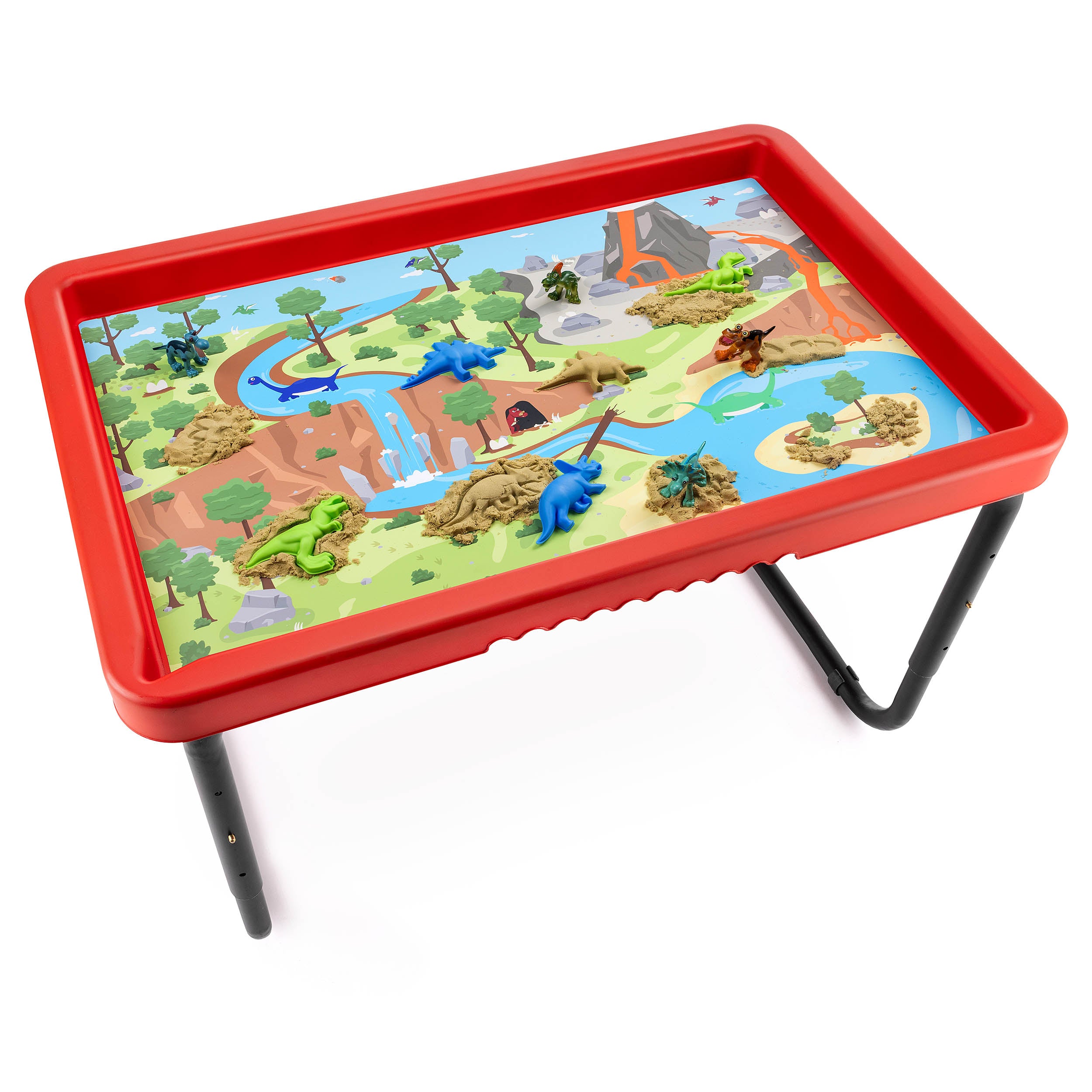
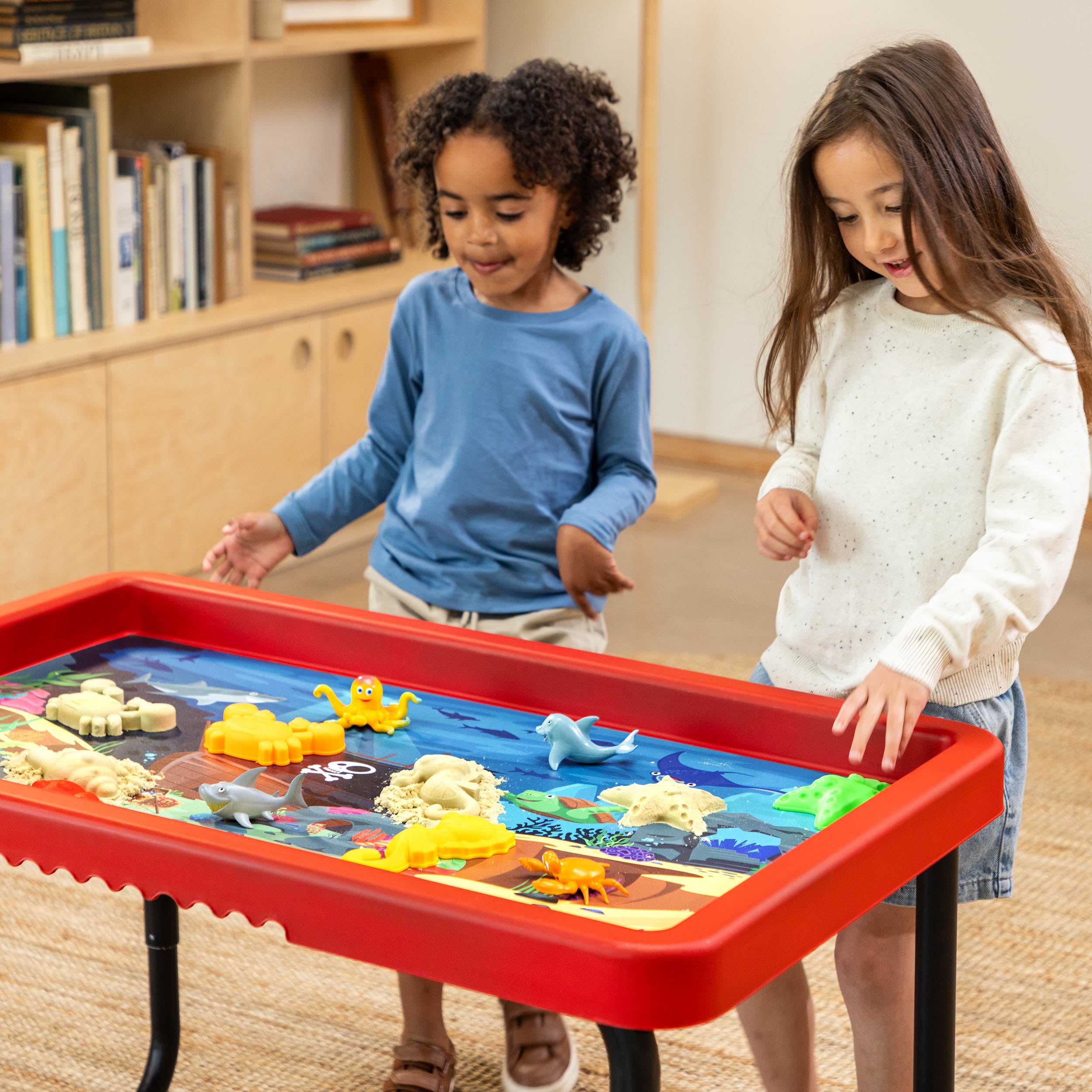
Sensory play is especially valuable, giving children opportunities to scoop, pour, stack and discover different textures.
Great toy choices include:
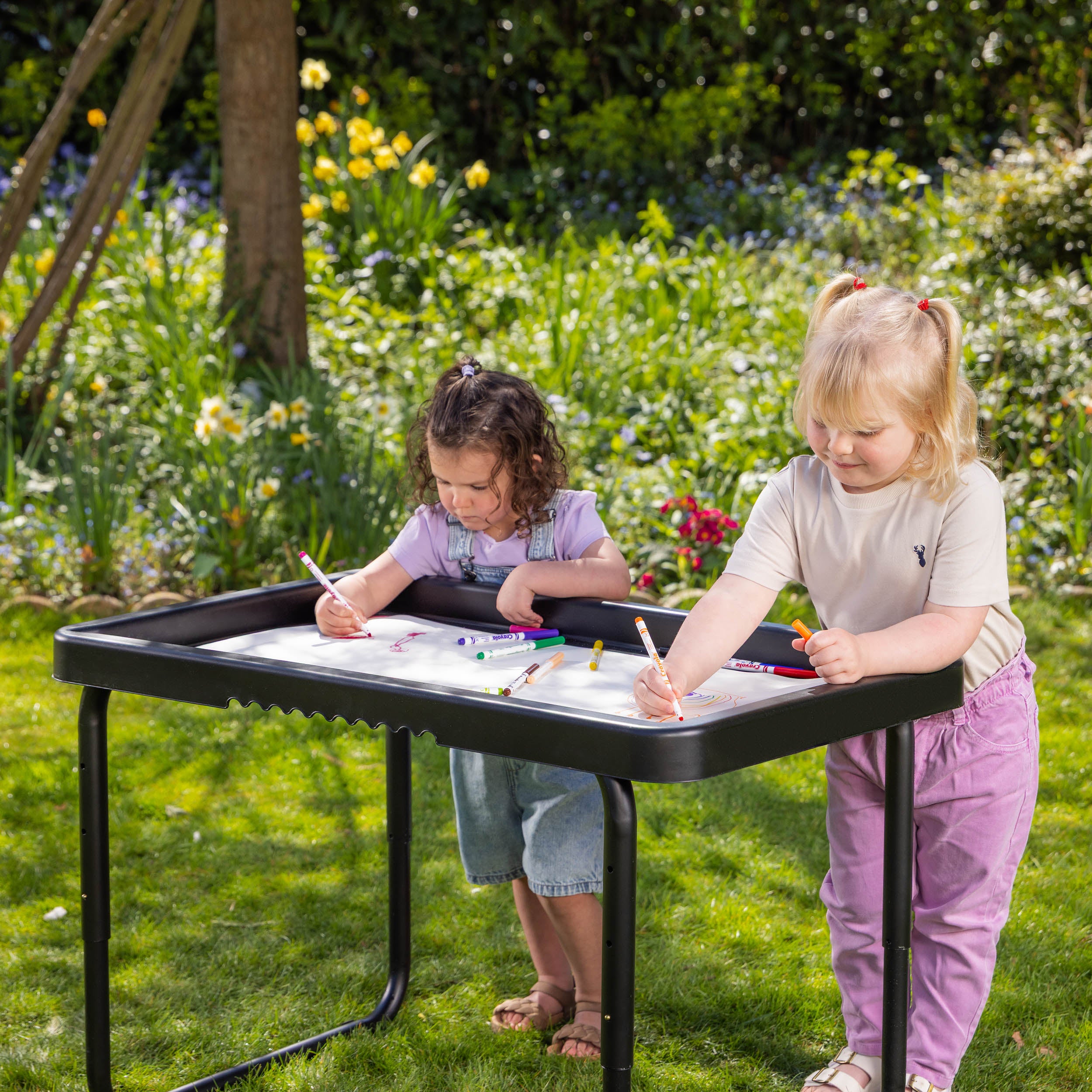
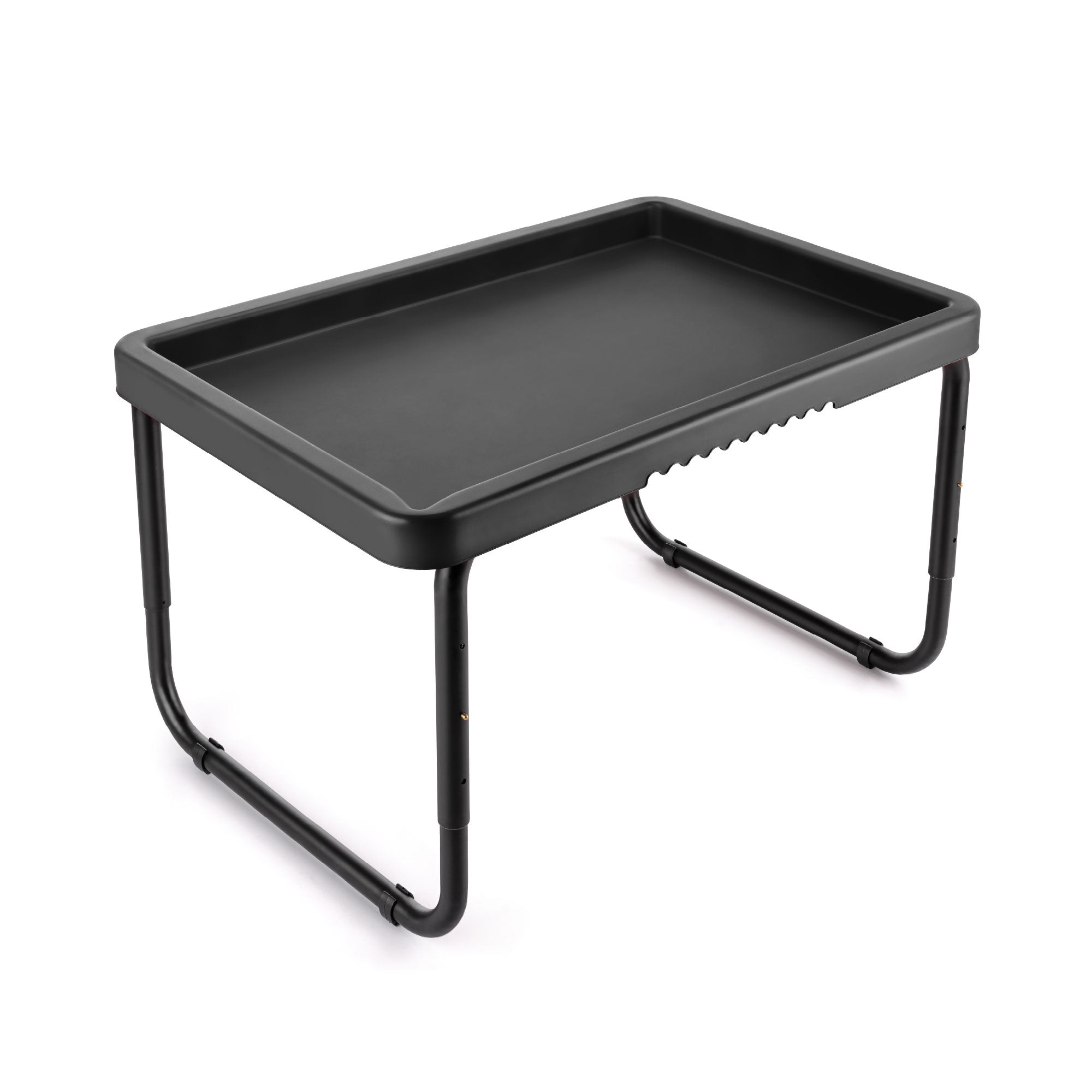
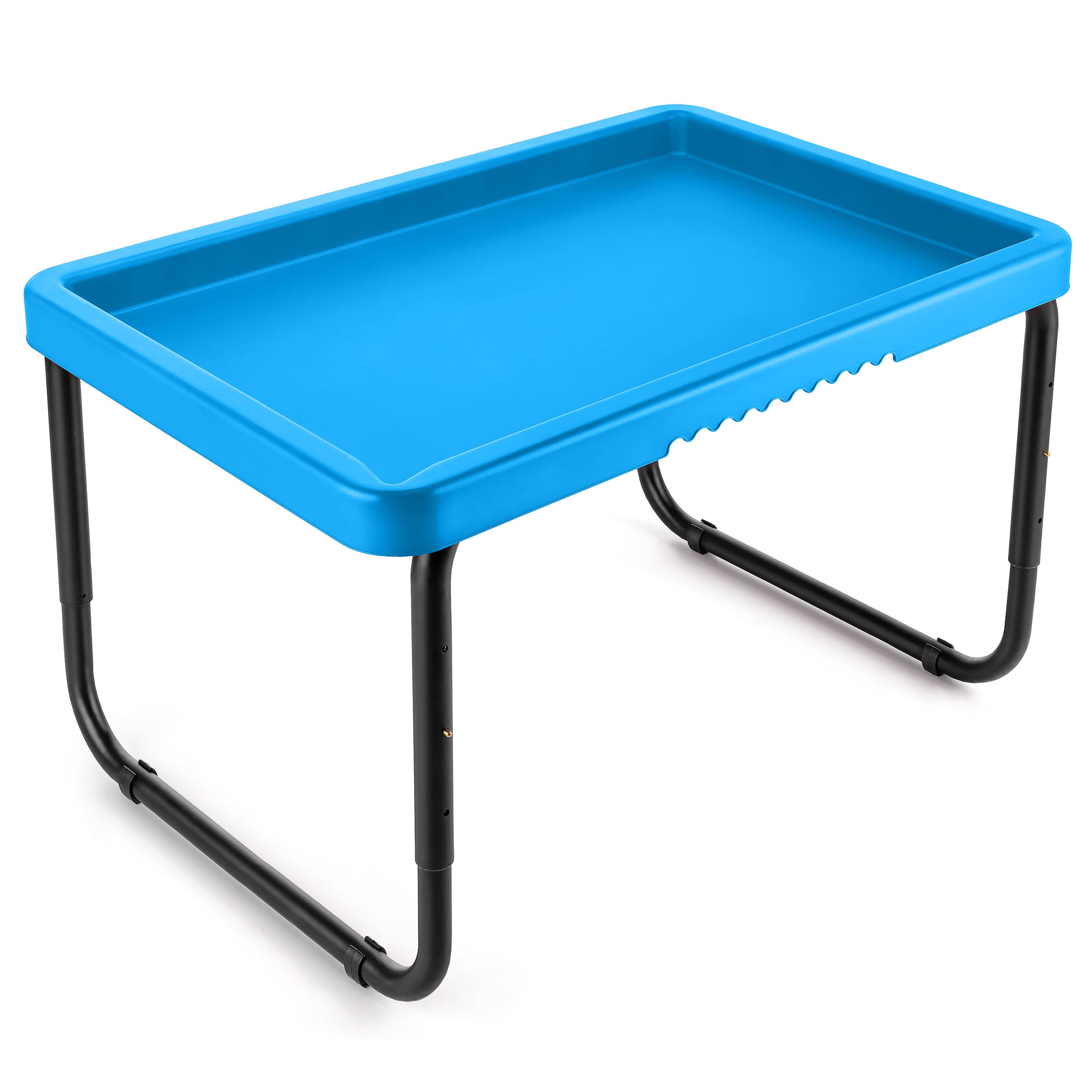
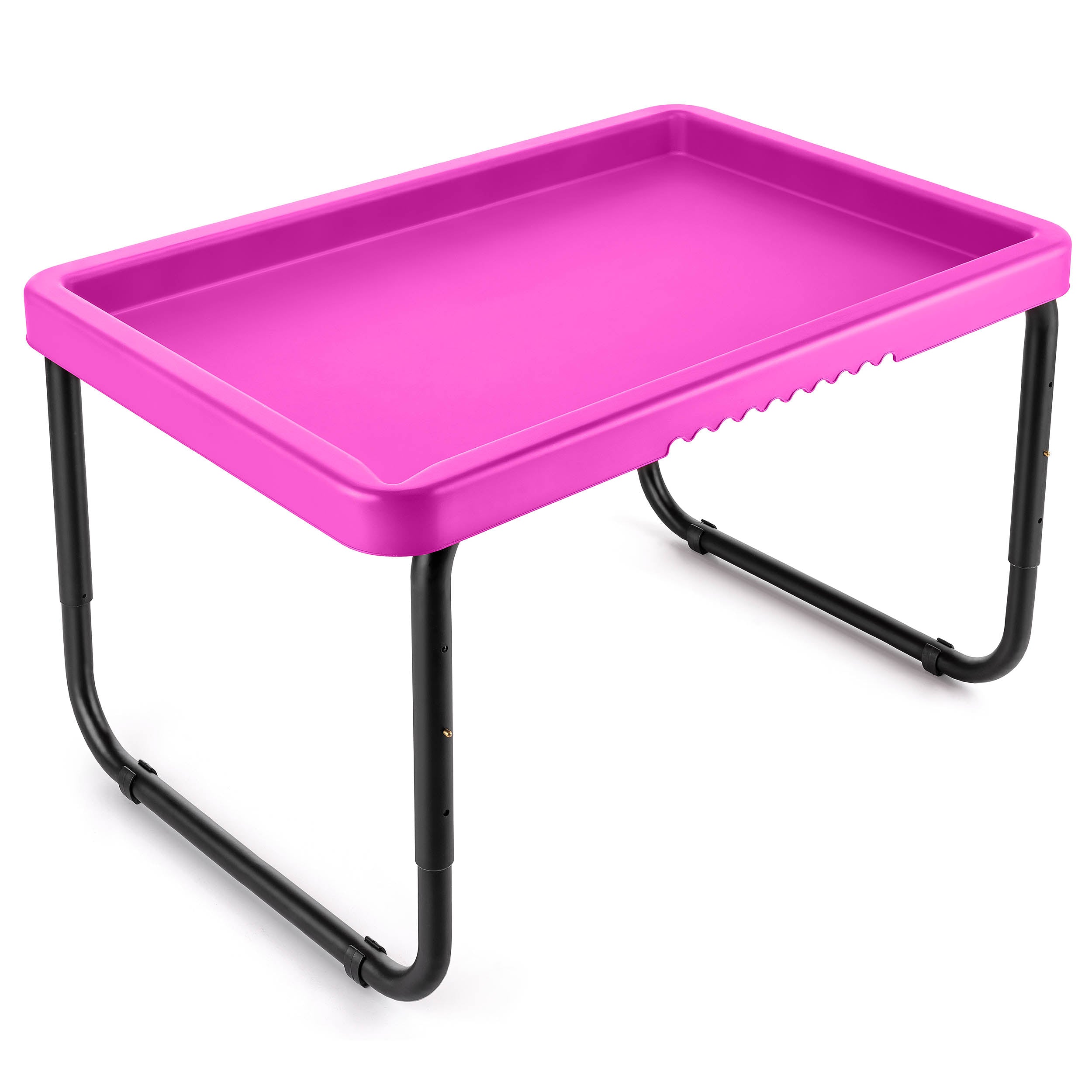
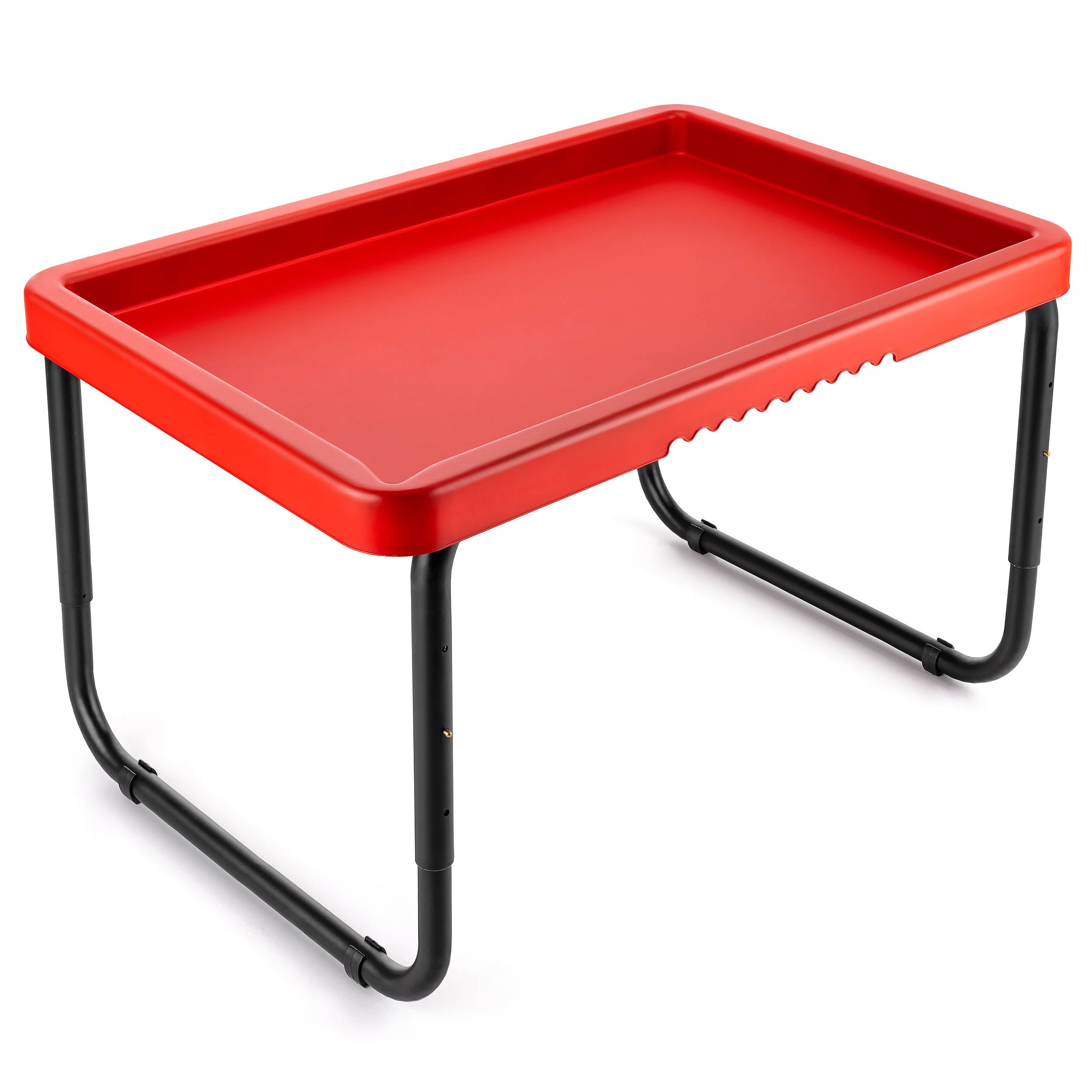
- Play Trays and activity tables
- Sensory play materials
- Stacking toys
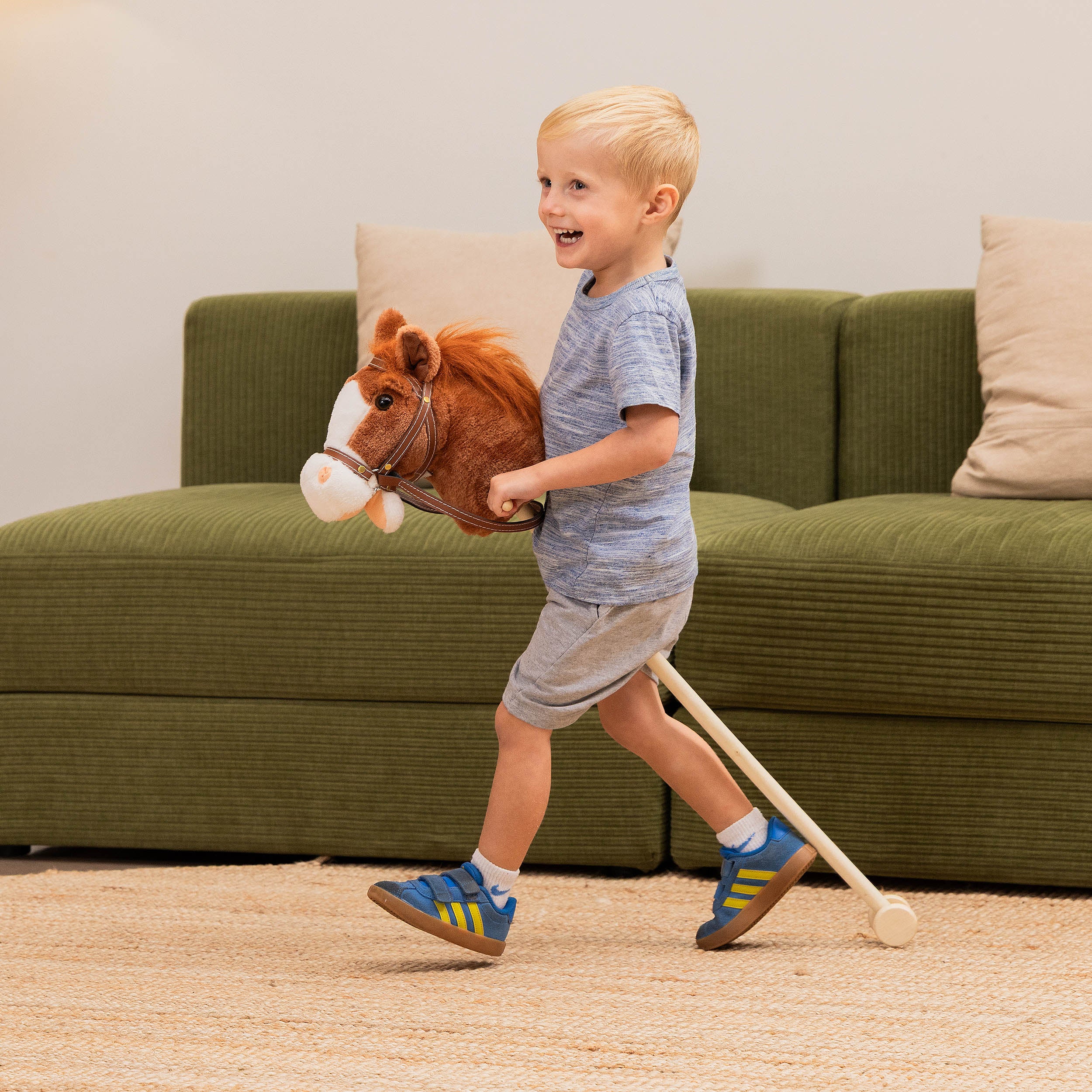
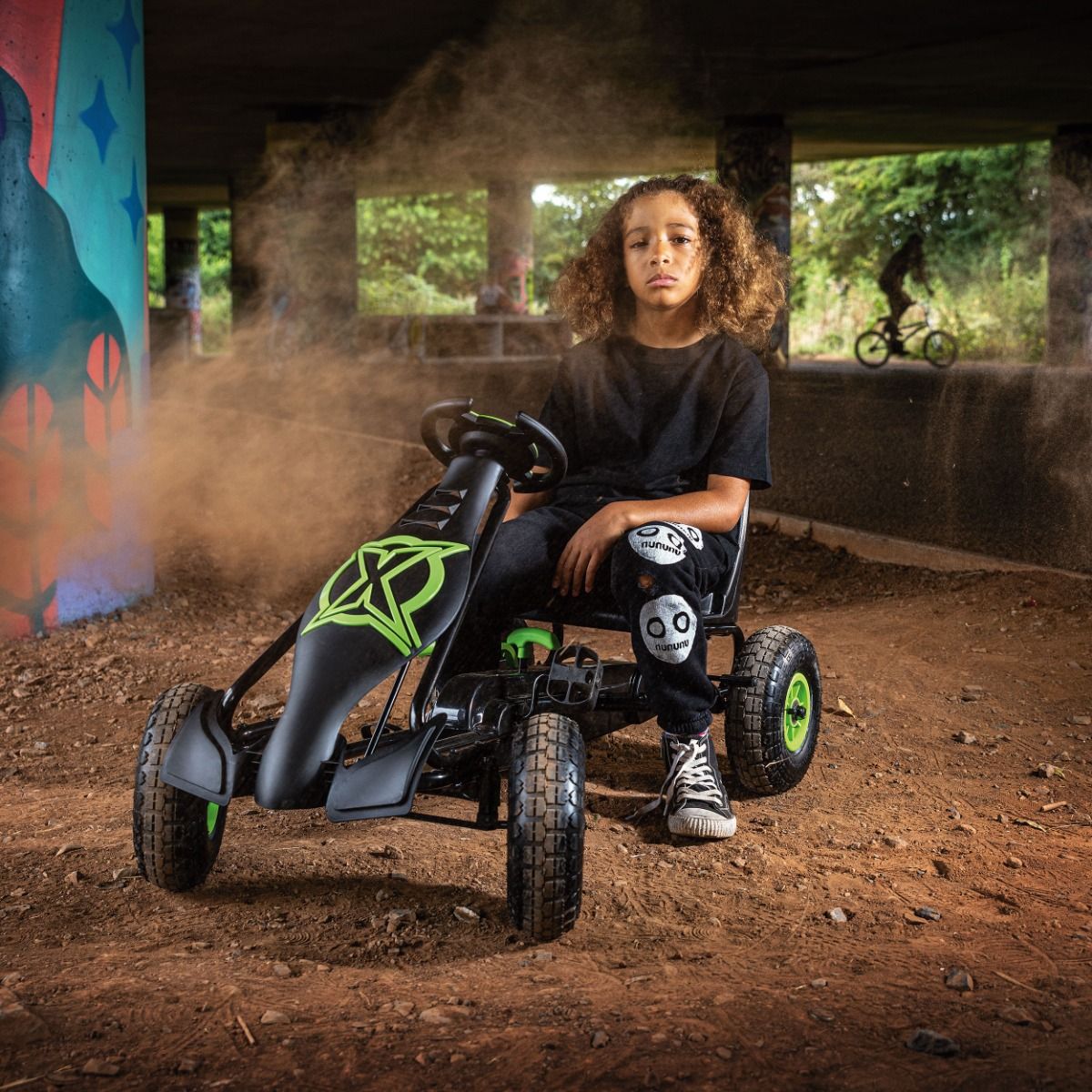
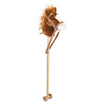
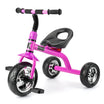
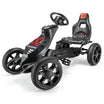
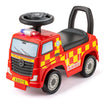
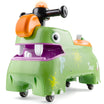
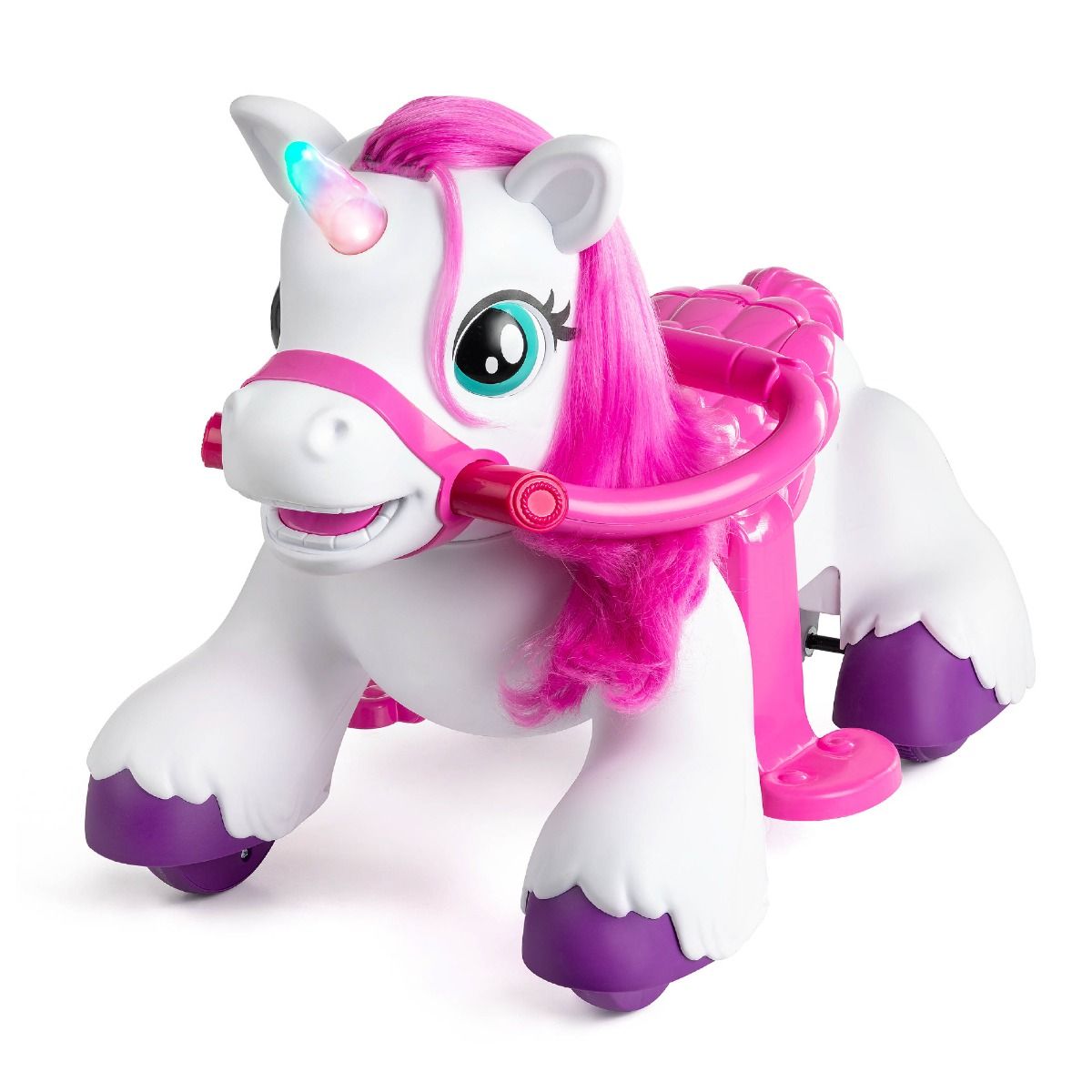
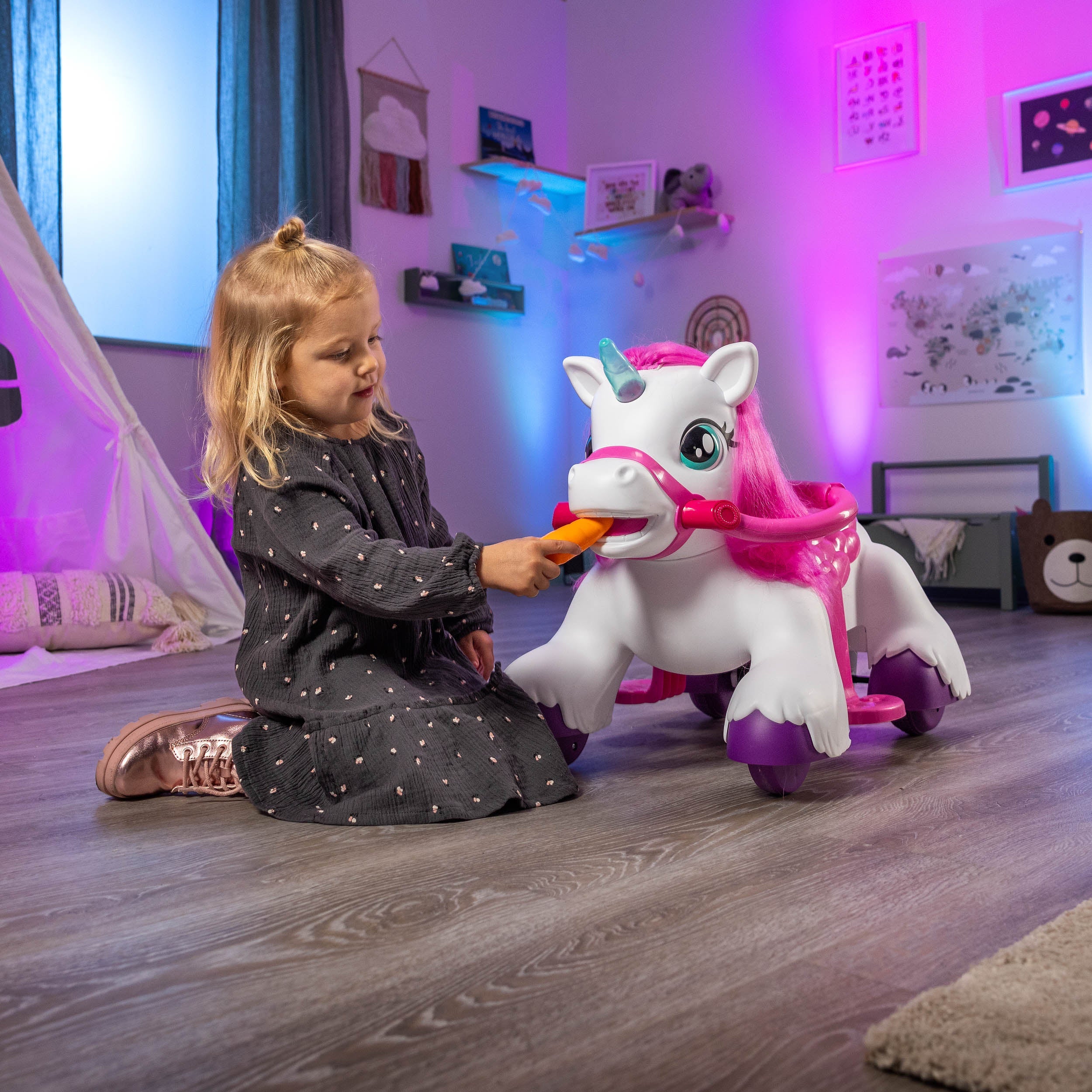
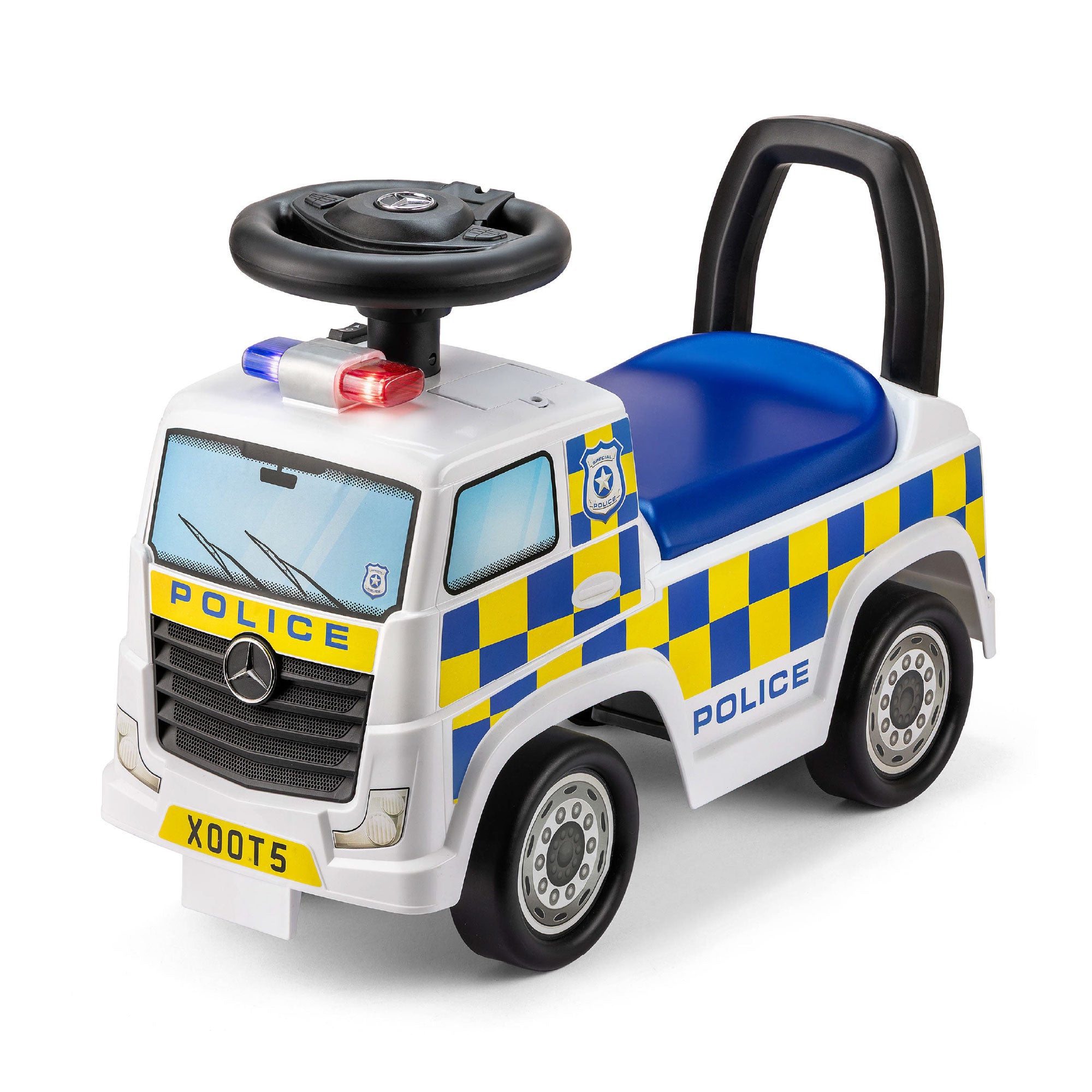
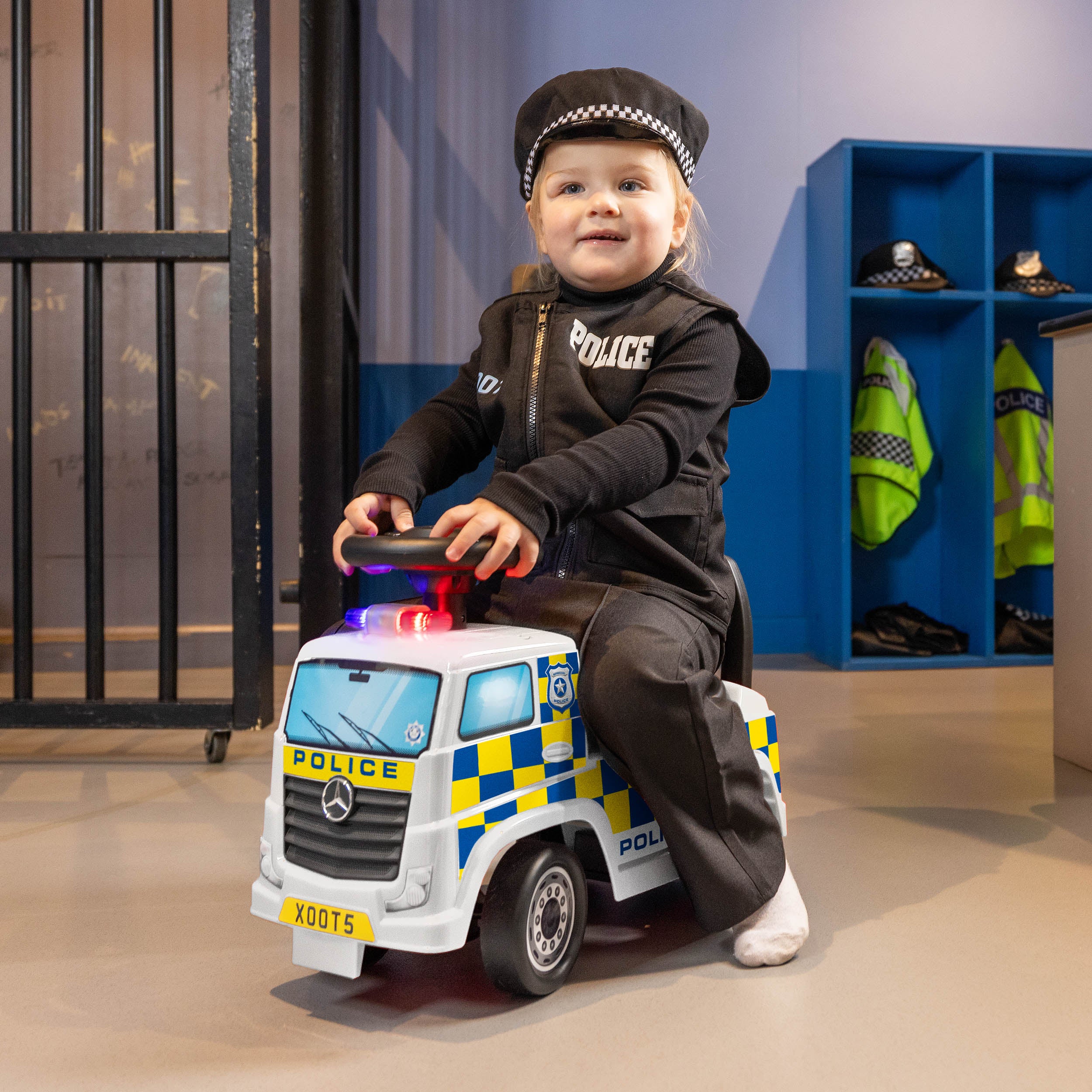
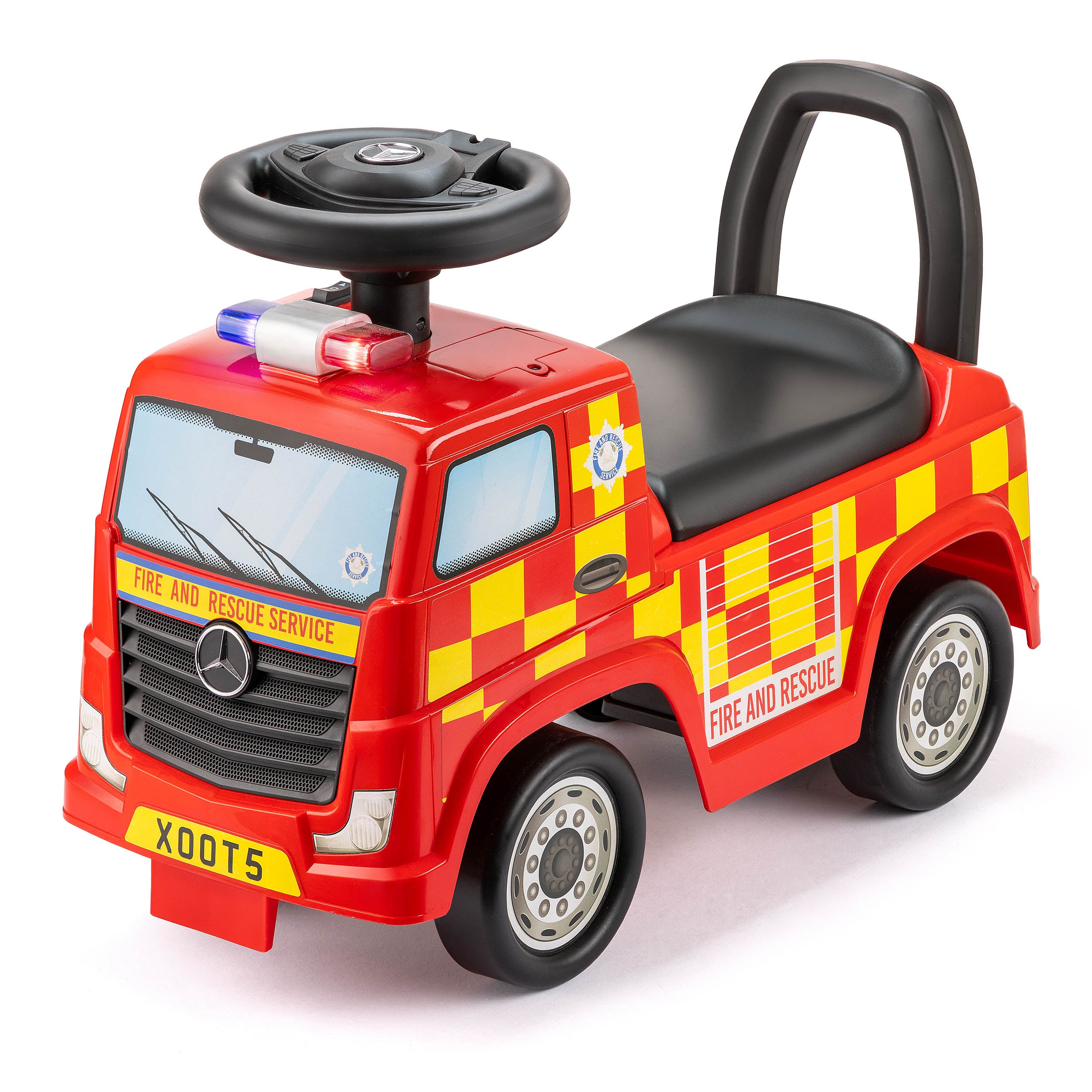
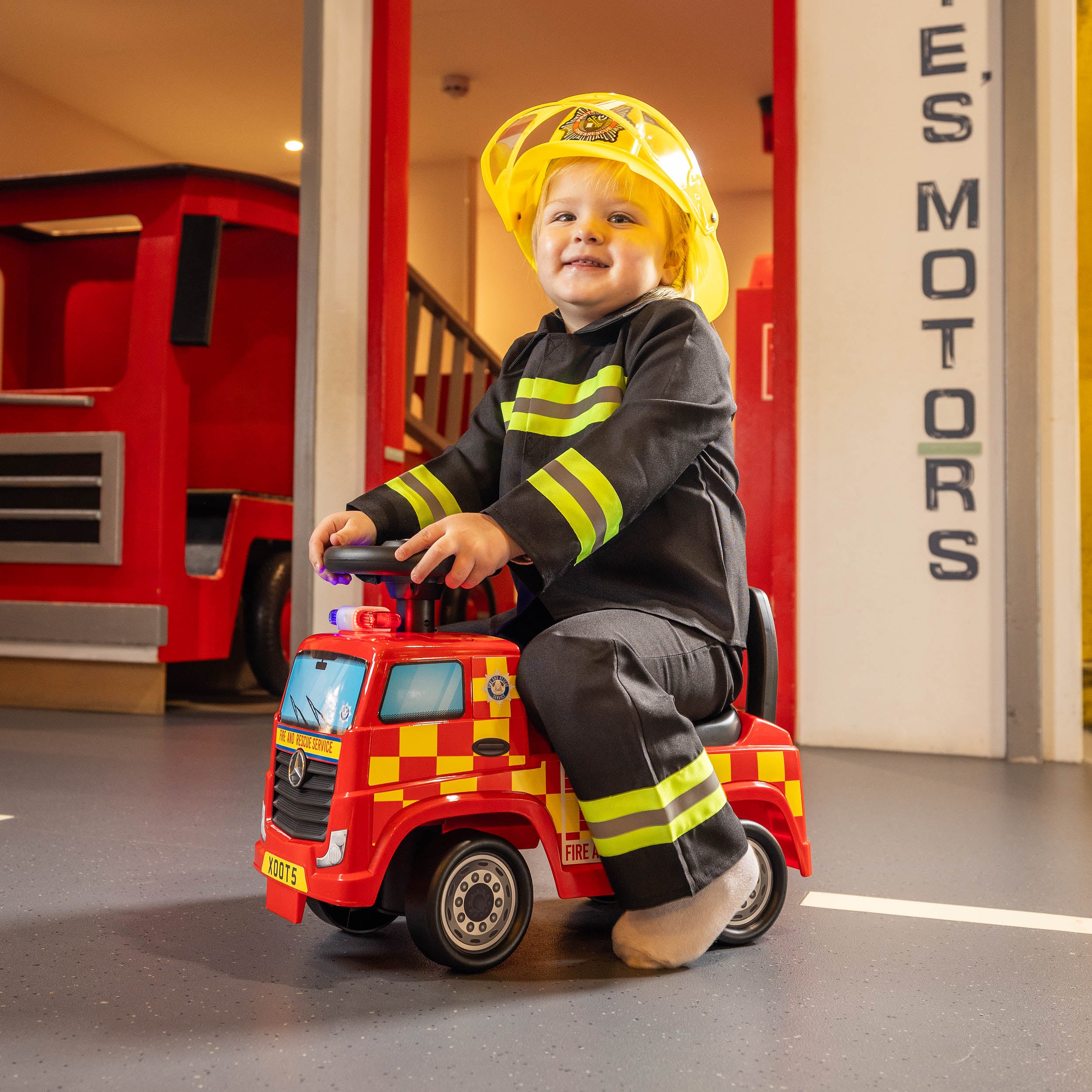
- Ride-on toys
- Simple shape sorters
These activities help develop:
- Fine and gross motor skills
- Sensory exploration
- Early problem-solving
- Confidence through repetition
Ages 4-6: Imagination, Logic and Social Skills
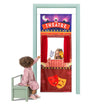
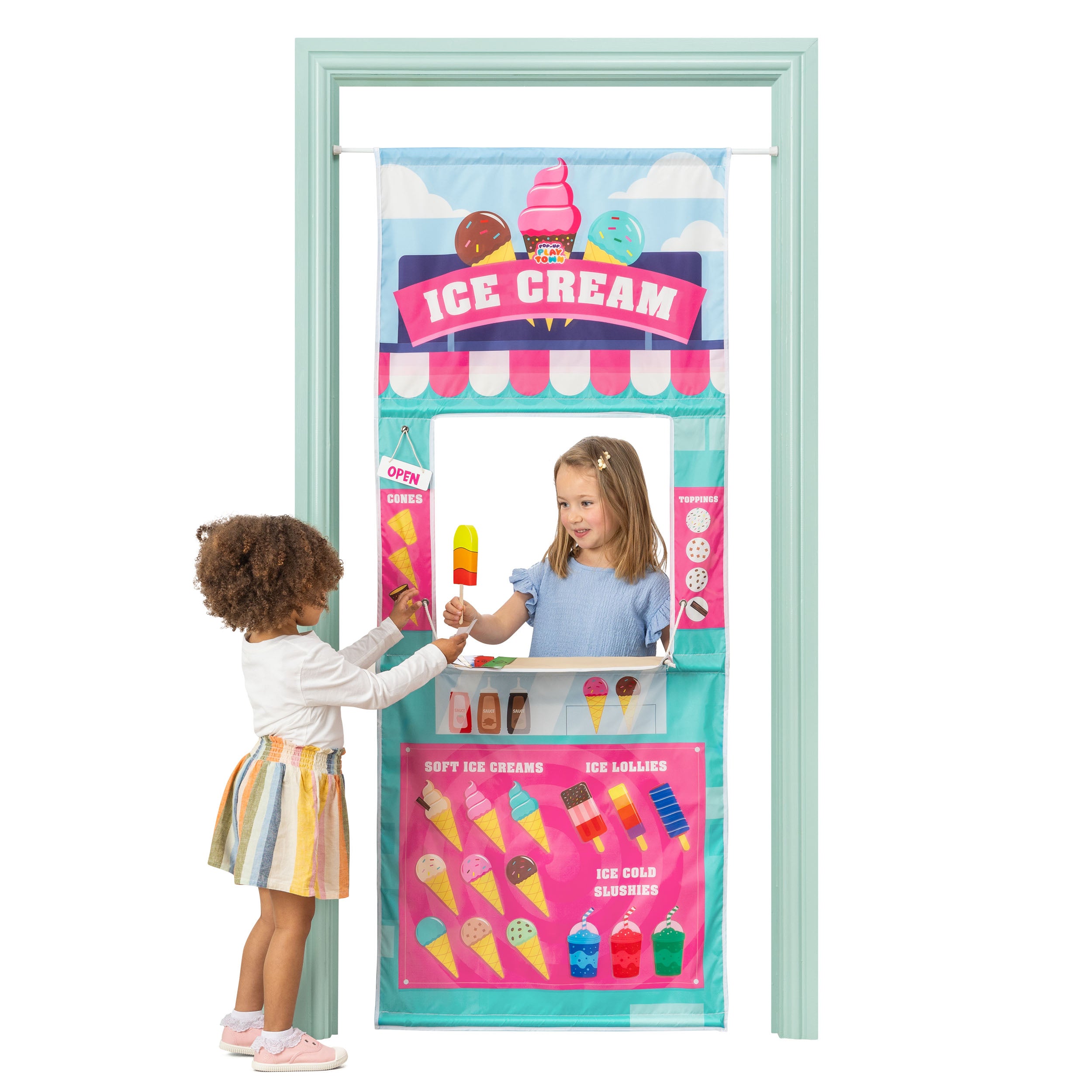
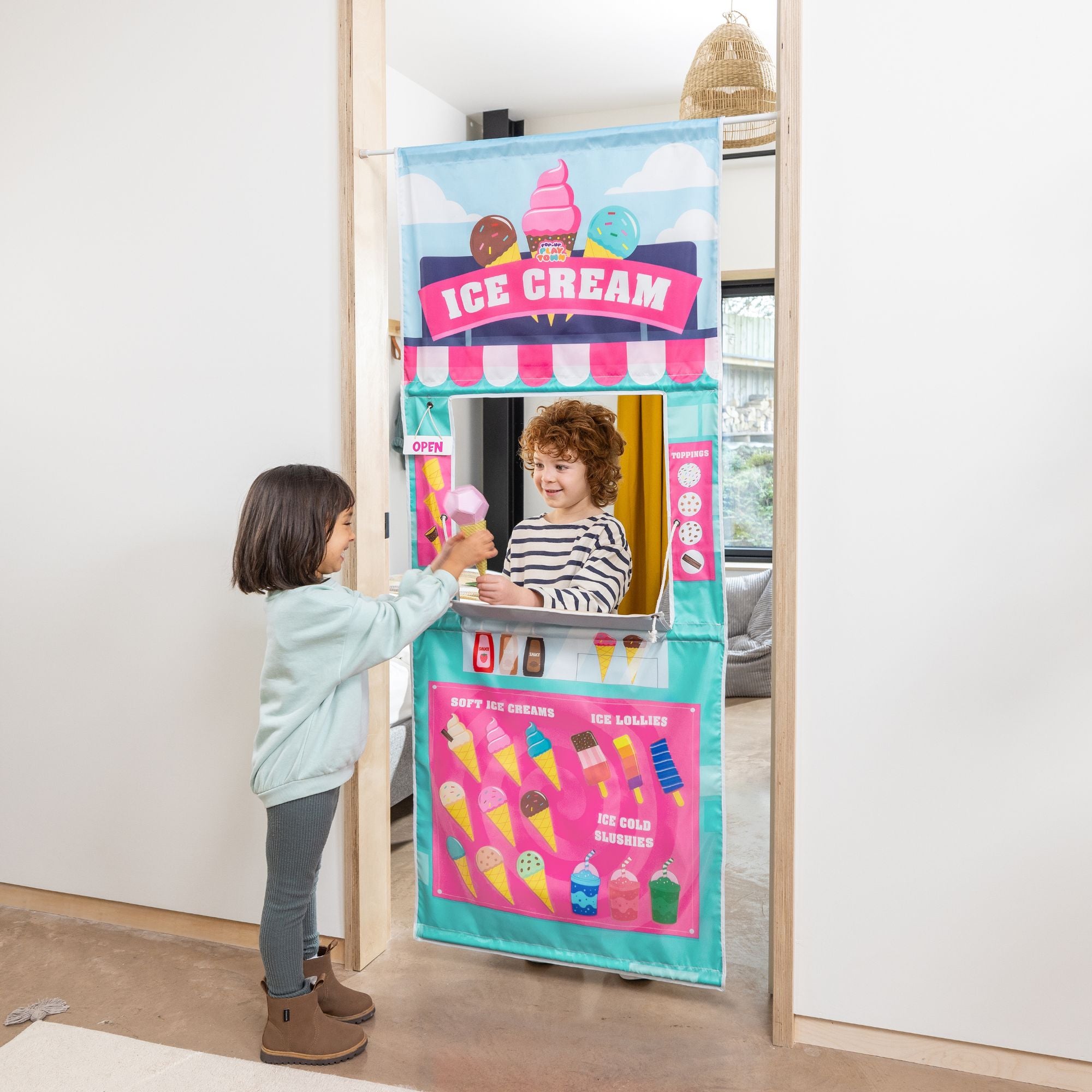
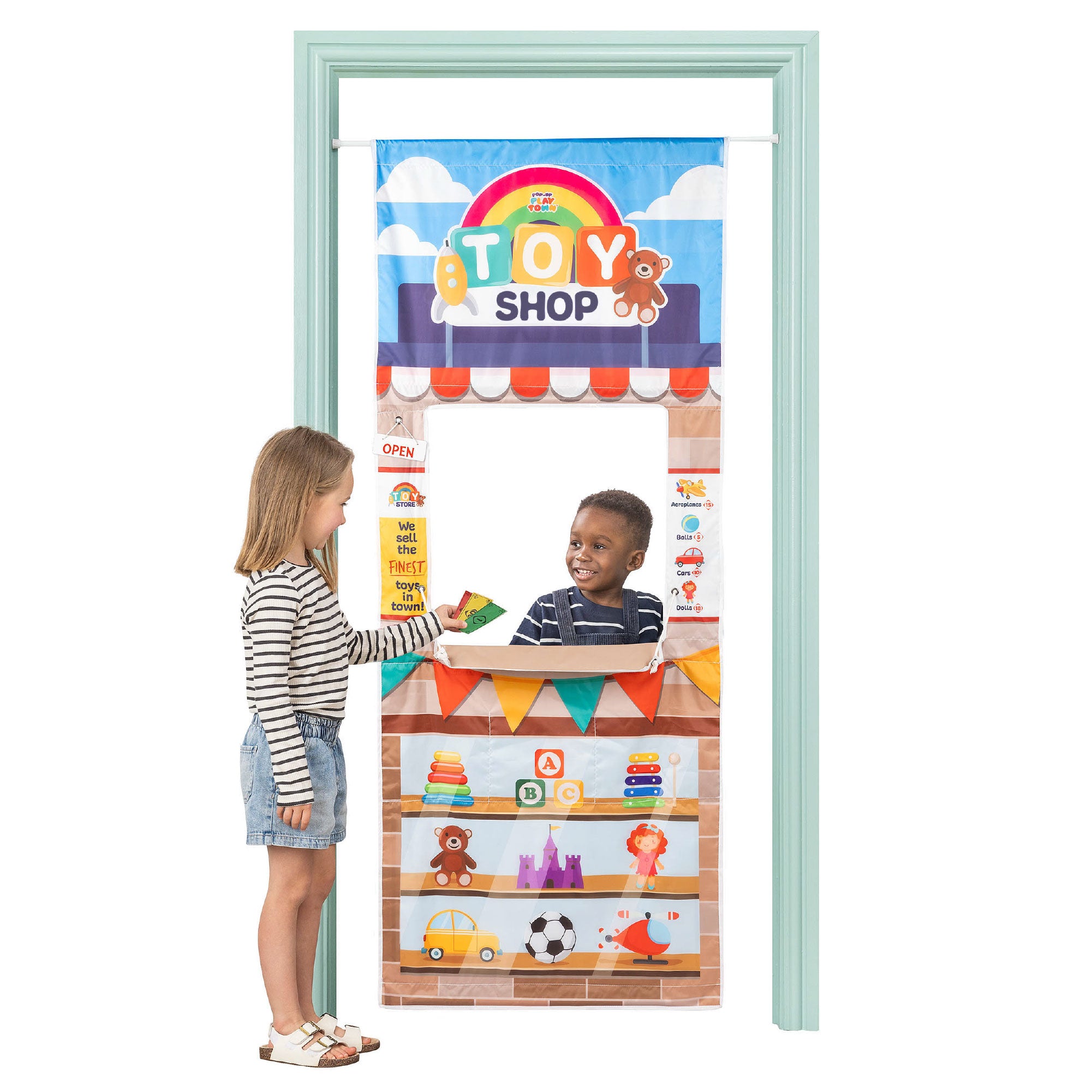
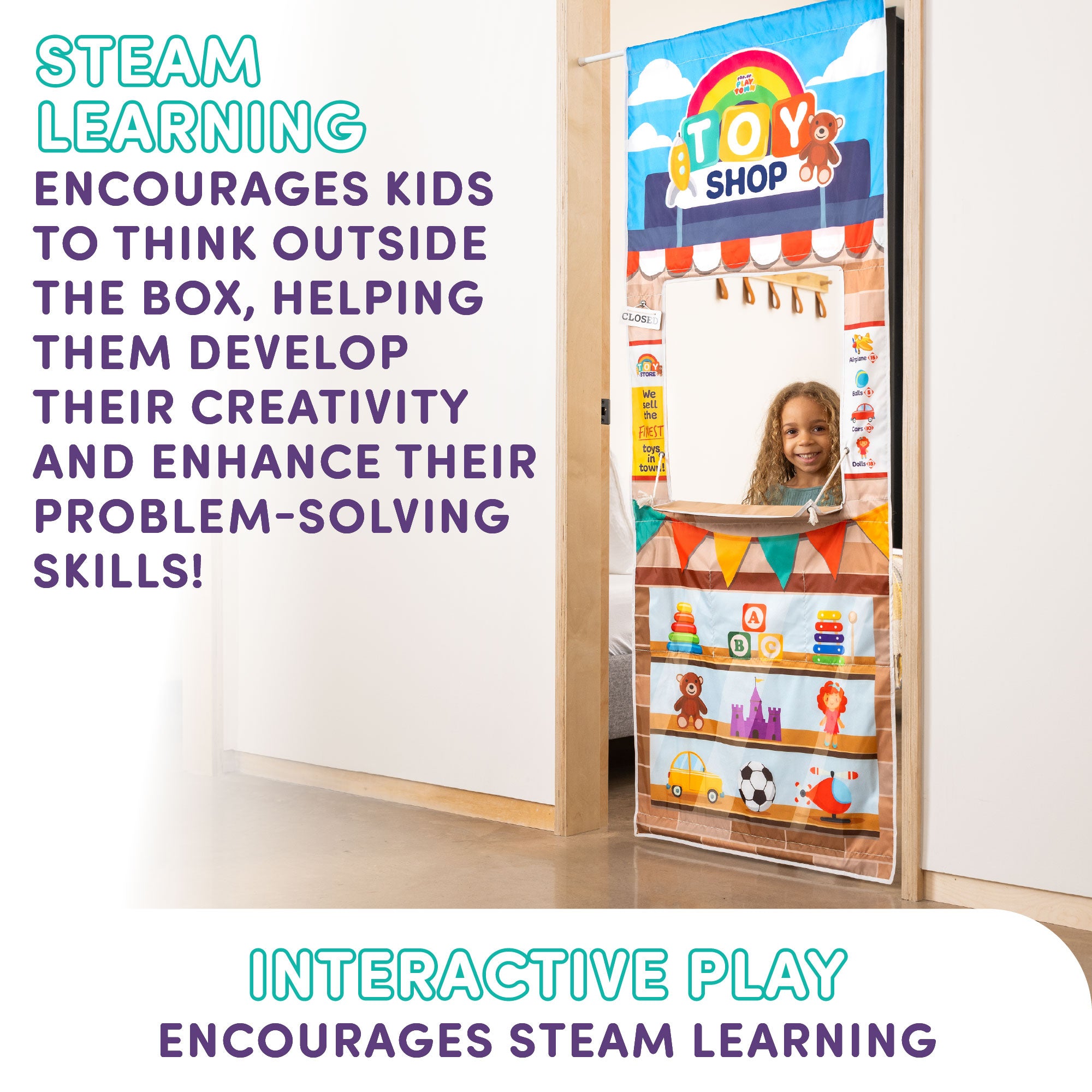
As children grow, imaginative play becomes increasingly important. They begin creating stories, playing with friends and learning how to share, communicate and solve problems together.
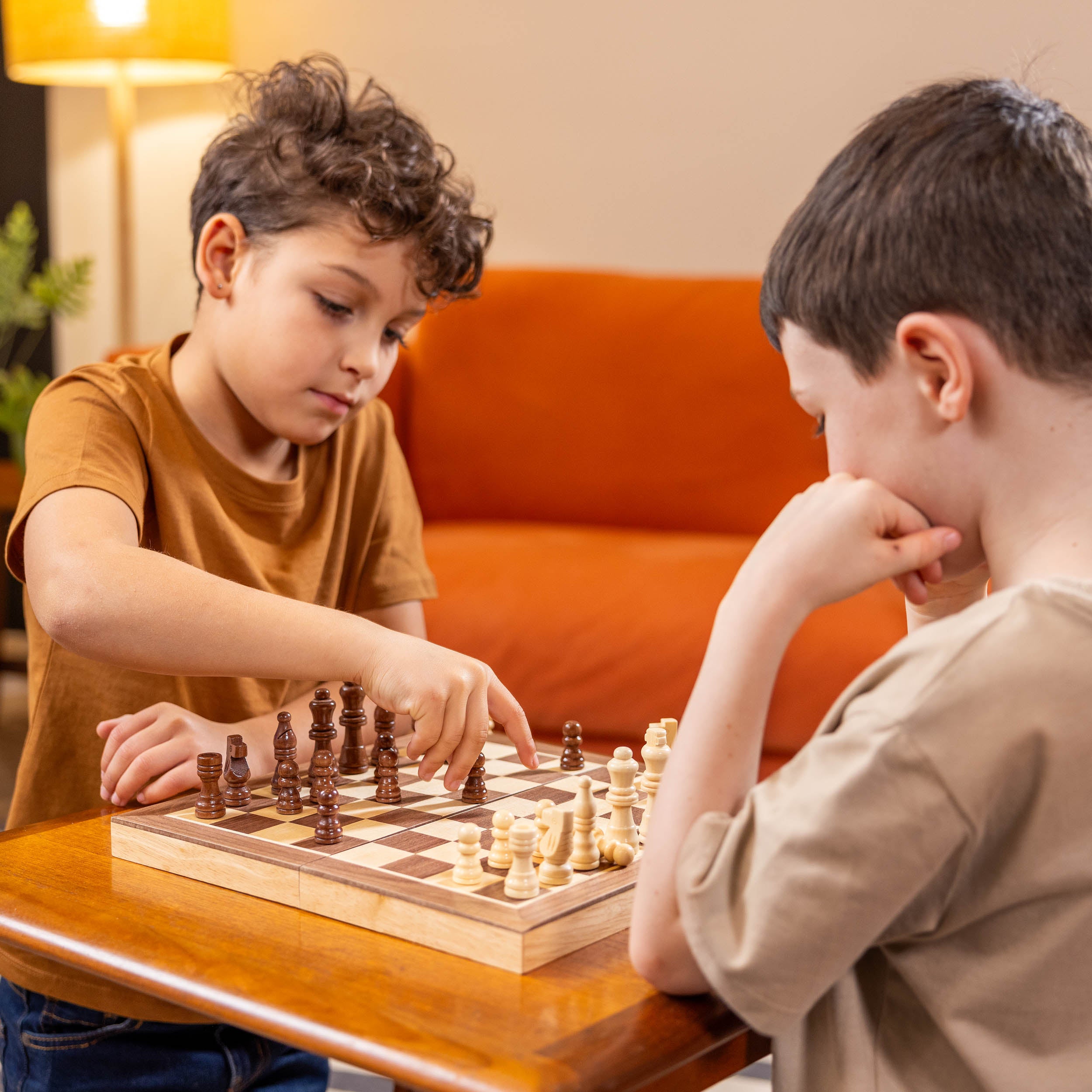
Role play toys encourage creativity, while games with simple rules introduce patience, concentration and strategic thinking.
Great toy choices include:
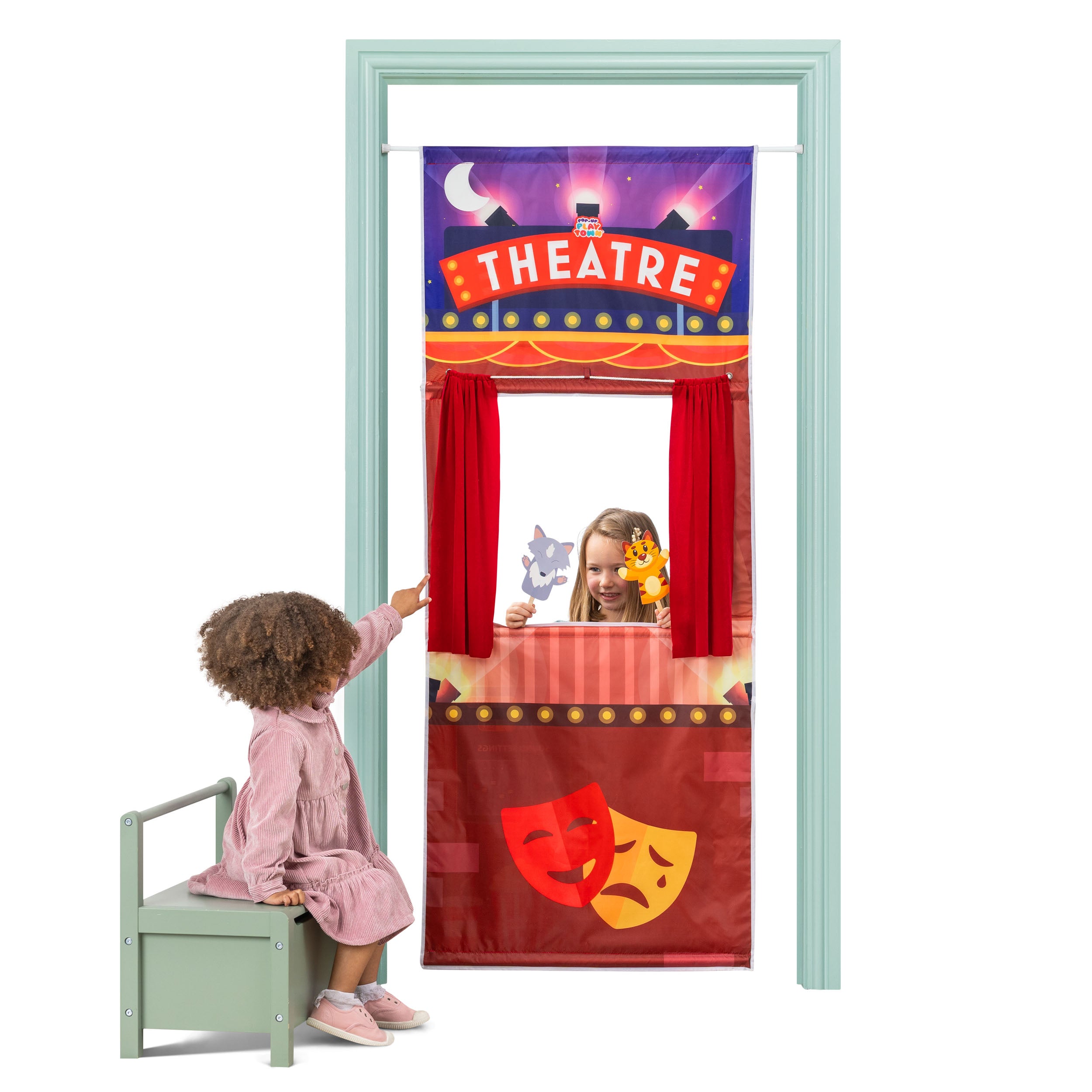
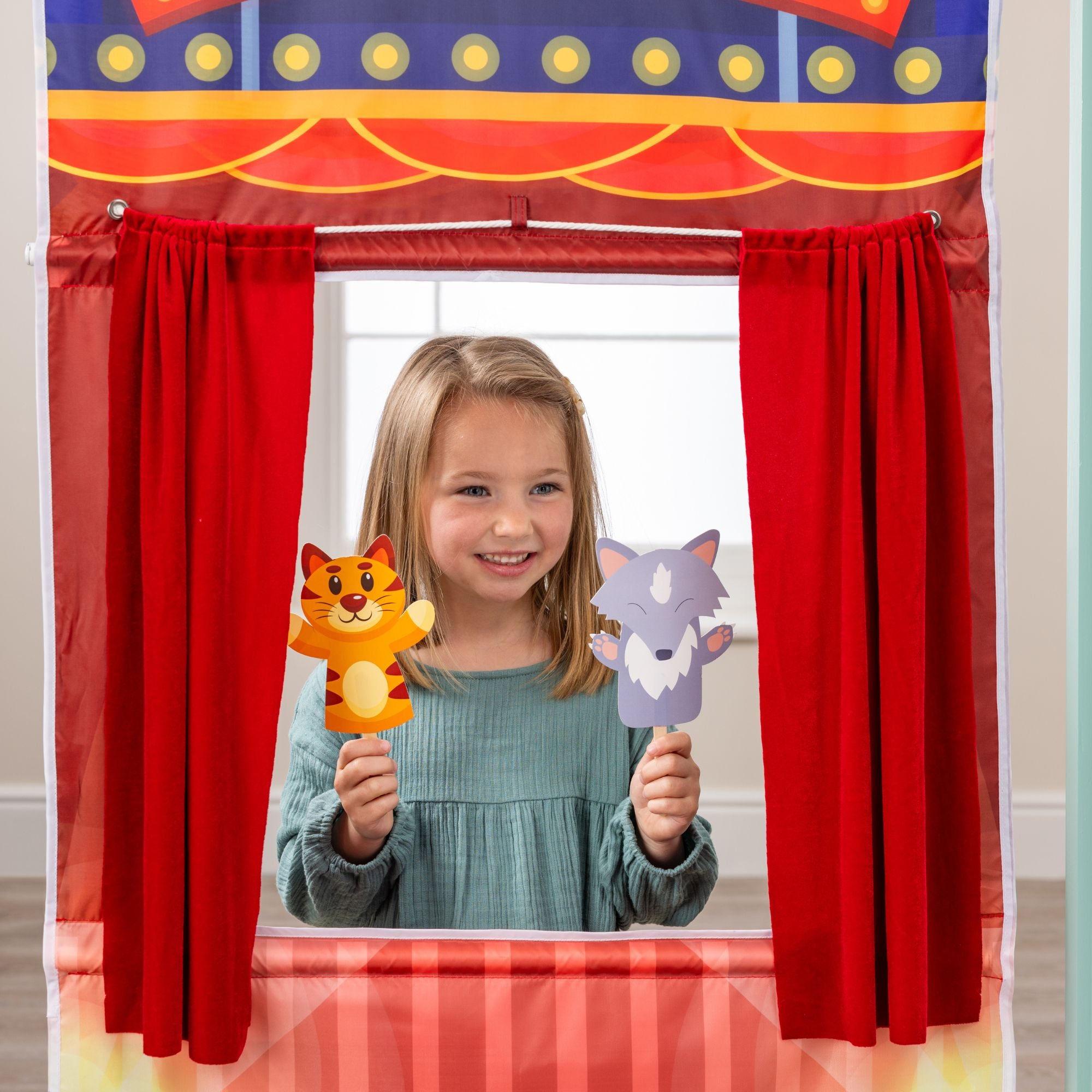
- Pop Up Play Town
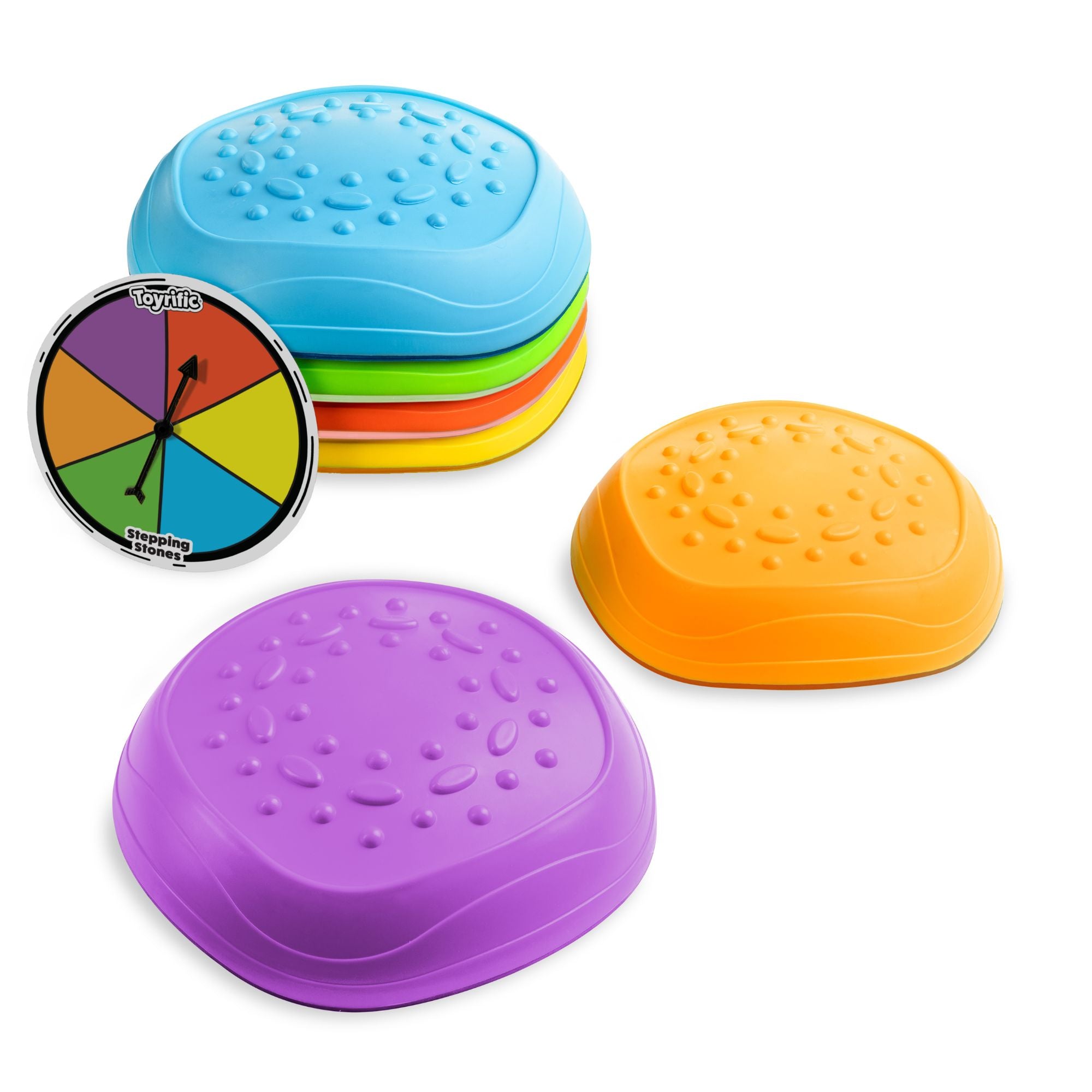
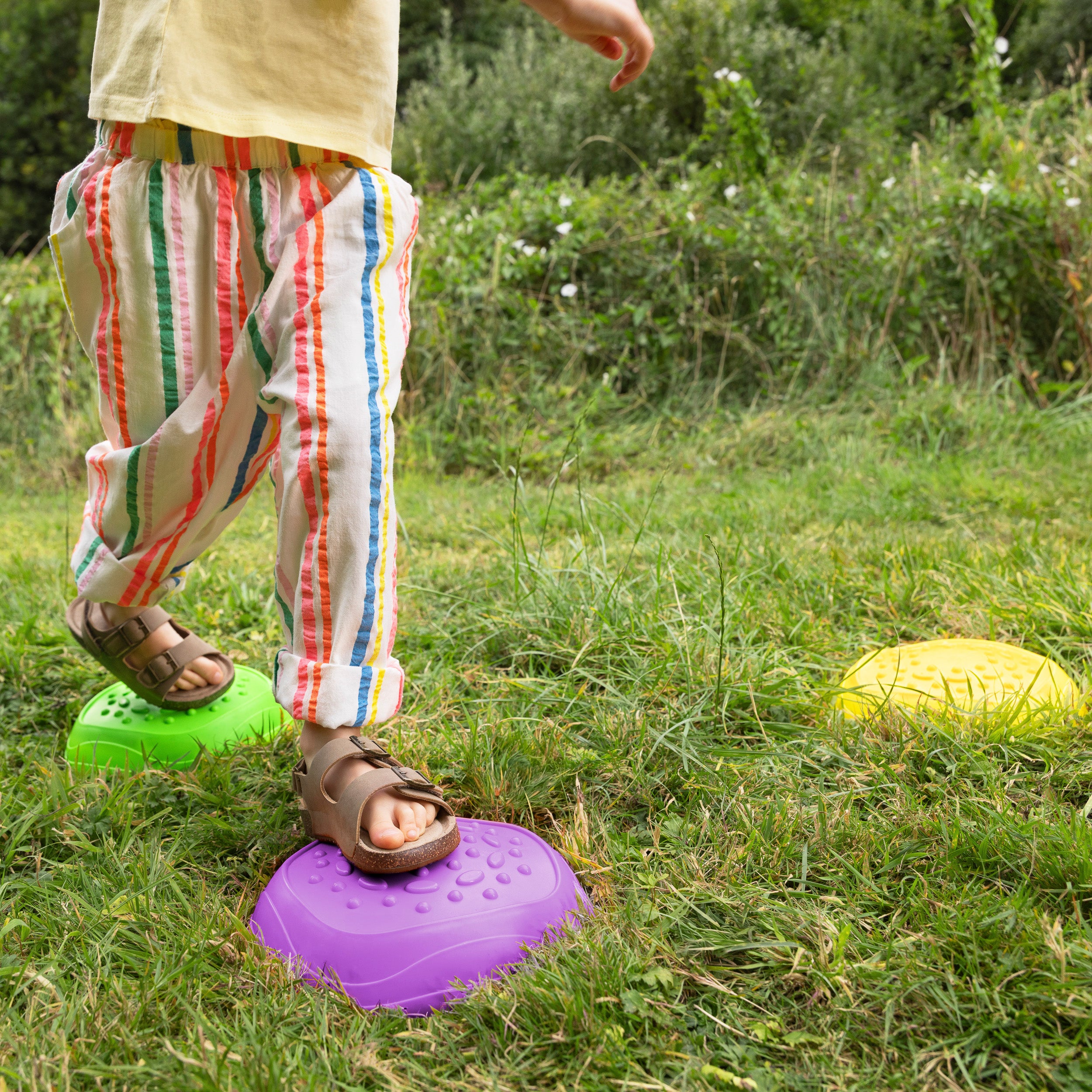
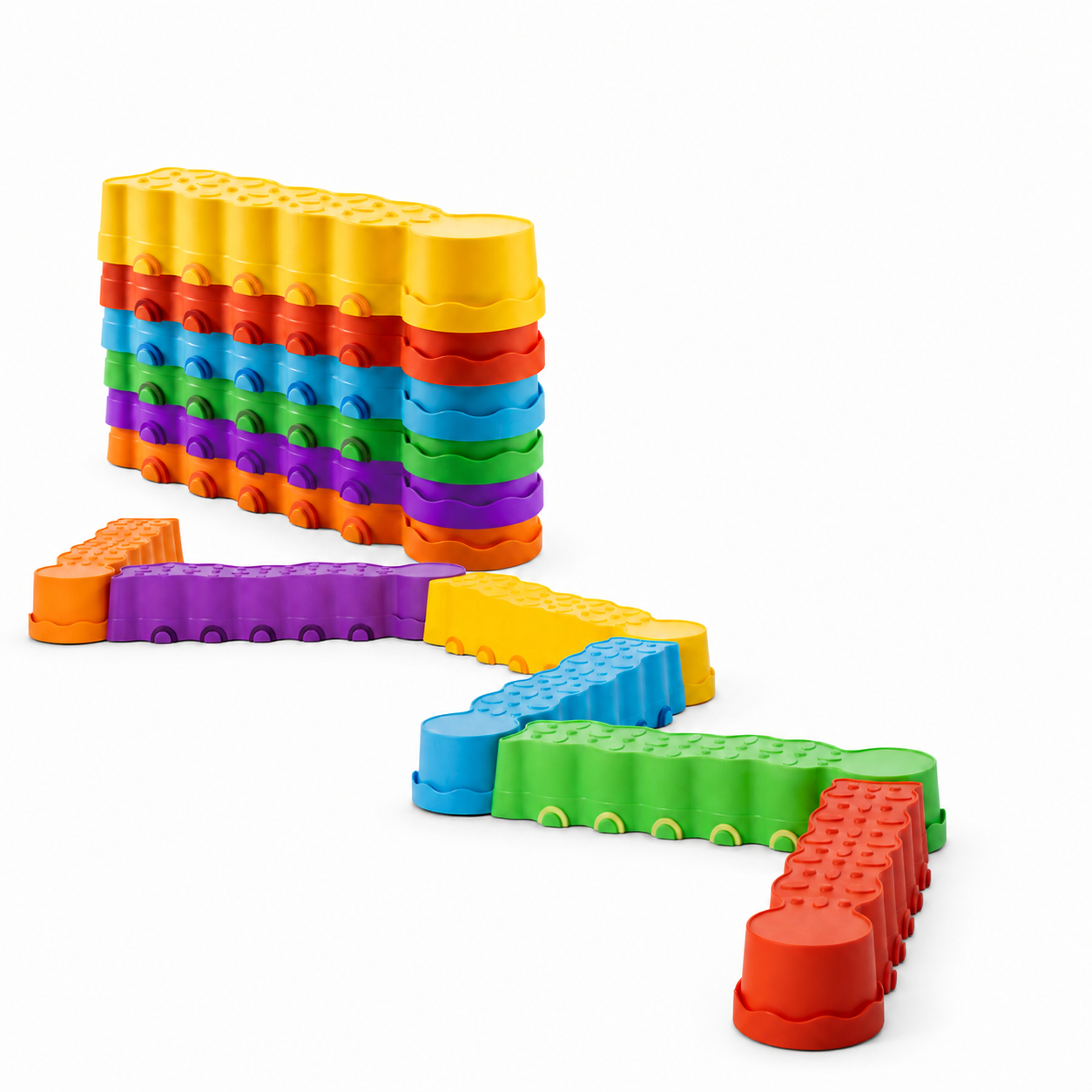
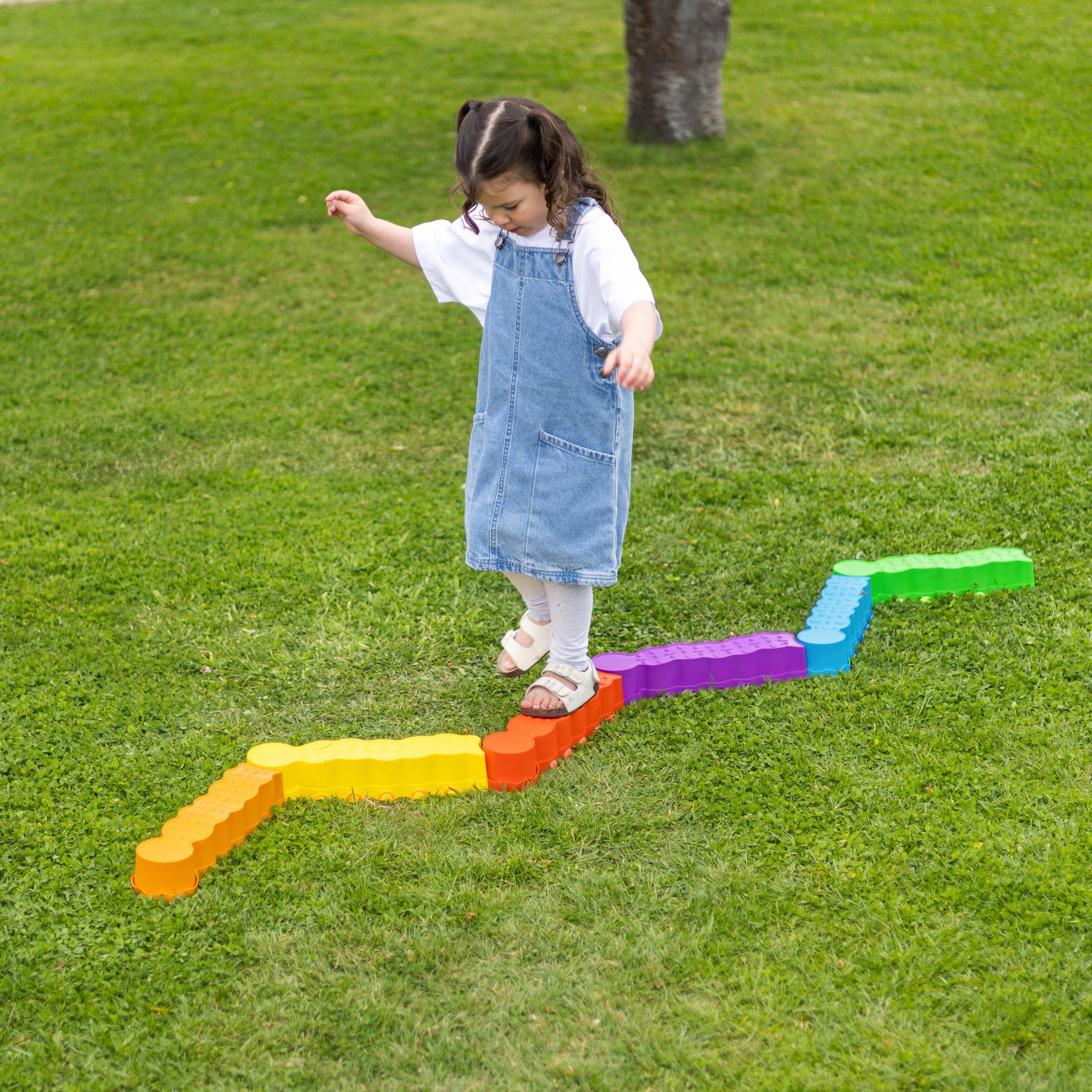
- Stepping Stones
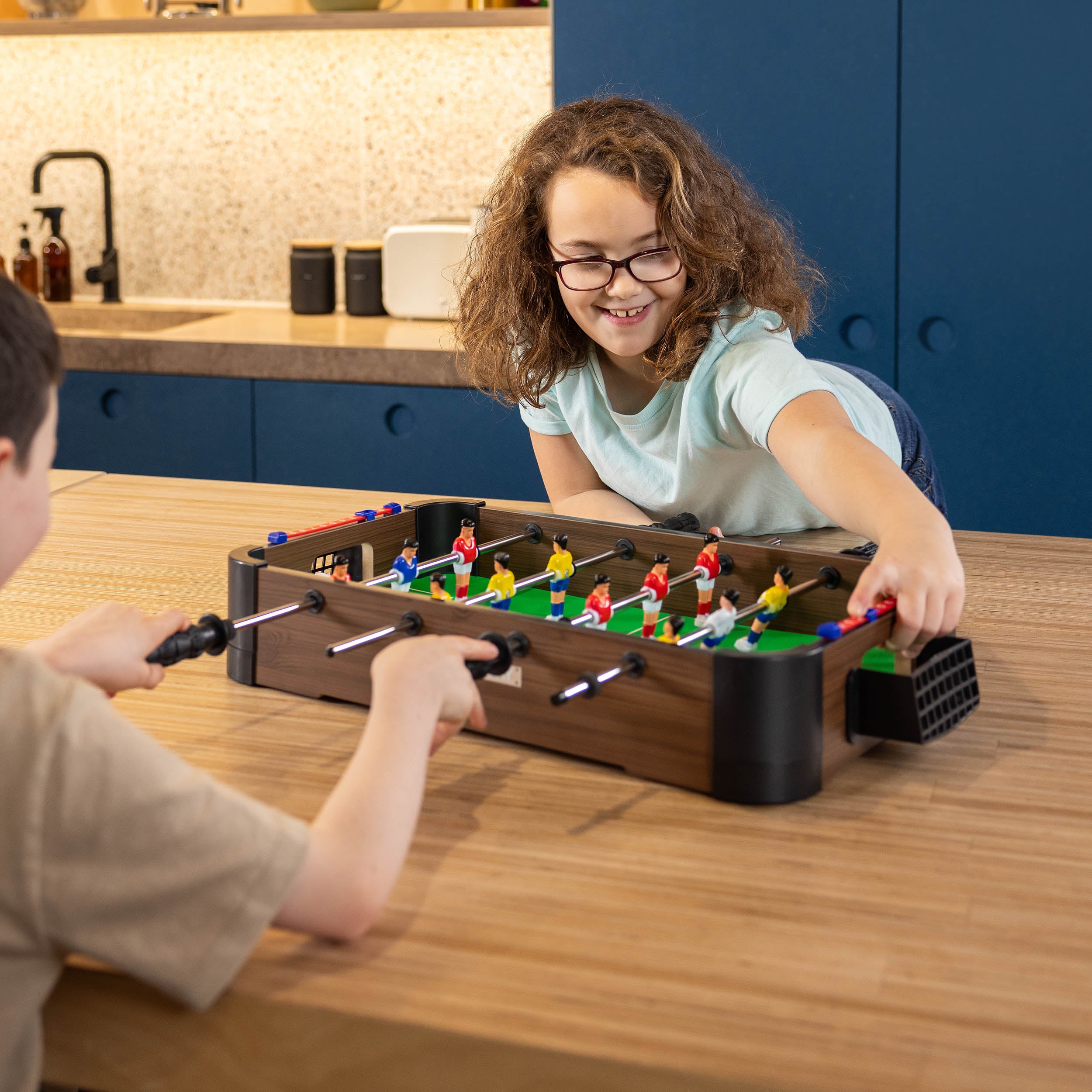
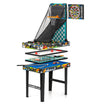
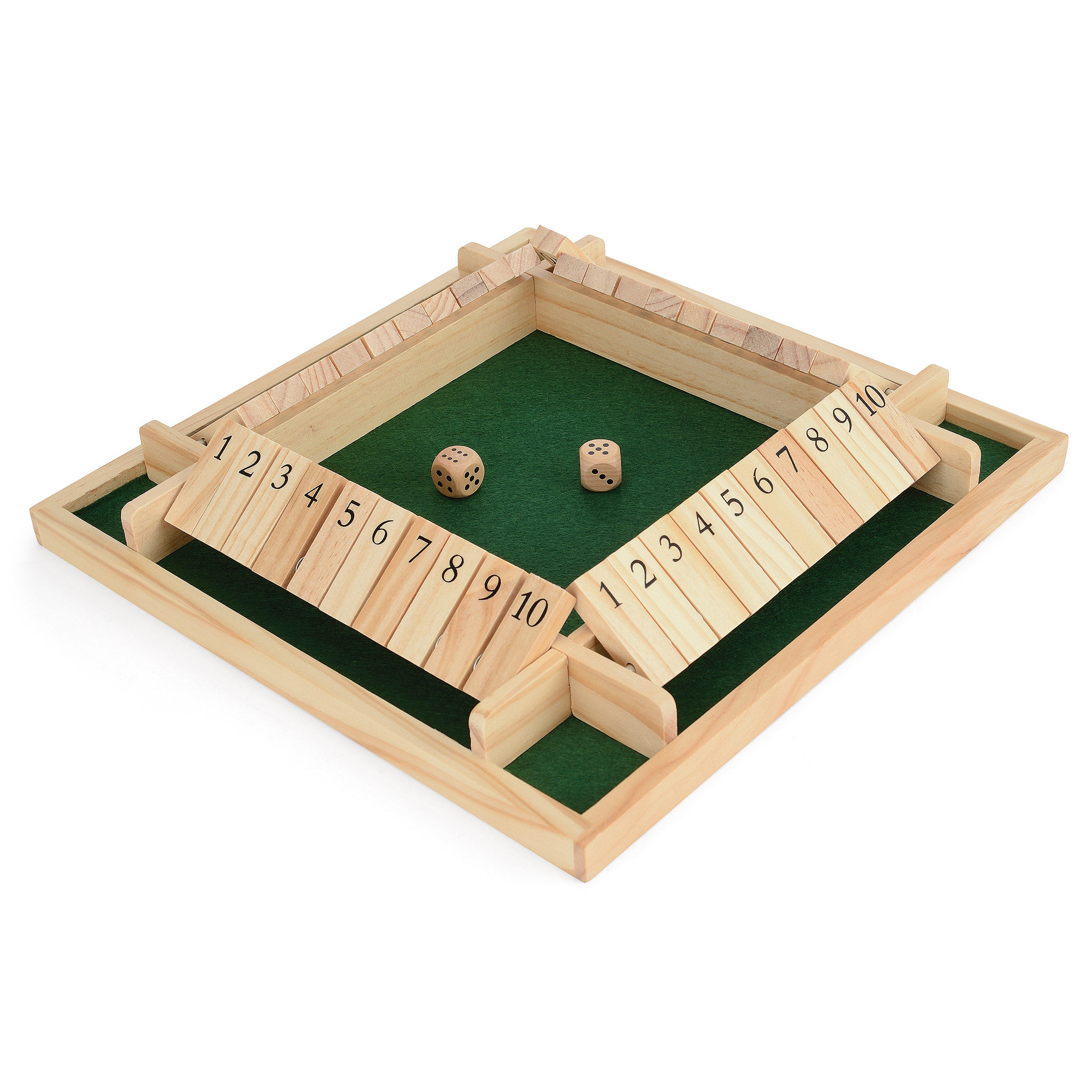
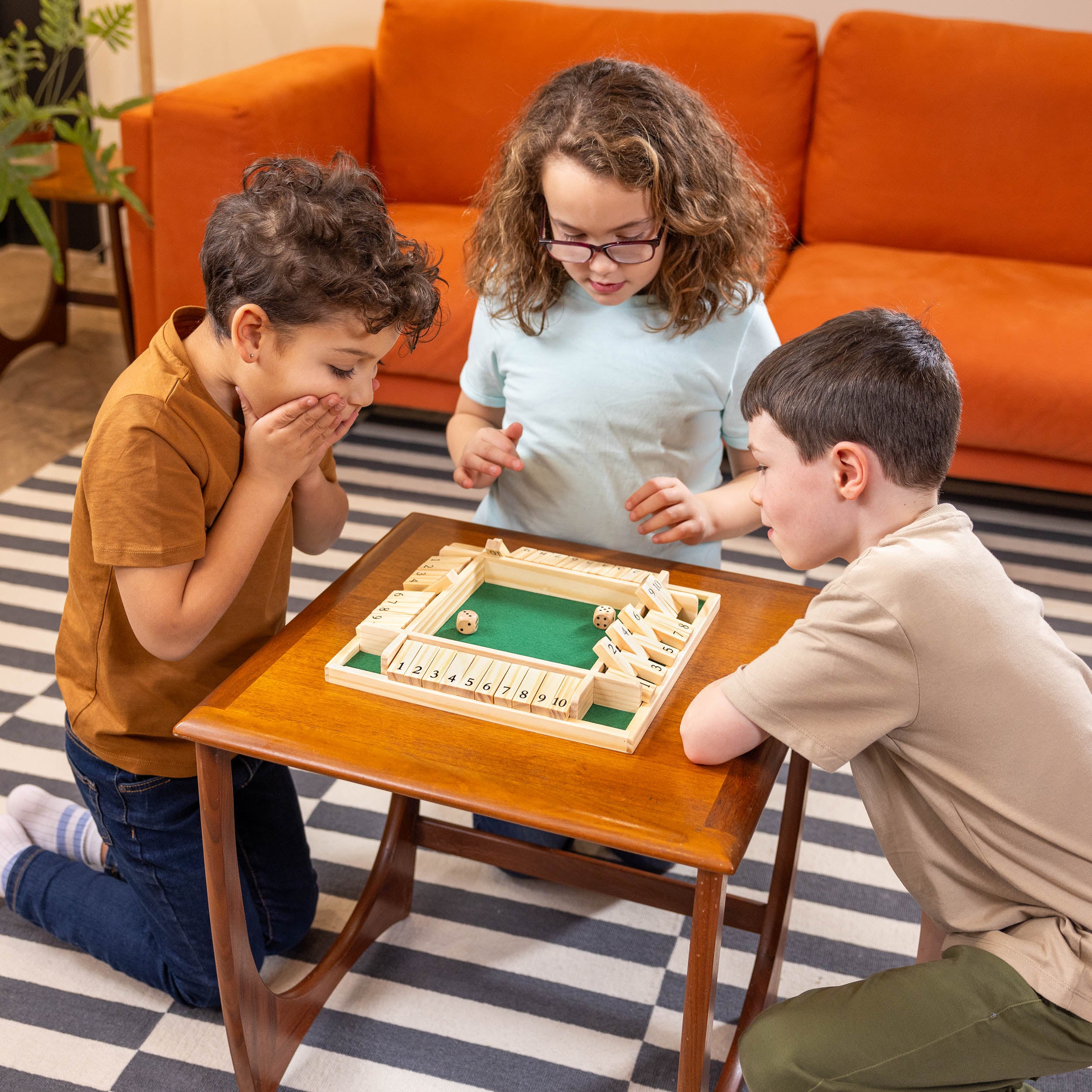
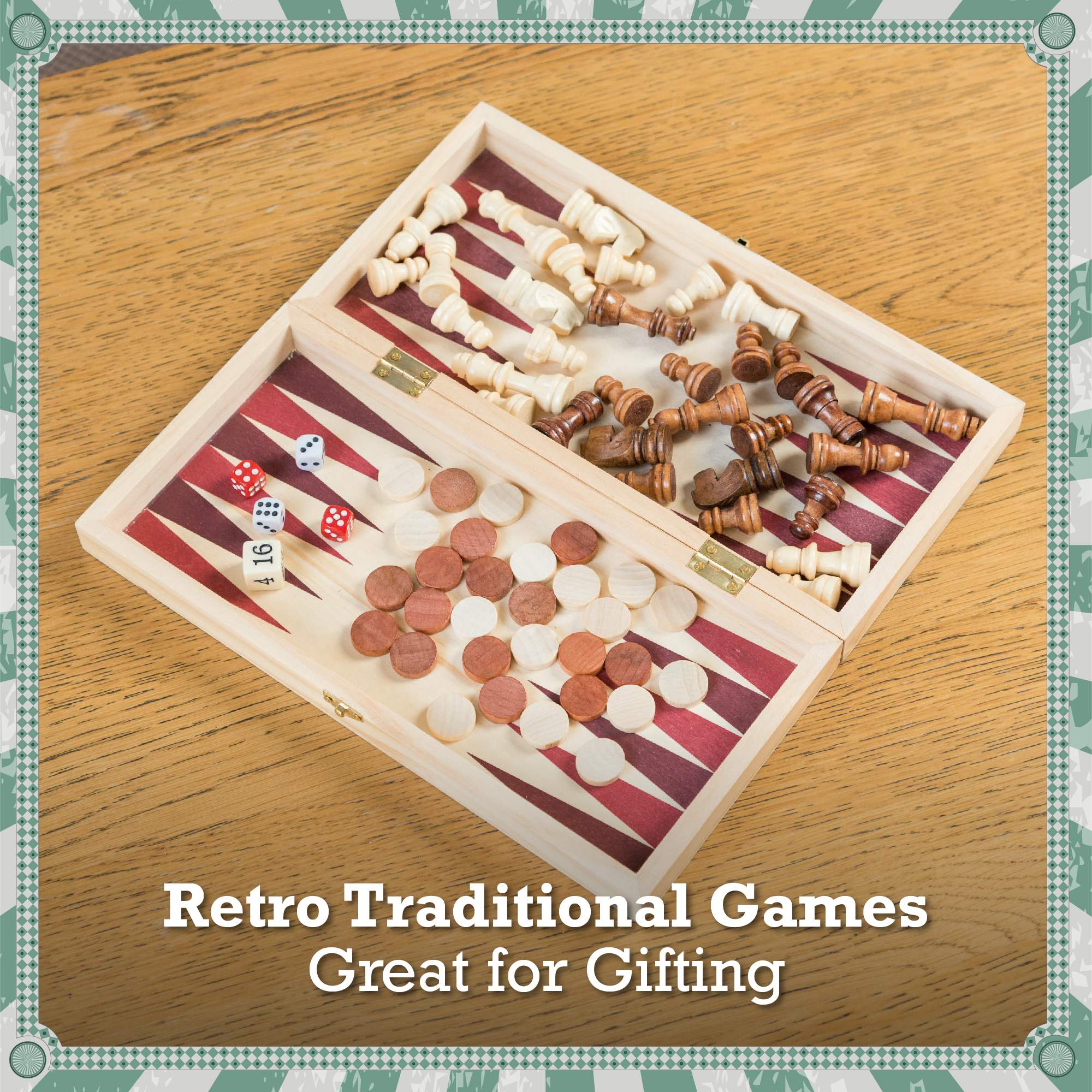
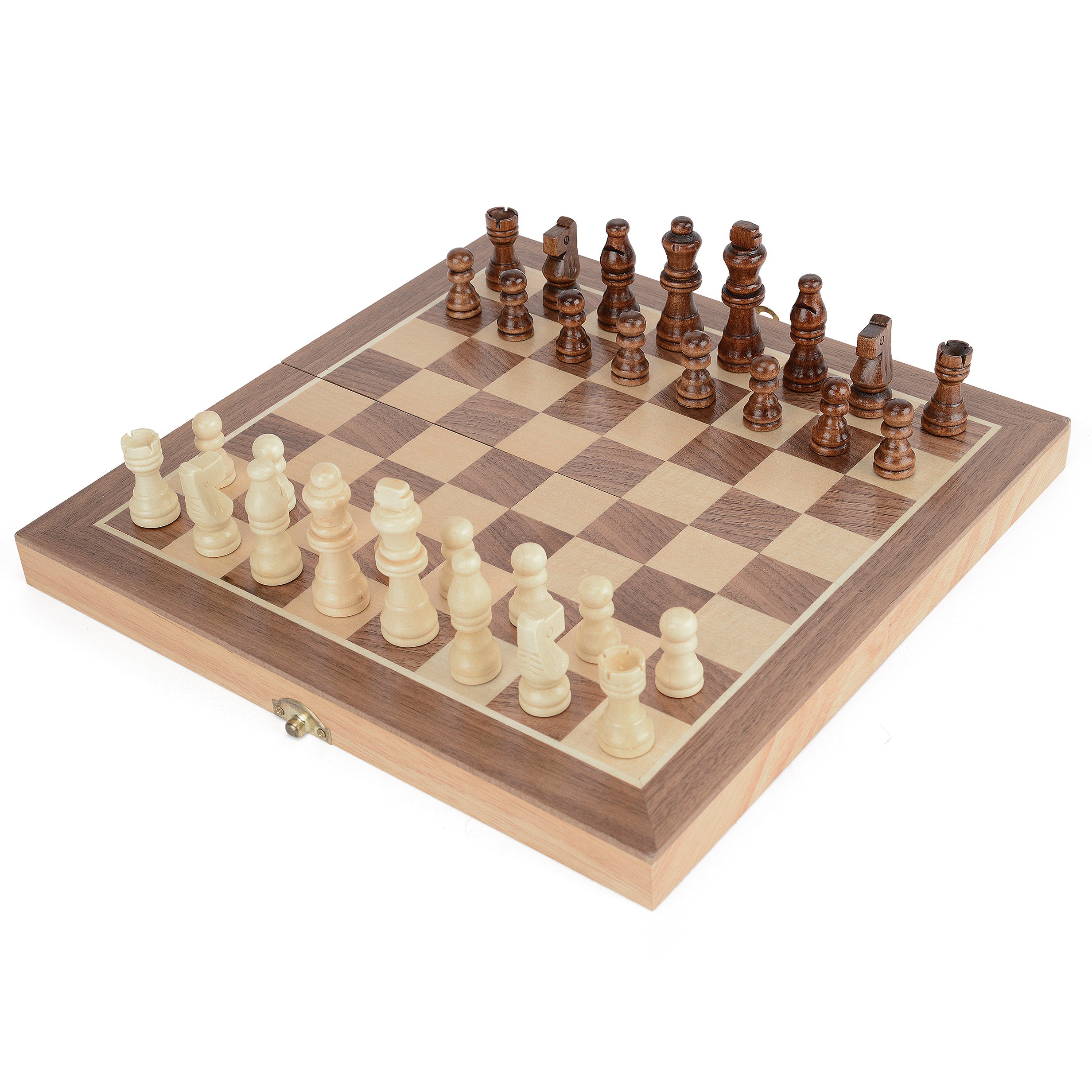
- Beginner board games
- Role play toys
- Creative activity sets
These activities help develop:
- Imagination
- Social skills
- Communication
- Problem-solving
- Early strategic thinking
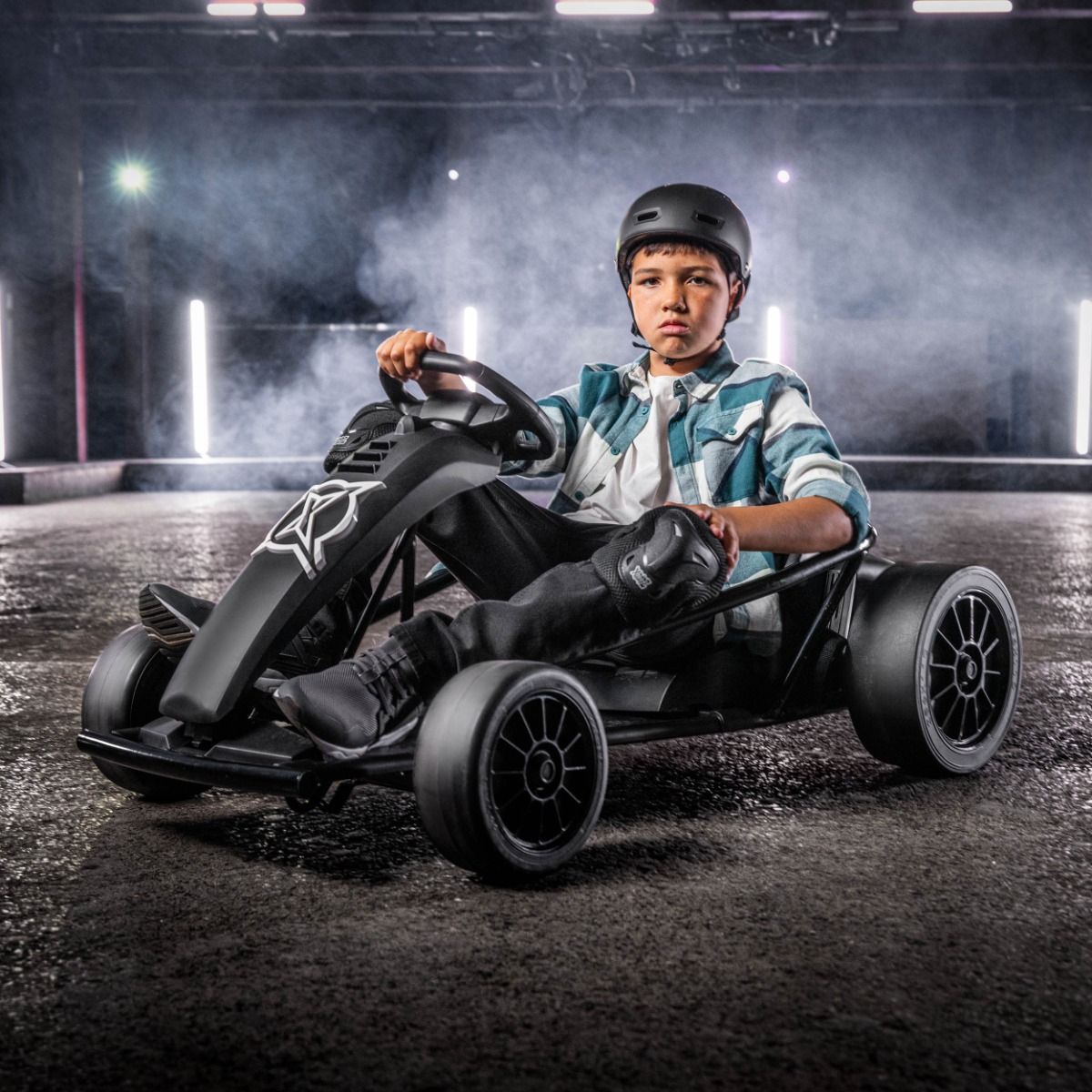
Ages 7+: Independence, Creativity and Problem-Solving
Older children enjoy toys that allow them to explore ideas independently and take on new challenges.
Construction toys, educational games and strategy-based activities encourage logical thinking while giving children the freedom to experiment, create and solve problems in their own way.
Great toy choices include:
- Construction and building toys
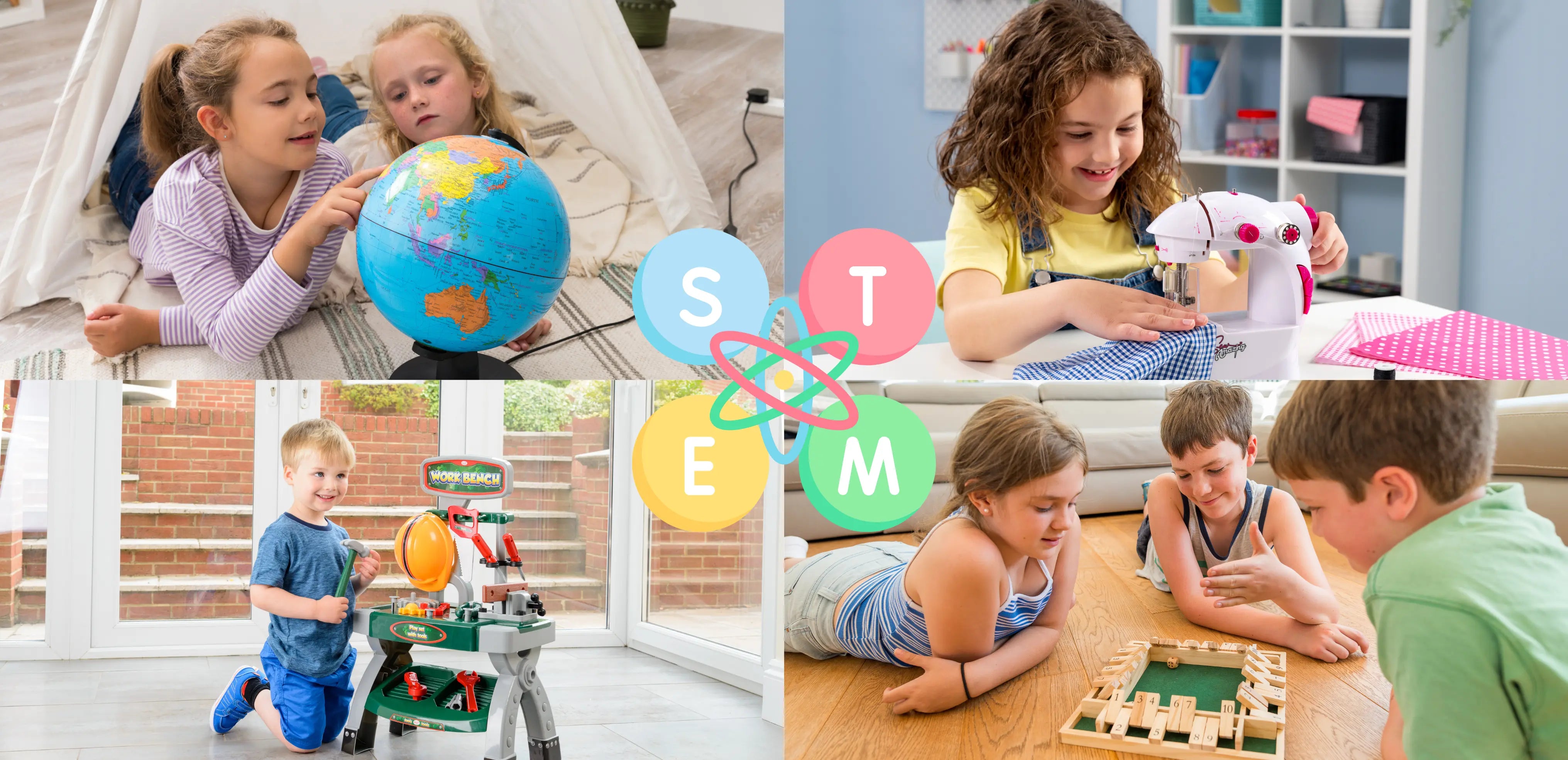
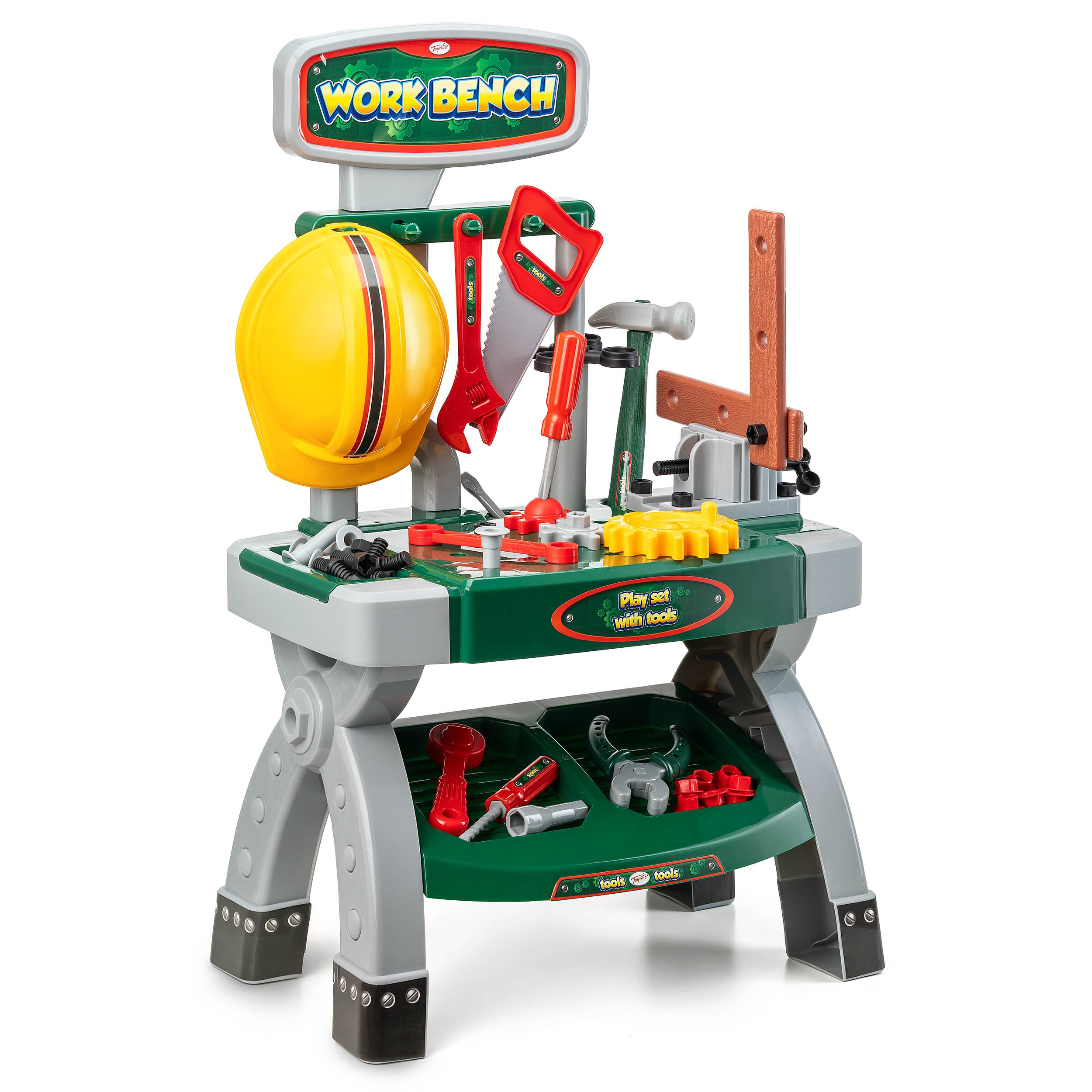
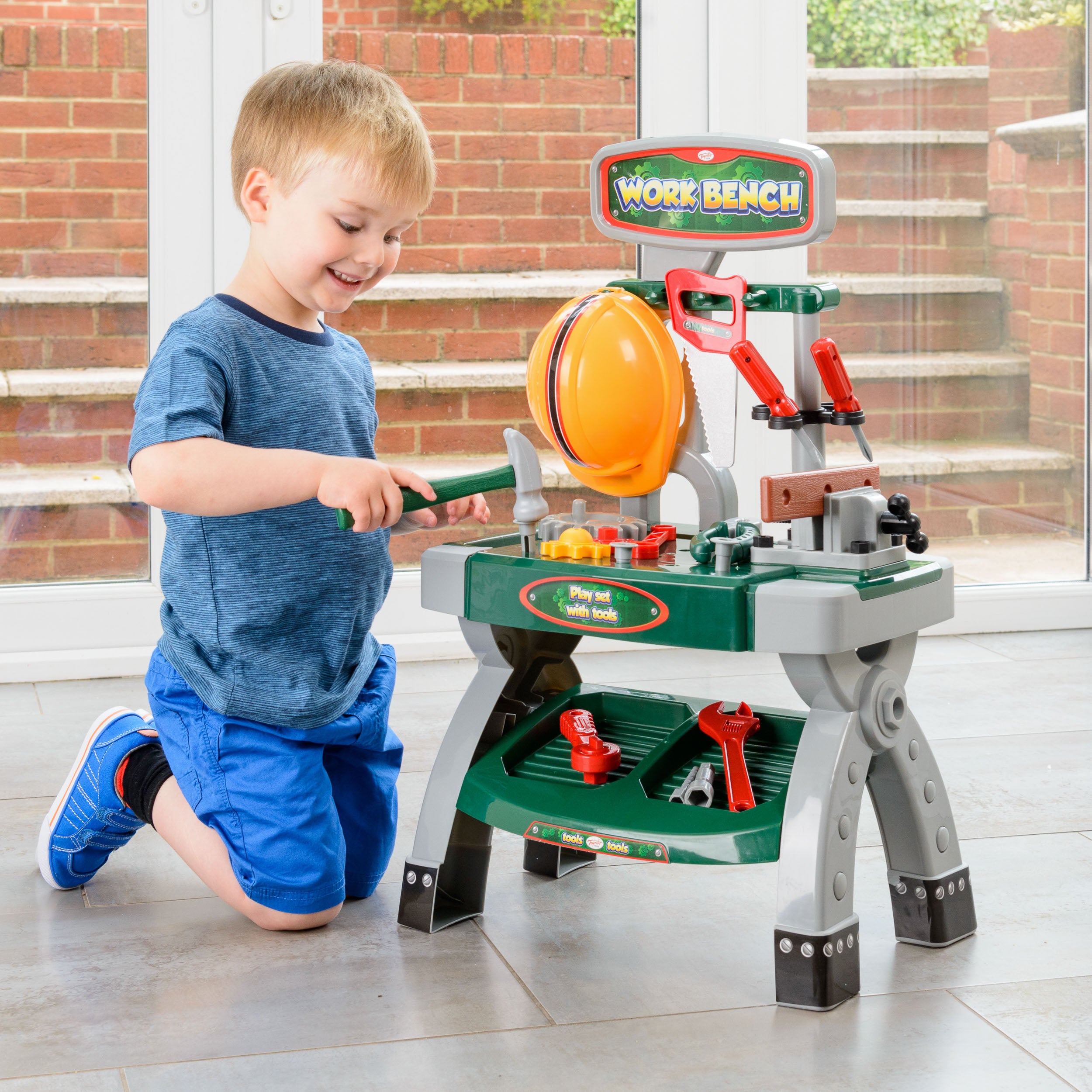
- Tool benches
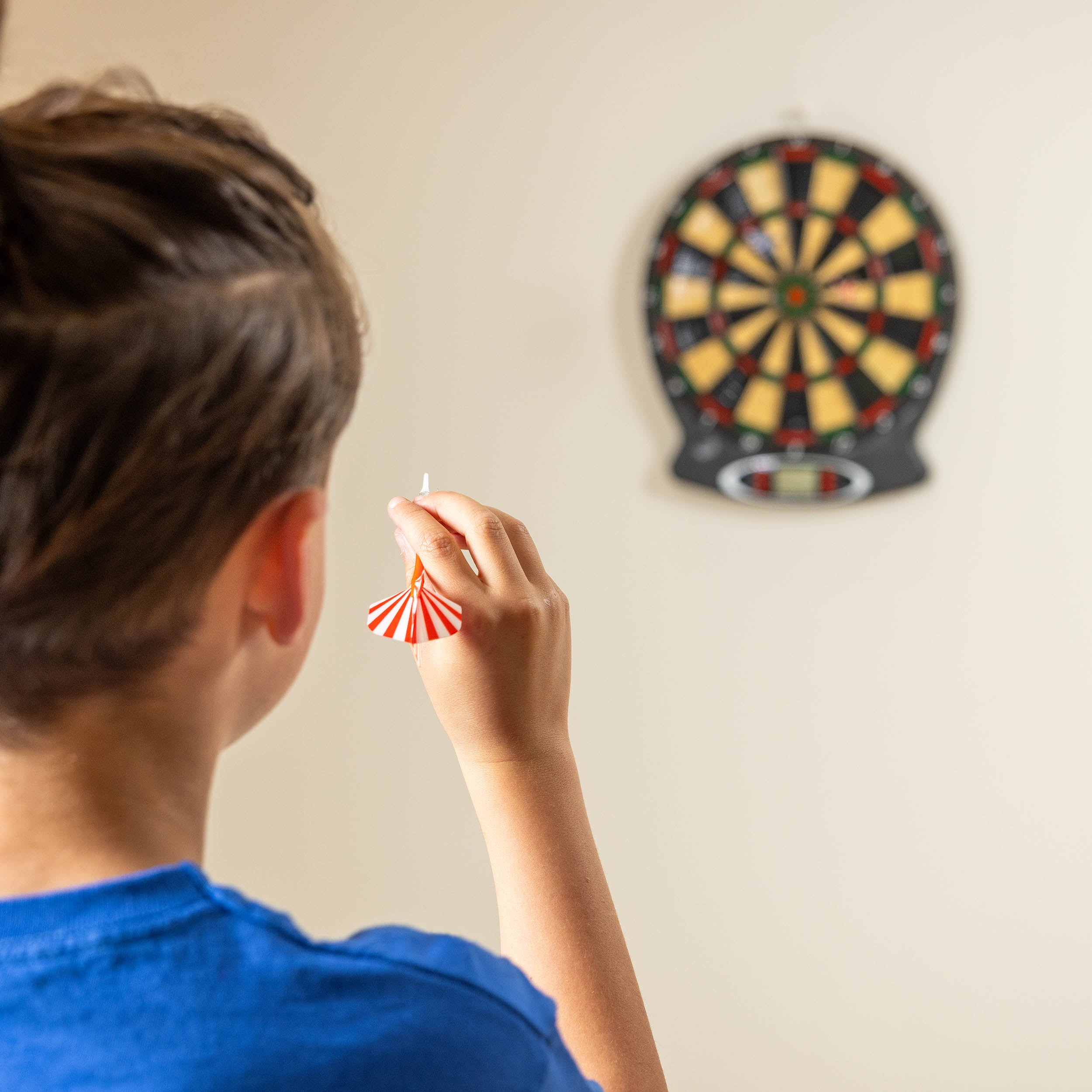
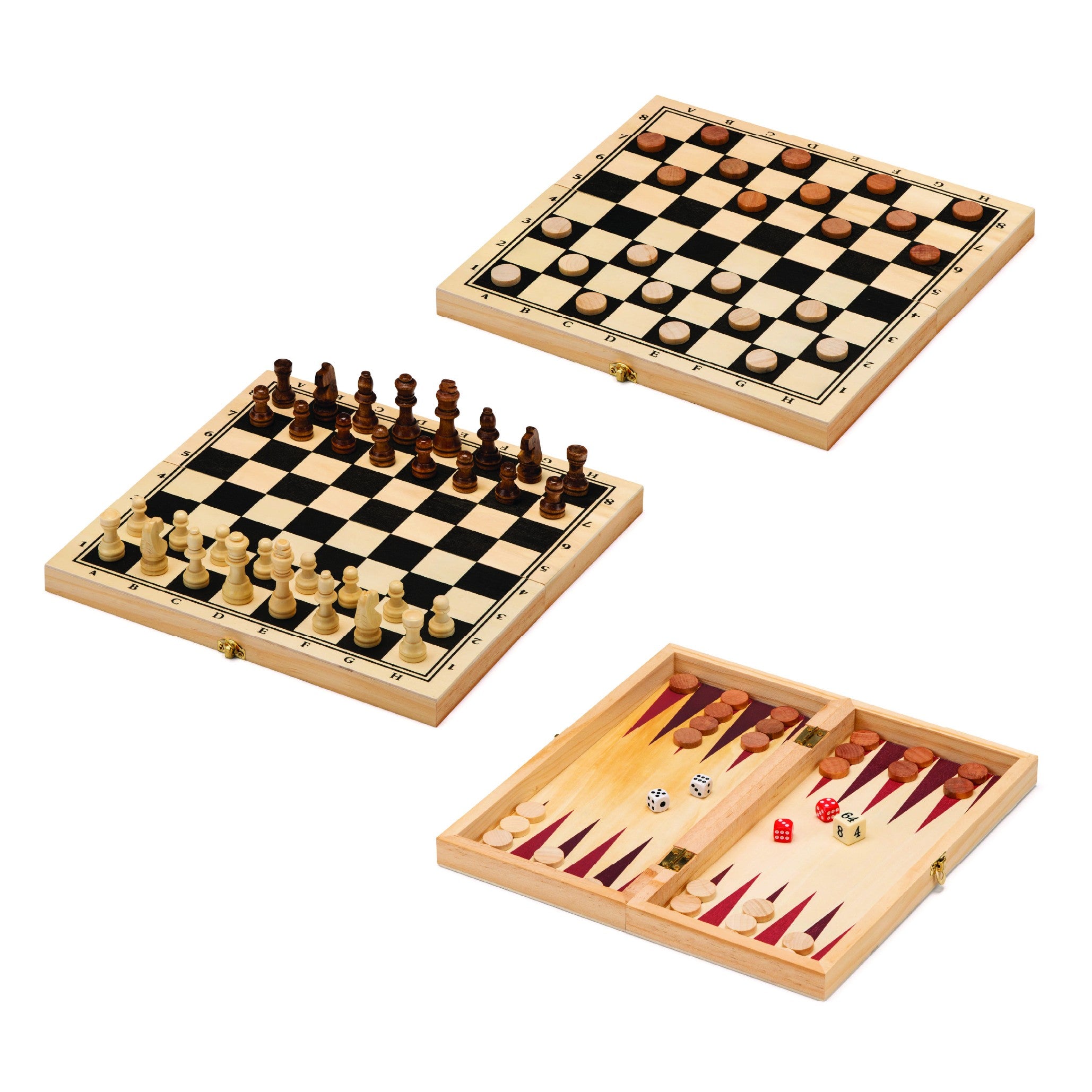
- Strategy games
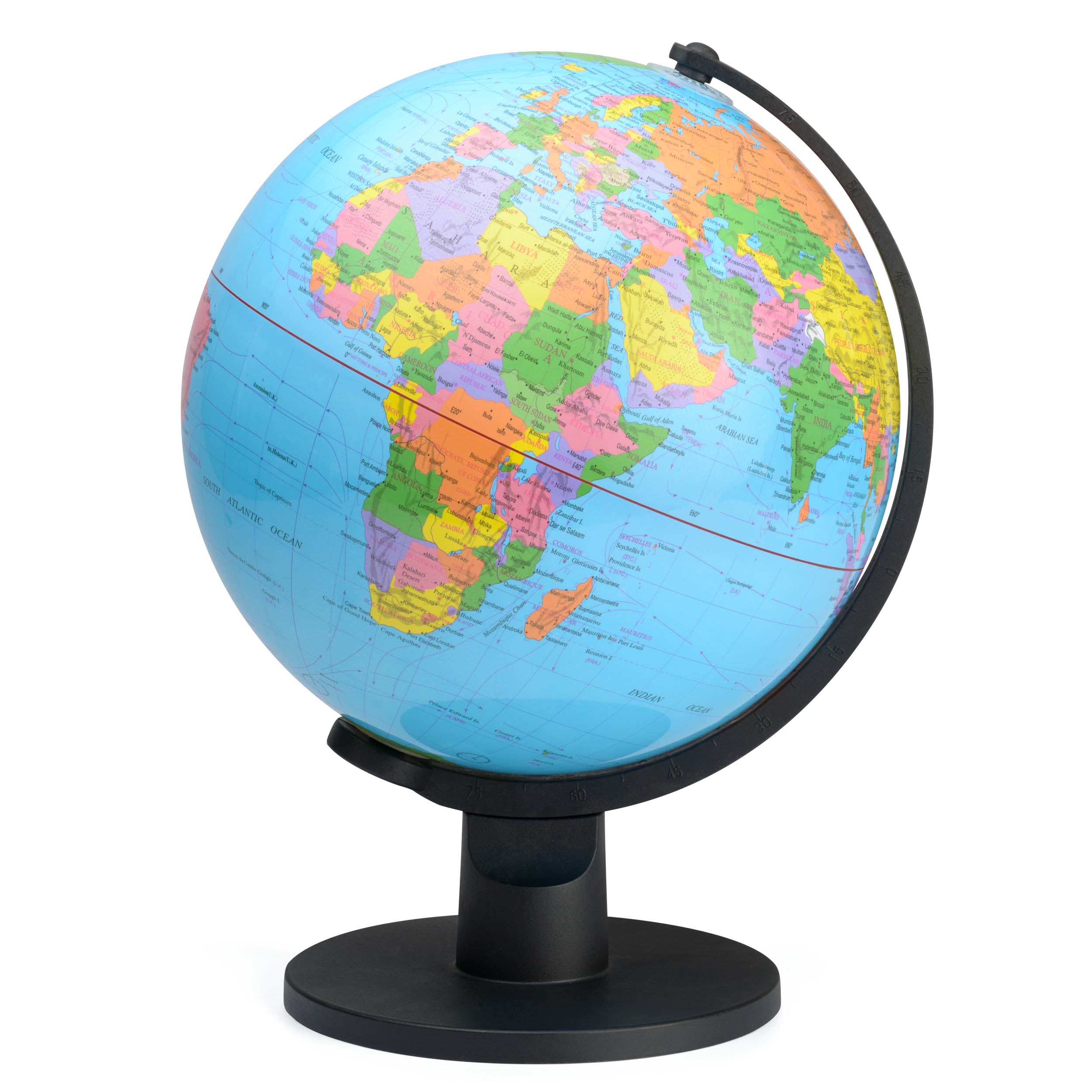
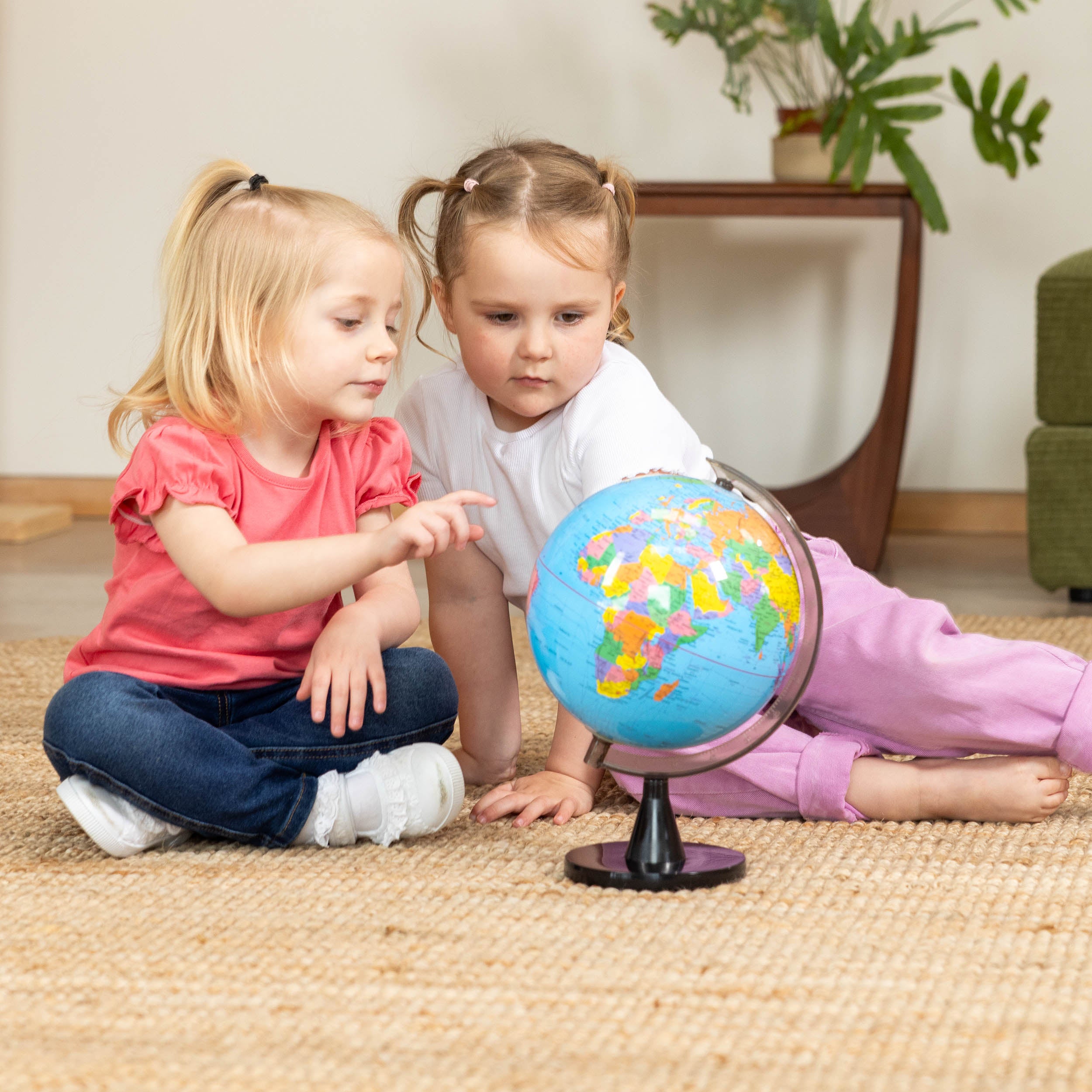
- Educational globes
- Outdoor challenge games
These activities help develop:
- Independence
- Creativity
- Logical reasoning
- Confidence
- Real-world understanding




Supporting Every Stage Through Play
Every child develops at their own pace, but choosing toys that match their stage of development can help them learn new skills while making playtime even more rewarding.
At Toyrific, our range is designed to support children from their earliest sensory experiences through to creative, independent play, helping them grow in confidence while having fun every step of the way.