

















Simple STEM Activities Using Everyday Toys
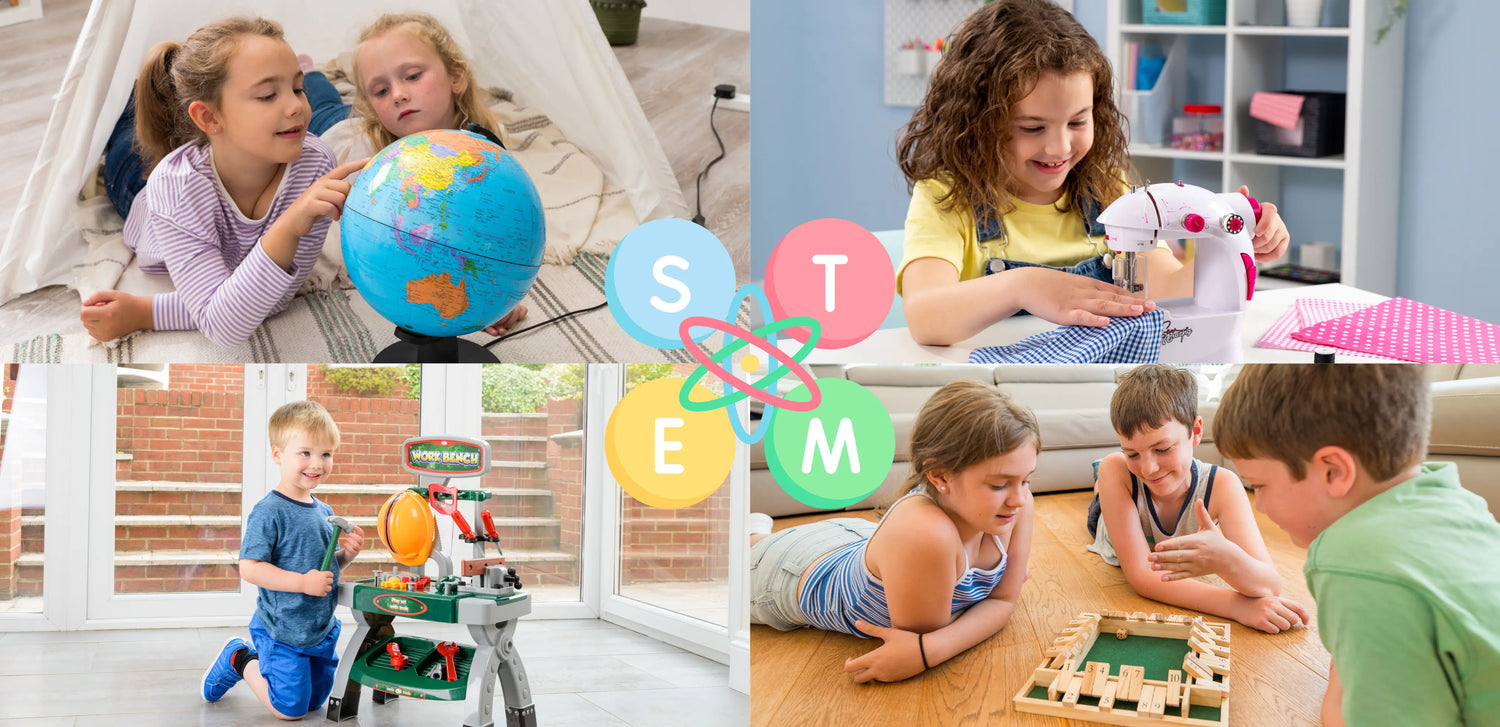
STEM learning doesn't have to feel like a lesson. Some of the best science, technology, engineering and maths skills are developed through everyday play. When children build, test, balance and experiment, they're learning how to think critically, solve problems and explore the world around them.
Here are a few simple ways everyday toys can support STEM learning at home.
What Is STEM Learning?
STEM stands for Science, Technology, Engineering and Mathematics. STEM activities encourage children to ask questions, test ideas and learn through hands-on exploration.
Many everyday toys naturally support STEM learning by encouraging children to build, investigate and solve problems through play.
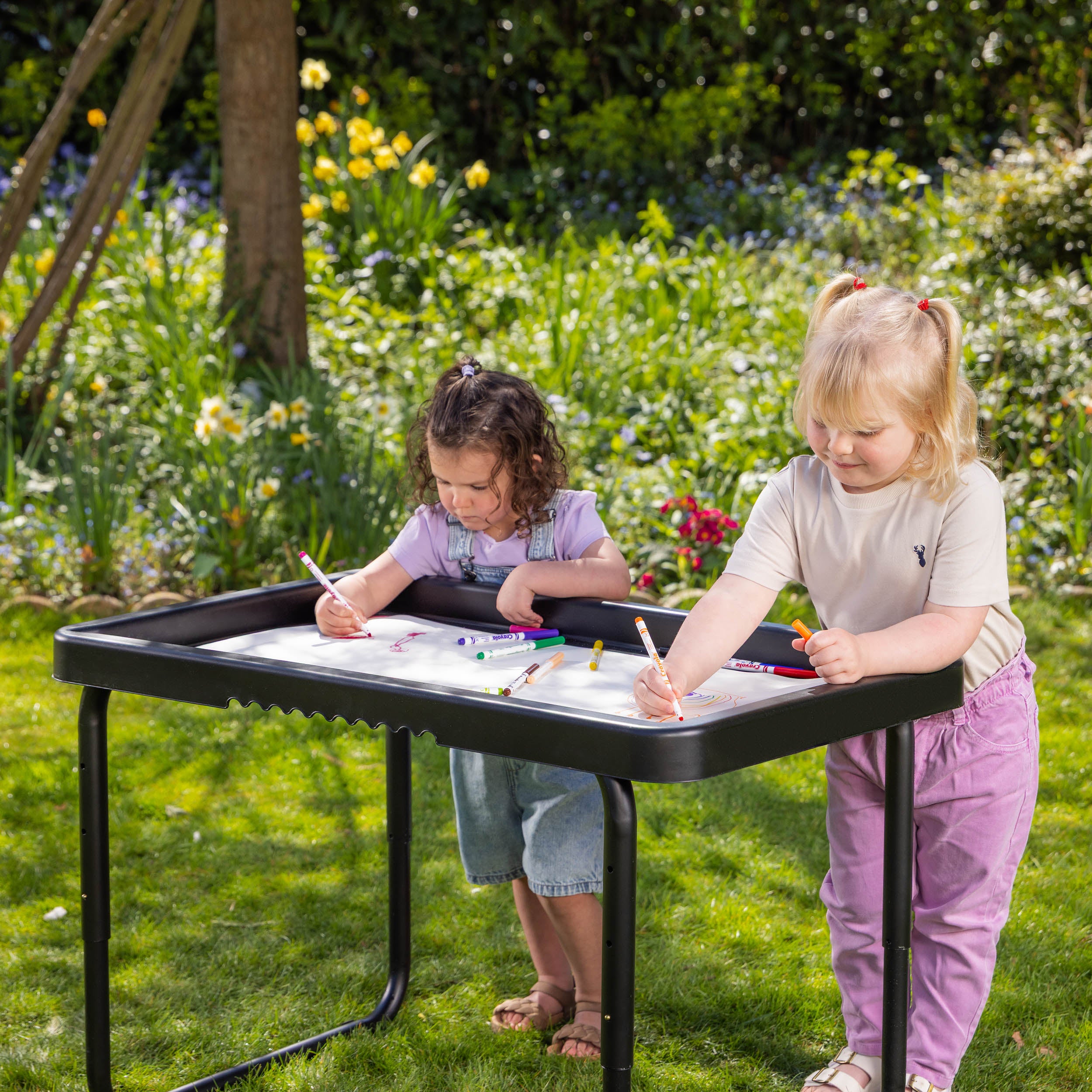
Build Engineering Skills Through Construction Play
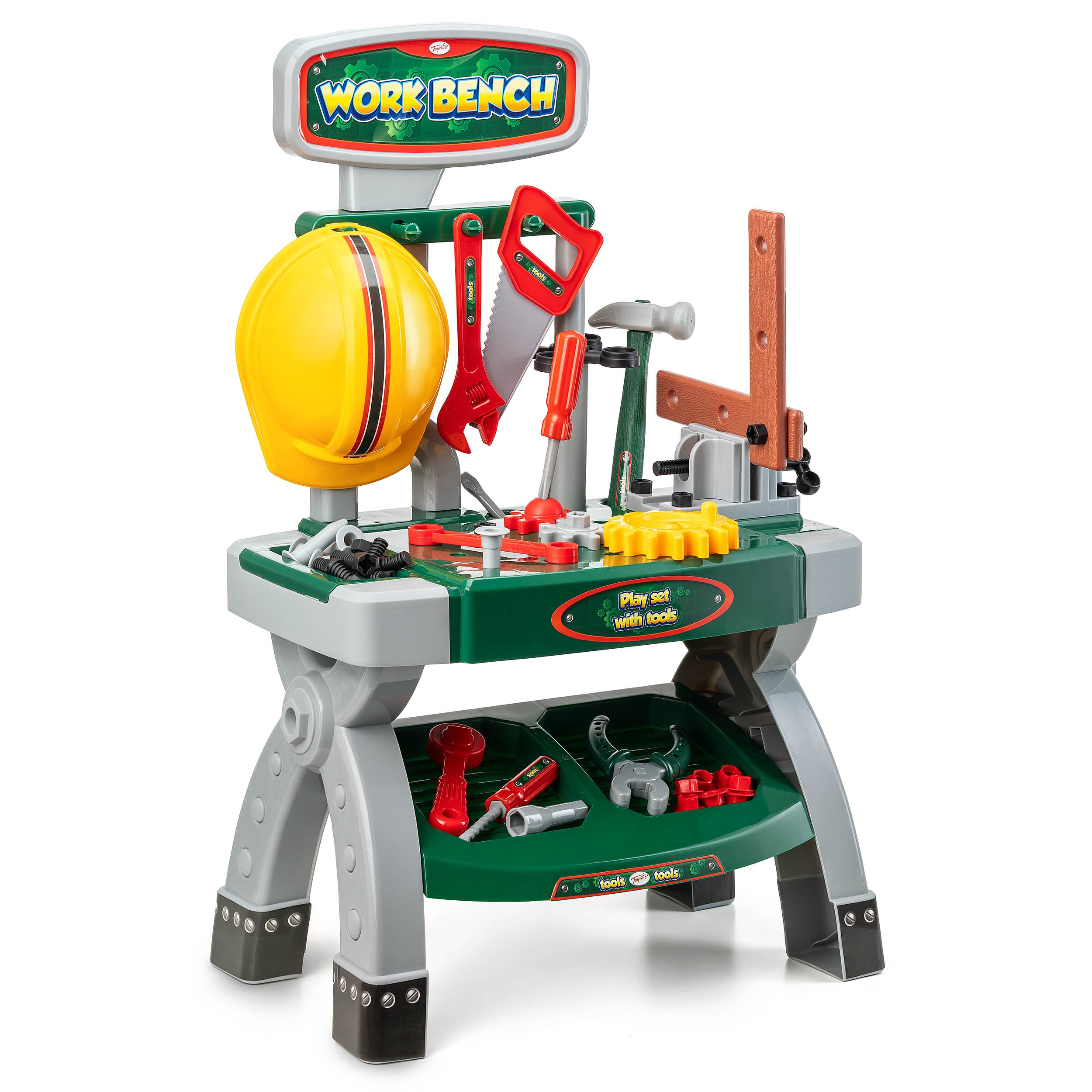
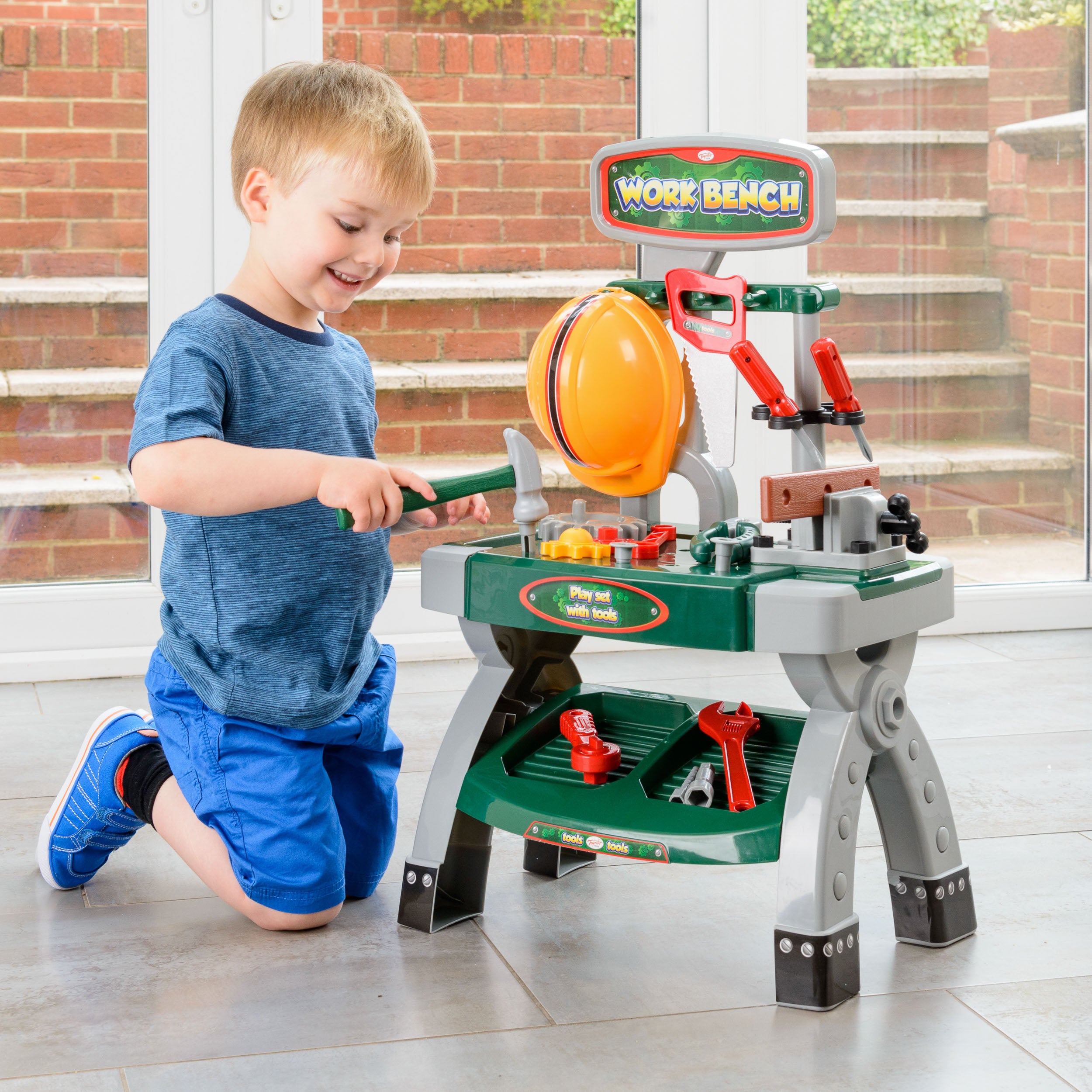
Construction toys encourage children to design, test and improve their ideas.
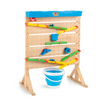
Whether they're using a tool bench, stacking blocks or building towers, children learn valuable engineering skills by experimenting with different designs and discovering what works best.
Try asking questions like:
- Can you build something that stands without support?
- Can you make it taller?
- What happens if you make the base wider?
These simple challenges encourage creative thinking and problem-solving.
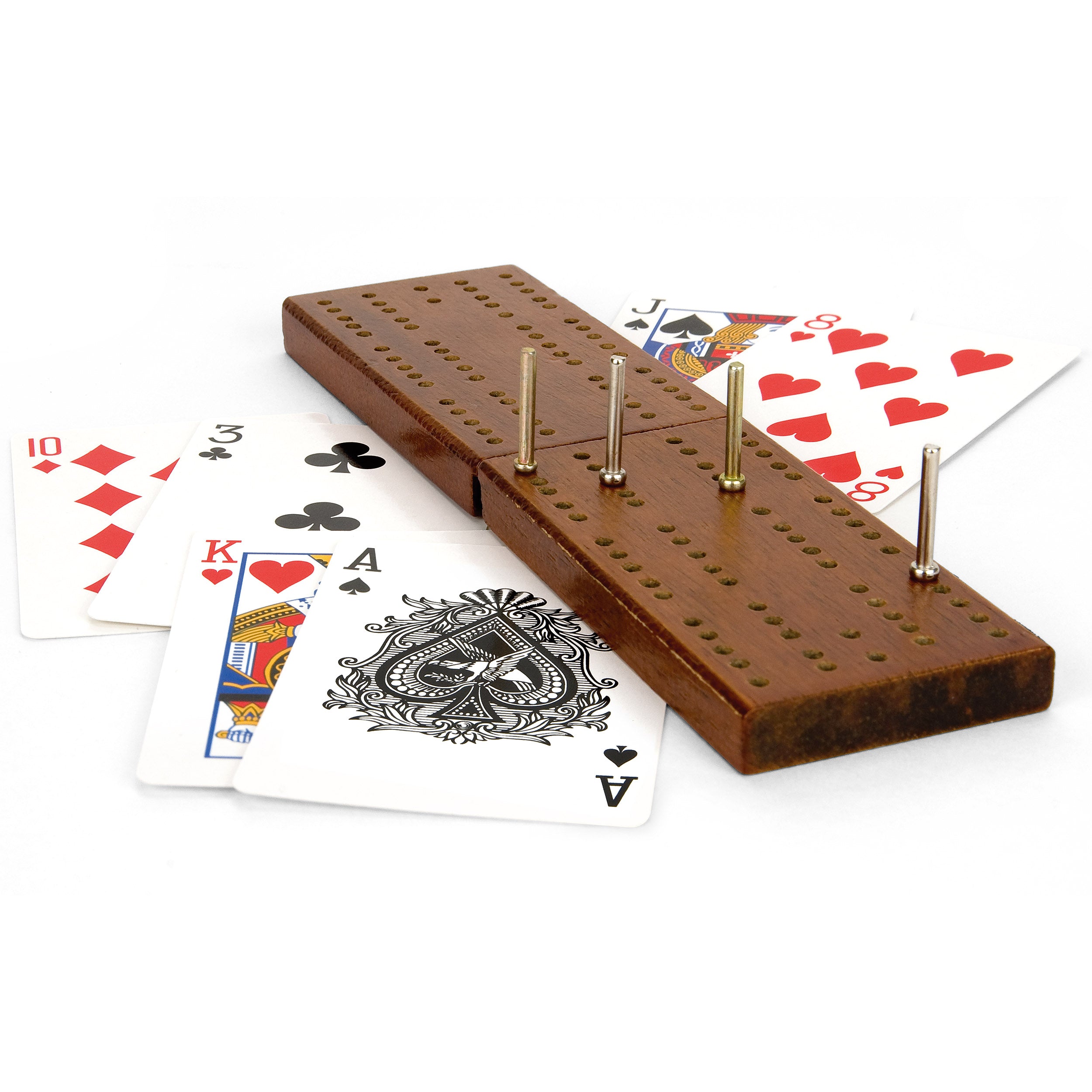
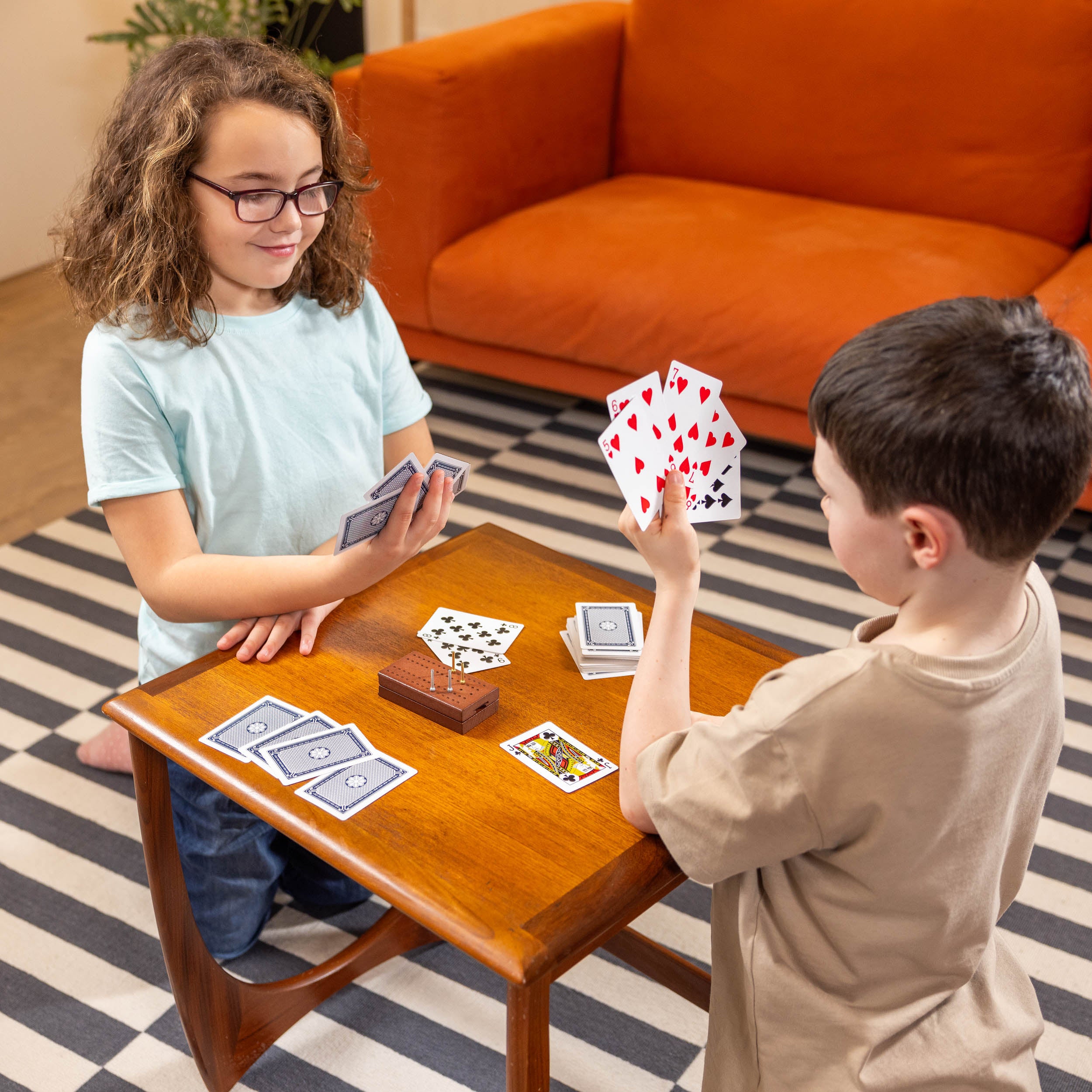
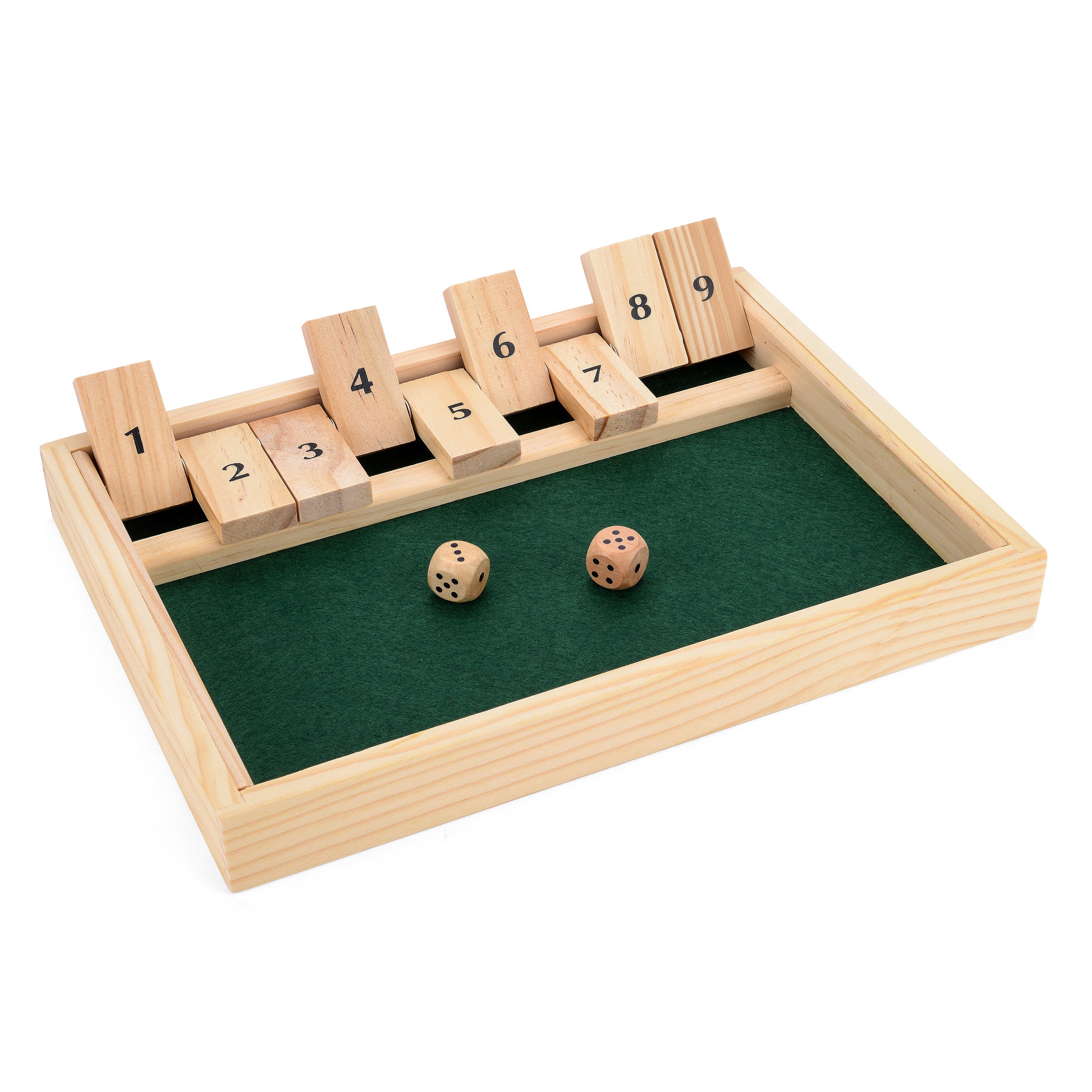
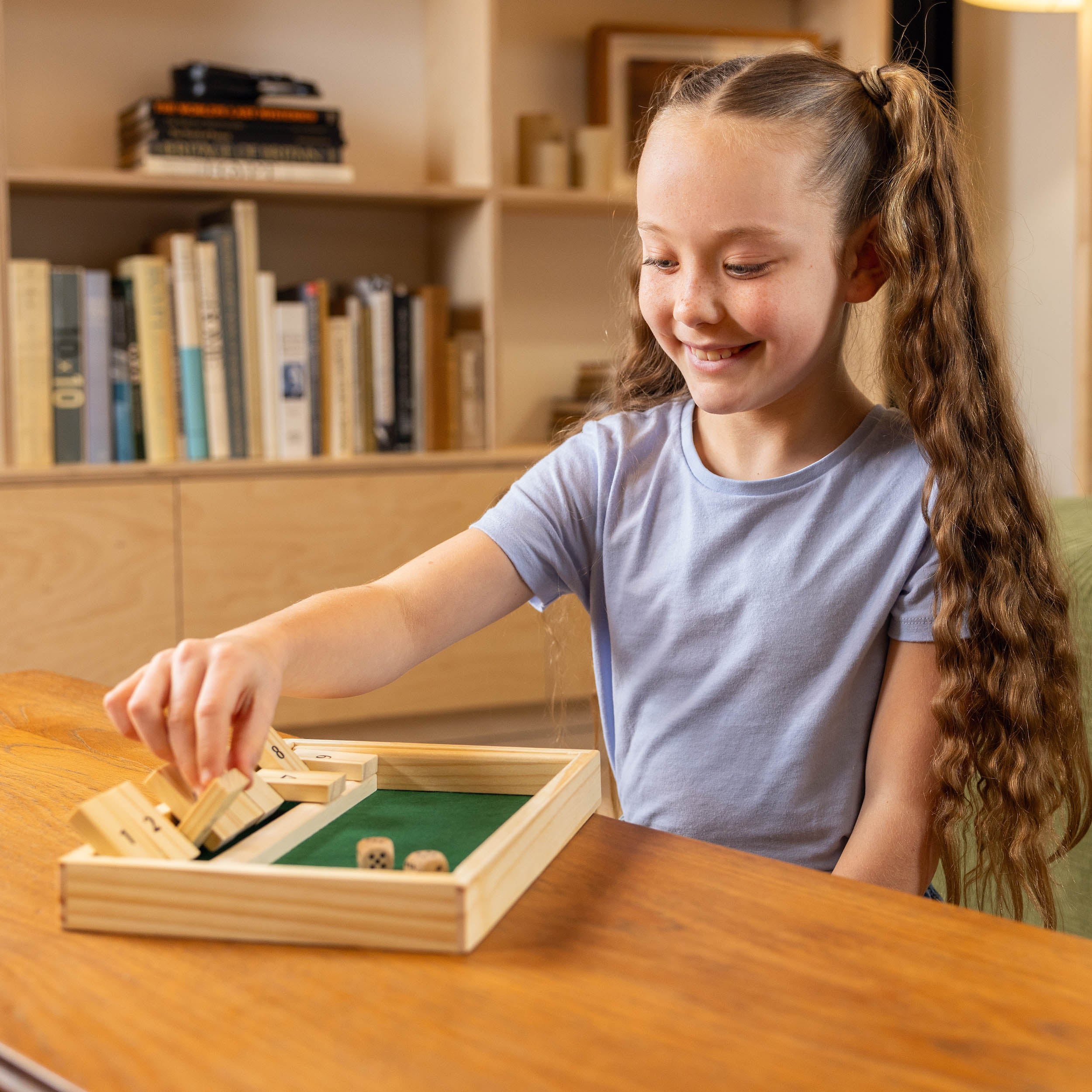
Develop Maths Skills Through Games
Maths can be introduced naturally through play.
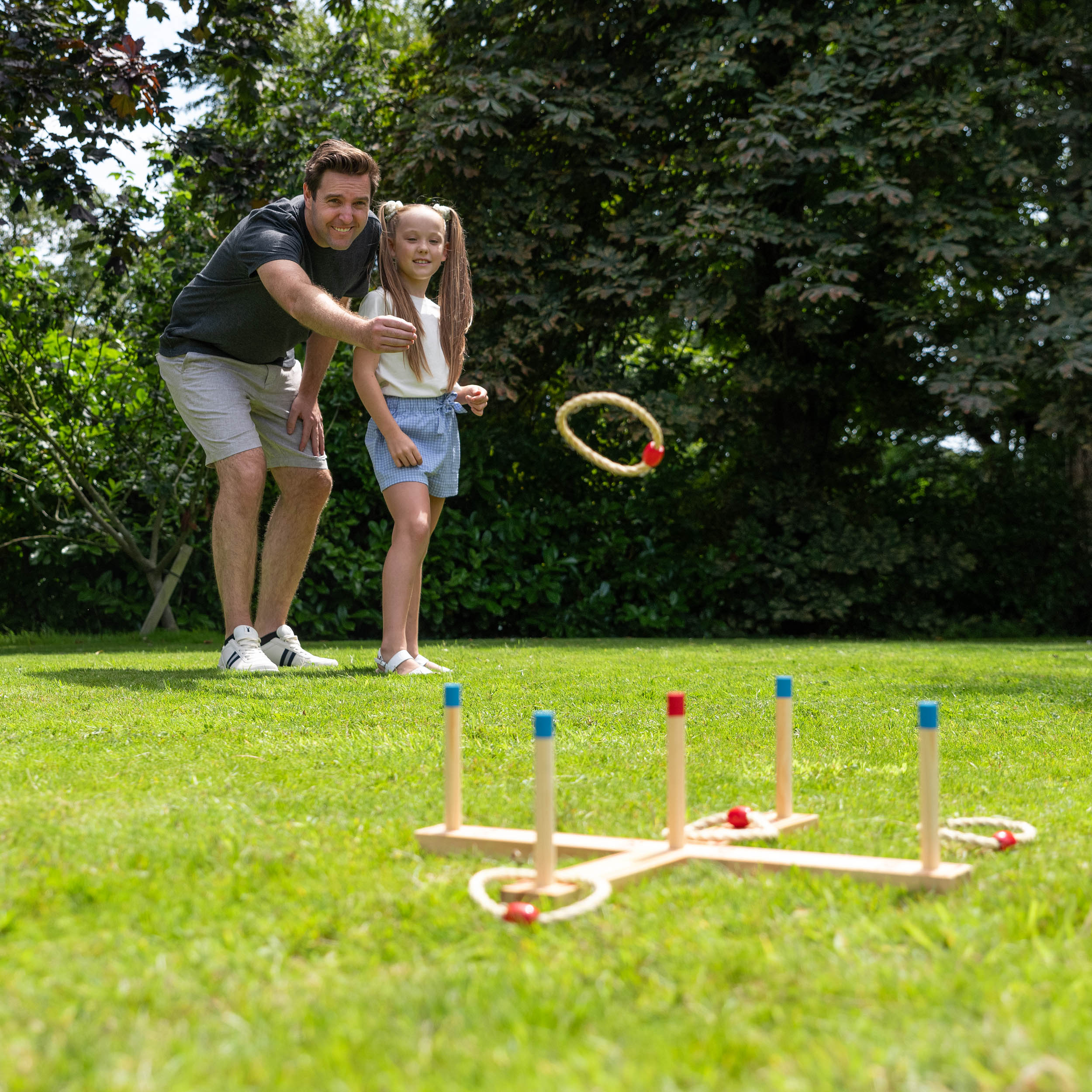
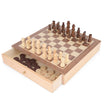
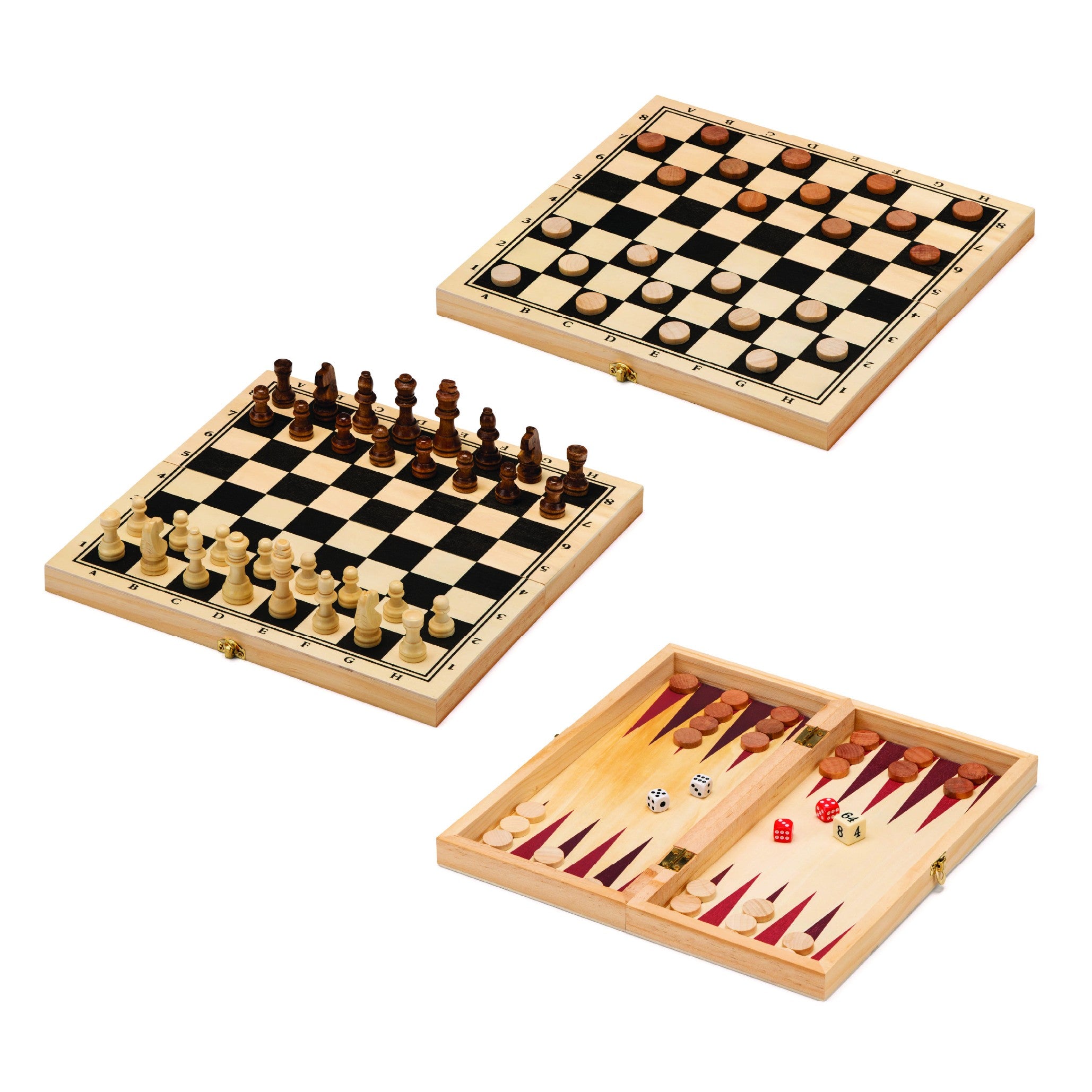
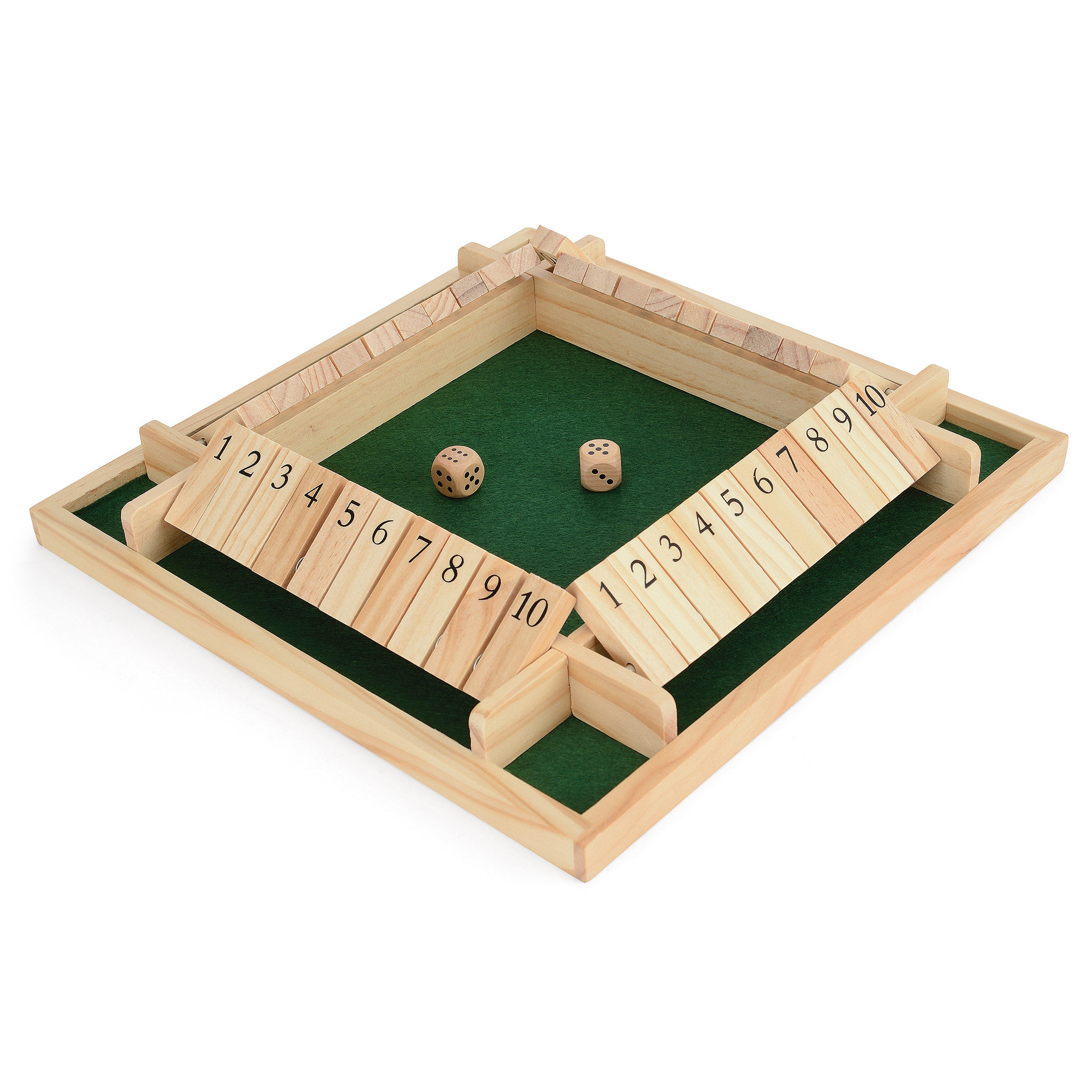
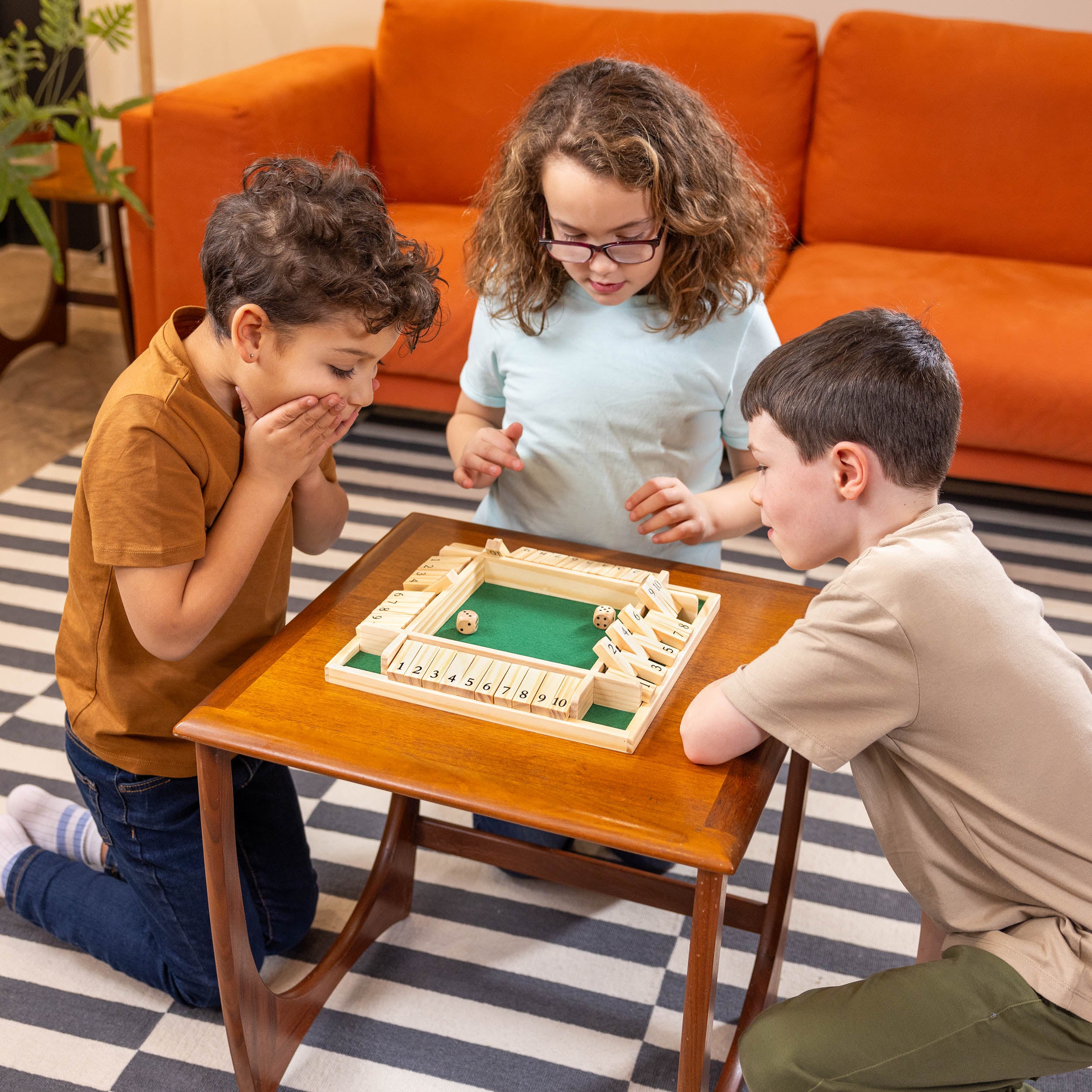
Board games that involve counting, scoring or recognising patterns help children develop early mathematical skills without feeling like they're doing schoolwork.
Activities such as sorting by colour, grouping objects or keeping score also encourage logical thinking and number recognition.

Explore Science Through Active Play
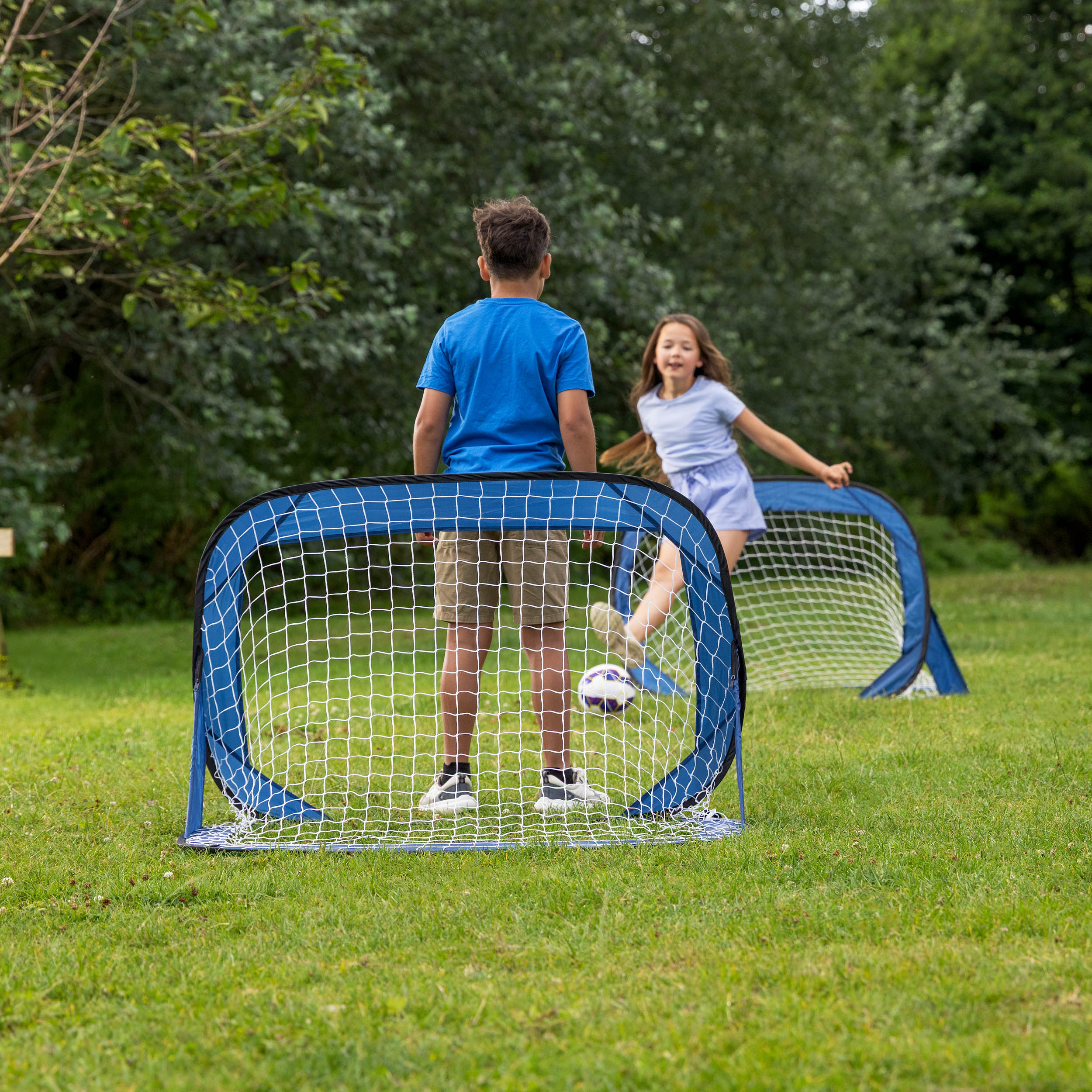
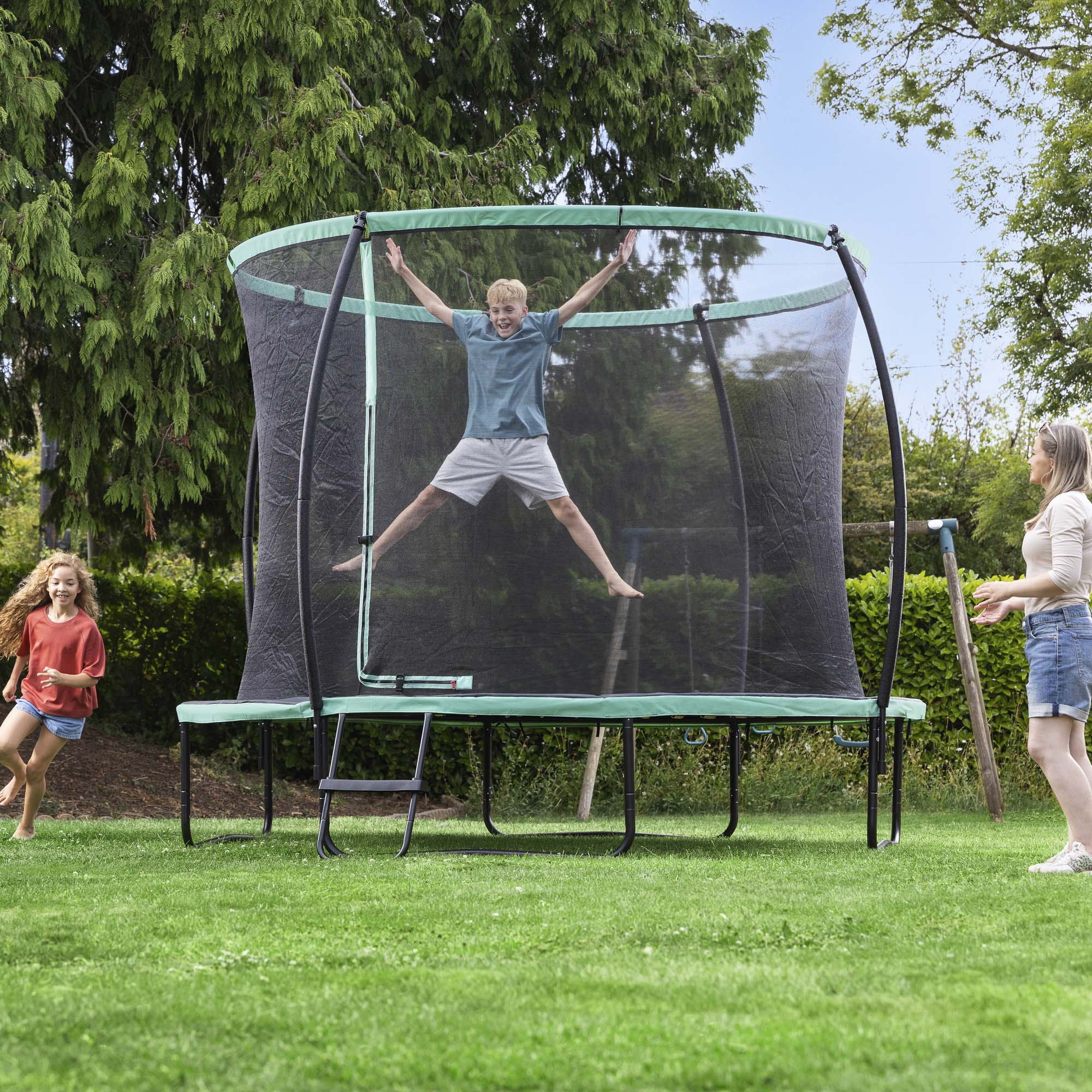
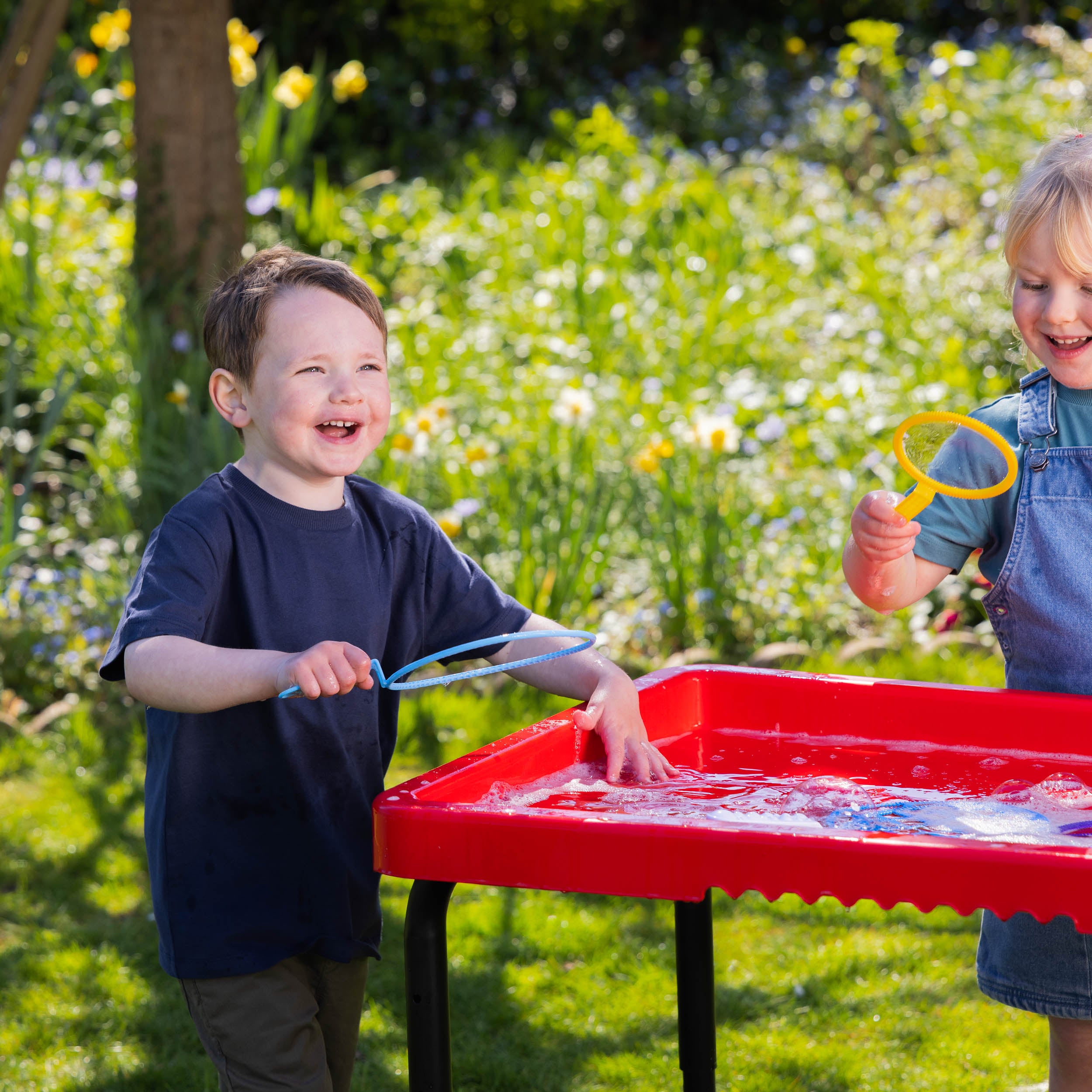
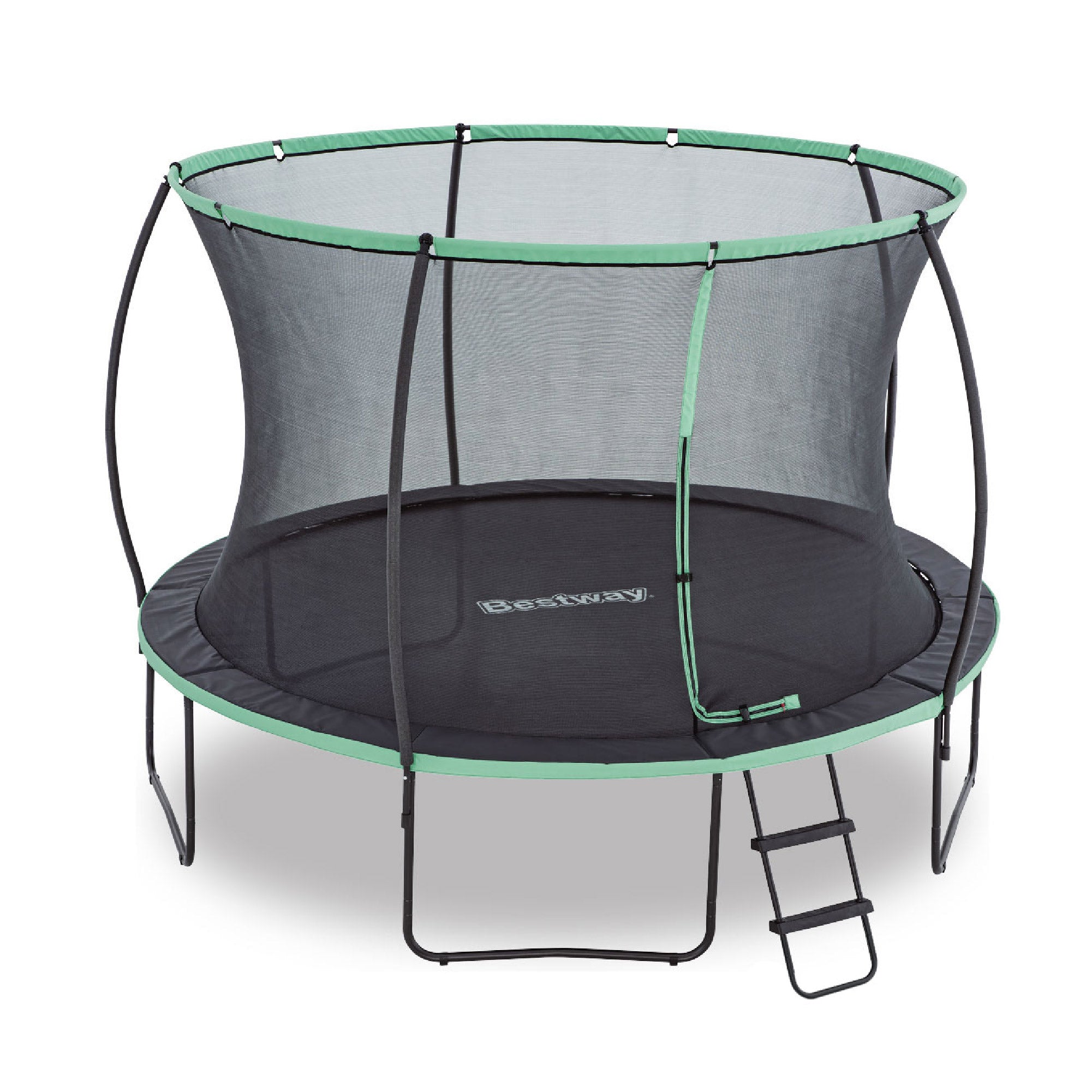
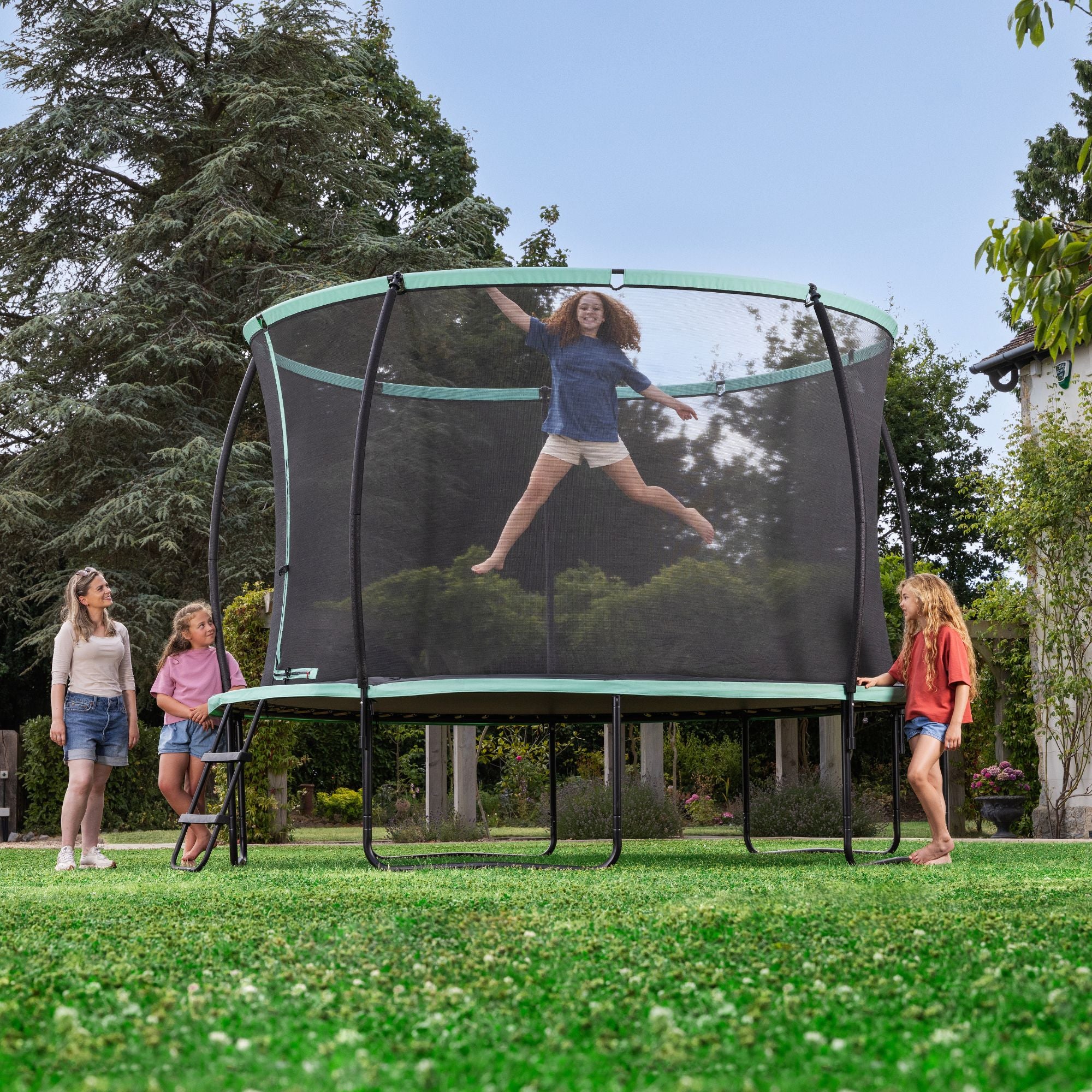
Active toys are a great way to introduce simple scientific concepts.
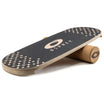
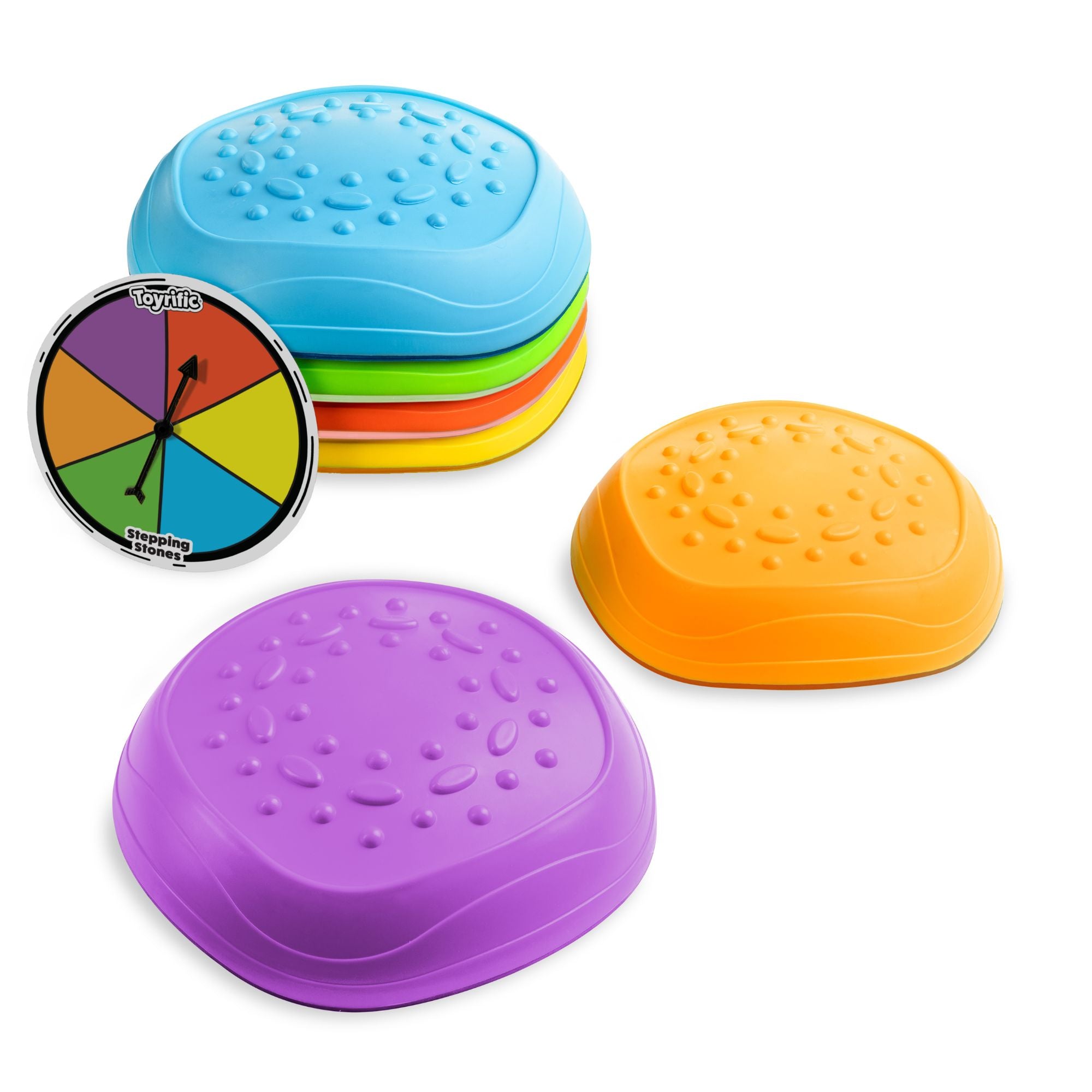
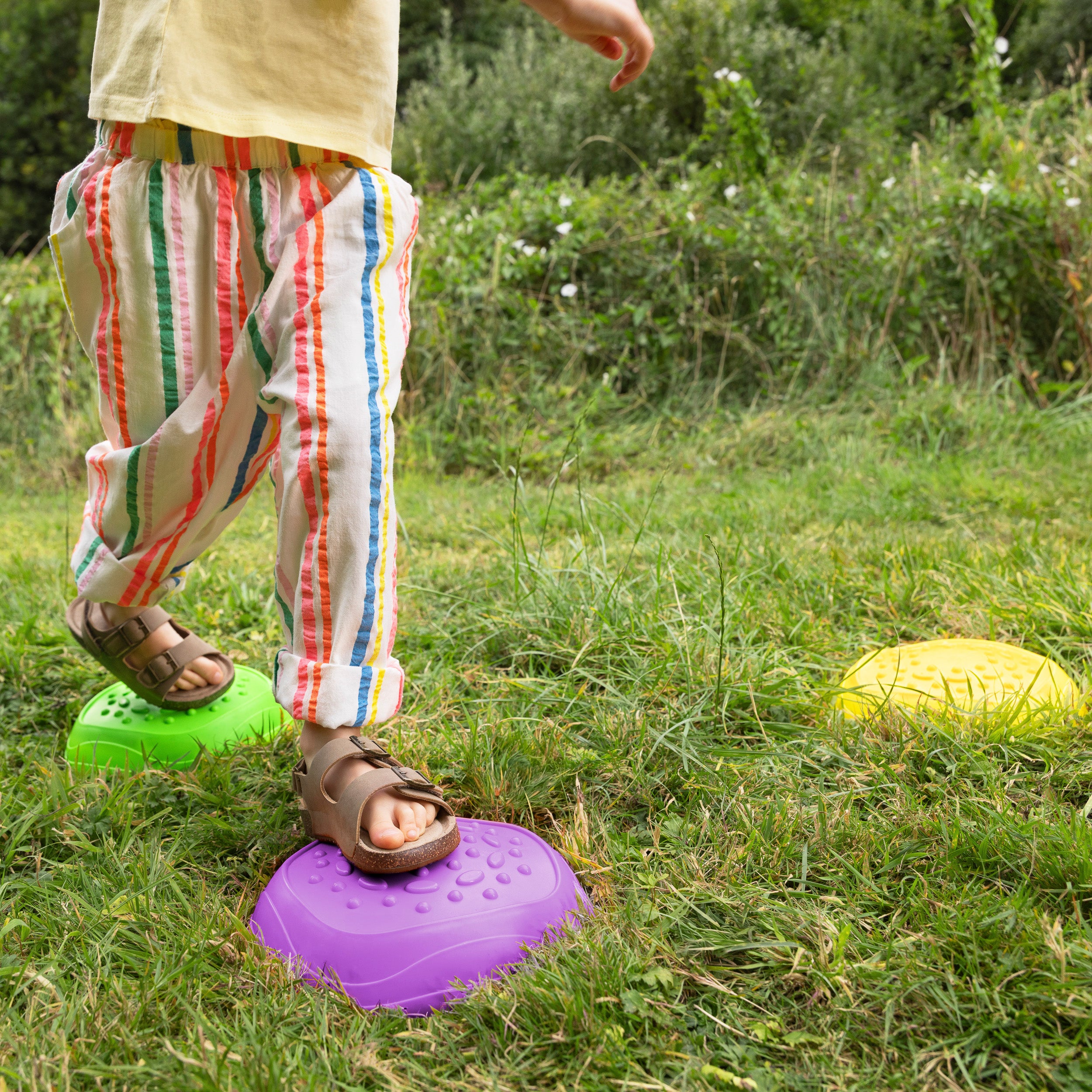
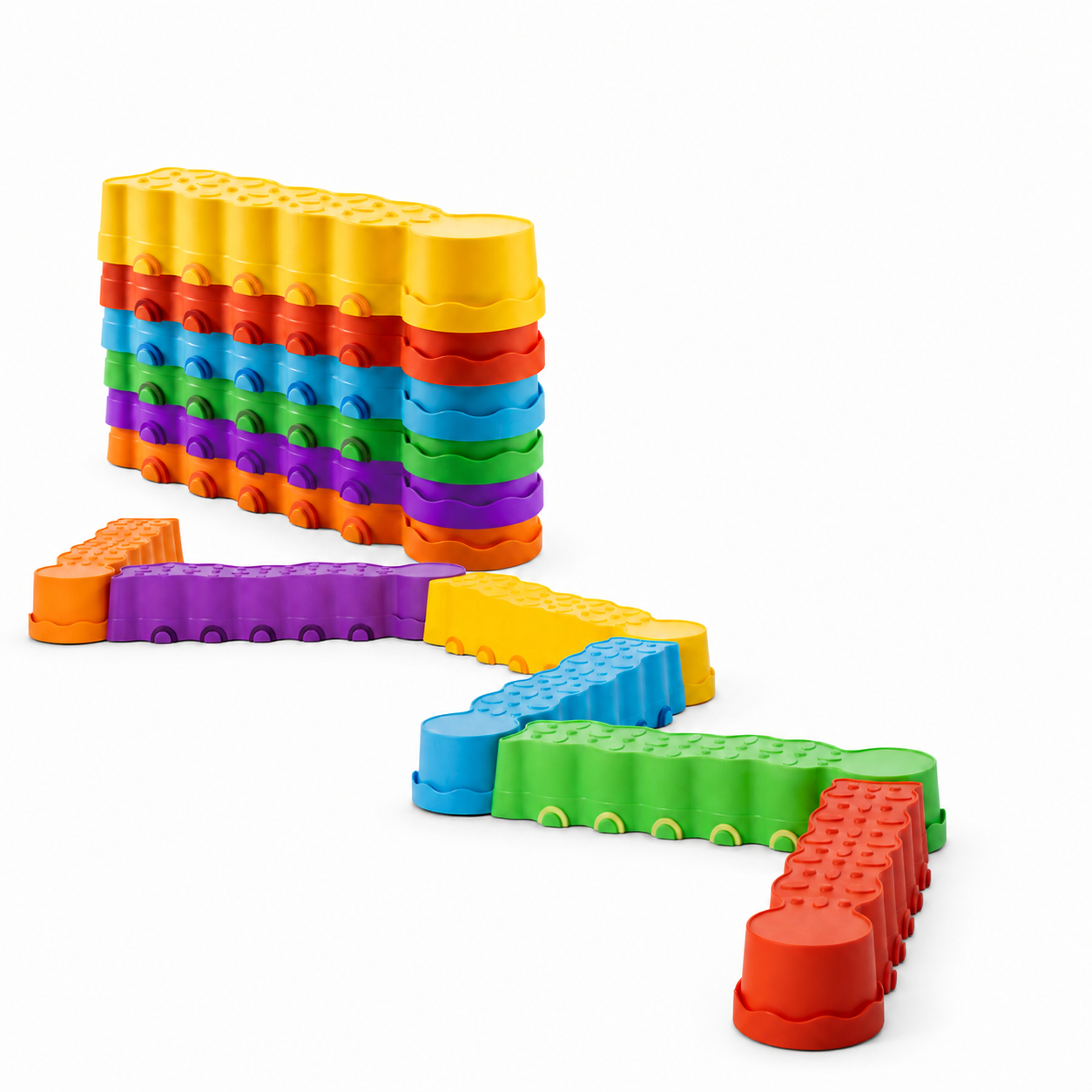
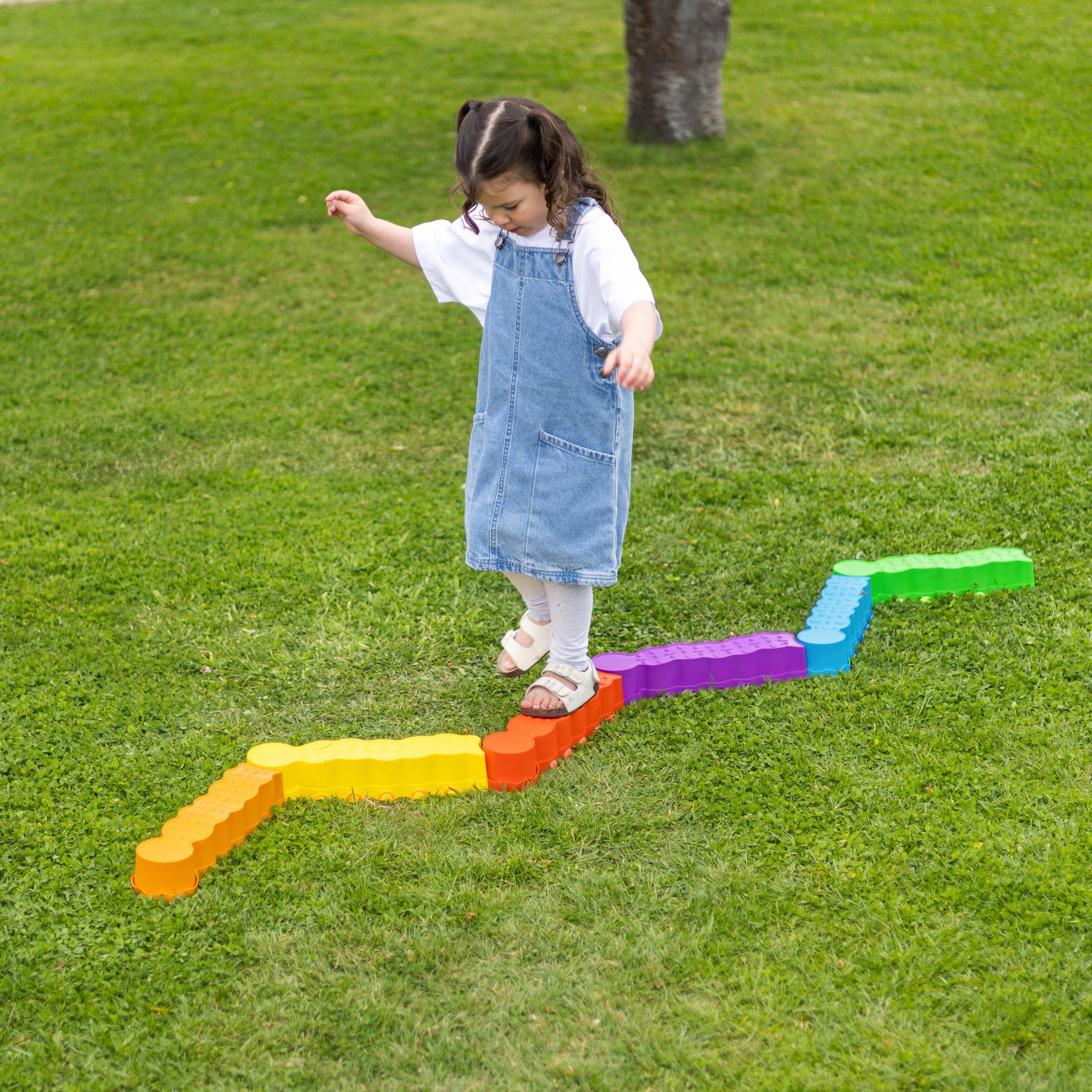
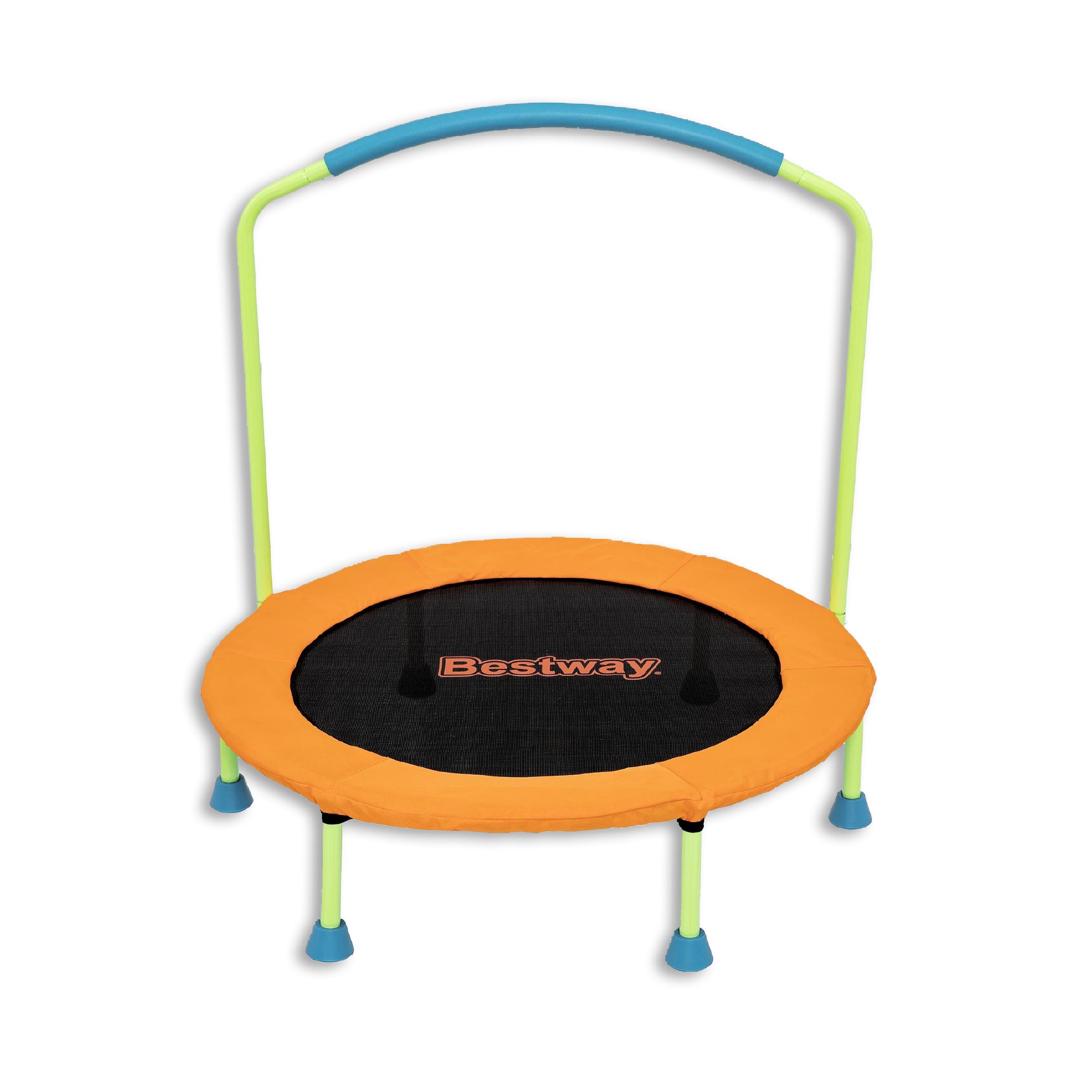
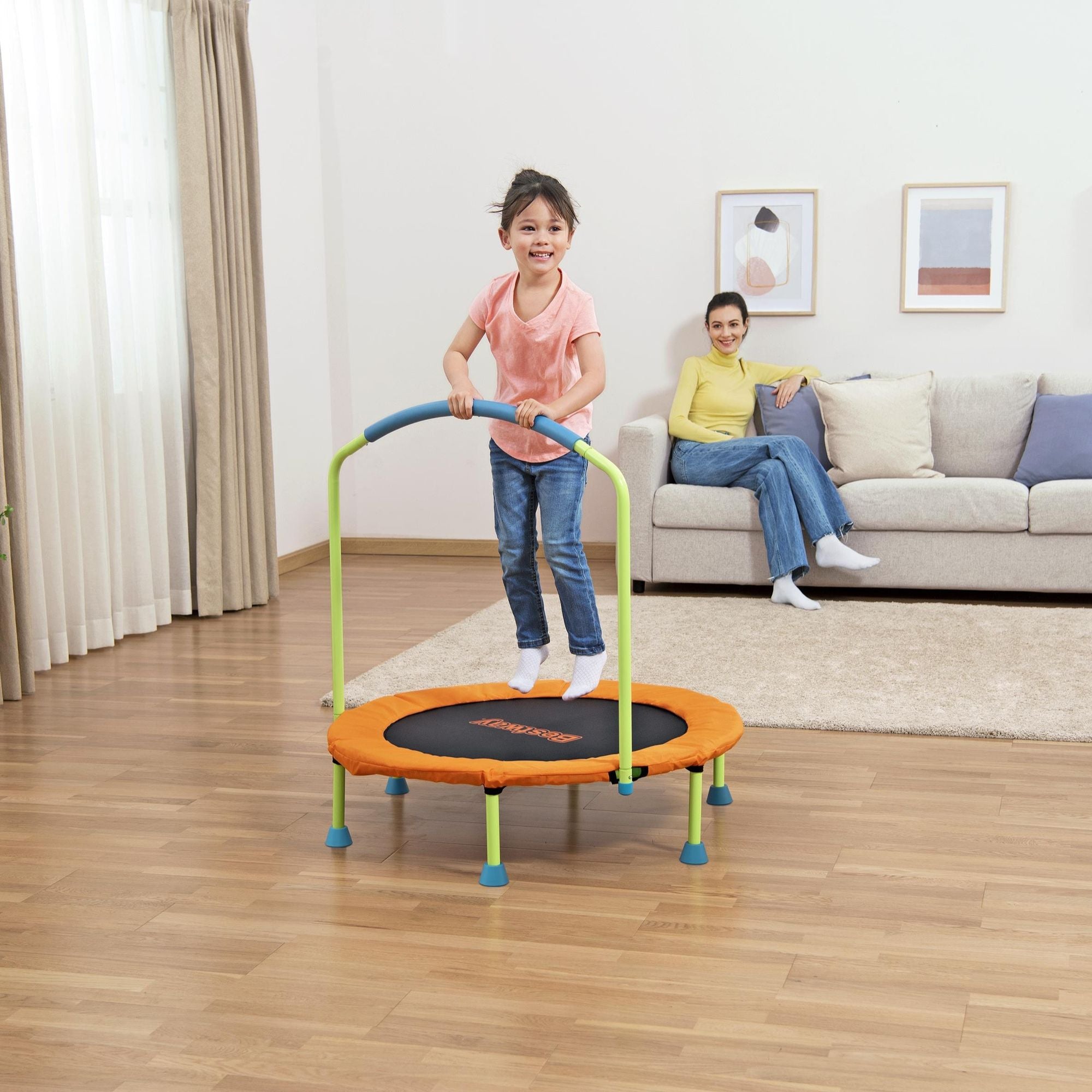
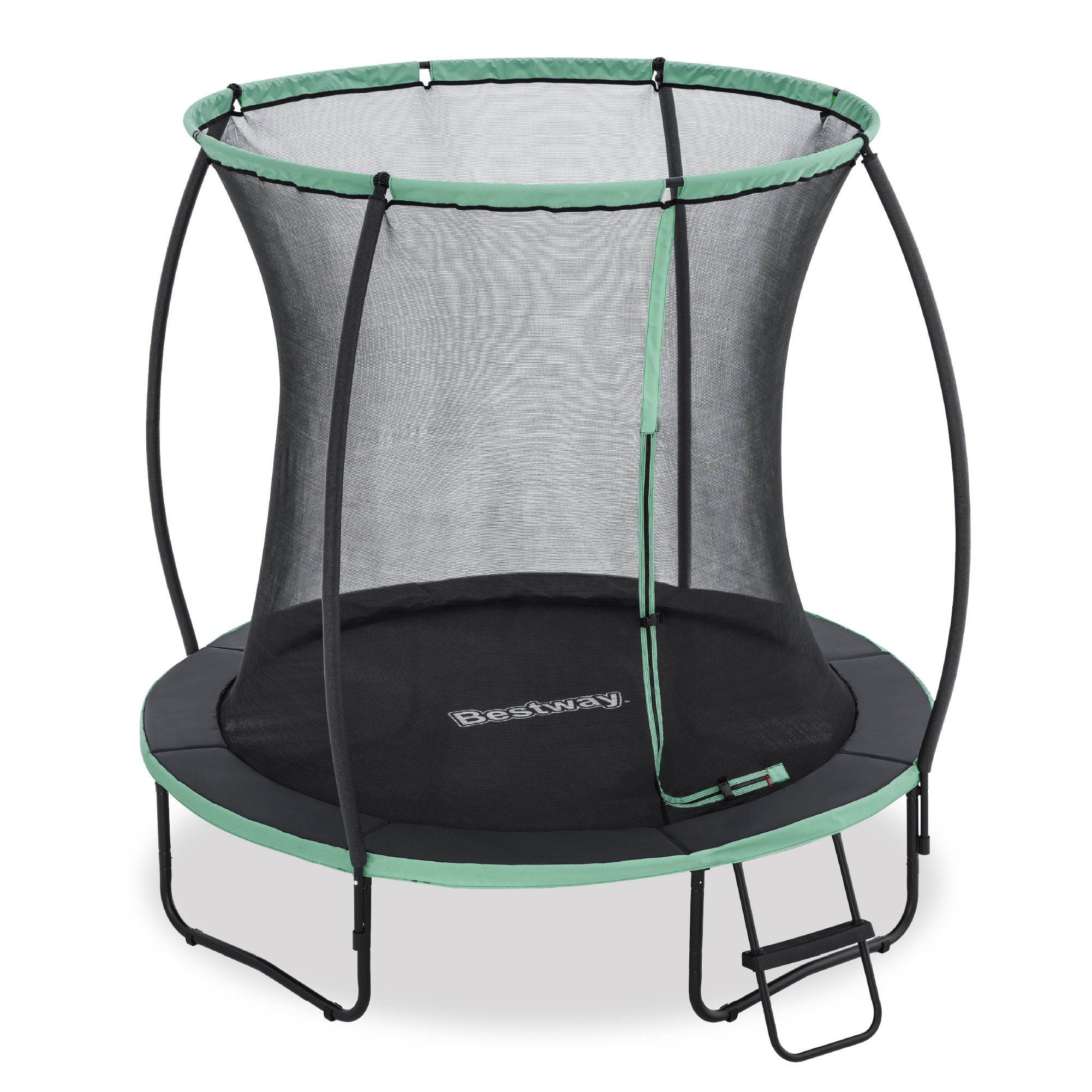
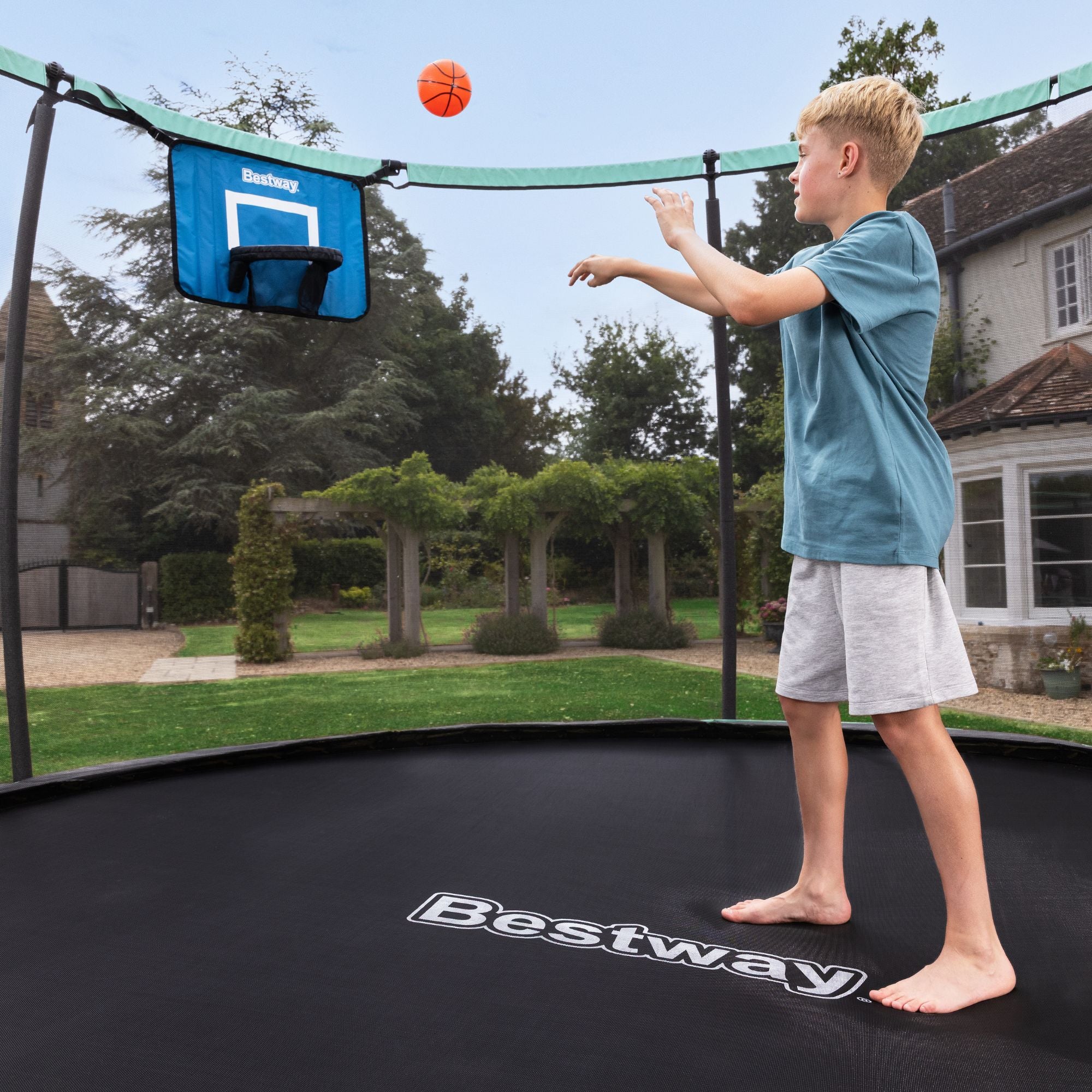
Balancing, rolling, pushing and jumping all help children explore ideas such as gravity, force, momentum and movement through first-hand experience.
Encourage curiosity by asking questions such as:
- Which moves faster?
- What happens if you start higher up?
- Why did that fall over?
- How could you make it more stable?
These conversations help children observe, predict and investigate, which are all key scientific skills.



Why Is STEM Play Important?
STEM play encourages children to become curious, confident learners. Rather than memorising facts, they learn how to explore ideas, solve problems and think creatively.
At Toyrific, we believe the best learning happens through play. With the right toys and a little curiosity, everyday playtime can become an exciting opportunity to discover, experiment and grow.