


Smart Play: Toys That Help Children Think & Solve
Problem-solving is an important skill that begins developing from an early age. Whether they're building a tower, completing a puzzle or working out how to balance on stepping stones, children learn by exploring, experimenting and trying new ideas.
The right toys can encourage children to think critically, build confidence and develop resilience, all while having fun.
How Does Play Help Children Develop Problem-Solving Skills?
Play gives children opportunities to test ideas, overcome challenges and learn through trial and error. Every time something doesn't go to plan, they adapt their approach and discover new ways to solve problems.
These everyday experiences help children develop:
- Critical thinking
- Decision-making skills
- Creativity
- Patience and perseverance
- Confidence to try again
The Best Toys for Problem-Solving
Many everyday toys naturally encourage children to think, plan and experiment.
Building and Stacking Toys
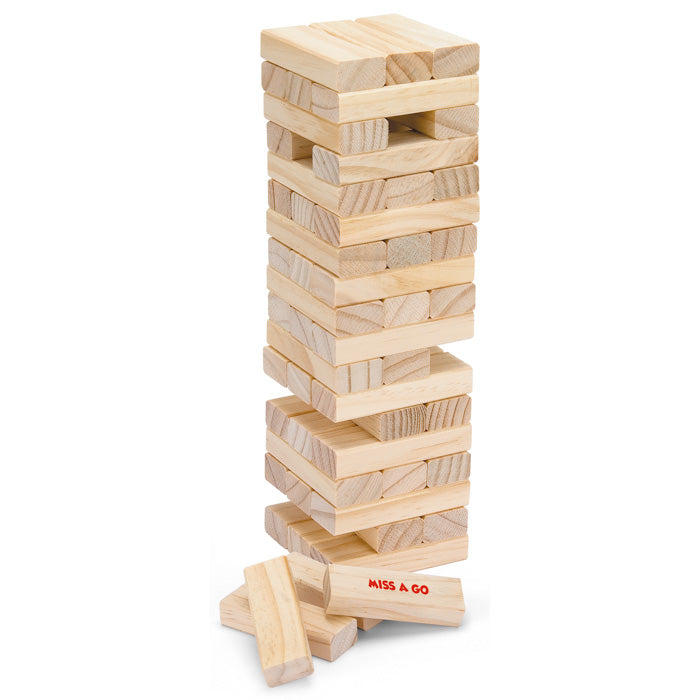
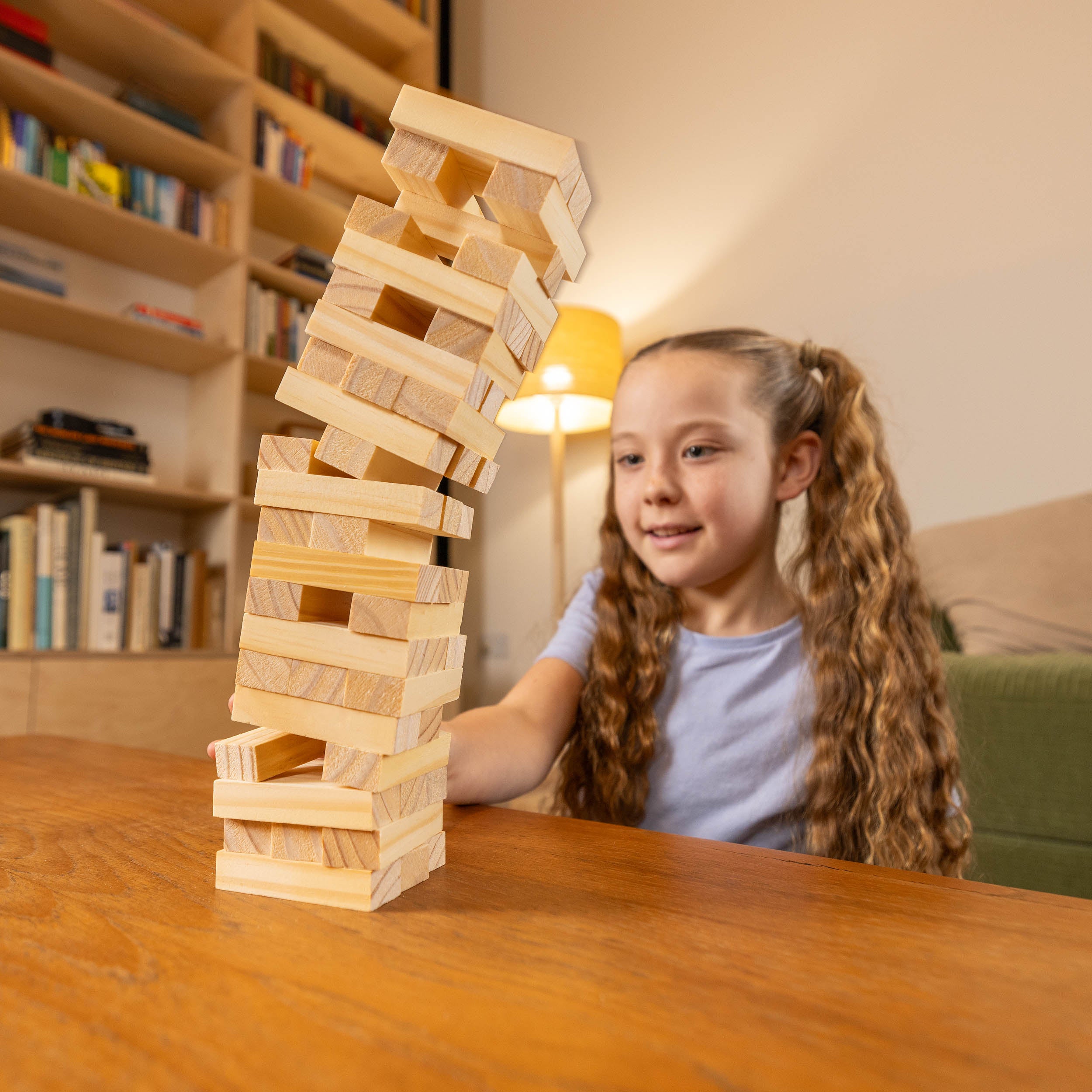
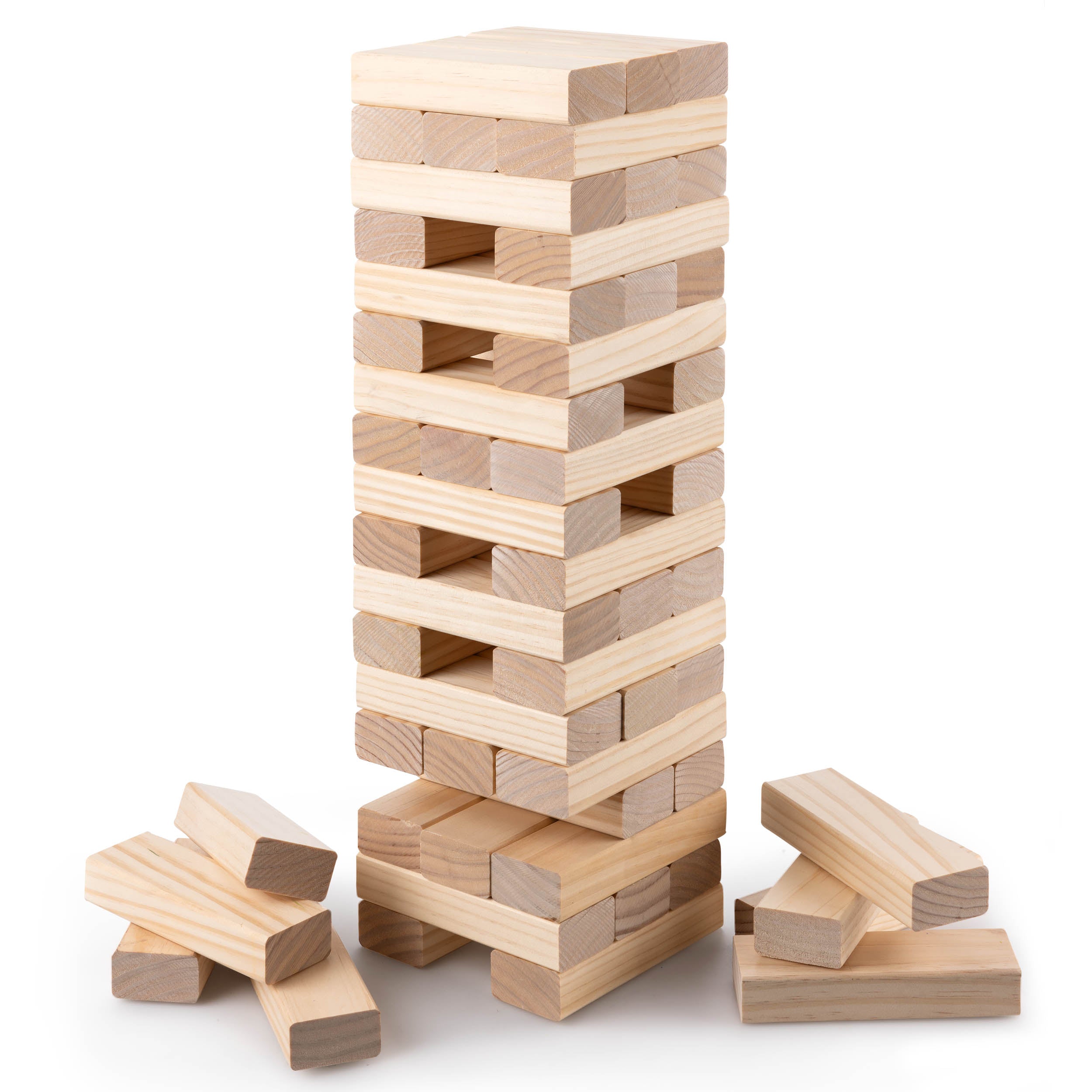
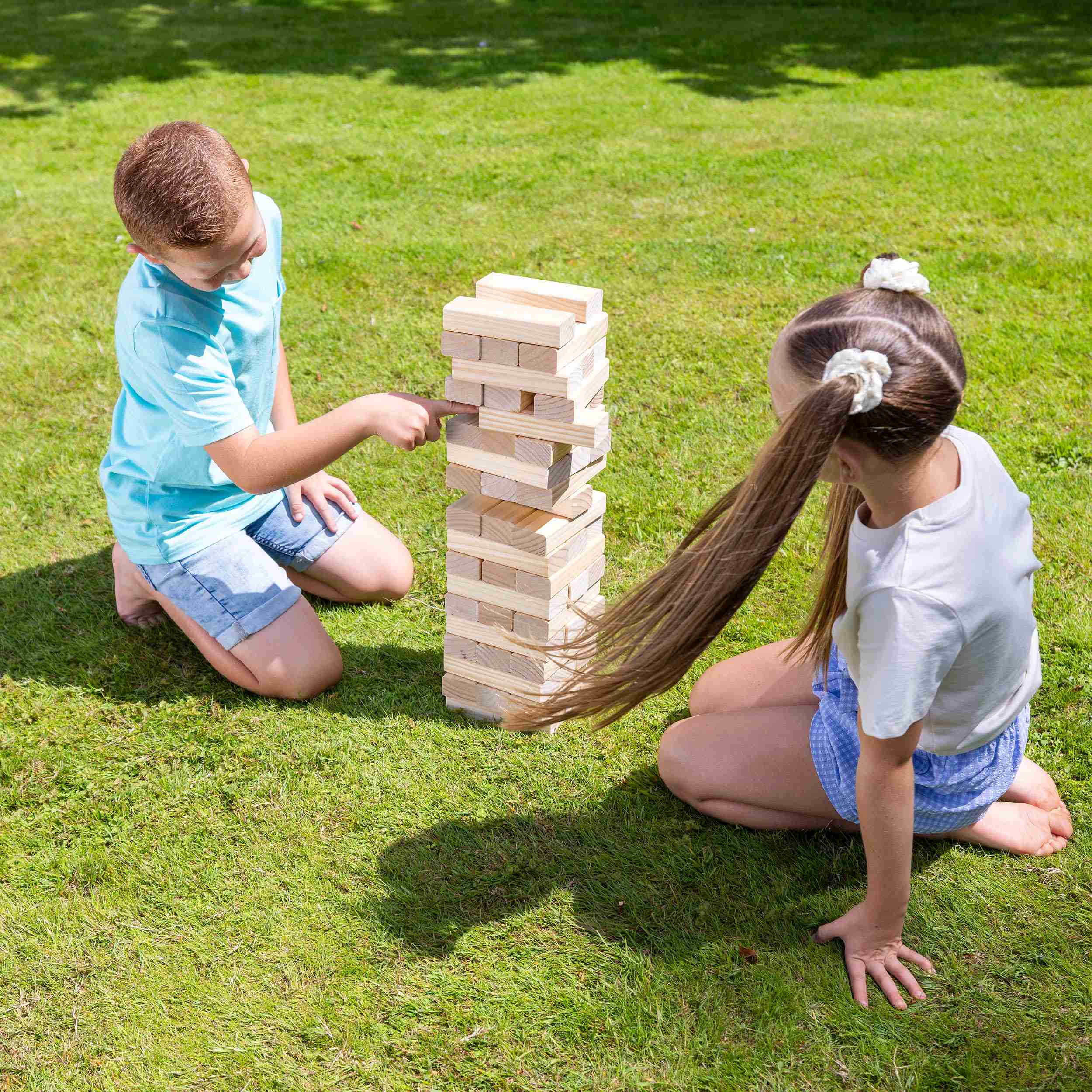
Construction toys and stacking games, such as Stack 'N' Fall, encourage children to plan ahead, test different ideas and rebuild when things don't go as expected.
As towers wobble or collapse, children learn to adjust their approach and discover that mistakes are simply part of learning.
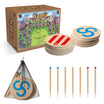
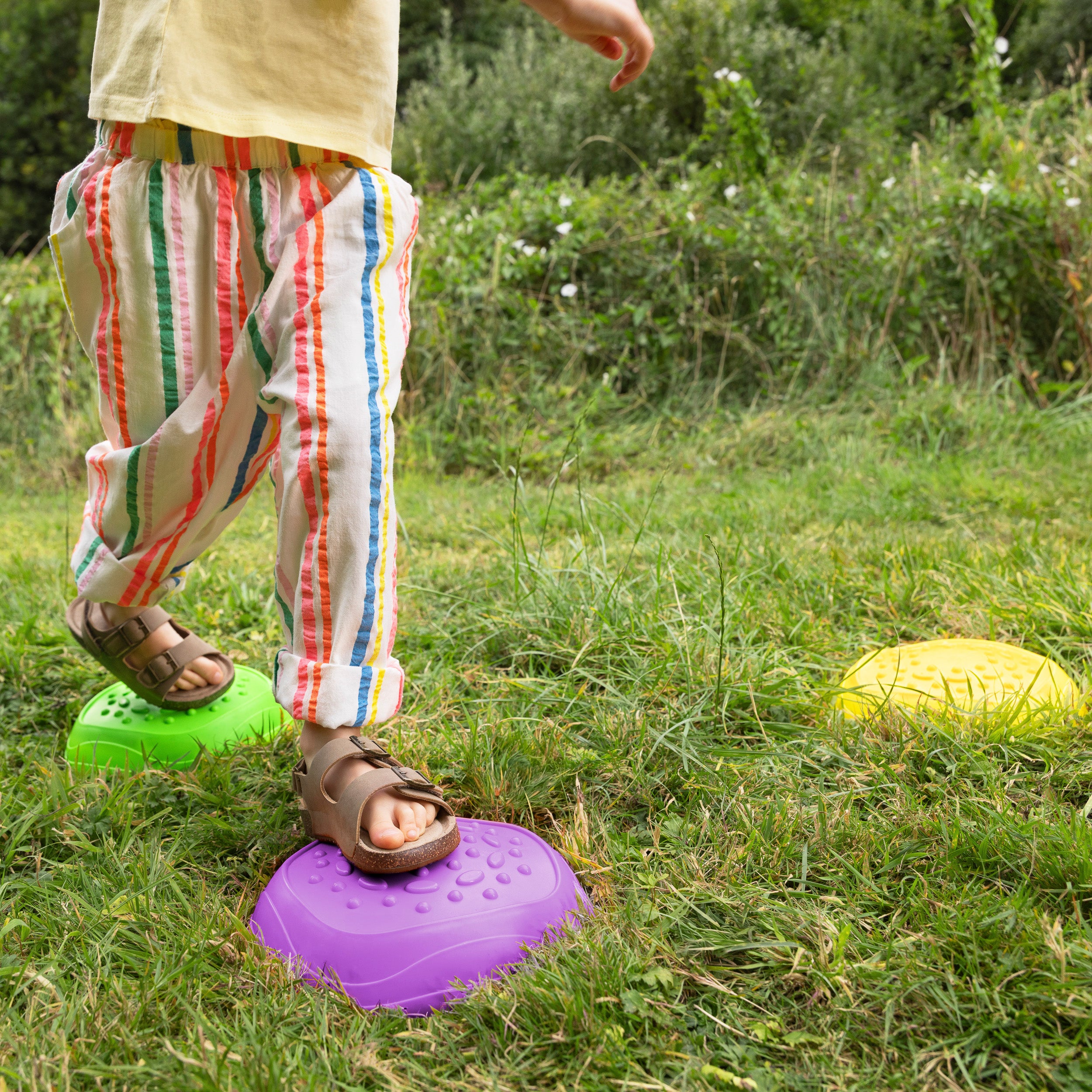
Toyrific Stepping Stones and Stepping Beams
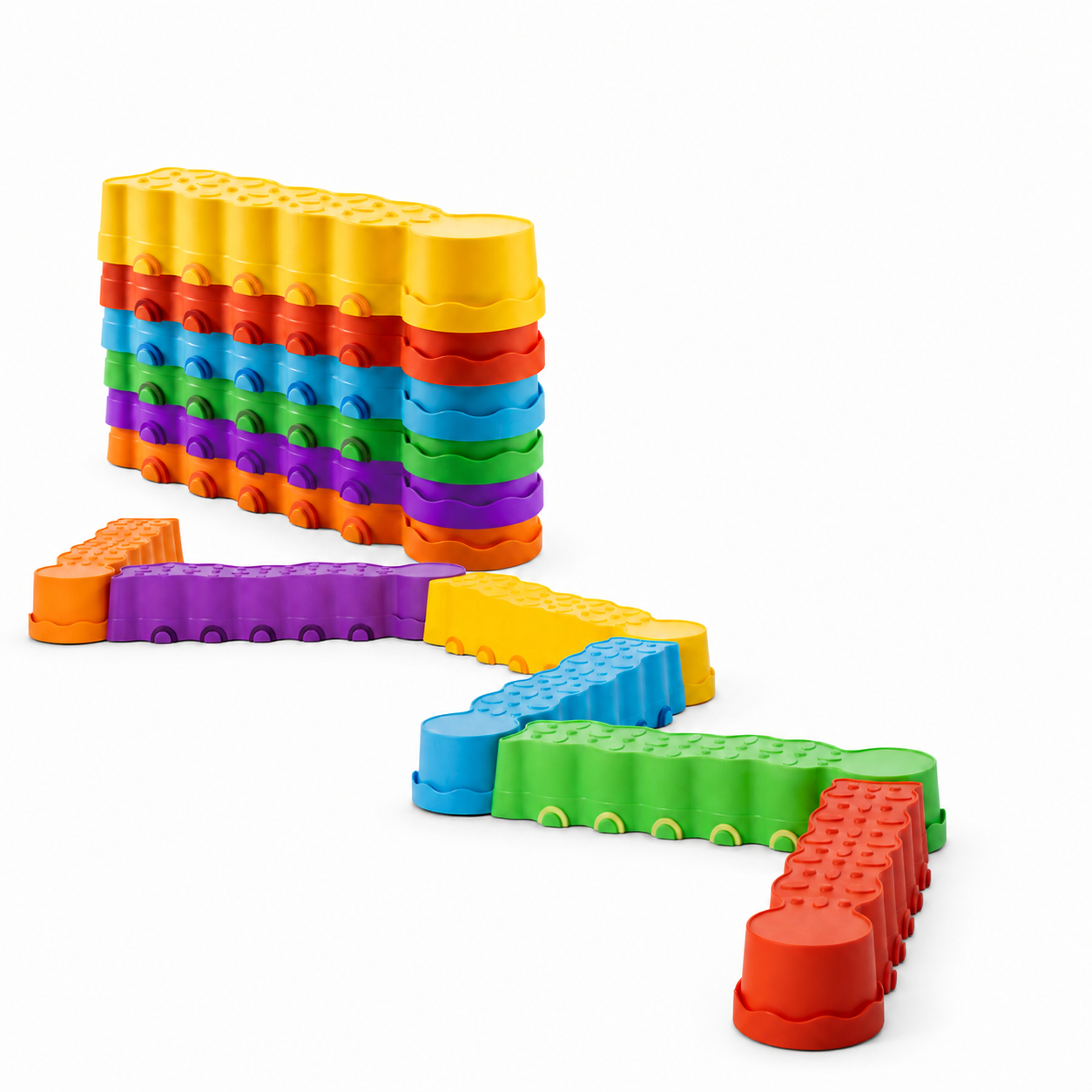
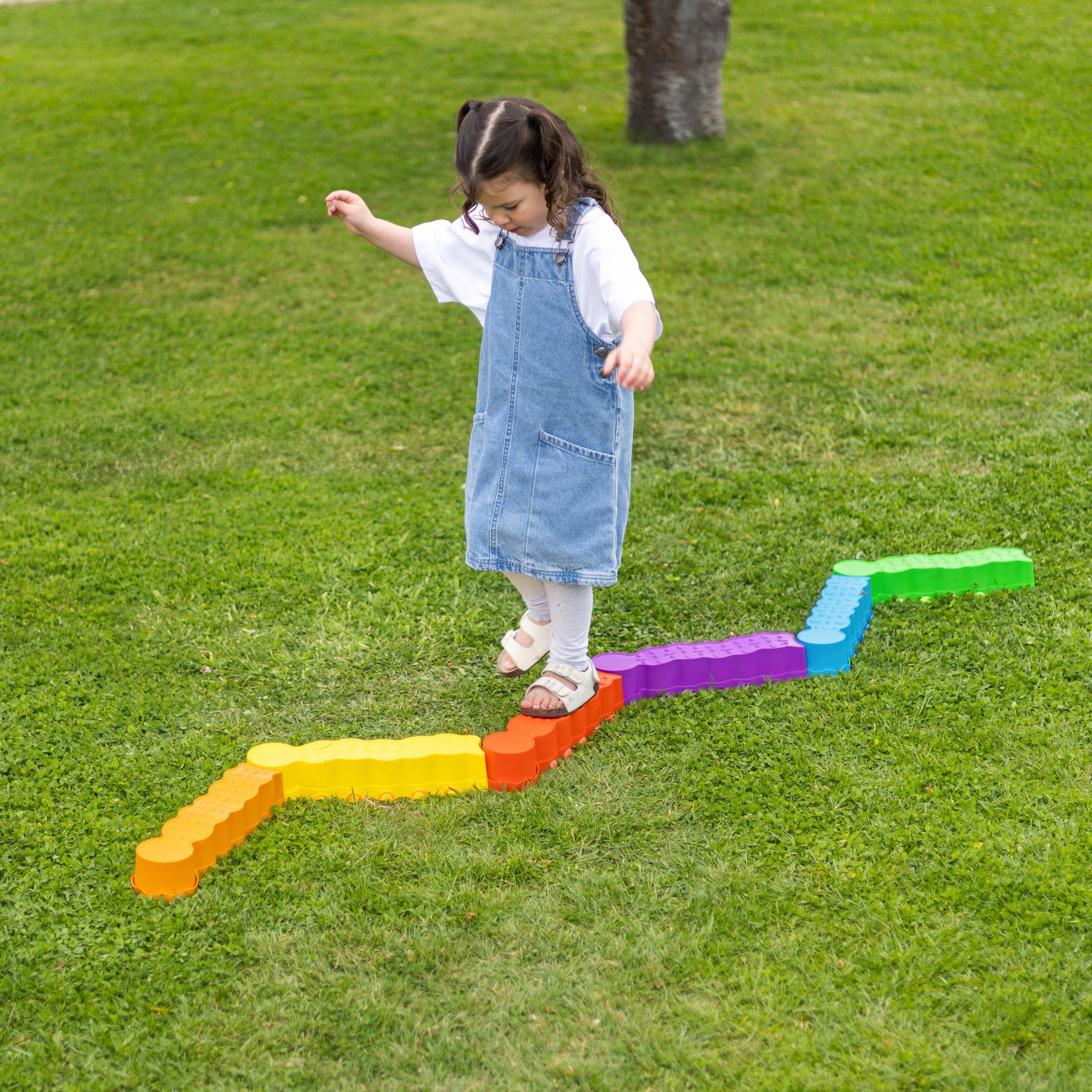
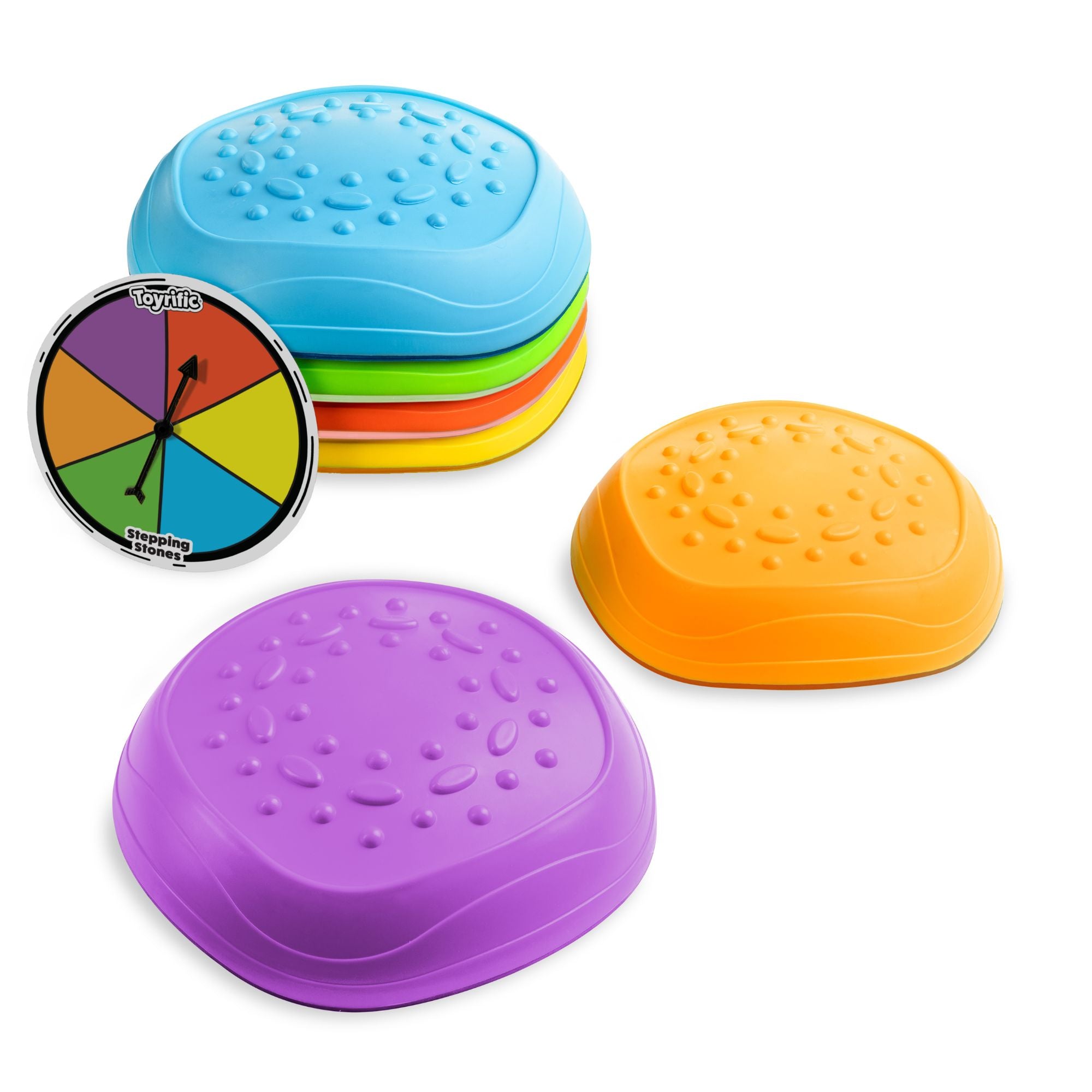
Toyrific Stepping Stones and Stepping Beams turn active play into a fun problem-solving challenge. As children plan obstacle courses, choose where to position each piece and work out how to move safely between them, they develop spatial awareness, coordination and critical-thinking skills. Experimenting with different layouts also encourages creativity, perseverance and confidence as children adapt their ideas and discover new ways to complete each course.
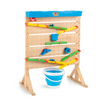
Toyrific Water Wall
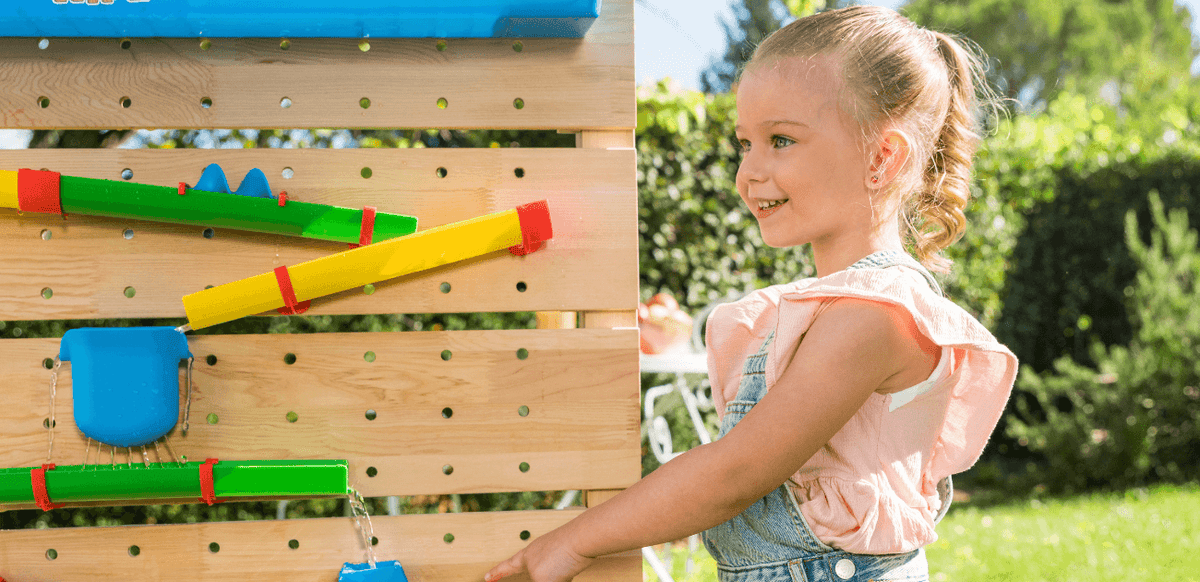
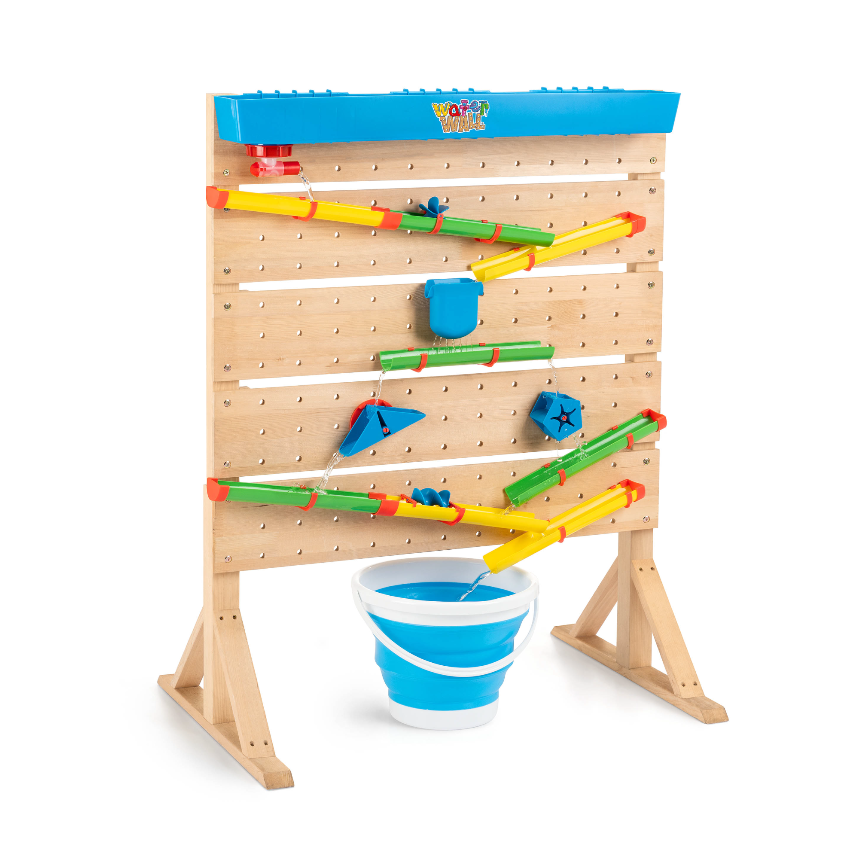
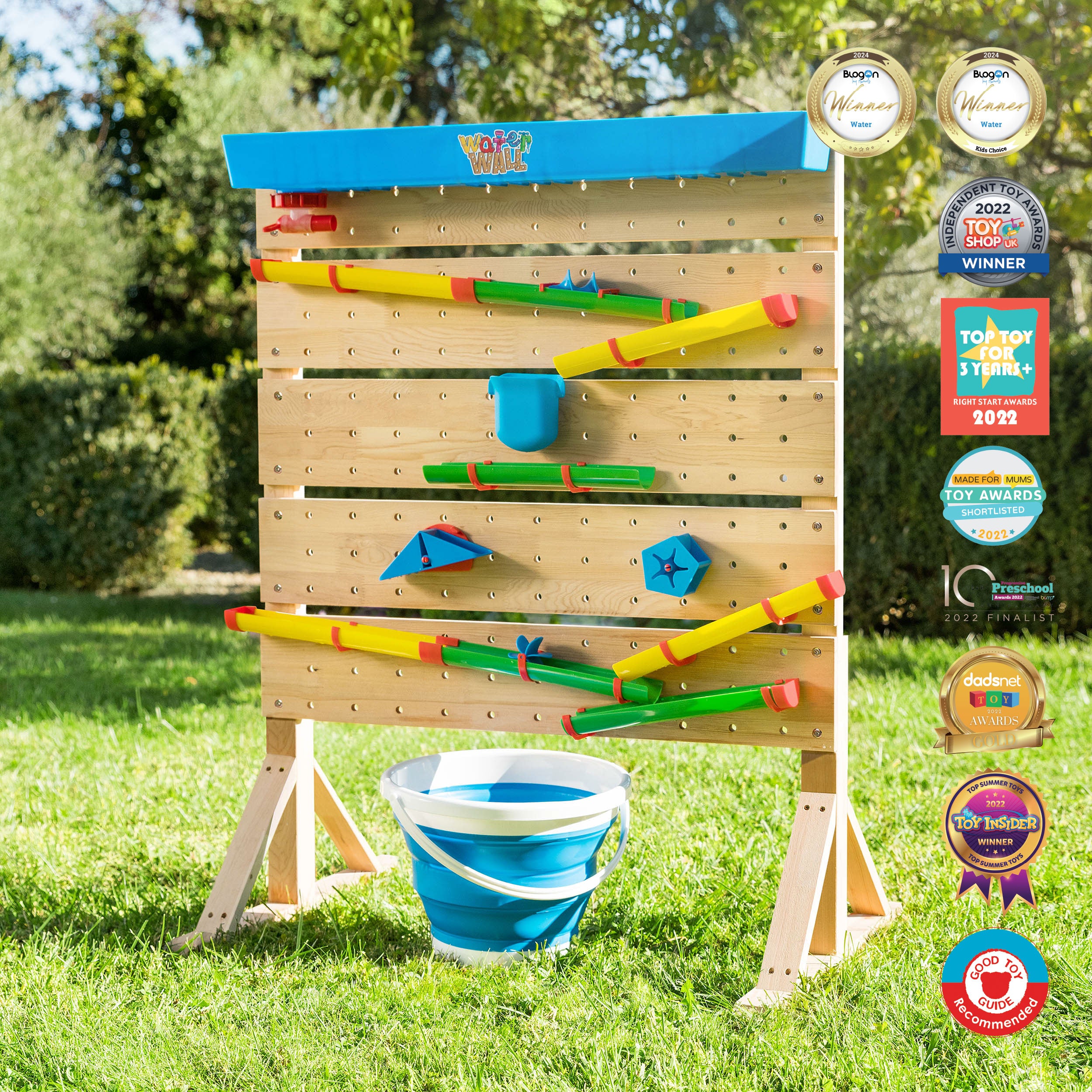
The Toyrific Water Wall introduces children to cause and effect through hands-on exploration.
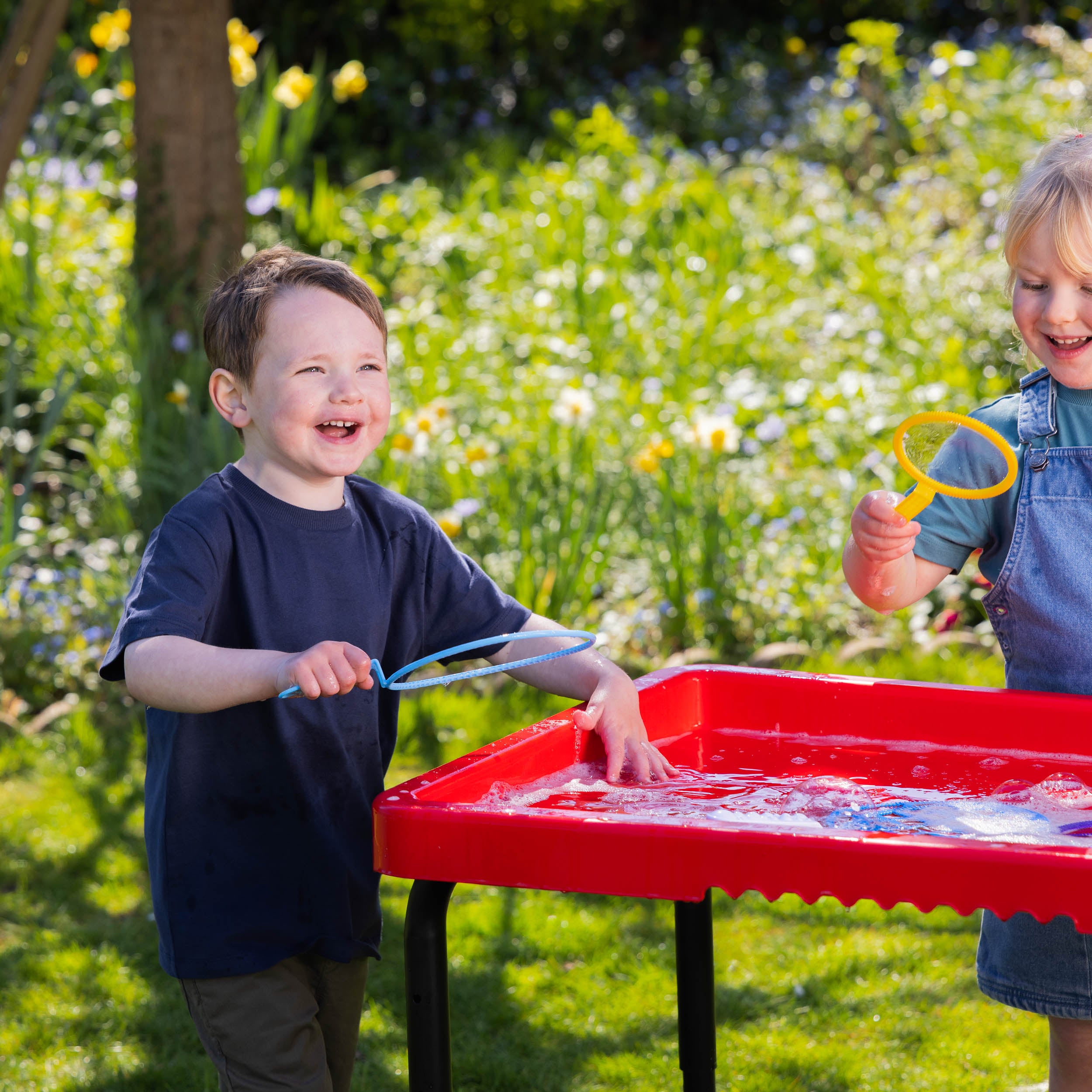
By experimenting with water flow, angles and different routes, children discover how small changes create different outcomes while developing curiosity and scientific thinking.
Active Play Toys
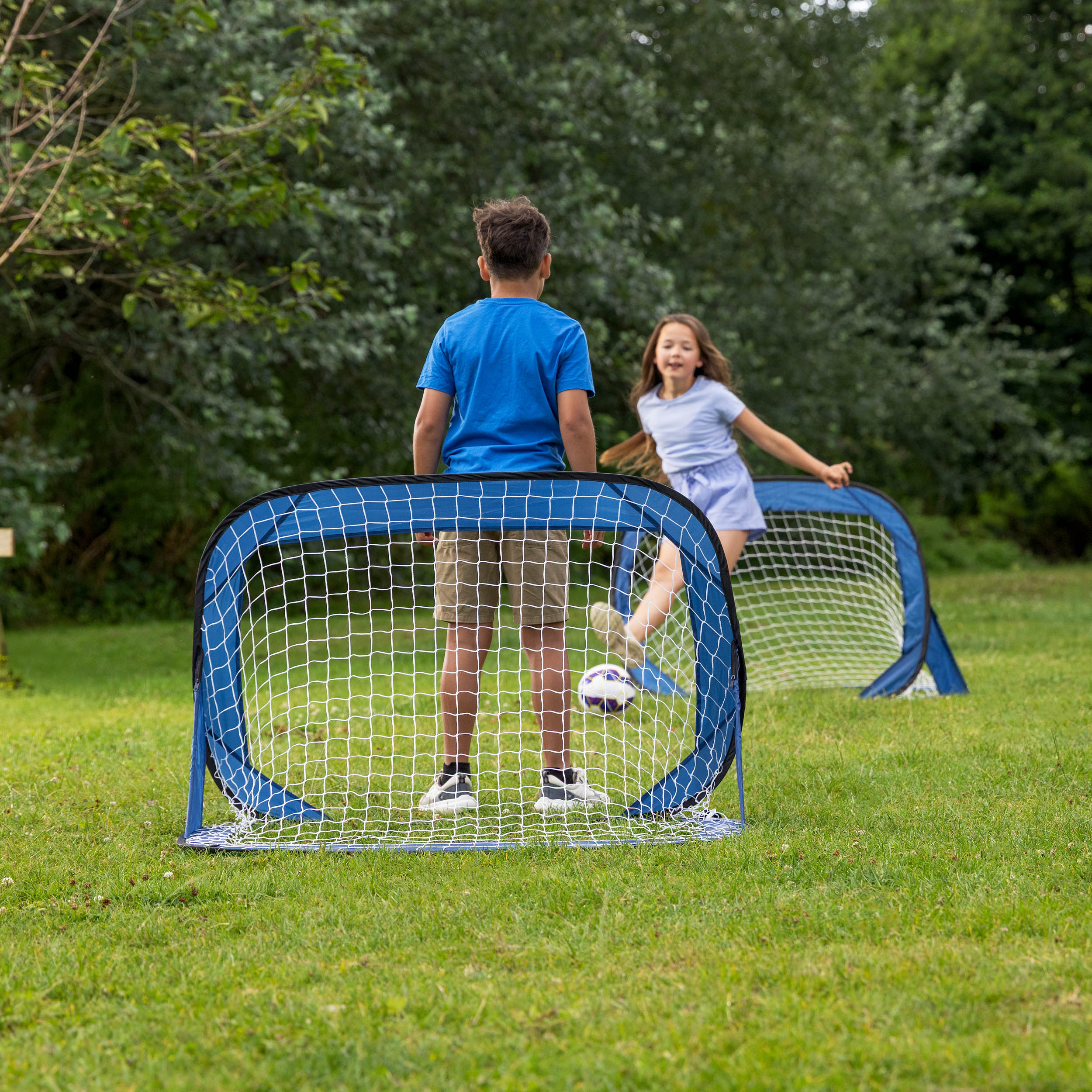
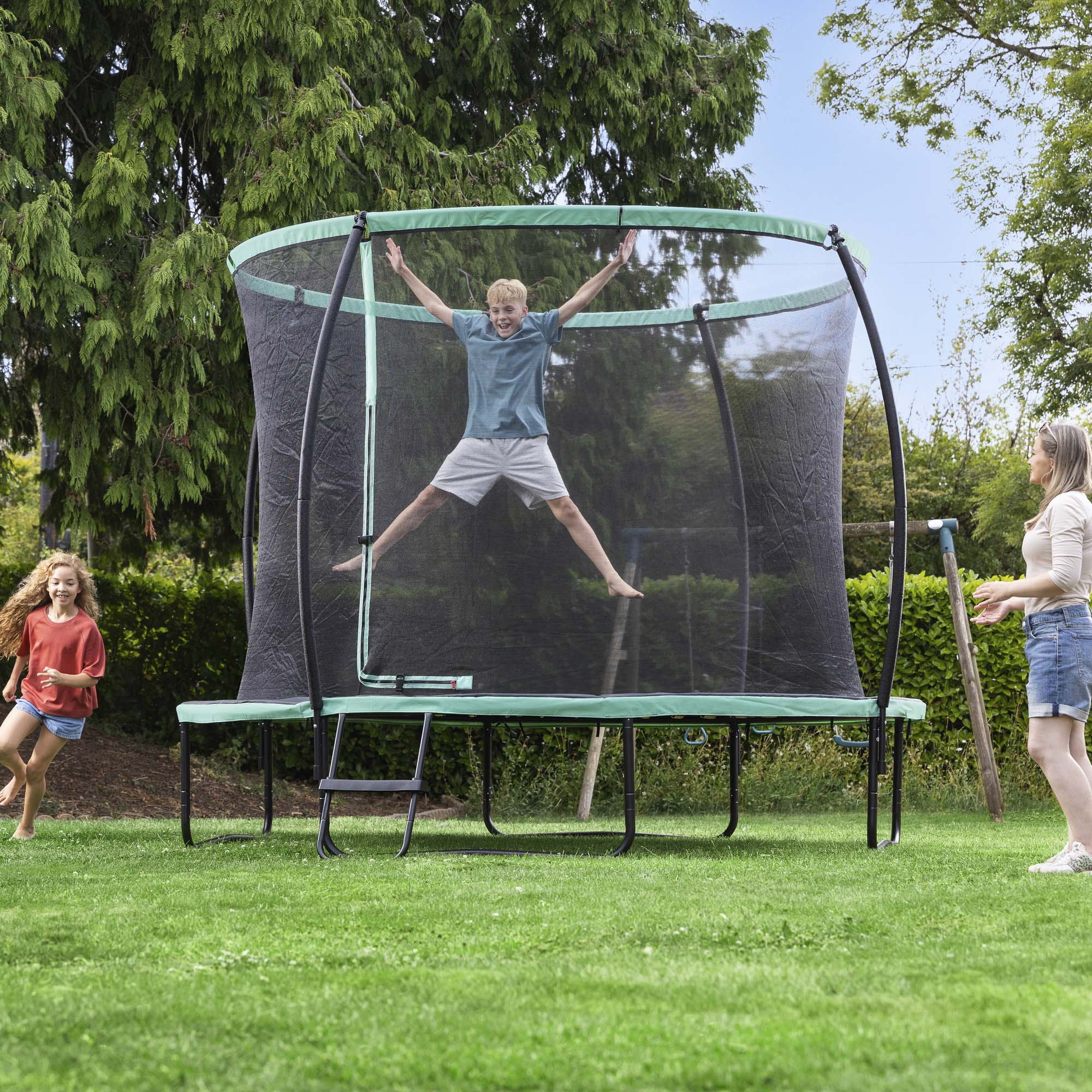
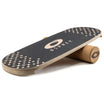
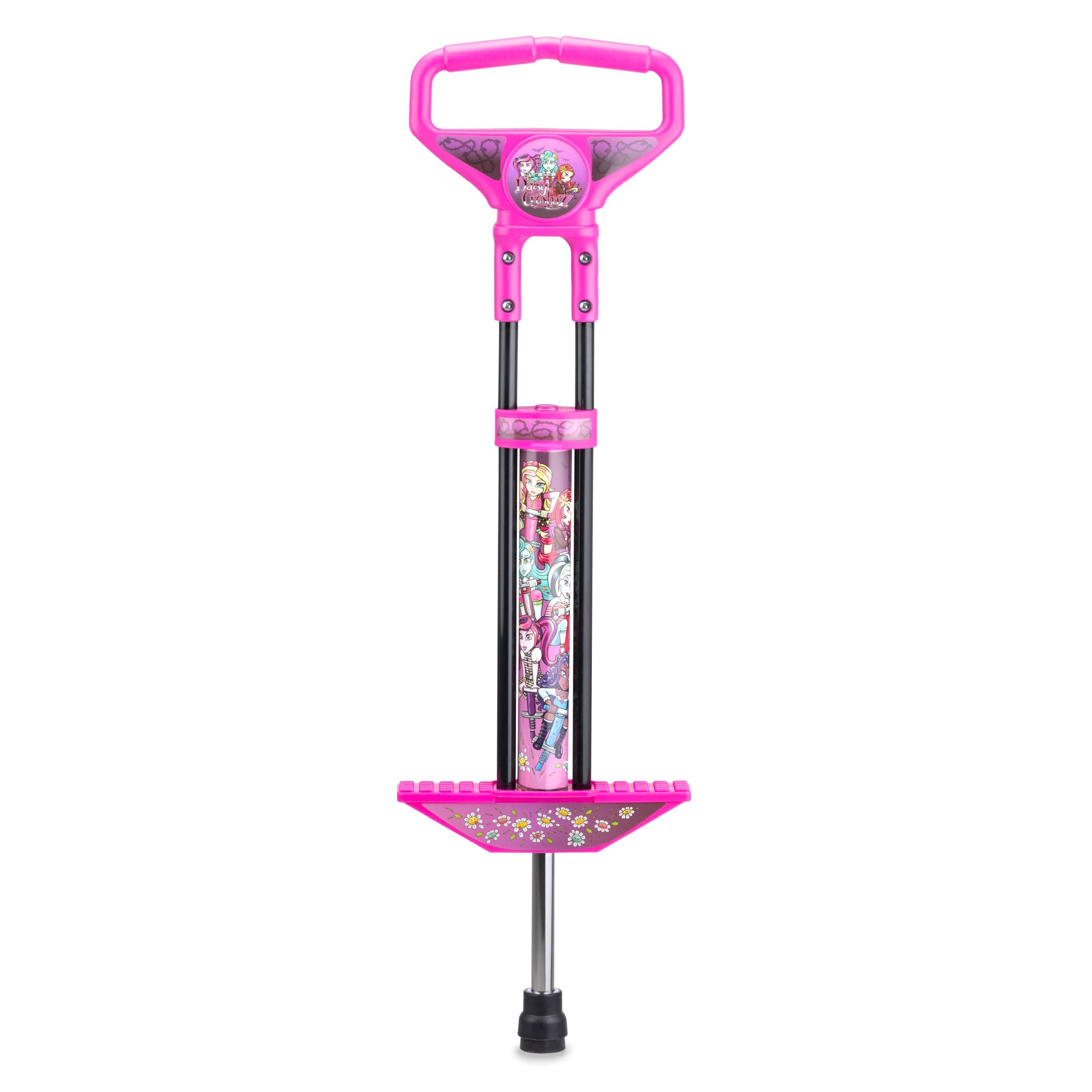
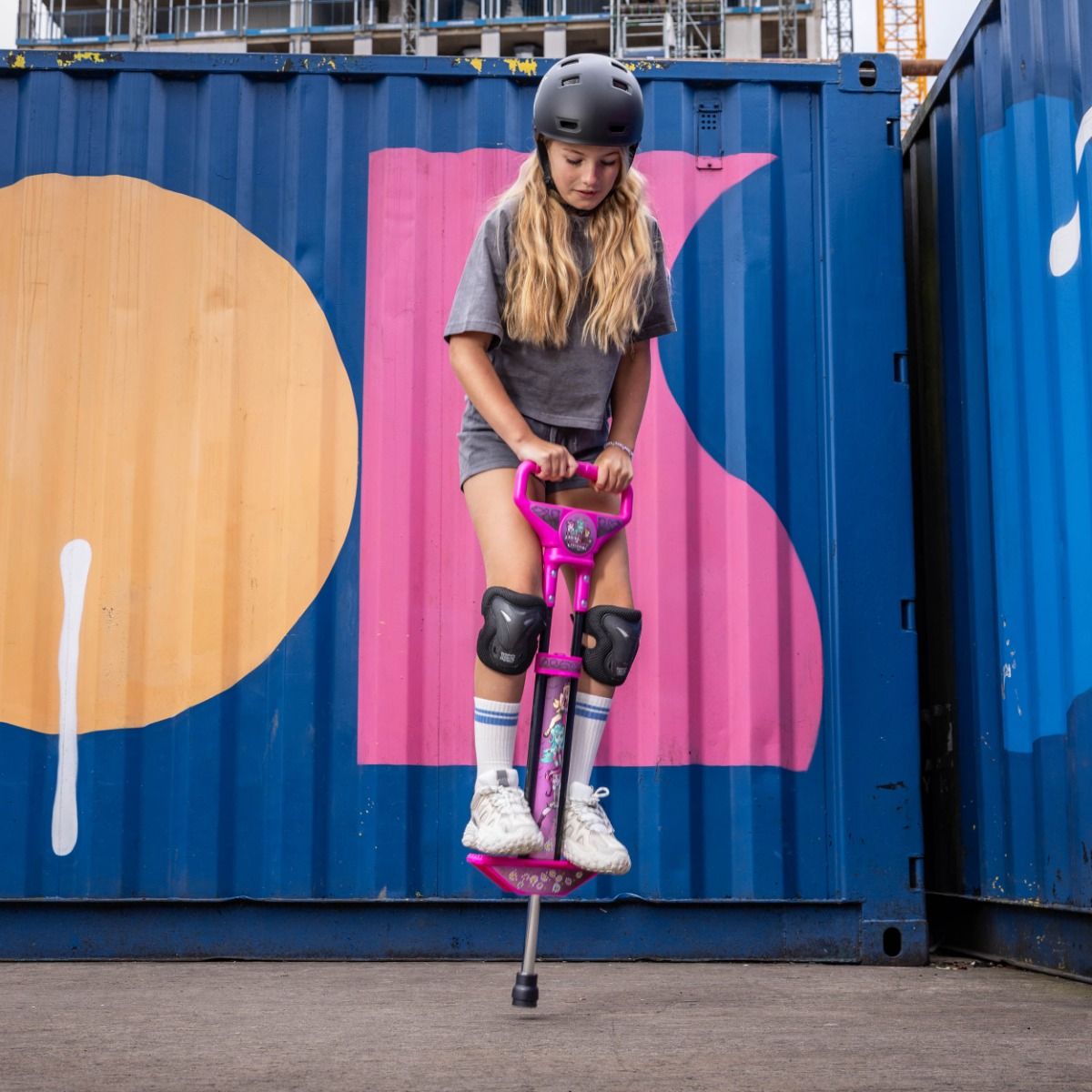
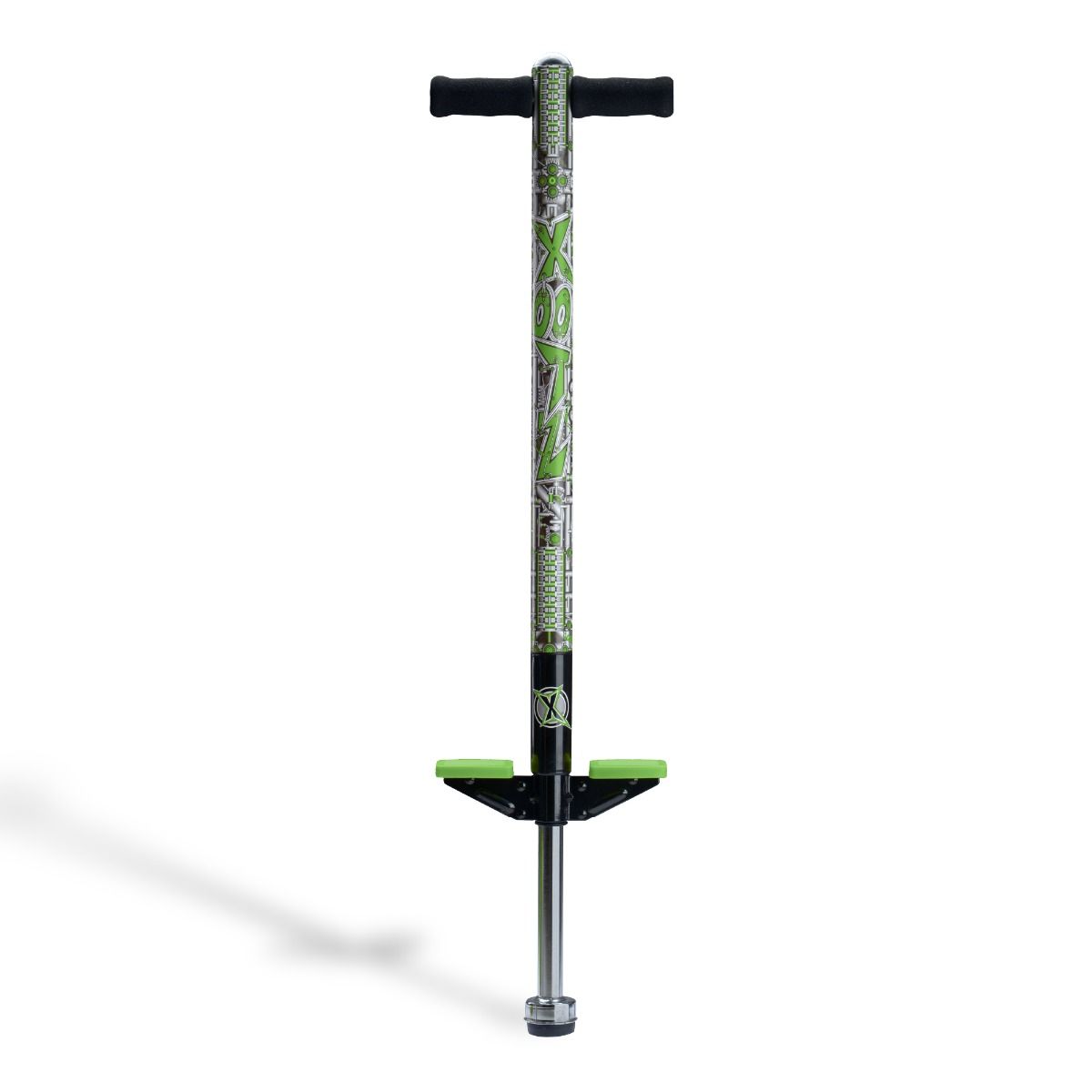
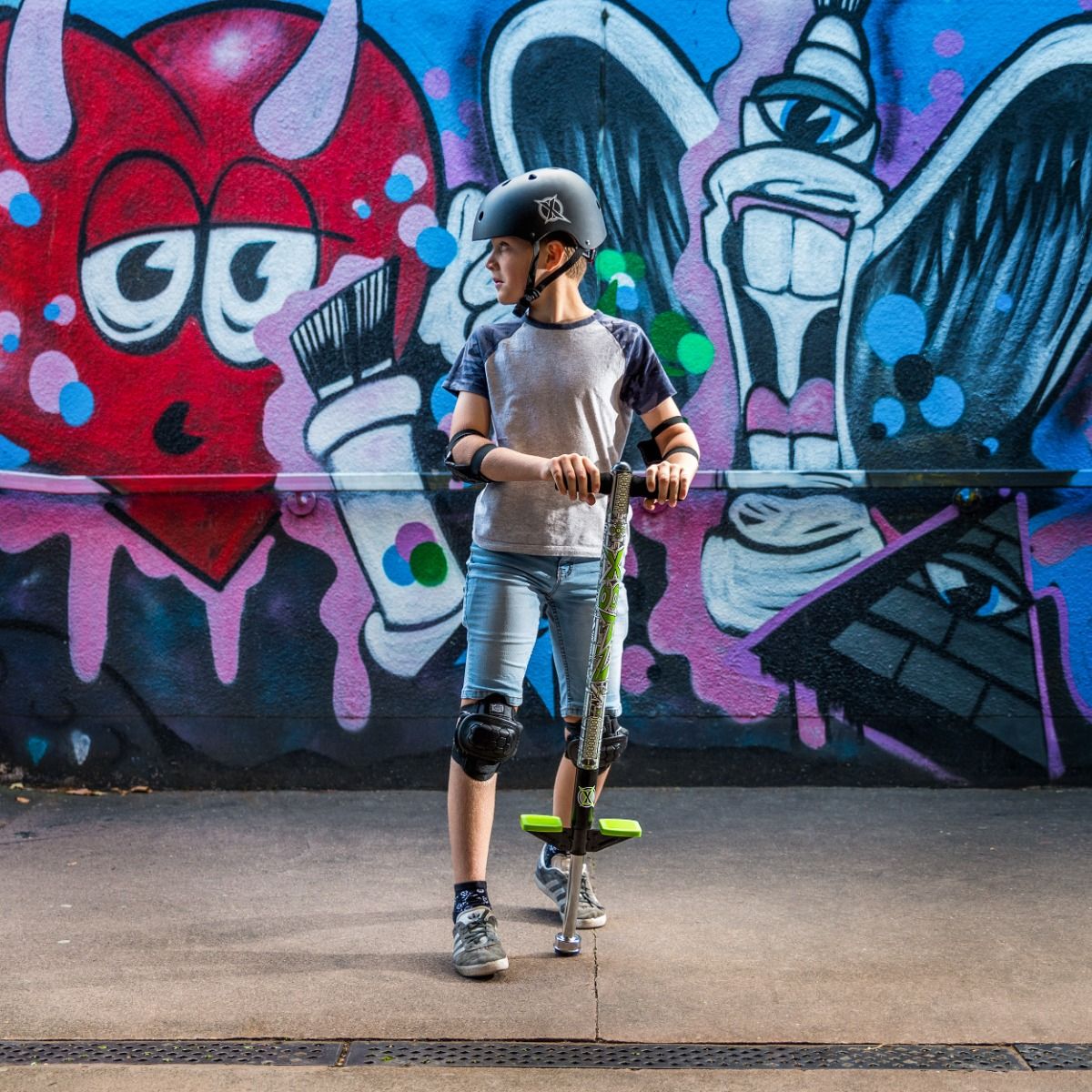
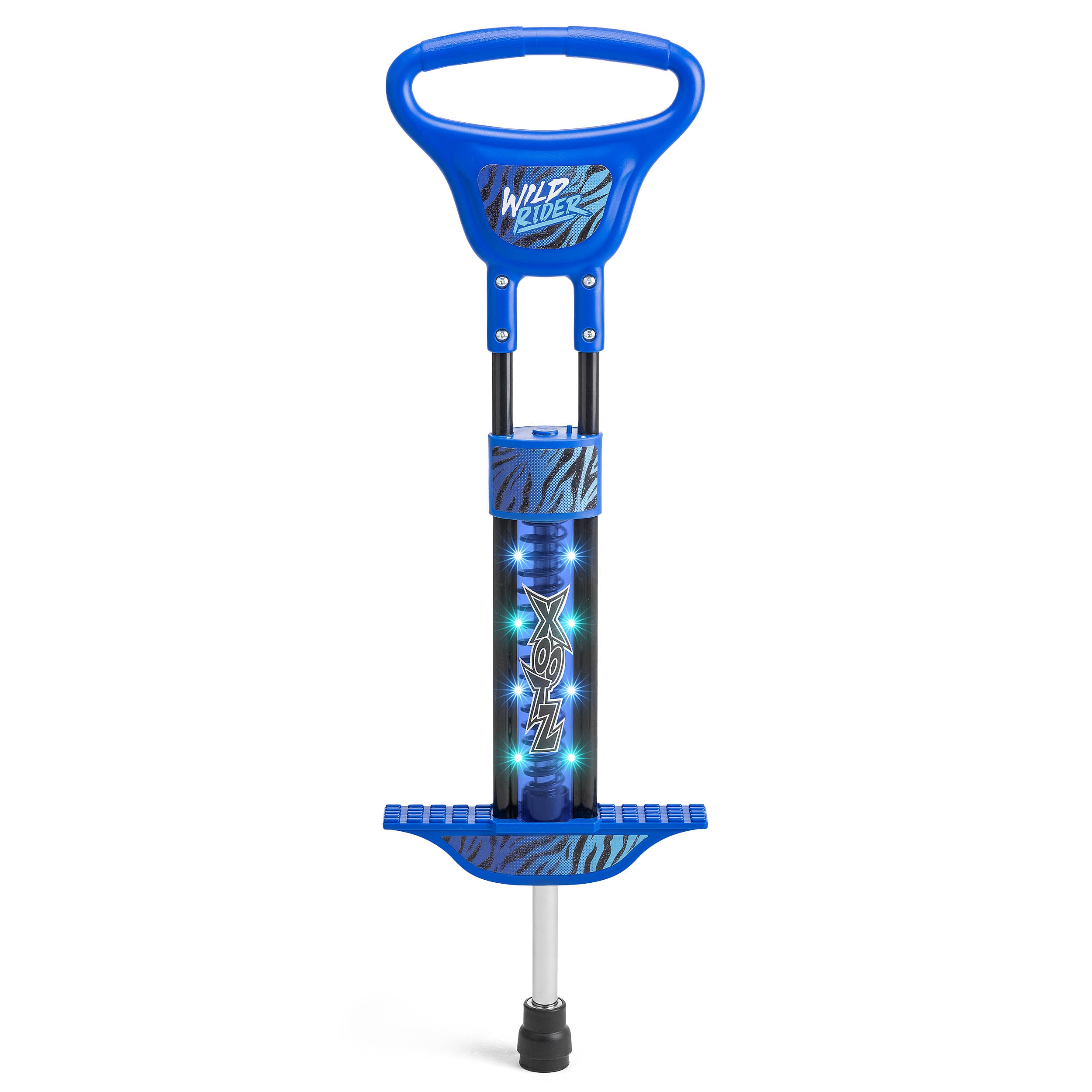
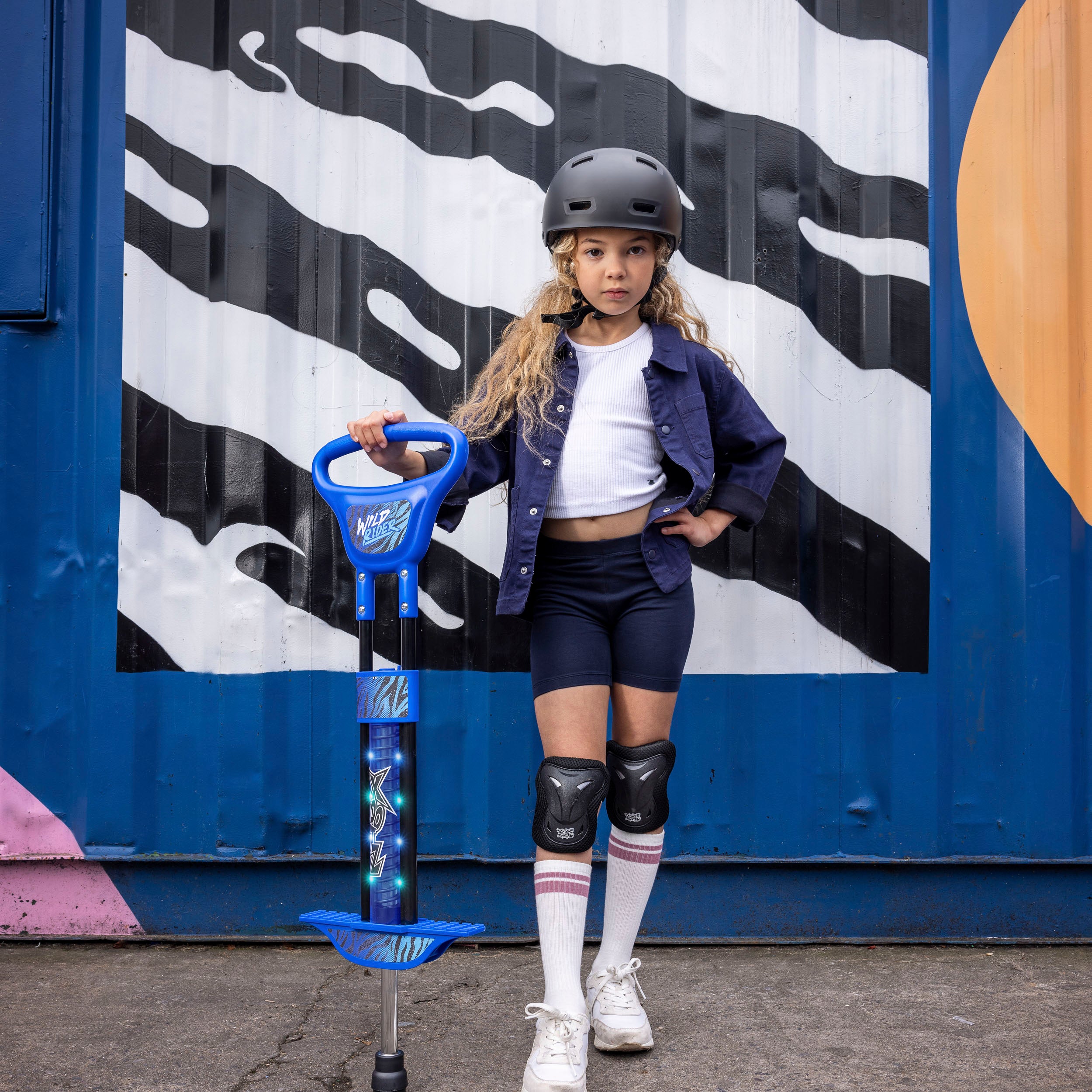
Movement-based toys, including pogo sticks and balance games, encourage children to assess challenges, improve coordination and build confidence as they master new skills.
These activities strengthen both the body and the brain, helping children become more resilient and determined.
How Can Parents Encourage Problem-Solving?
Sometimes, the best way to help children is to let them work things out for themselves.
Instead of immediately offering the answer, try asking questions like:
- "What else could you try?"
- "Why do you think that happened?"
- "Can you think of another way?"
Giving children time to experiment helps build confidence, independence and resilience that will benefit them throughout life.
Learning Through Play Every Day
Problem-solving doesn't need to look like a lesson. It happens naturally through play, exploration and curiosity.
At Toyrific, we believe the best toys inspire children to think, create and discover at their own pace. From construction toys and sensory activities to active outdoor play, every challenge is an opportunity to learn something new.