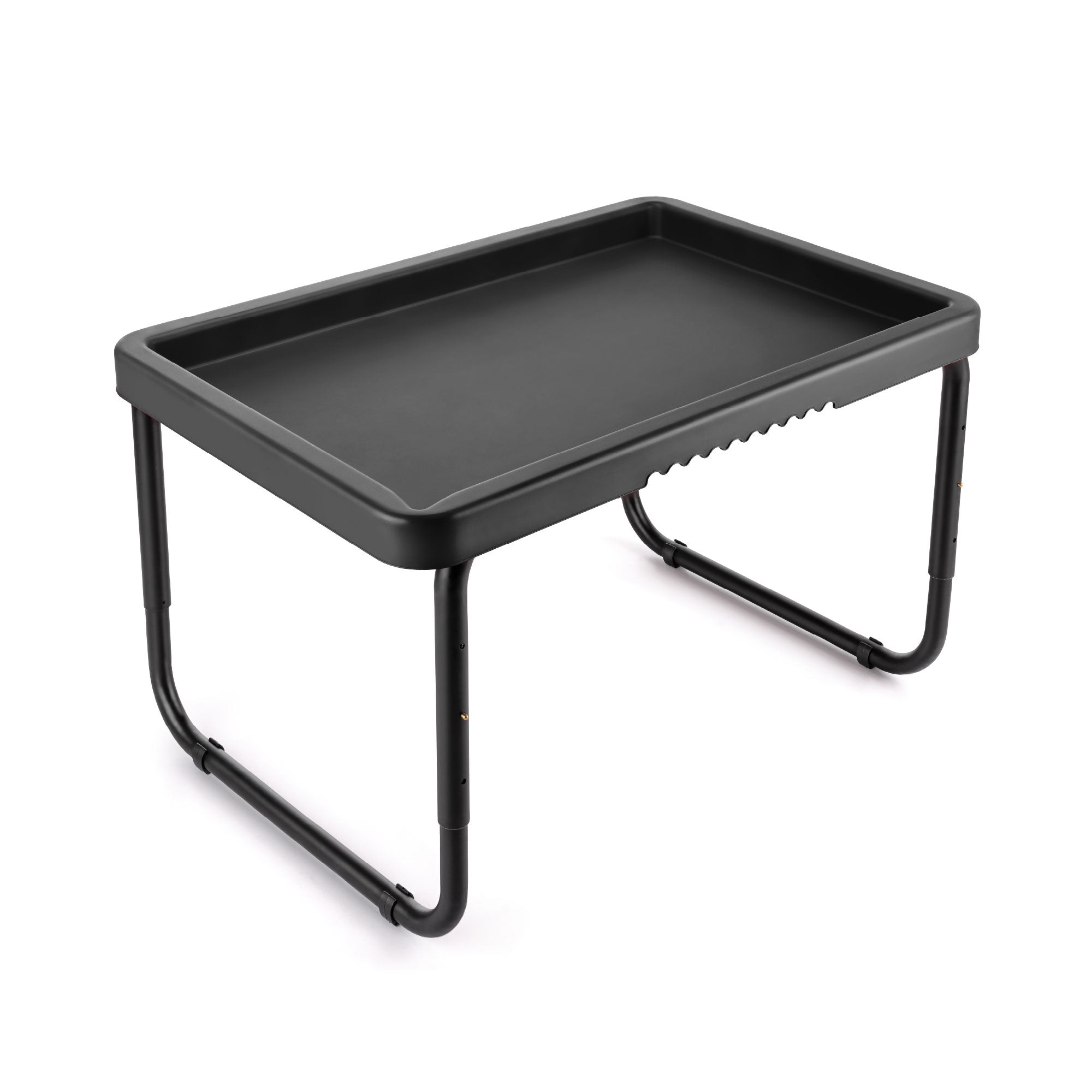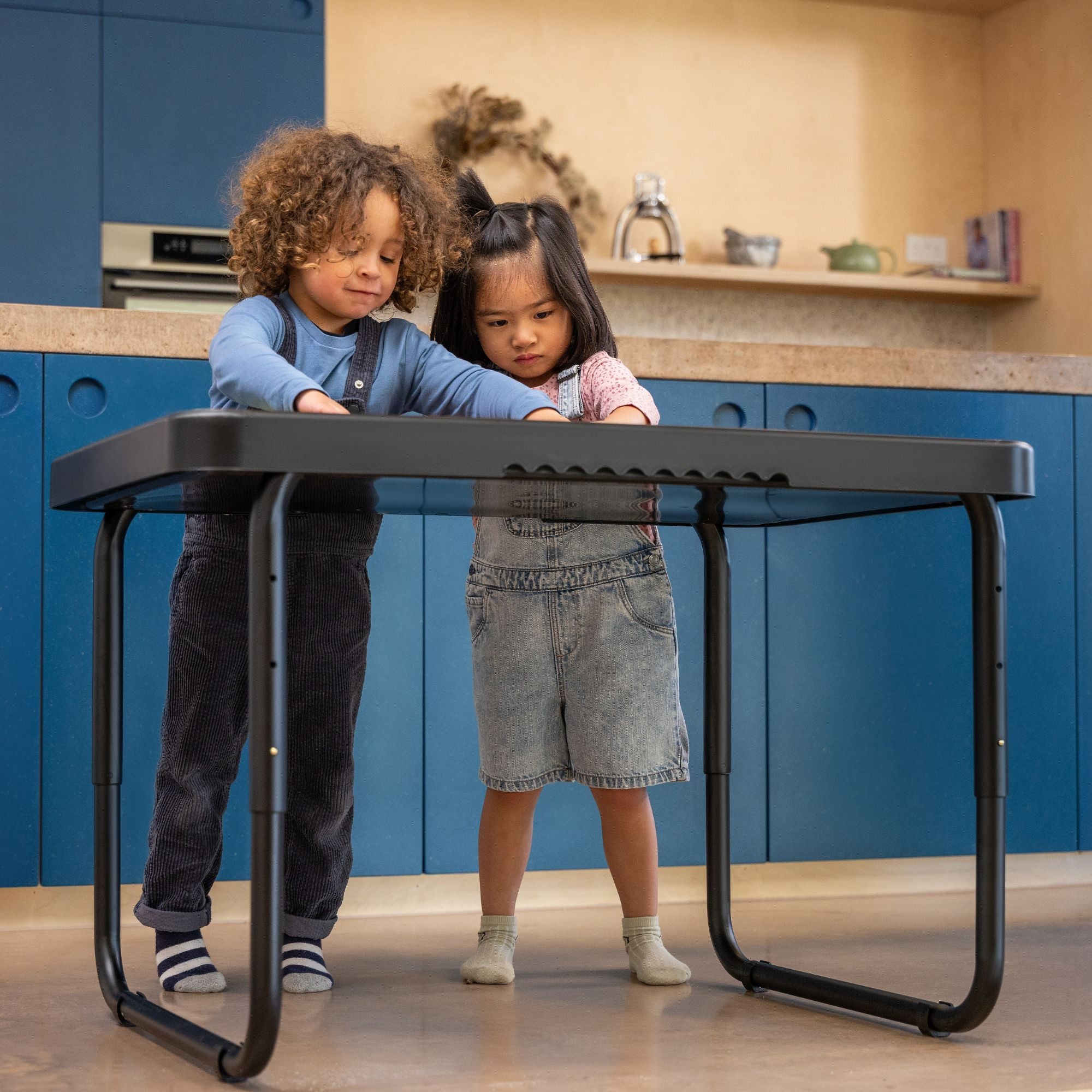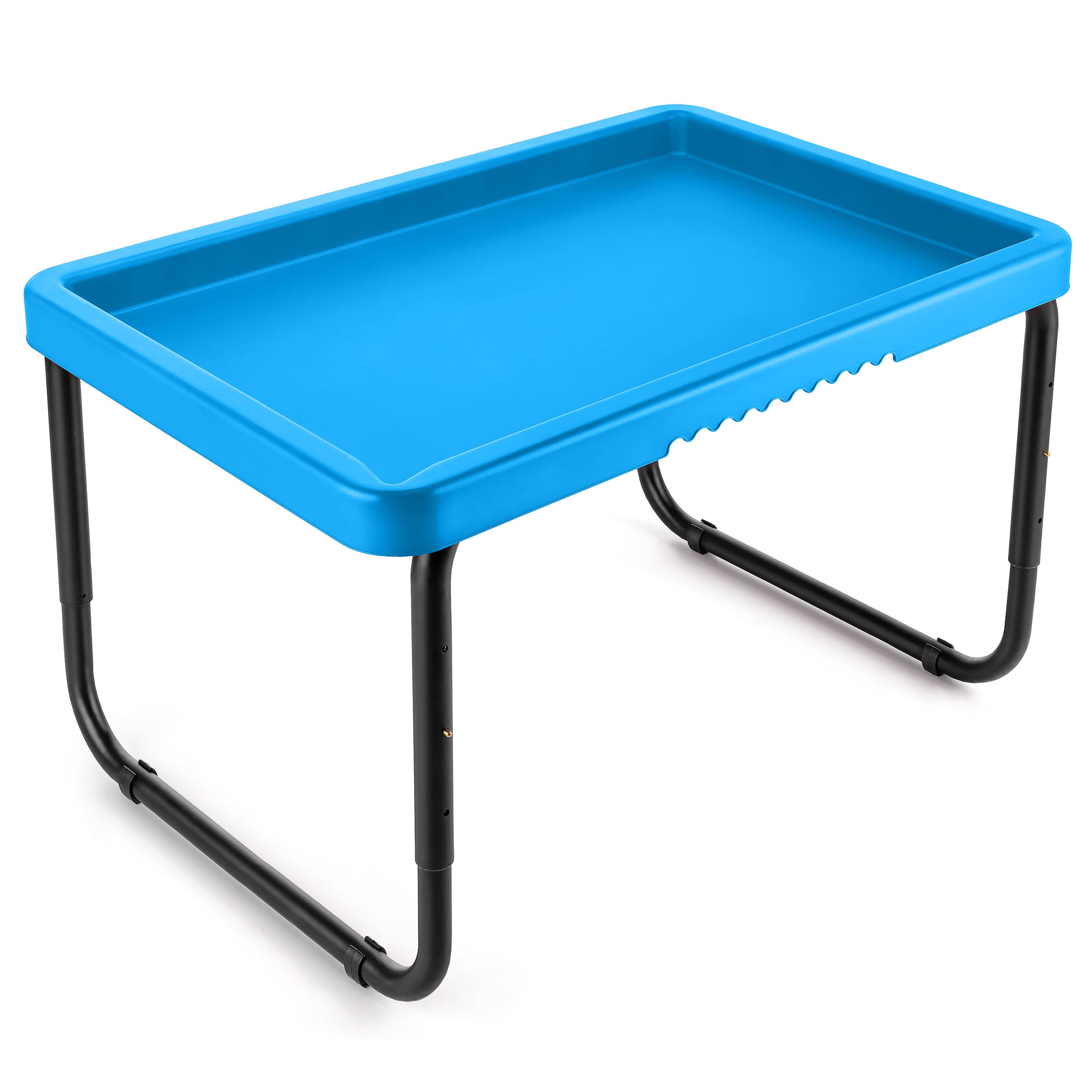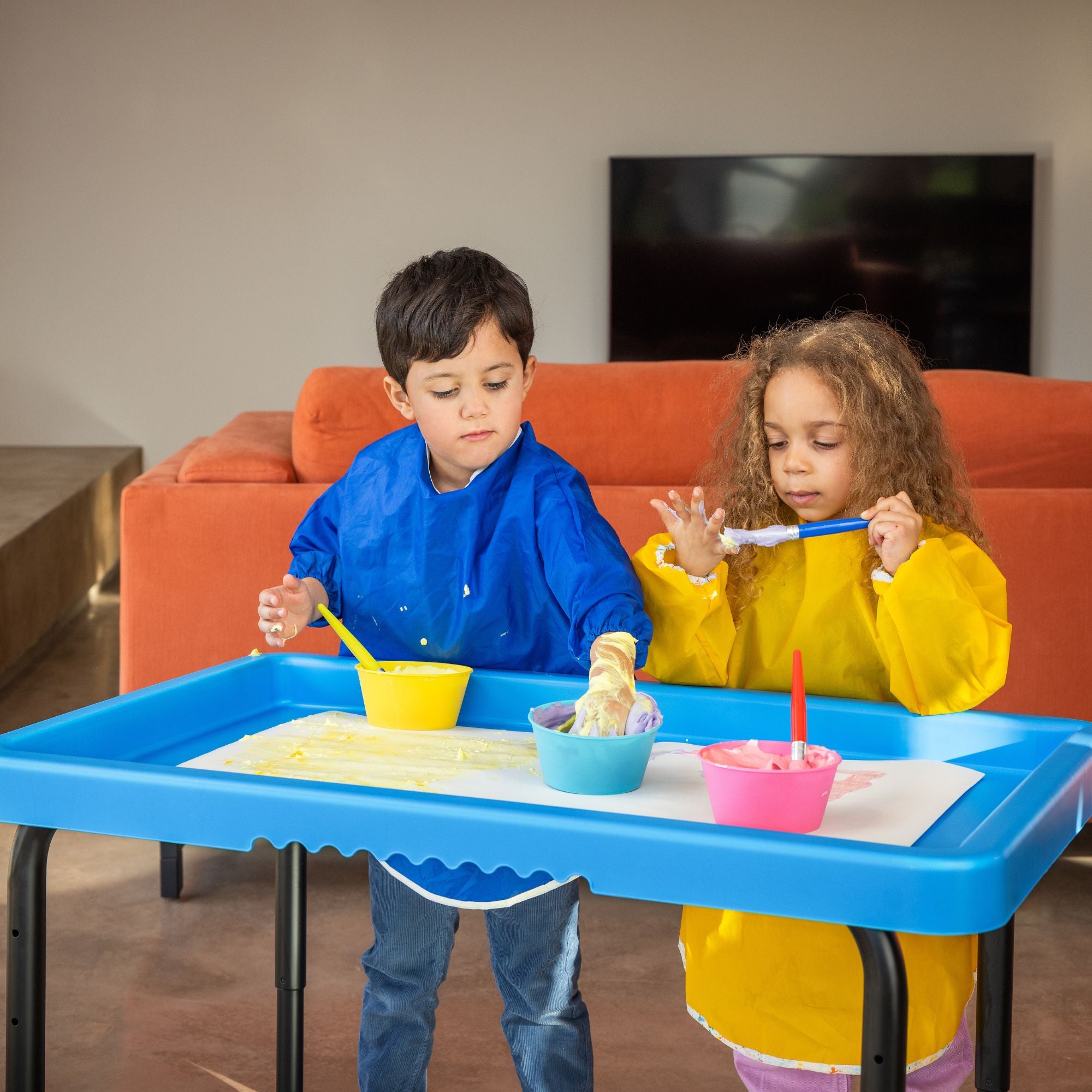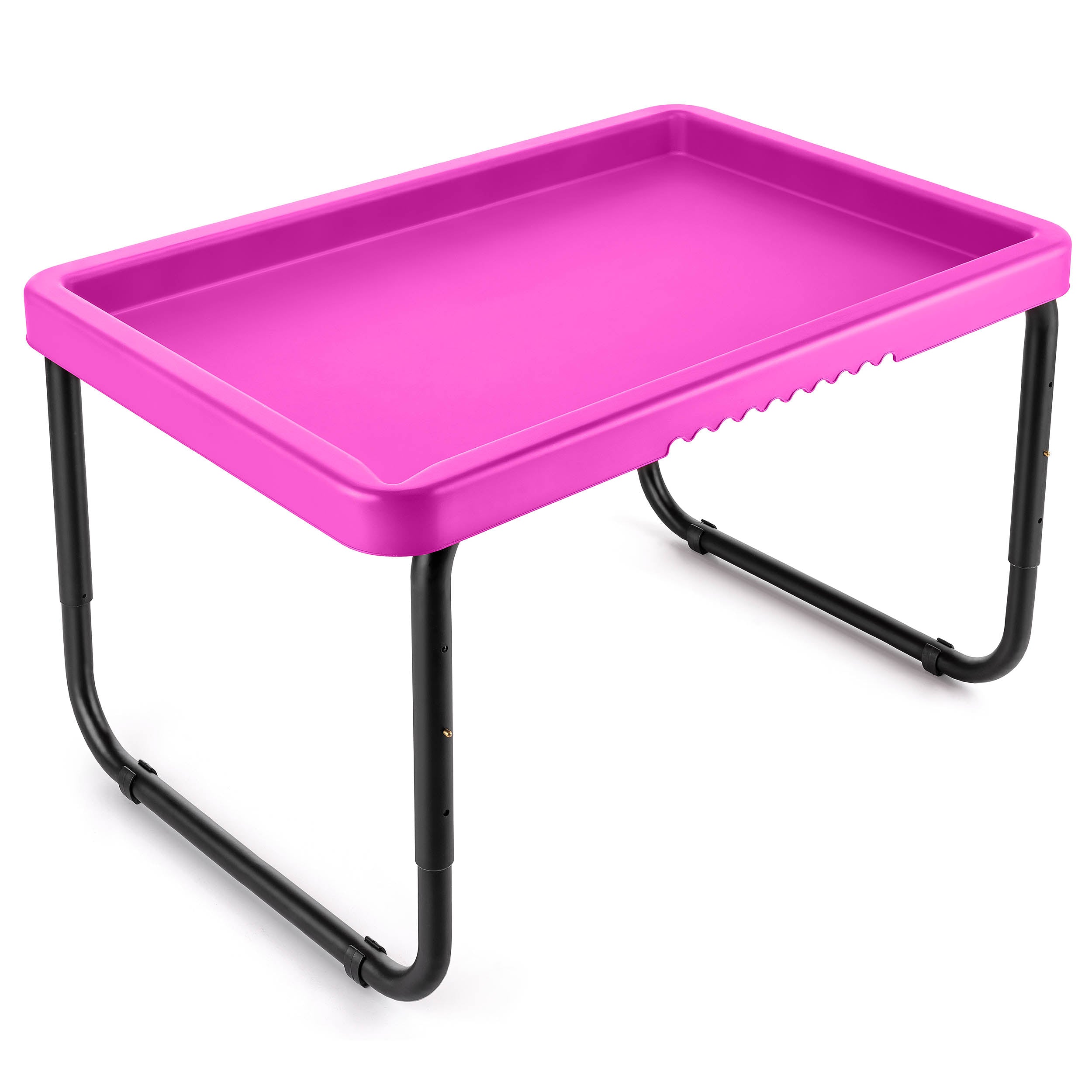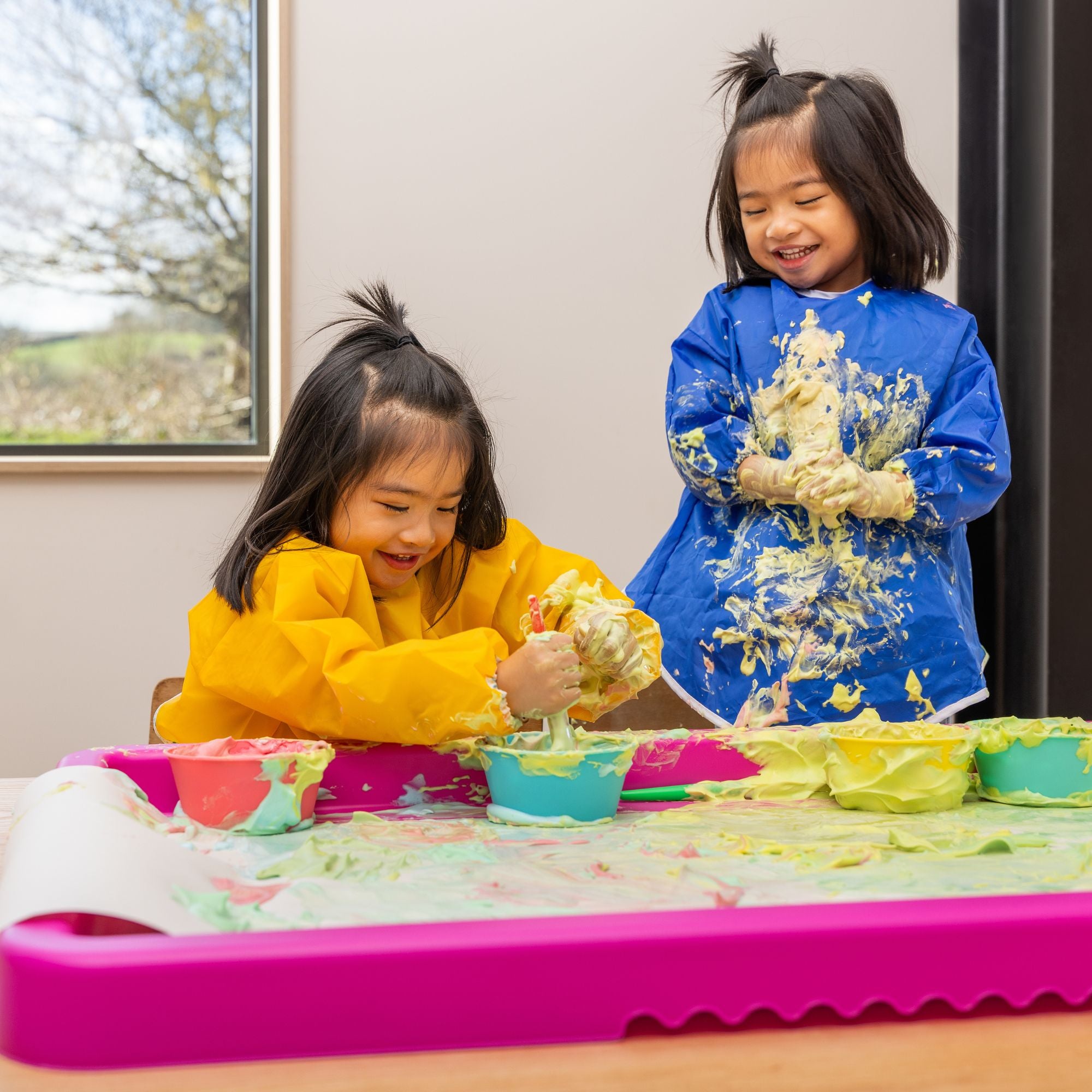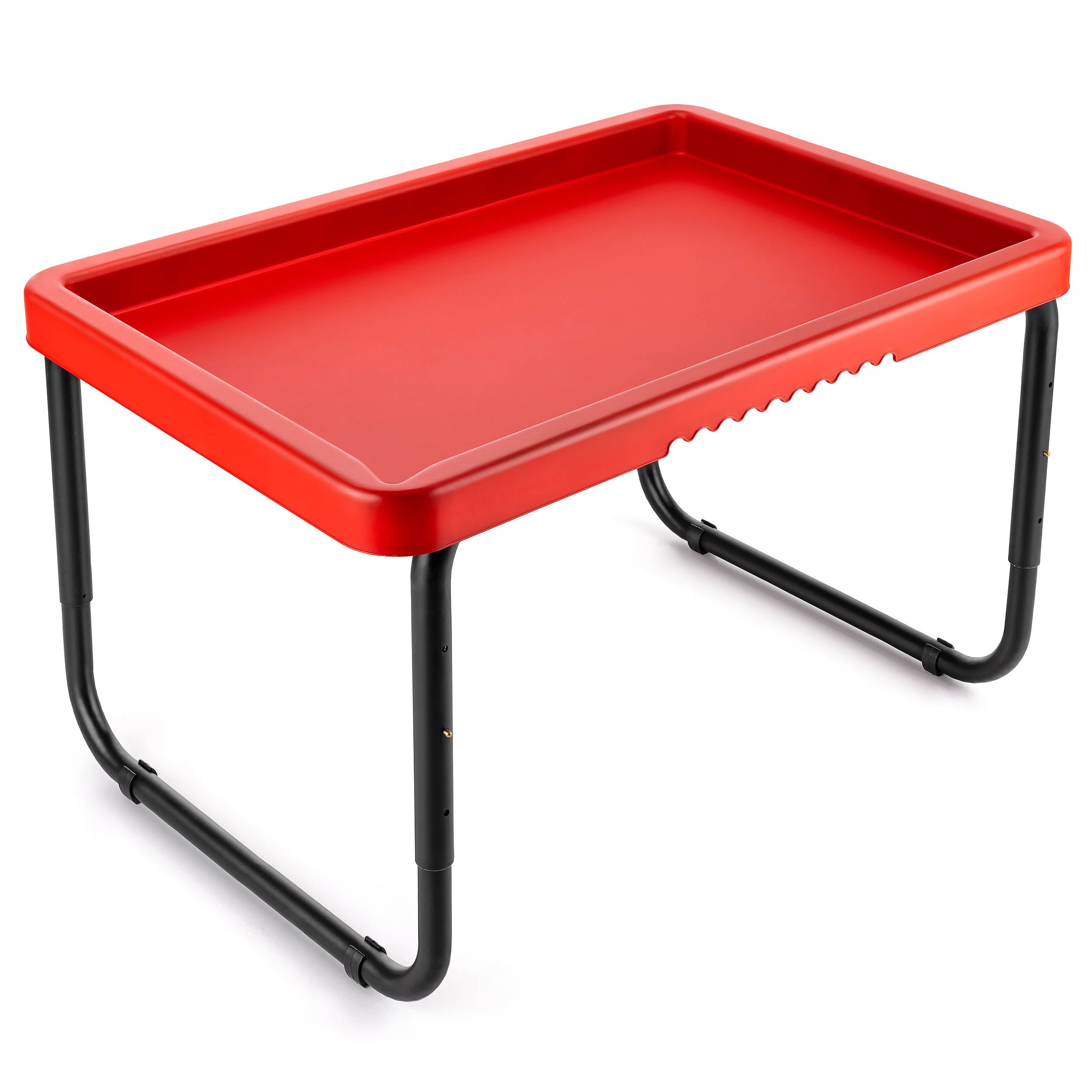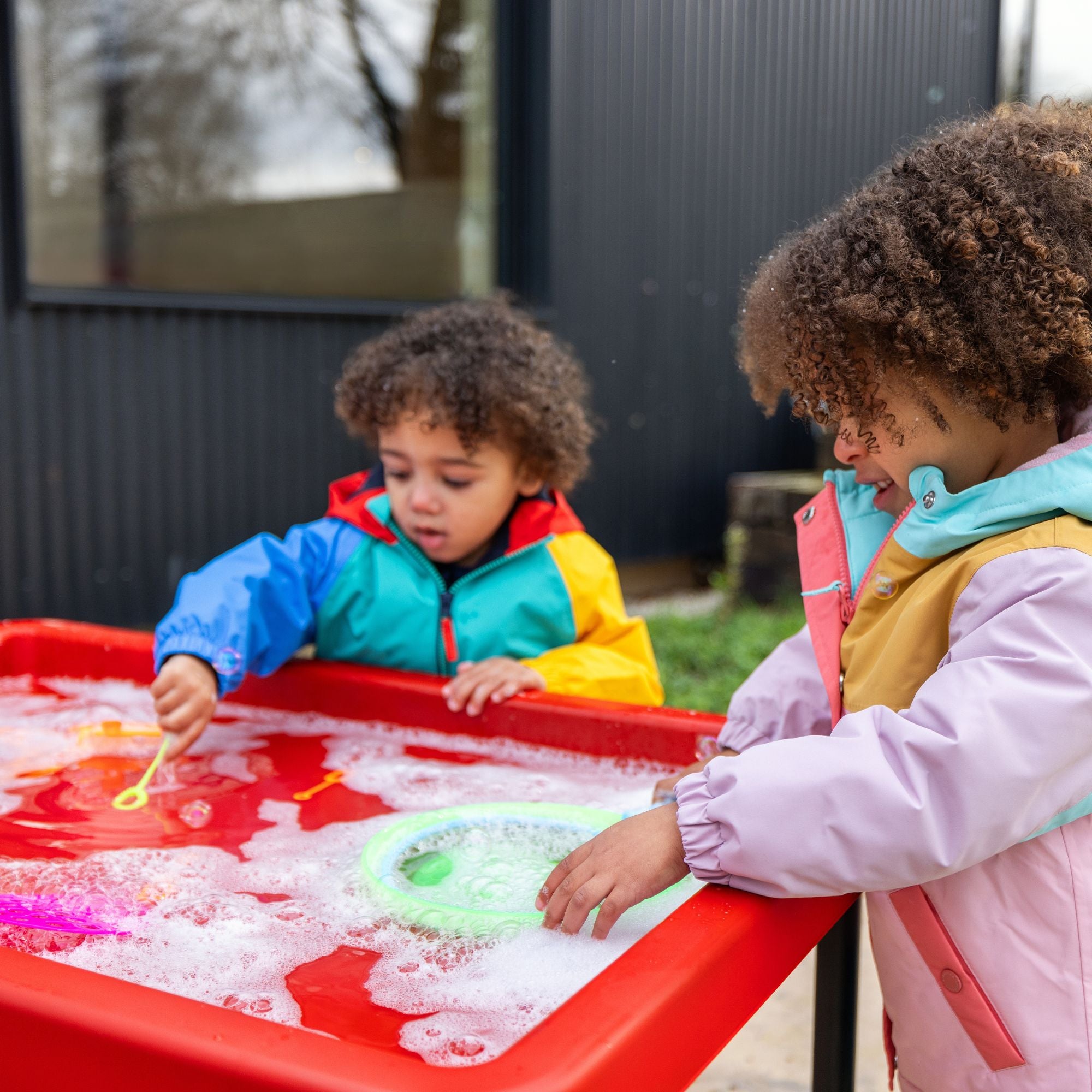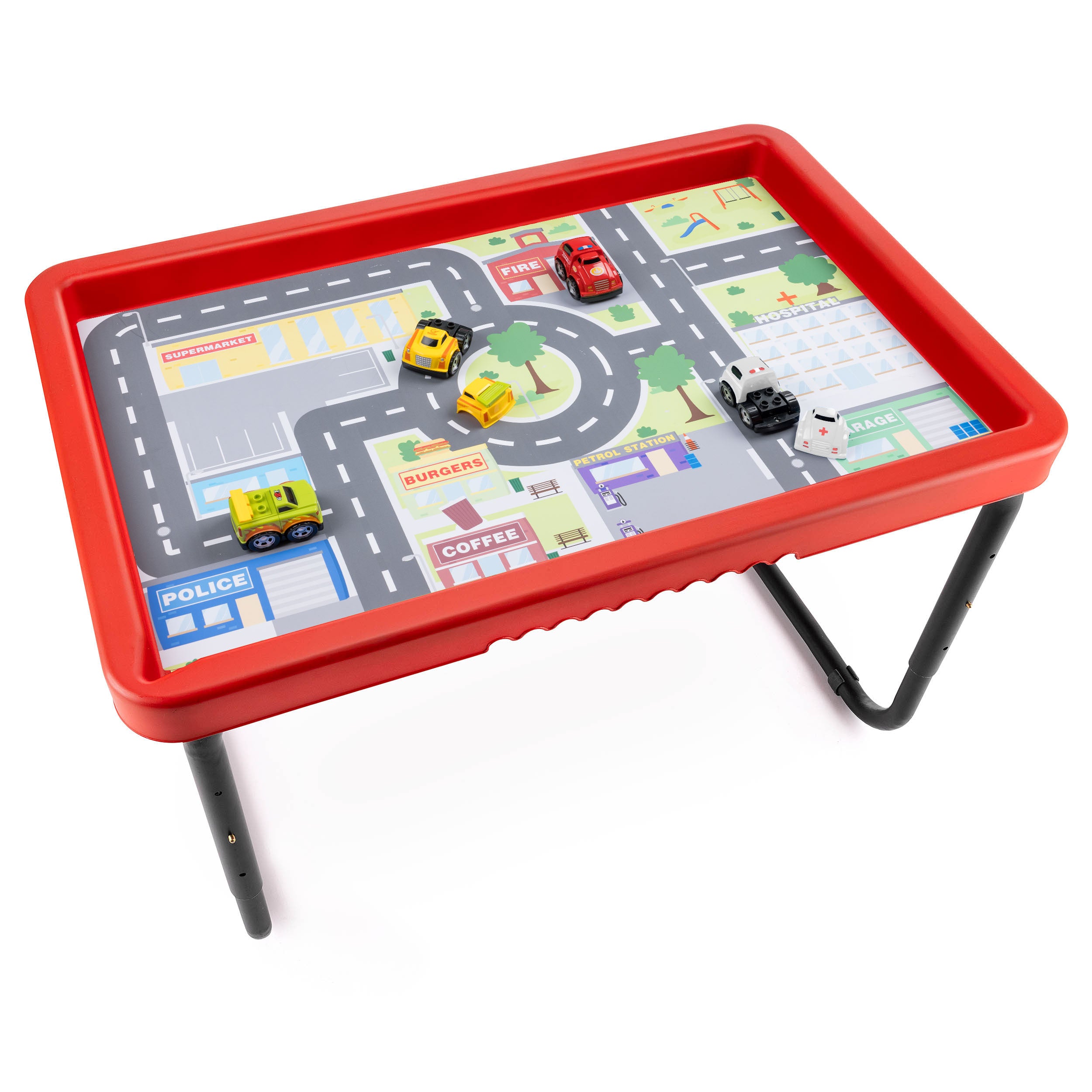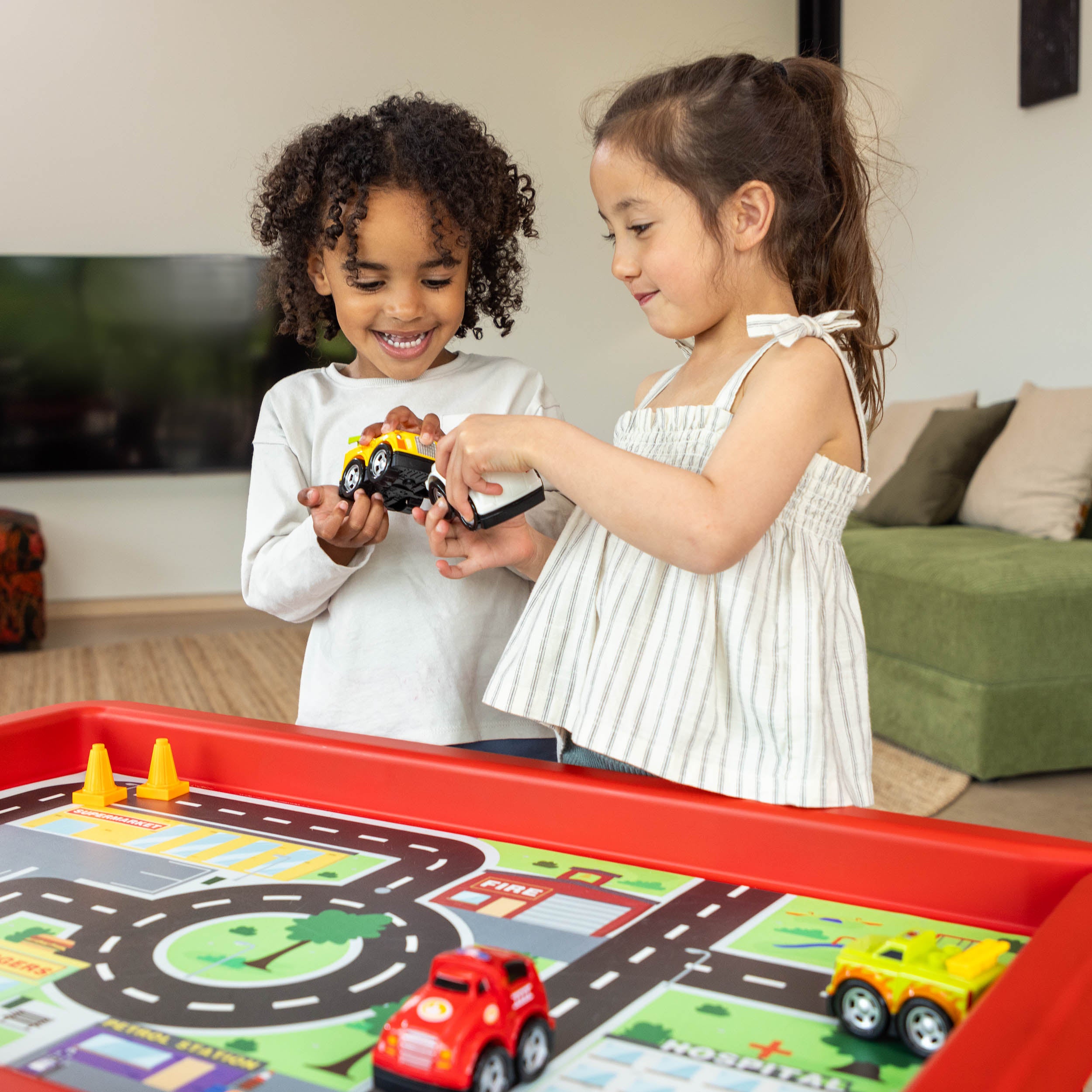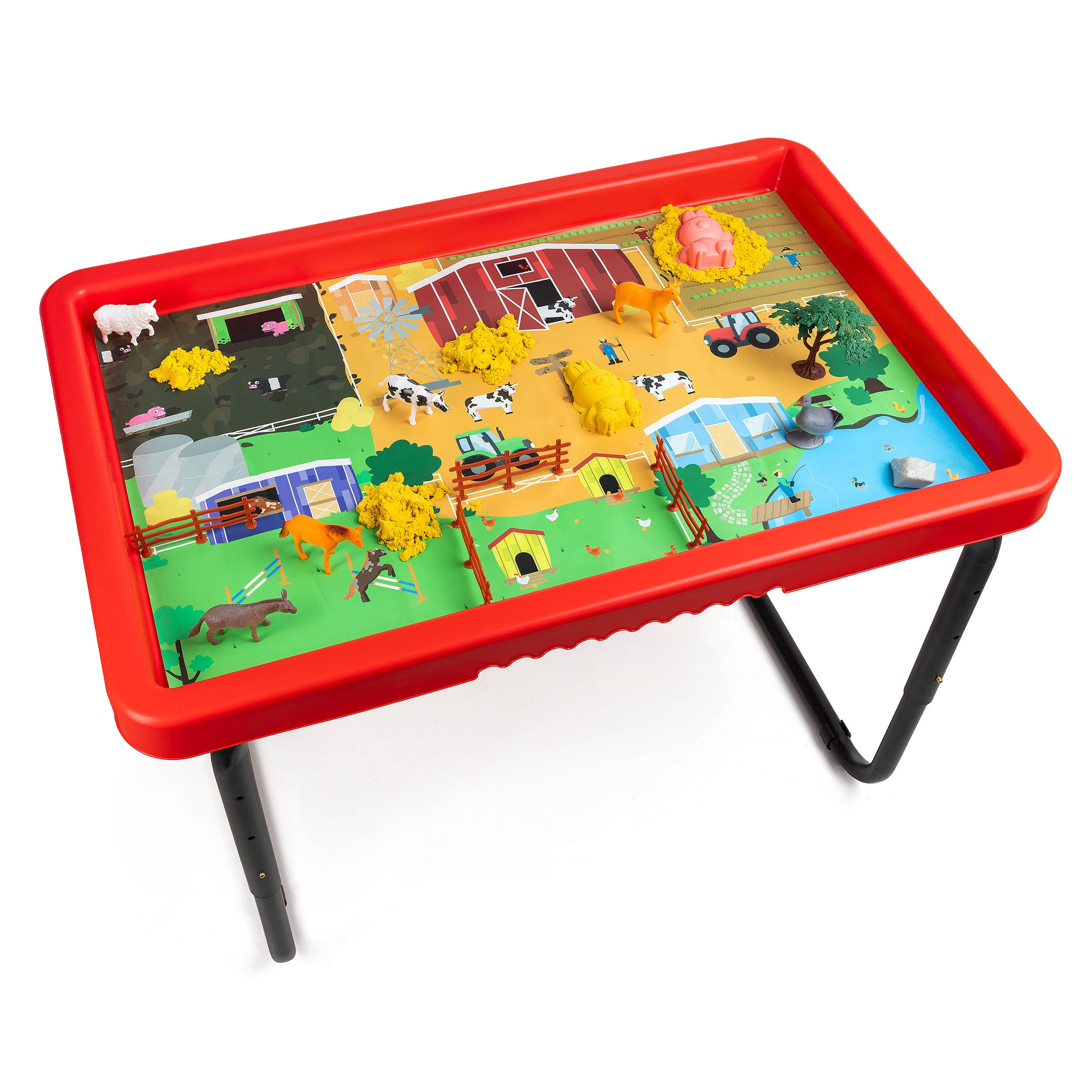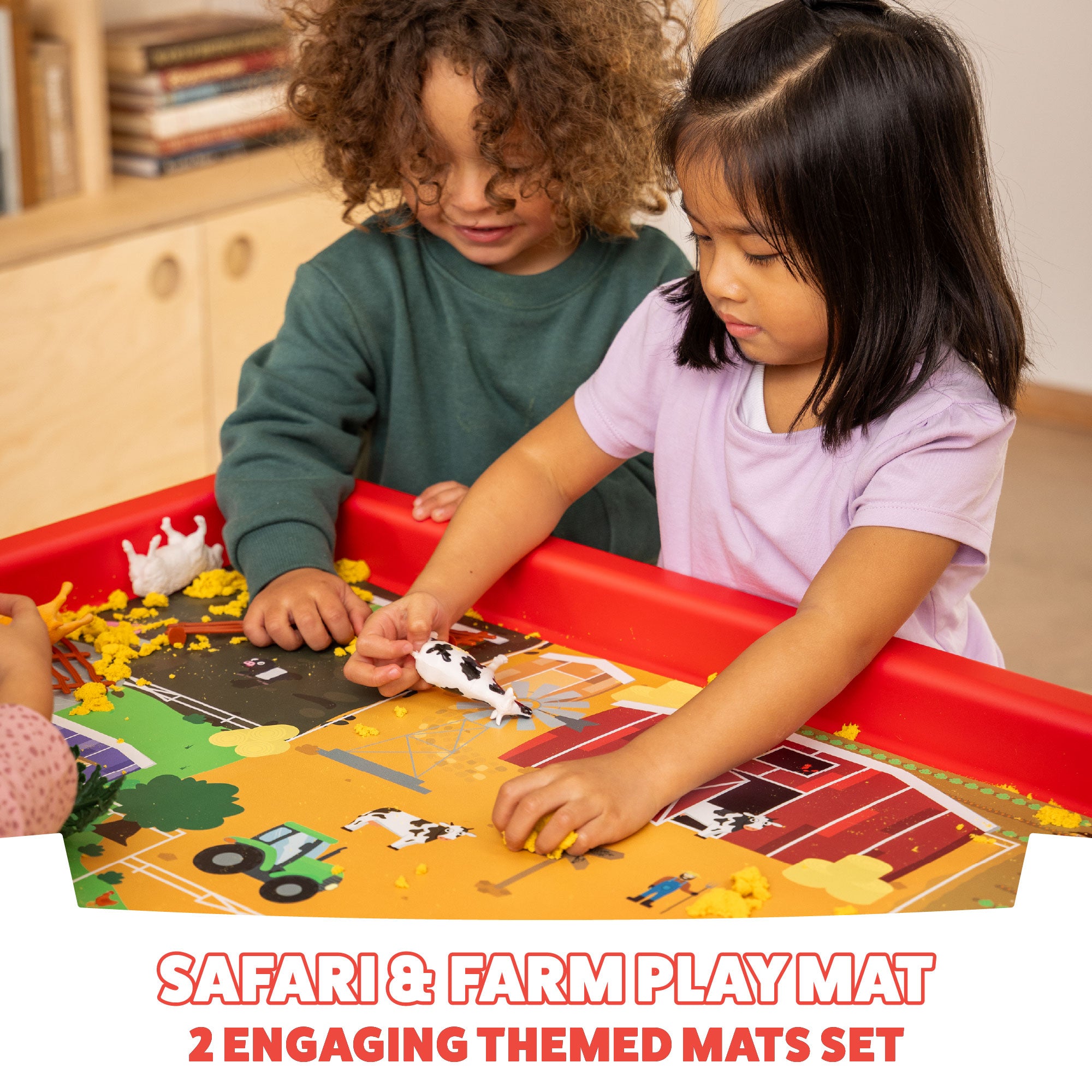




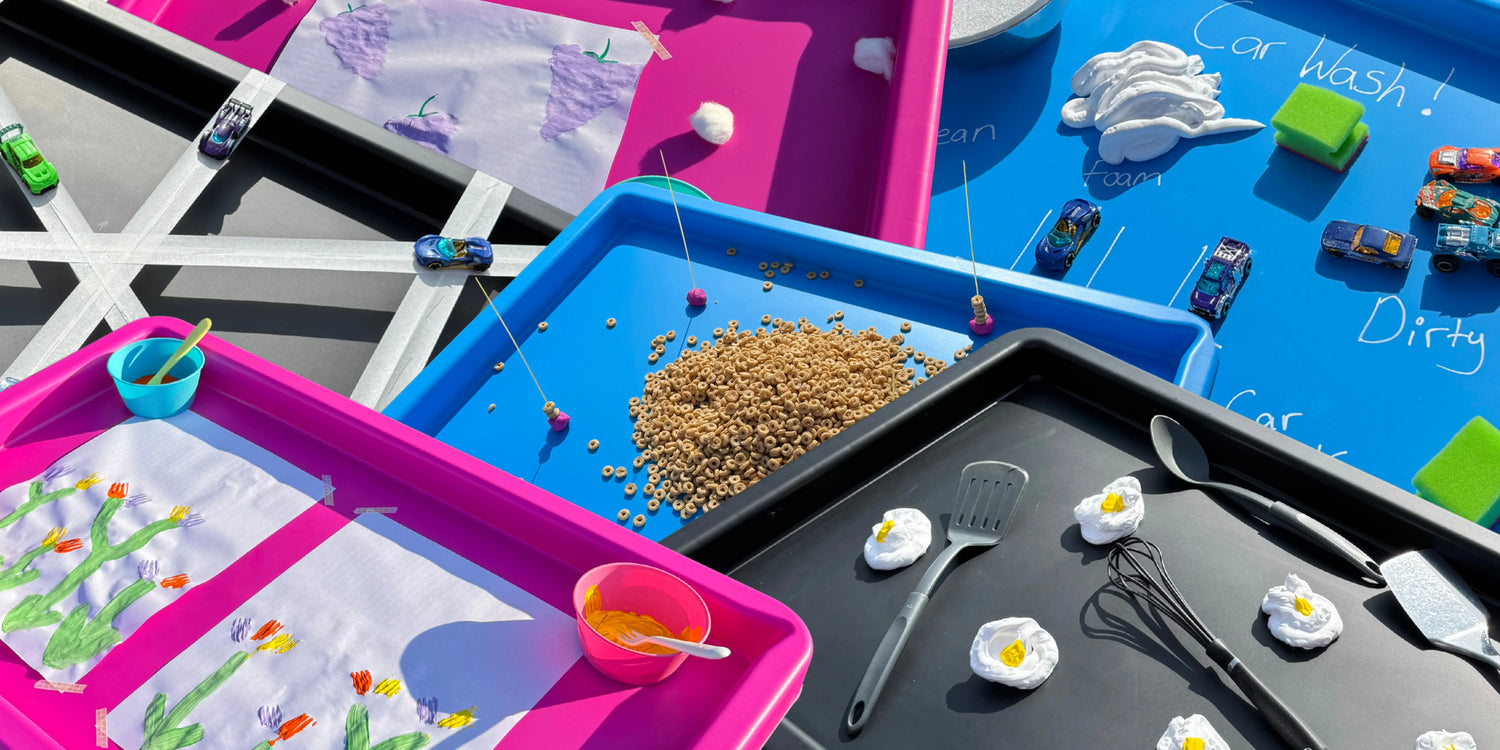
Looking for sensory tray inspiration that’s fun, easy to set up, and helps support your child’s development? You’re in the right place. At Toyrific, home of the Play Tray, we love creating engaging sensory play activities that encourage creativity, fine motor skills, imaginative play, and learning through play.
Whether you’re searching for messy play ideas, sensory tray activities for toddlers, or easy indoor activities for kids, these simple setups are perfect for little learners.
What Are the Benefits of Sensory Tray Play?
Sensory trays are a fantastic way to support early childhood development while keeping children entertained. Sensory play can help children:
- Develop fine motor skills
- Improve hand-eye coordination
- Encourage creativity and imagination
- Build problem-solving skills
- Explore different textures and materials
- Support language and social development
Best of all, sensory tray activities are easy to adapt for different ages and interests.
1. Berry Dabbers Sensory Activity

What You’ll Need
- Paper
- Purple paint
- Cotton wool balls
- A peg
- A green pen
How to Make Berry Dabbers
- Attach a cotton wool ball to a peg.
- Dip the cotton wool into purple paint.
- Dab the paint onto paper in a triangle shape to create a bunch of grapes.
- Once dry, draw on the vine using a green pen.
This simple fruit-themed painting activity is great for developing fine motor skills and creativity.
2. Tulip Fork Painting

What You’ll Need
- Paper
- Paint
- Paintbrush
- Fork
How to Create Tulip Art
- Paint green flower stalks onto your paper.
- Dip a fork into your chosen paint colour.
- Press the fork onto the paper just above the stalk to create tulip petals.
- Repeat using different colours to create a beautiful bouquet of tulips.
Fork painting is a brilliant sensory art activity for toddlers and early years.
3. Messy Eggs Sensory Tray

What You’ll Need
- Shaving foam
- Yellow paint
- Kitchen utensils
How to Set Up
- Spray shaving foam into circular piles on the tray to create “egg whites”.
- Add a blob of yellow paint on top for the yolks.
- Add kitchen utensils such as spatulas and whisks.
- Let little ones mix, scoop, and create scrambled eggs or fried eggs.
This messy play setup encourages imaginative role play and sensory exploration.
4. Car Wash Sensory Play

What You’ll Need
- Toy cars
- Water
- Washing-up liquid
- Shaving foam
- Chalk pens (optional)
How to Create a Toy Car Wash
- Optional: Draw parking spaces and car wash stations onto the tray using chalk pens.
- Place the toy cars into different sections.
- Add shaving foam to create the “soap”.
- Fill a bowl with water and washing-up liquid.
- Drive the cars through the foam and into the water for a fun cleaning station.
This sensory tray idea combines messy play with imaginative play and is always a hit with car-loving children.
5. Cheerio Stack Attack

What You’ll Need
- Hooped cereal
- Uncooked spaghetti
- Play dough or Blu Tack
How to Play
- Pour the cereal onto the tray.
- Create small balls of play dough and place them around the tray.
- Stick pieces of uncooked spaghetti upright into each ball.
- Encourage children to stack the cereal onto the spaghetti.
This simple activity helps strengthen fine motor skills, concentration, and hand-eye coordination.
6. DIY Car Race Track

What You’ll Need
- Toy cars
- Masking tape
- Pen
How to Create a Race Track
- Place masking tape across the tray in different directions to create roads.
- Draw road markings onto the tape with a pen.
- Race toy cars around the track.
This quick and easy activity encourages imaginative play and problem-solving.
7. Chick Fork Painting

What You’ll Need
- Yellow paint
- Paper
- Fork
- Orange pen
- Googly eyes
How to Make Chicks
- Dip a fork into yellow paint.
- Press the fork onto the paper in a circular shape to create the chick’s body.
- Stick on googly eyes.
- Draw on legs and a beak using an orange pen.
This adorable chick craft is perfect for spring activities, farm animal topics, or everyday sensory play fun.
What Can You Put In a Sensory Tray?
Popular sensory tray fillers include rice, pasta, shaving foam, cereal, water, sand, pom-poms, paint, and toy figures.
What Age Is a Sensory Tray Suitable For?
Sensory trays are ideal for toddlers and early years, but activities can easily be adapted for older children too.
Are Sensory Trays Good For Development?
Yes - sensory play supports fine motor skills, creativity, problem-solving, hand-eye coordination, and imaginative play.