









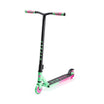
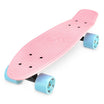
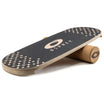
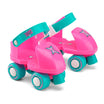




It's easy for toys to slowly take over the house. Birthdays, Christmas and well-meaning gifts soon build up until shelves are overflowing. While having lots of toys may seem like a good thing, too much choice can actually feel overwhelming for children and make it harder for them to focus, play creatively and stay engaged.
Toy rotation is a simple way to refresh playtime without buying new toys. By offering fewer toys at once, children often become more imaginative, independent and focused during play.
What Is Toy Rotation?
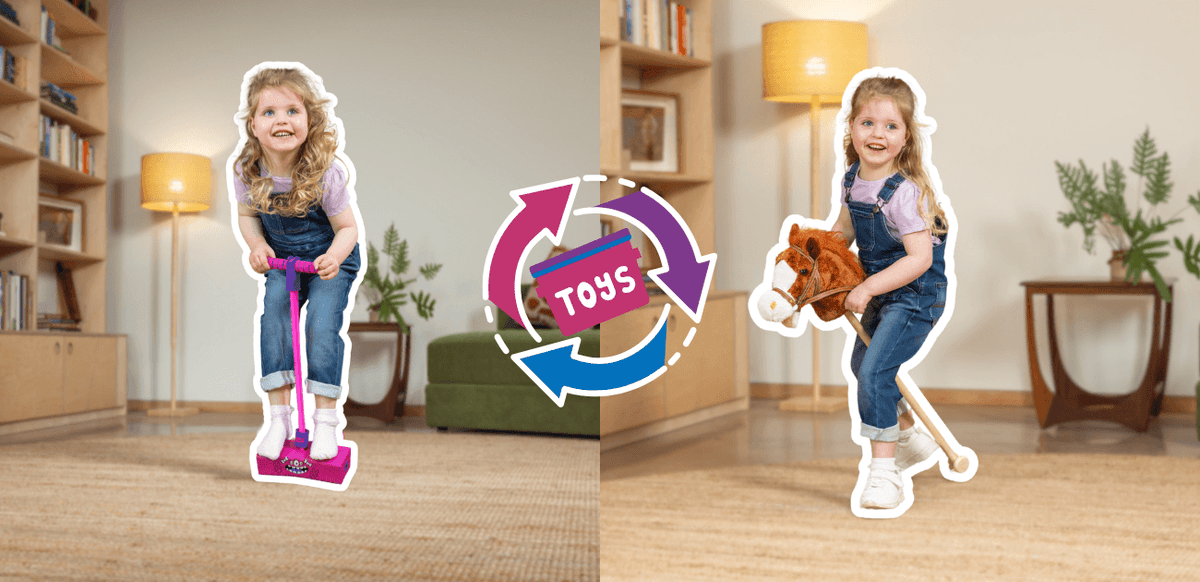
Toy rotation is the practice of offering children a small, carefully chosen selection of toys while storing the rest away. Every few weeks, you swap the available toys for different ones, creating fresh opportunities for play without adding anything new.
With fewer options available, children are more likely to:
- Stay focused on one activity for longer
- Use their imagination in new ways
- Develop problem-solving skills
- Explore toys more deeply
- Play more independently
Rather than moving quickly from one toy to another, children have the time and space to fully engage with the toys in front of them.
What Are the Benefits of Toy Rotation?
Toy rotation offers benefits for both children and parents.
For children, having fewer toys available can help reduce distractions and encourage more meaningful play. Research has shown that children often play for longer and more creatively when presented with a smaller selection of toys.
Some of the key benefits include:
- Improved concentration and attention span
- Encourages imaginative play
- Supports independent play
- Promotes creativity and problem-solving
- Helps children appreciate toys they already own
- Makes familiar toys feel exciting again
For parents, toy rotation can also make play spaces feel tidier, calmer and easier to manage.
Which Toys Work Best for Toy Rotation?
Simple, open-ended toys are often the best choice for a toy rotation system because they can be used in many different ways as your child grows.
Great options include:
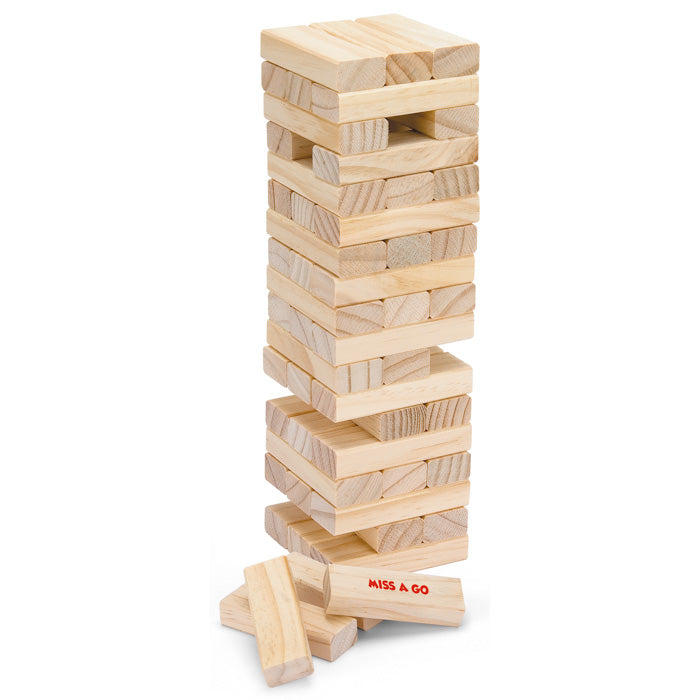
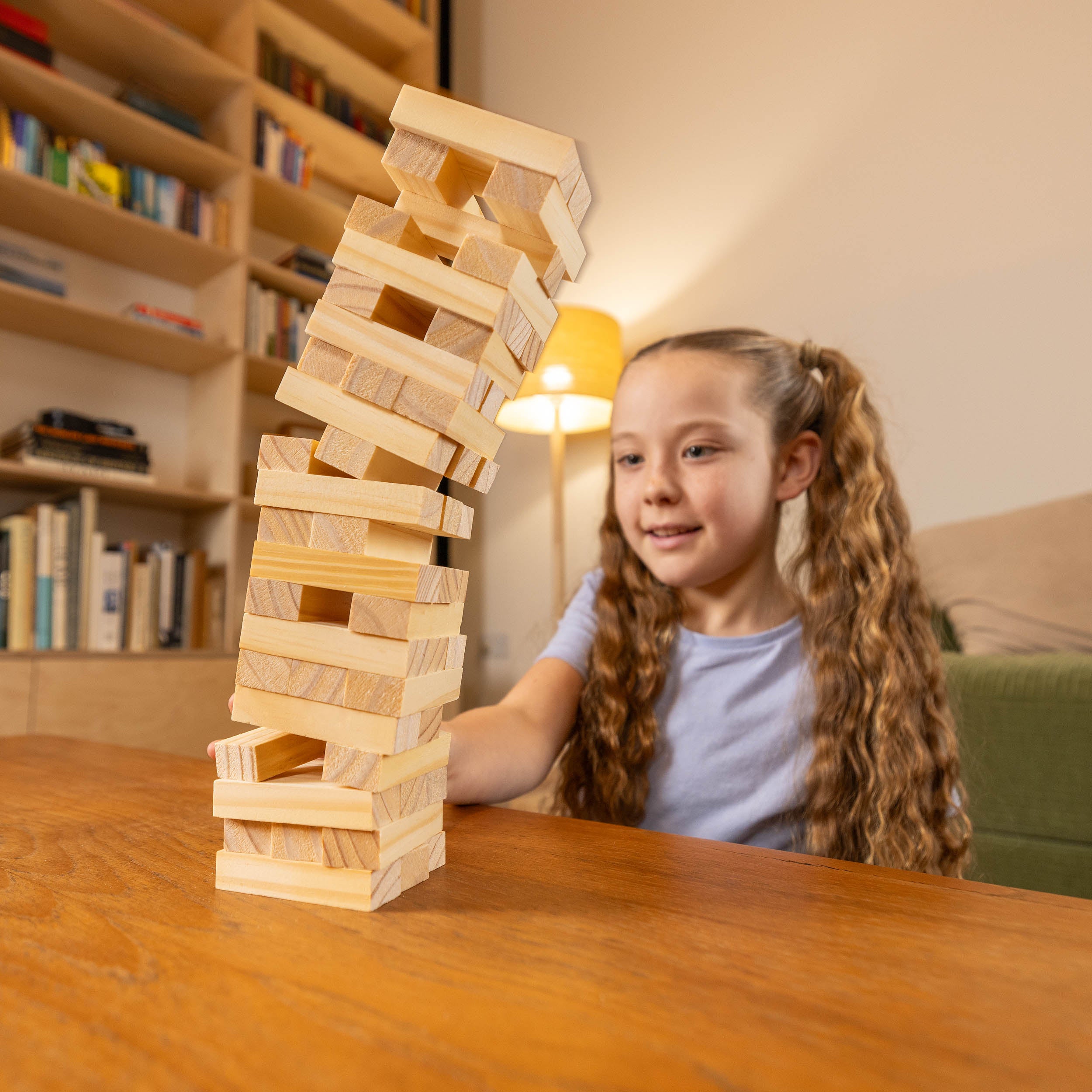
- Building blocks and construction toys
- Puzzles
- Stacking toys
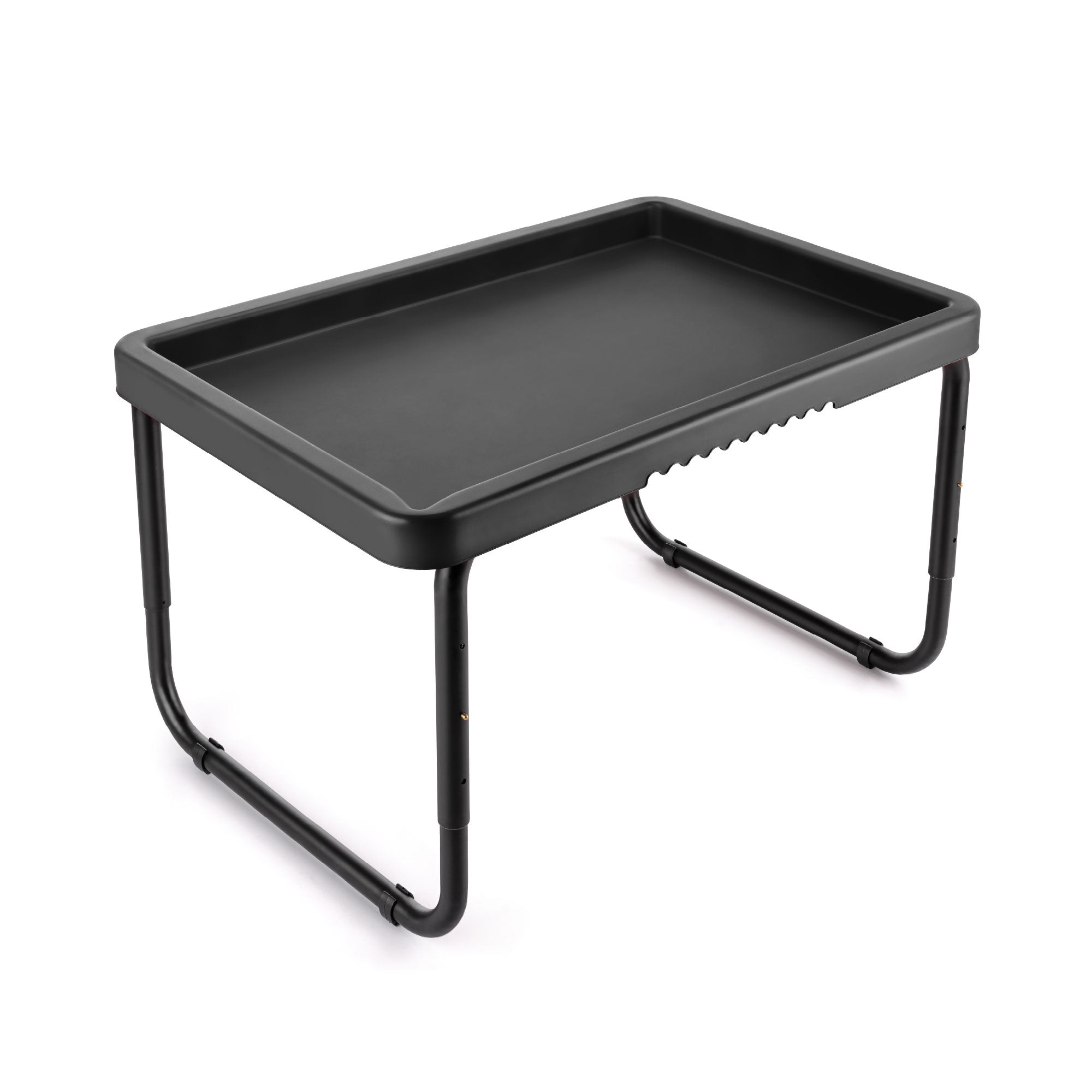
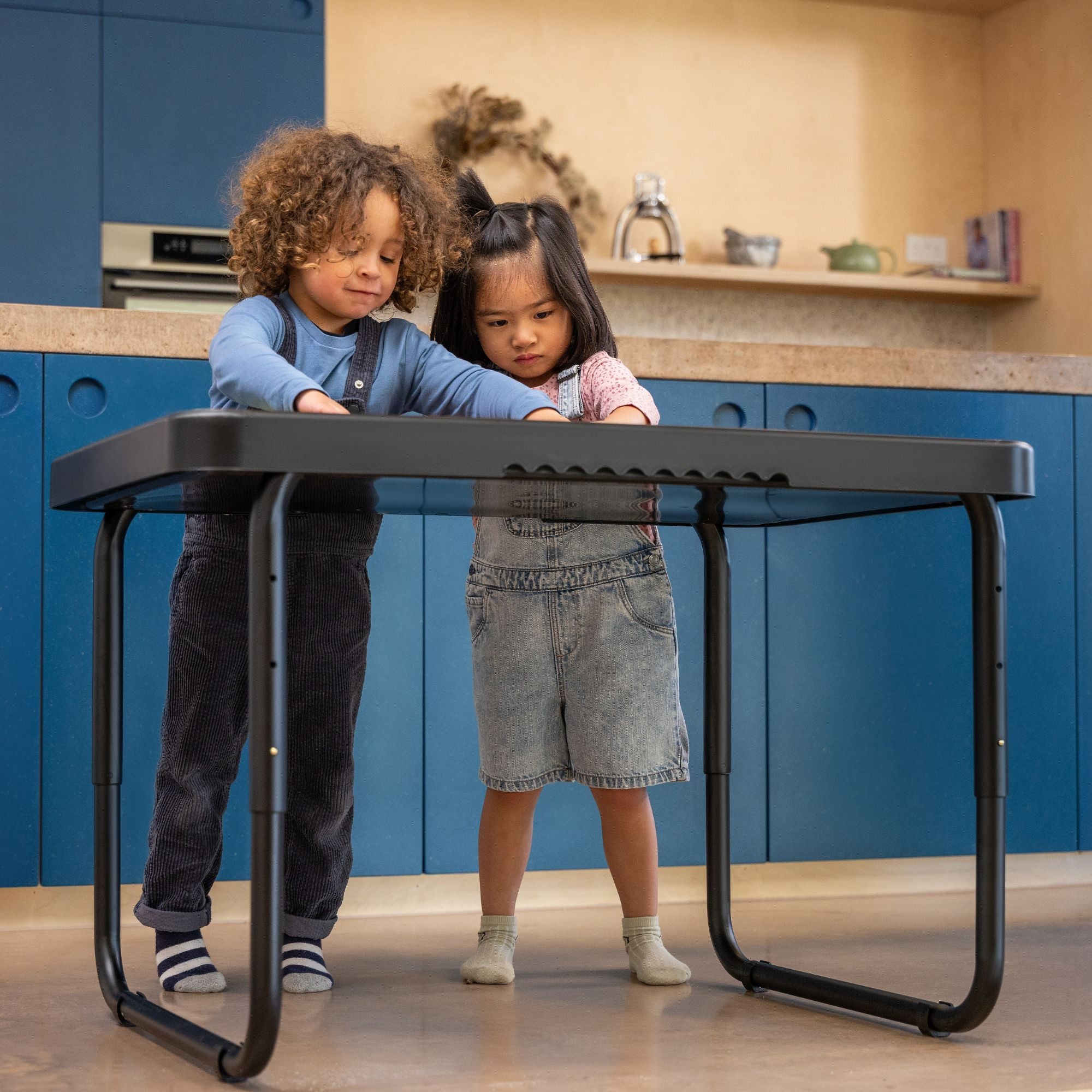
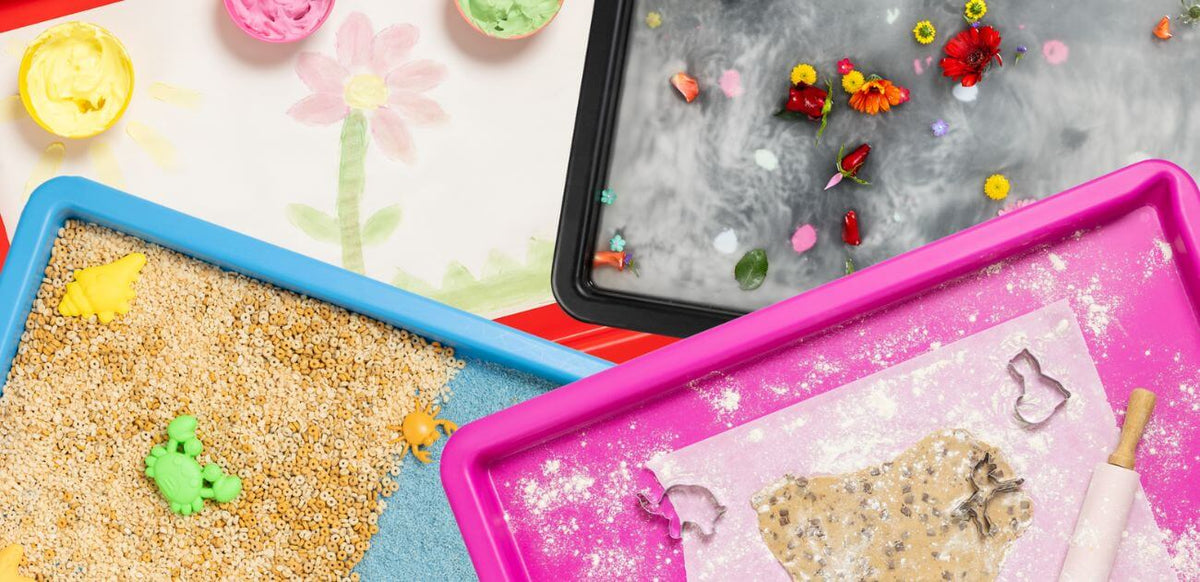
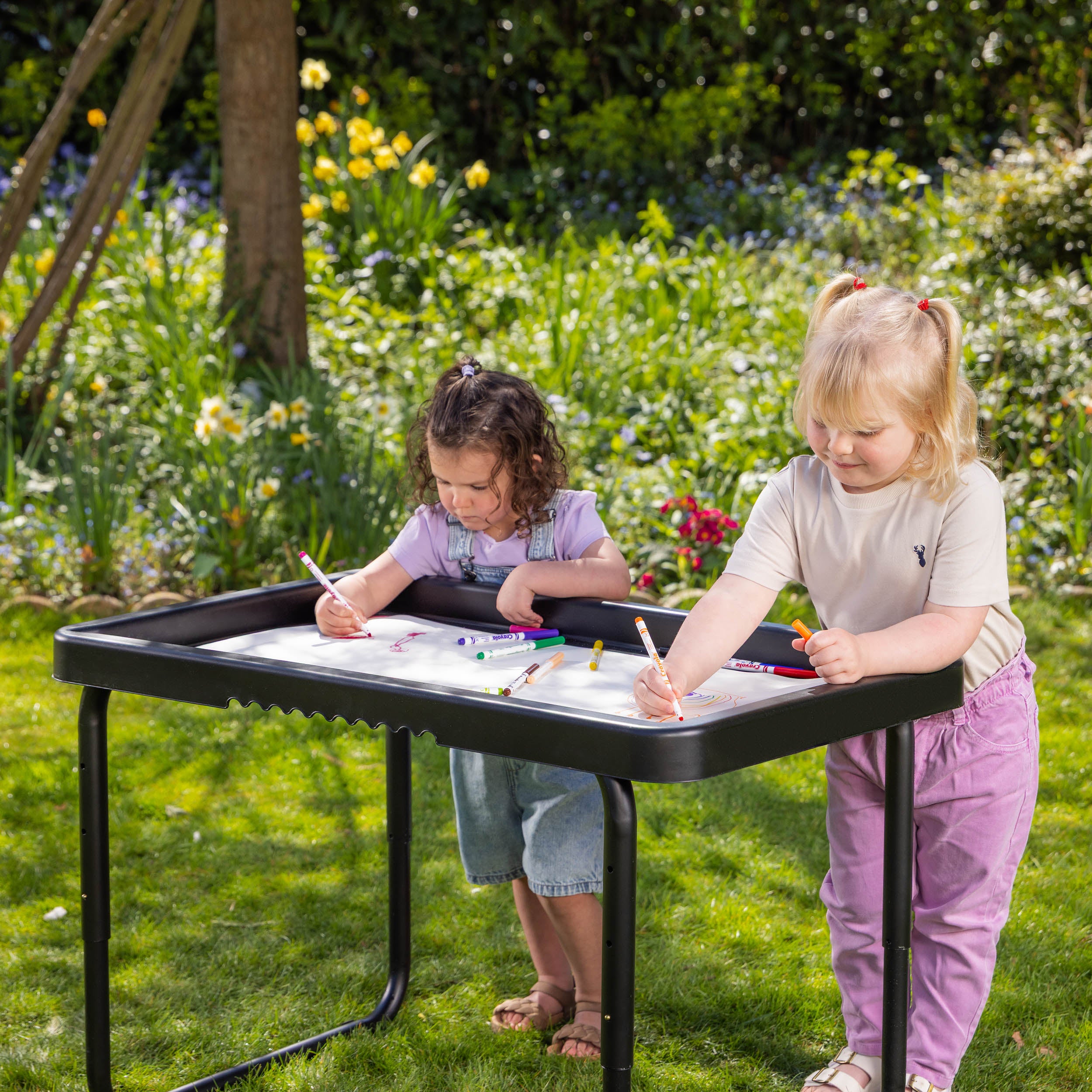
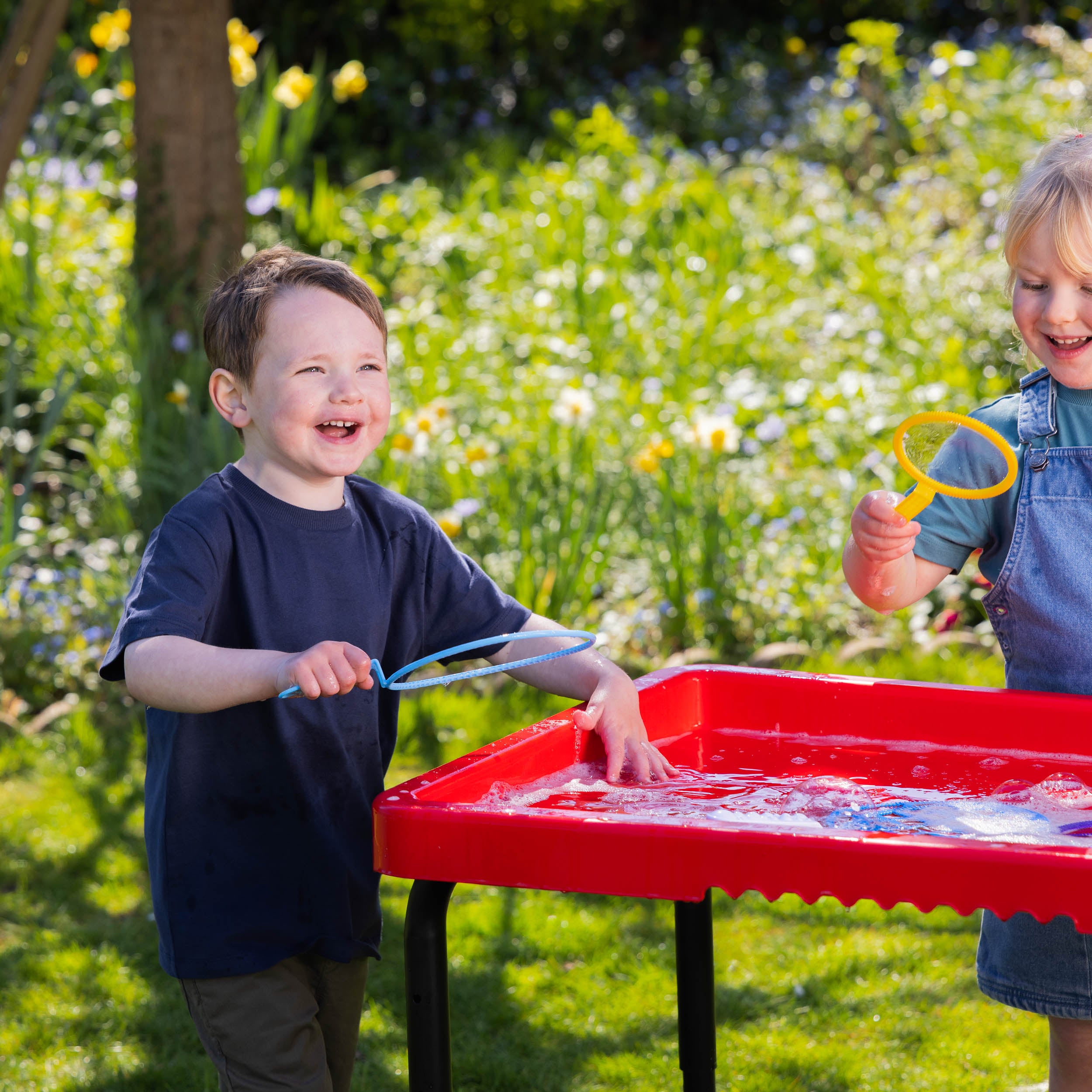
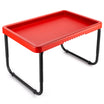
- Sensory trays
- Arts and crafts activities
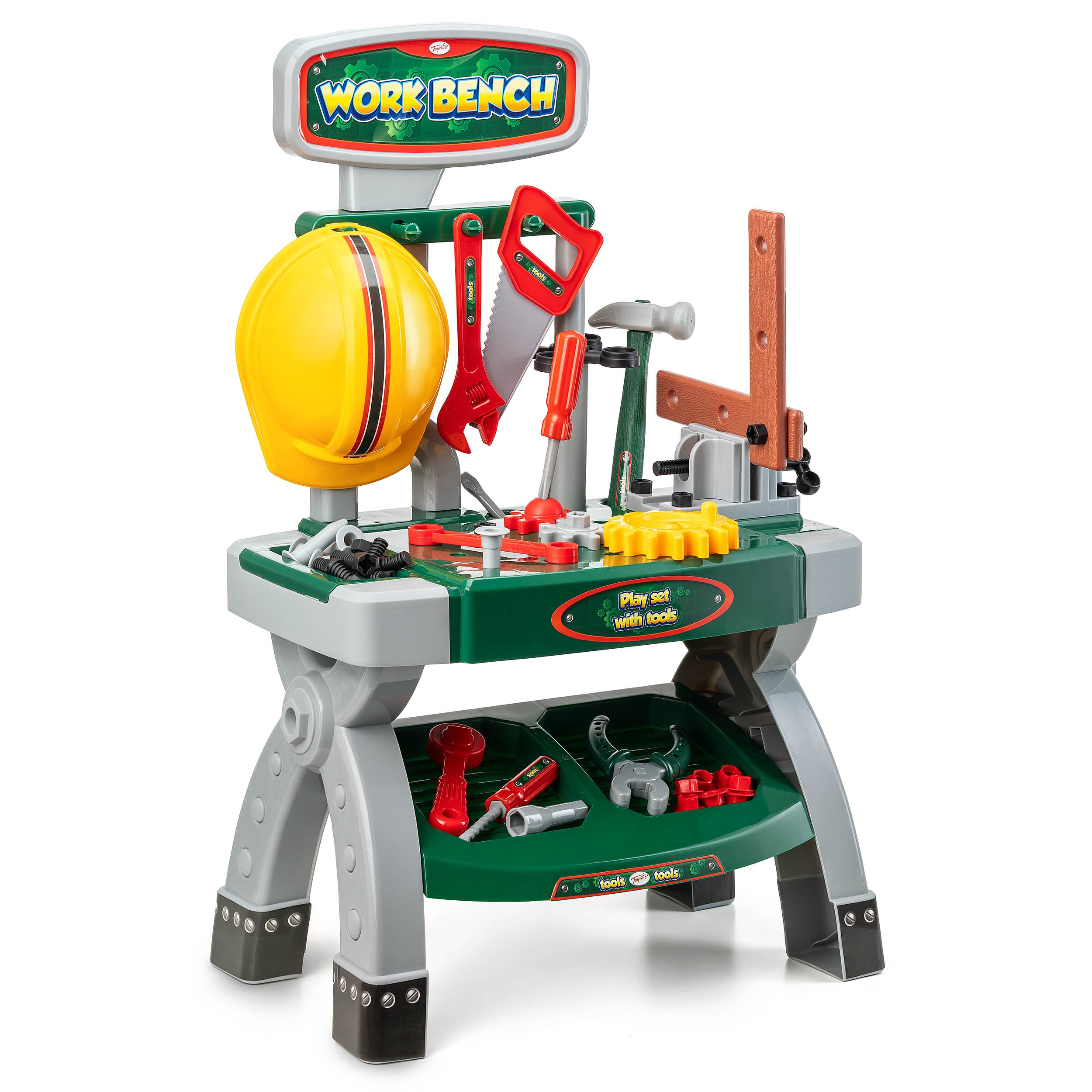
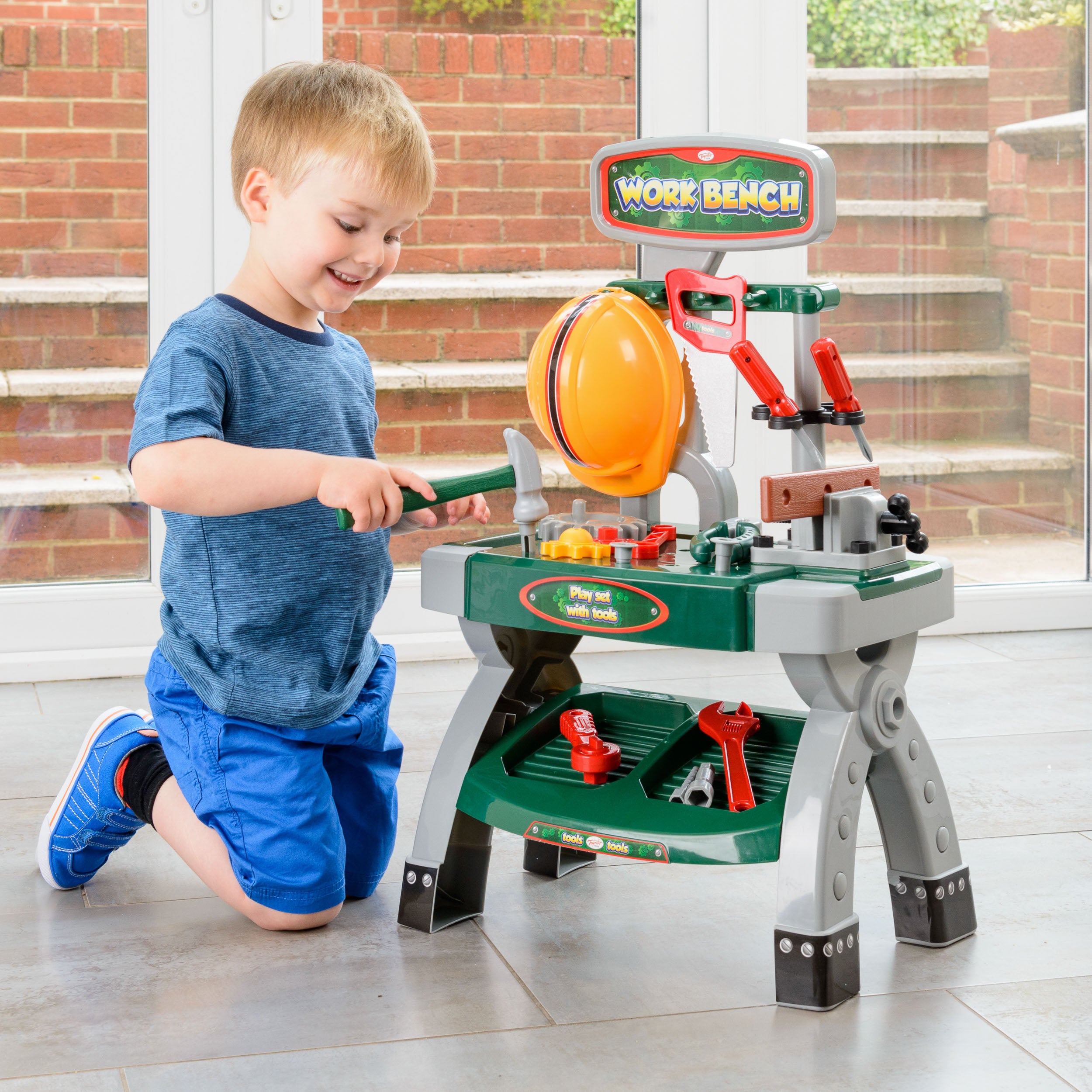
- Role play toys
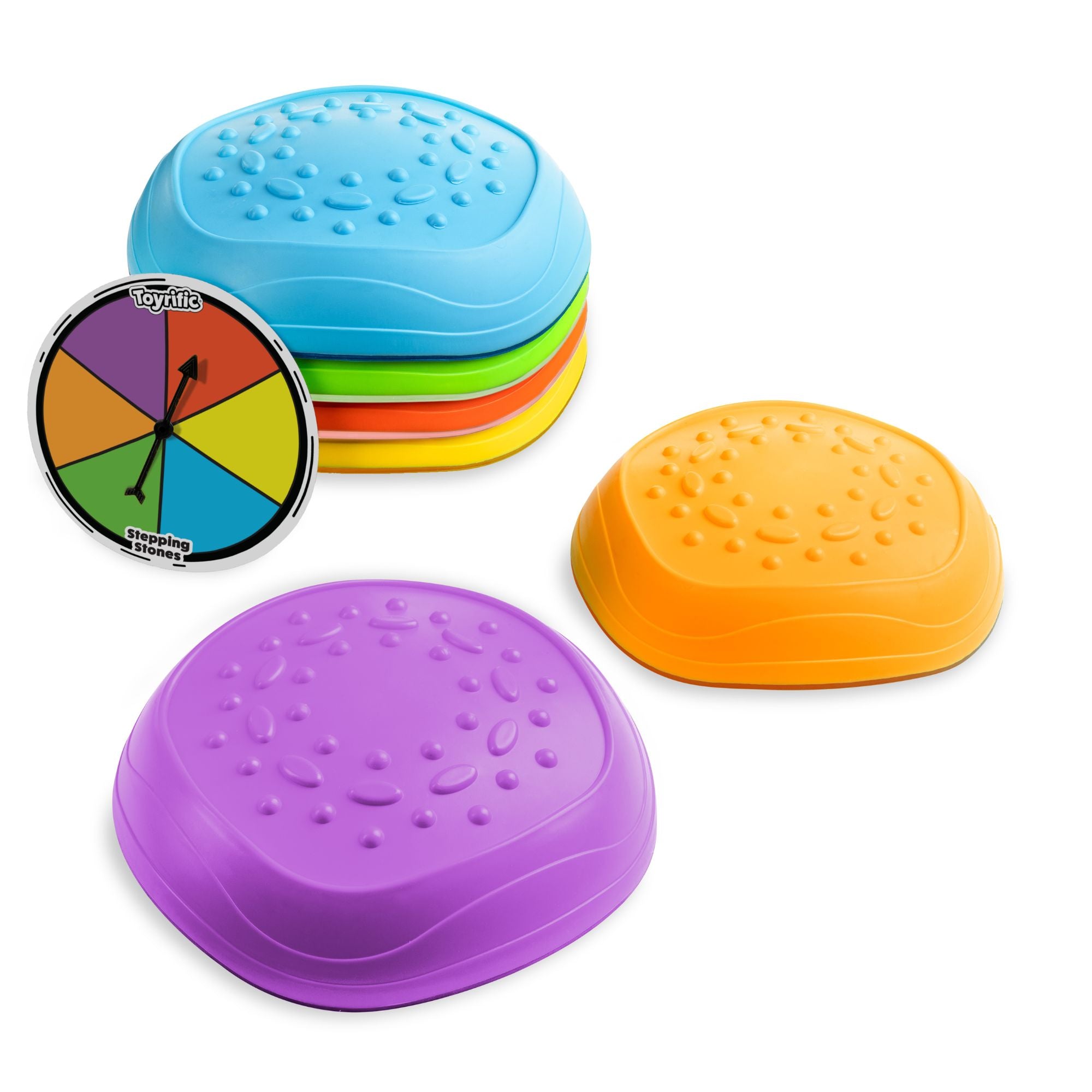
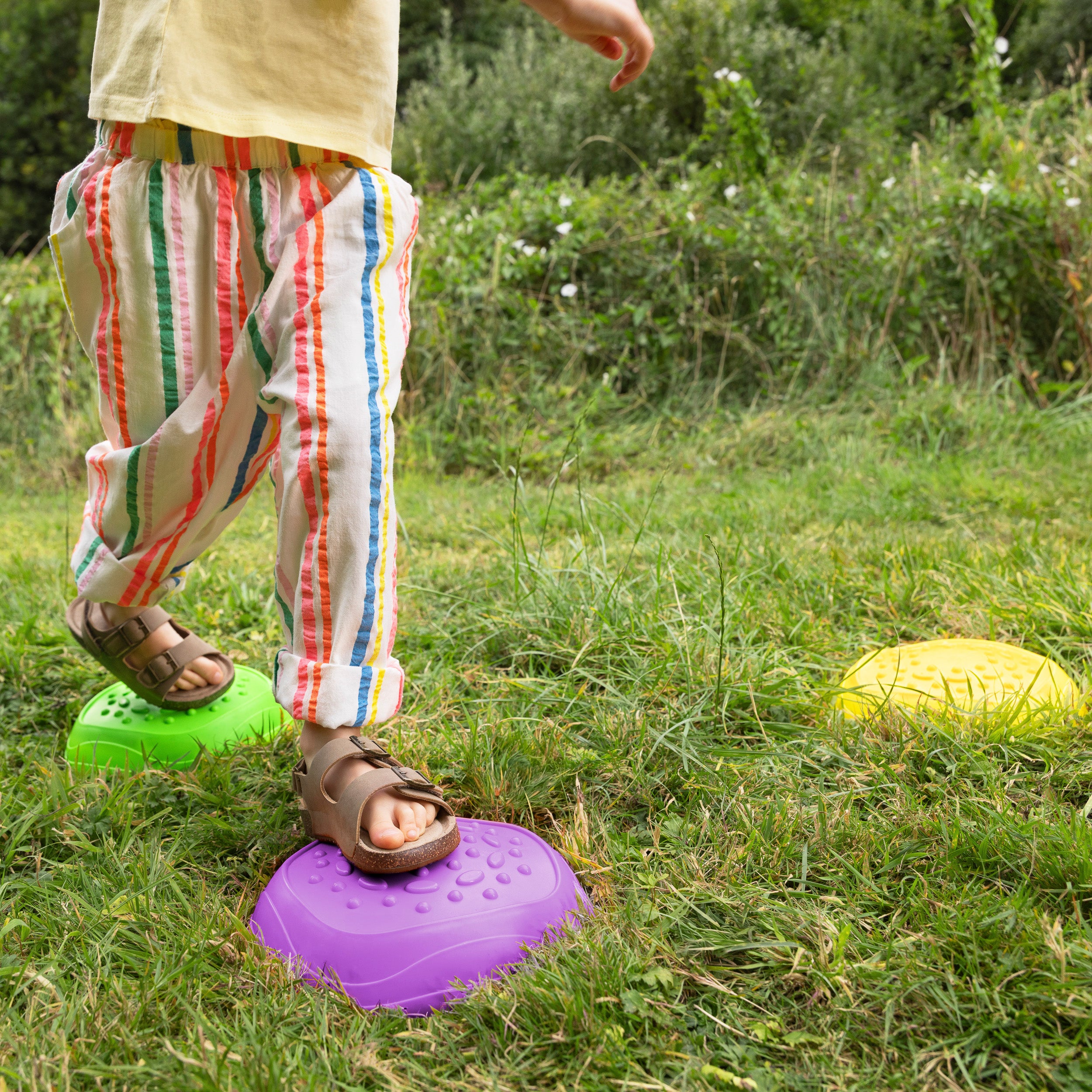
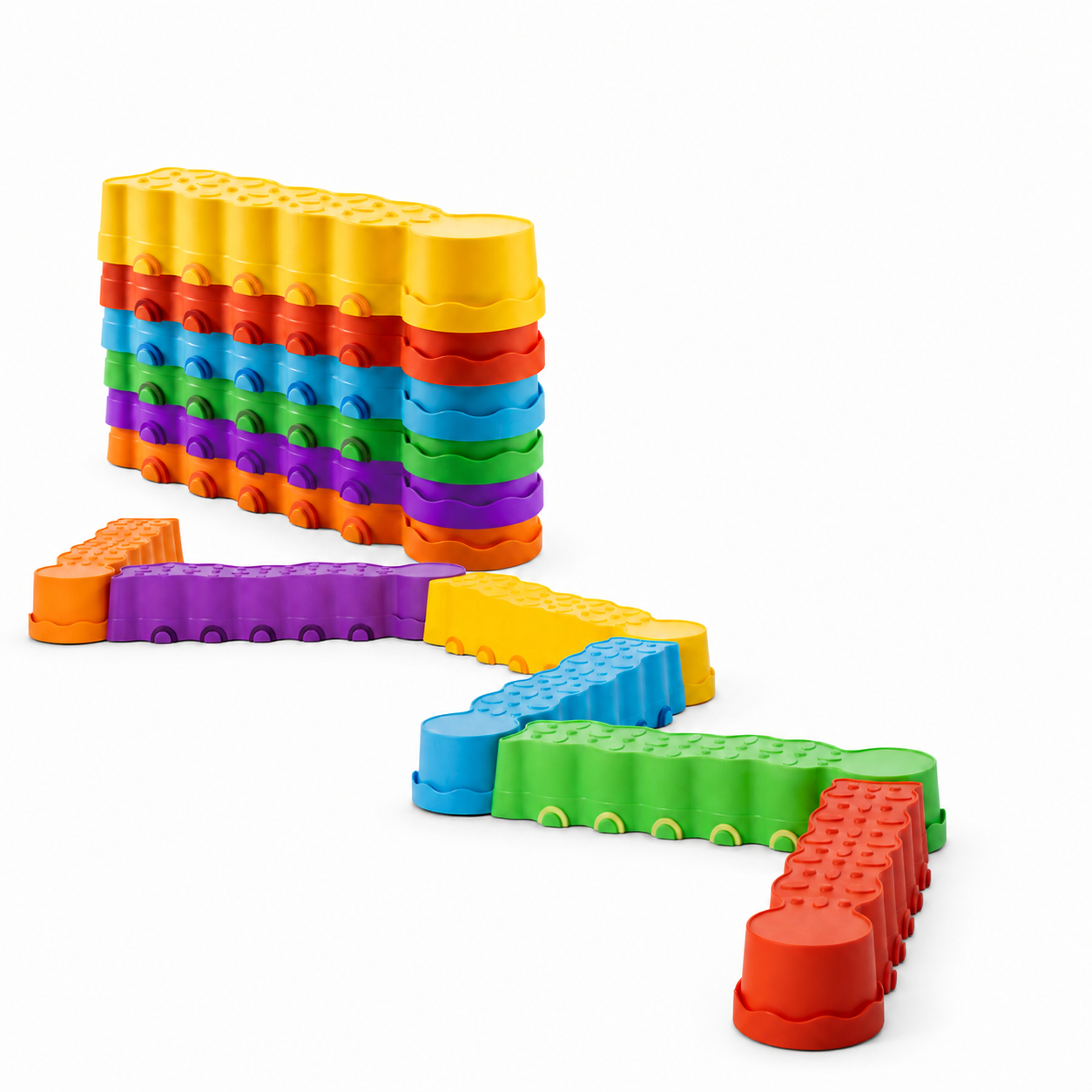
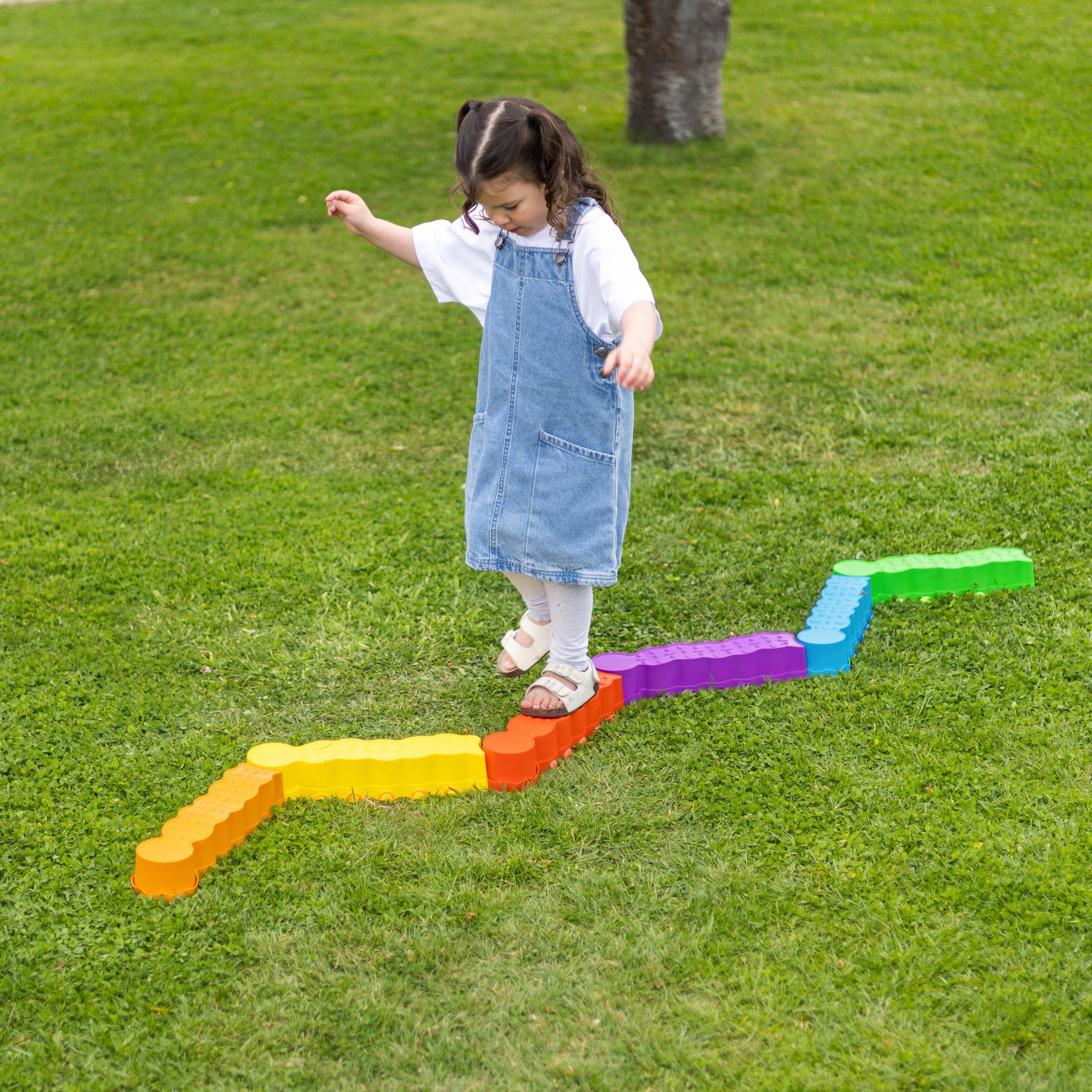
- Movement toys, such as Toyrific's Stepping Stones
Each time these toys are reintroduced, children often rediscover them with fresh enthusiasm, creating new games and exploring different ways to play.
How Do You Start Toy Rotation at Home?
Starting a toy rotation doesn't have to be complicated. Even small changes can make a noticeable difference to your child's play.
Follow these simple steps:
- Choose 5 to 8 toys to leave out.
- Store the remaining toys in a cupboard or storage box.
- Rotate the toys every 2 to 4 weeks, or sooner if your child loses interest.
- Observe which toys your child naturally returns to and adjust future rotations accordingly.
As you learn more about your child's interests, you can tailor your toy rotation to support different areas of development, whether that's creativity, sensory exploration, movement or problem-solving.
Why Does Toy Rotation Encourage Better Play?
When a play space feels less cluttered, children often find it easier to focus on one activity at a time. Instead of feeling overwhelmed by endless choices, they can fully immerse themselves in building, creating, imagining and exploring.
This deeper engagement supports important developmental skills, including concentration, confidence, decision-making and independent thinking.
Toy rotation also teaches children to value the toys they already have, helping them see familiar favourites in new ways every time they're rotated back into the play space.
Create a Calmer Play Space With Toy Rotation
Toy rotation isn't just beneficial for children. It also helps parents create a more organised and peaceful home.
With fewer toys on display, tidying becomes quicker, storage is easier to manage and play areas feel more inviting for the whole family.
Sometimes, less really is more, especially when it comes to creating meaningful play experiences that support your child's development.