






Why Simple Toys Keep Kids Engaged For Longer
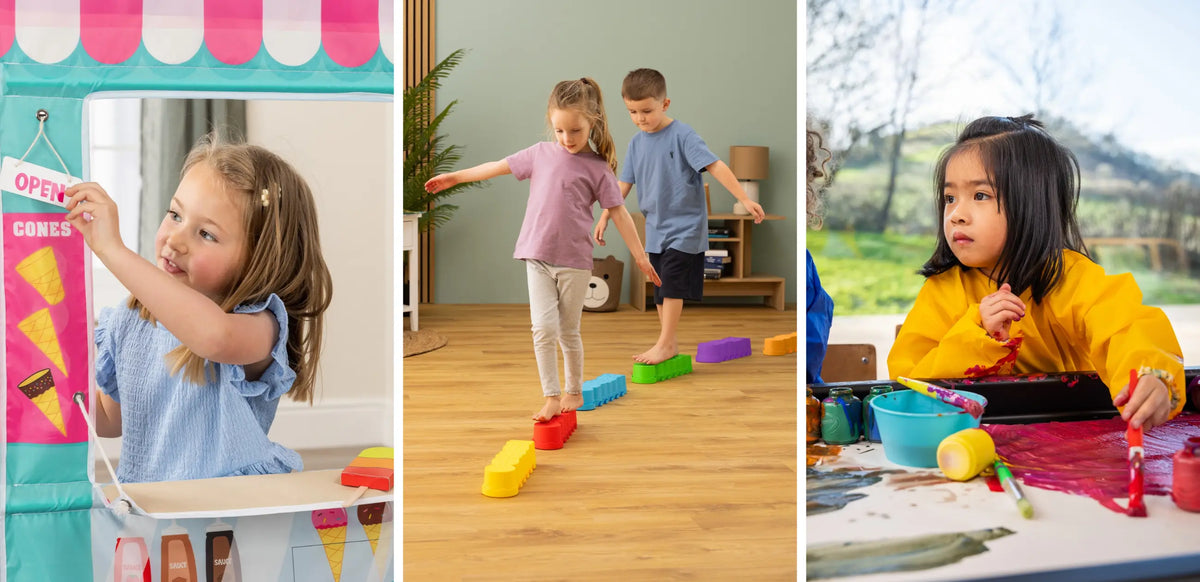
With so many toys offering flashing lights, sounds and endless features, it's easy to think that more is always better. But sometimes, the simplest toys are the ones children return to again and again.
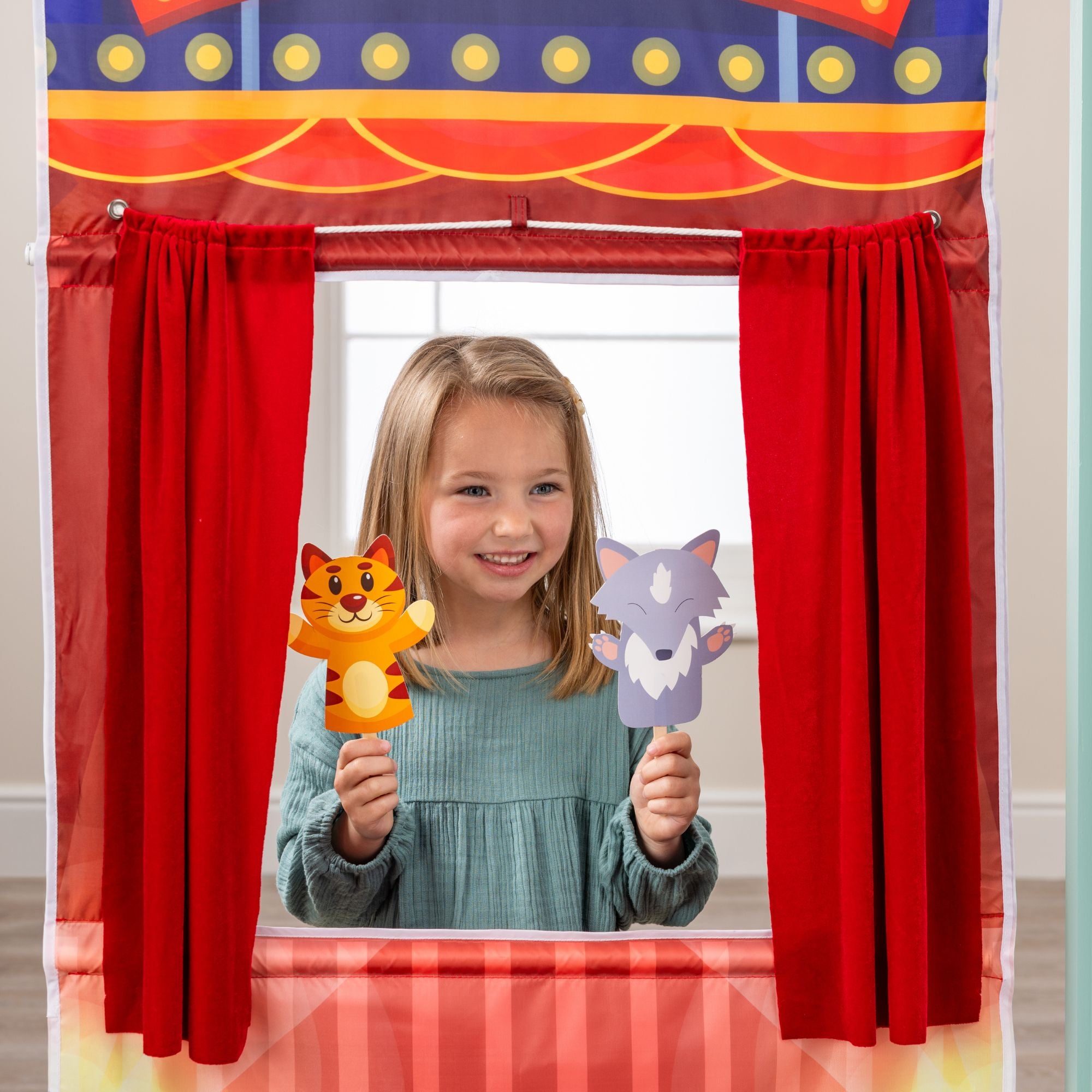
From building blocks and sensory trays to imaginative role play, toys that leave room for creativity can offer endless opportunities for learning and discovery.
Why Are Simple Toys Good for Children?
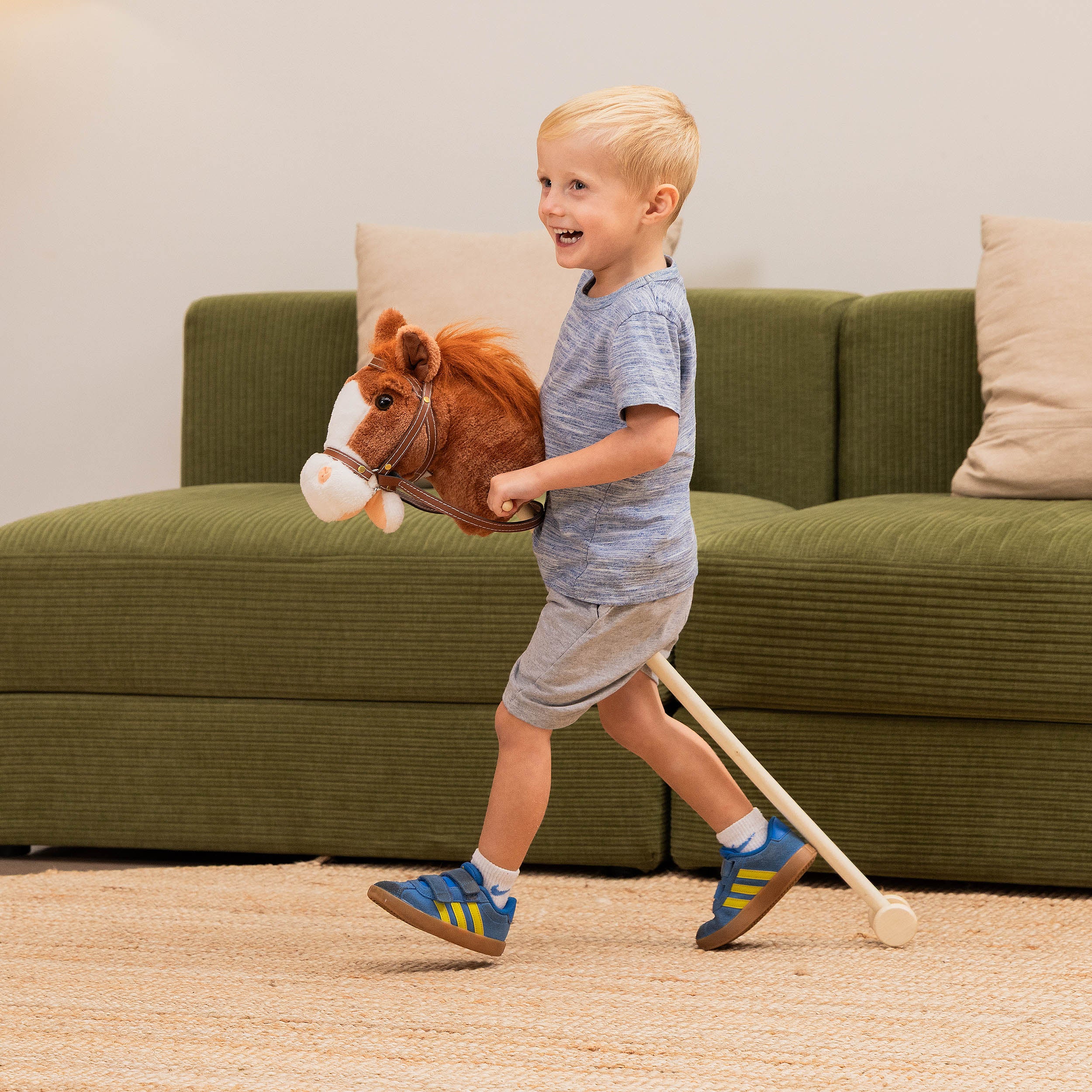
Simple toys encourage open-ended play, allowing children to explore, experiment and use their imagination without following a fixed set of instructions.
Rather than telling children exactly how to play, they give them the freedom to create their own games and experiences.
This type of play can help children:
- Develop creativity and imagination
- Practise problem-solving skills
- Build confidence and independence
-
Explore different ways to learn through play
More Ways to Play, More Reasons to Return
One of the biggest benefits of simple toys is their versatility.
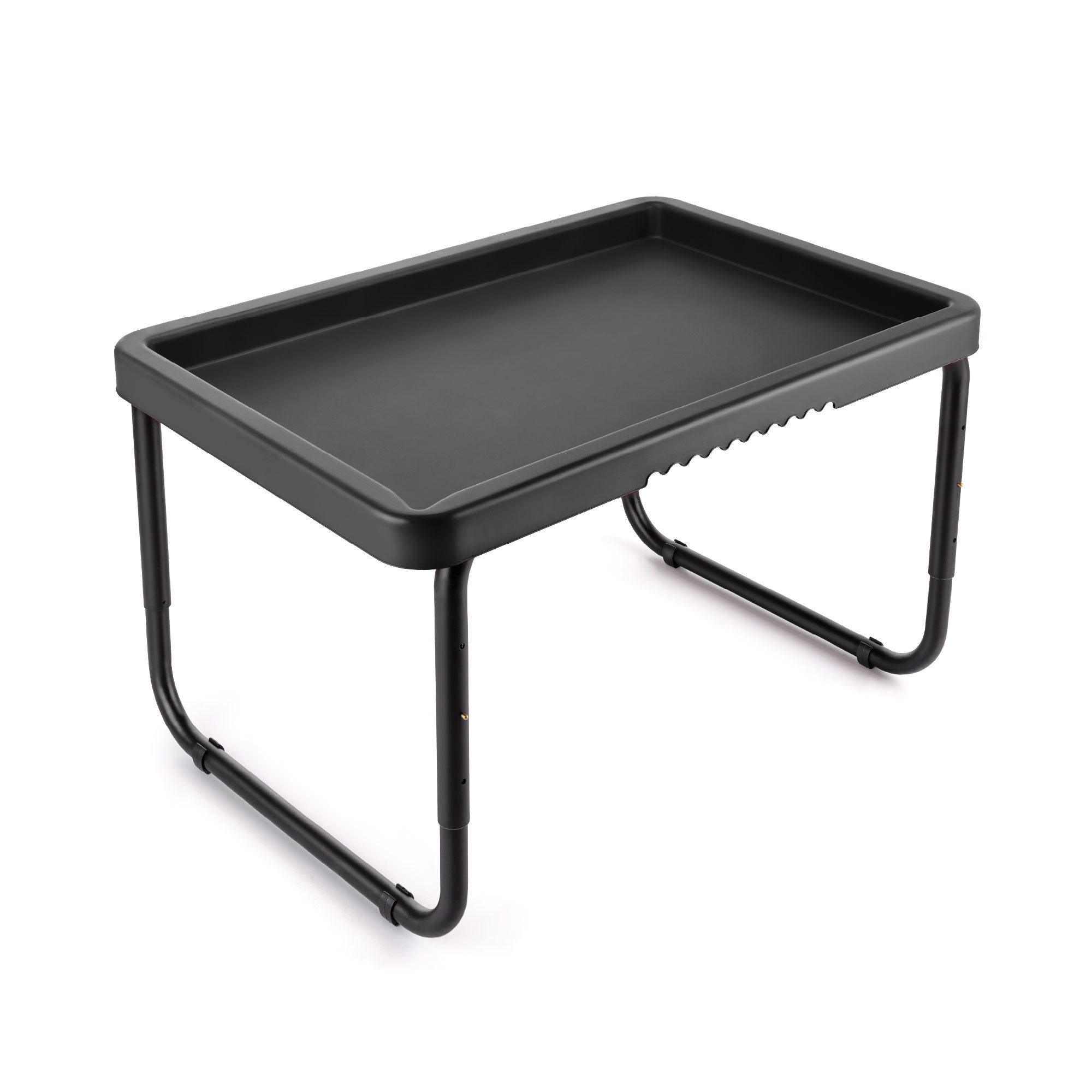
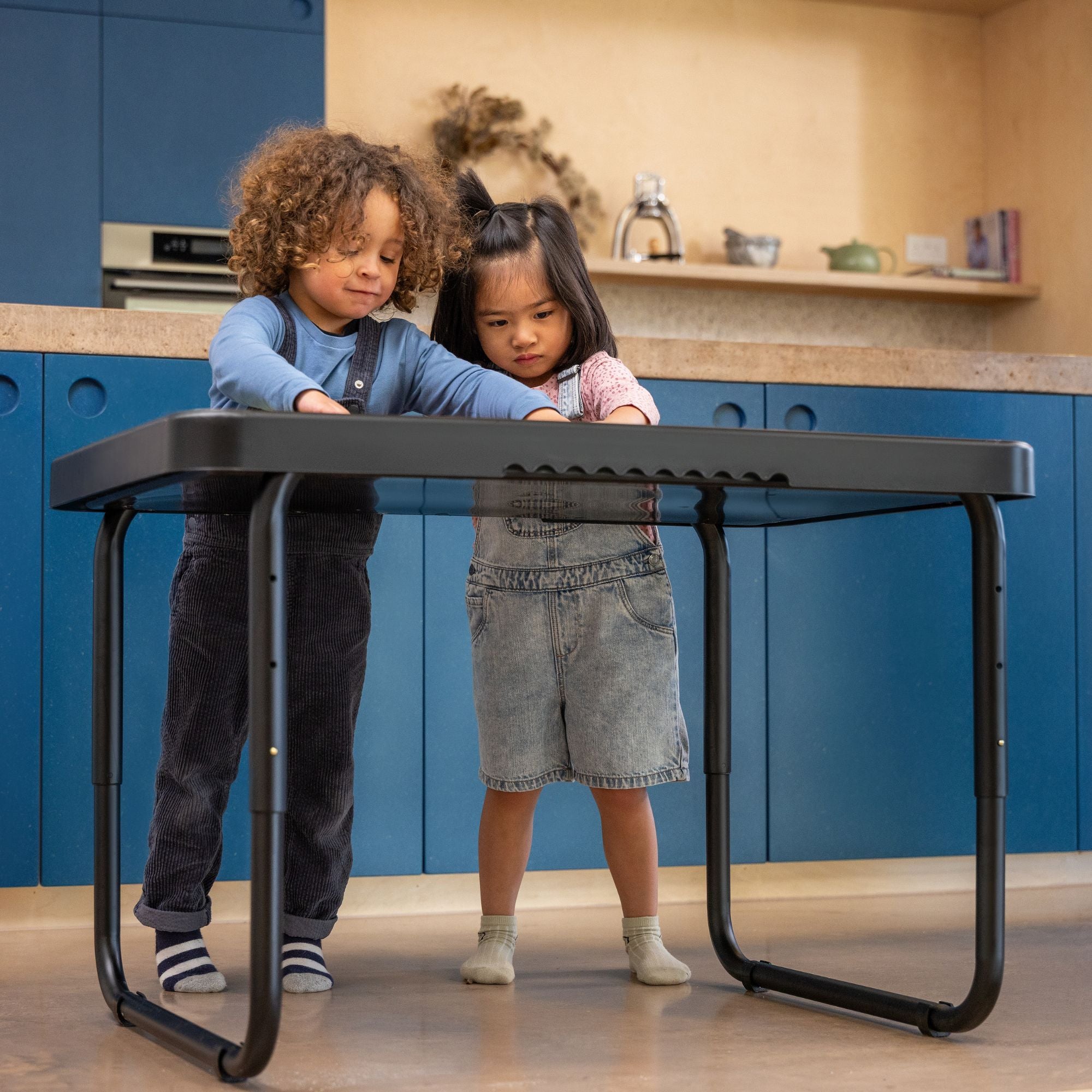
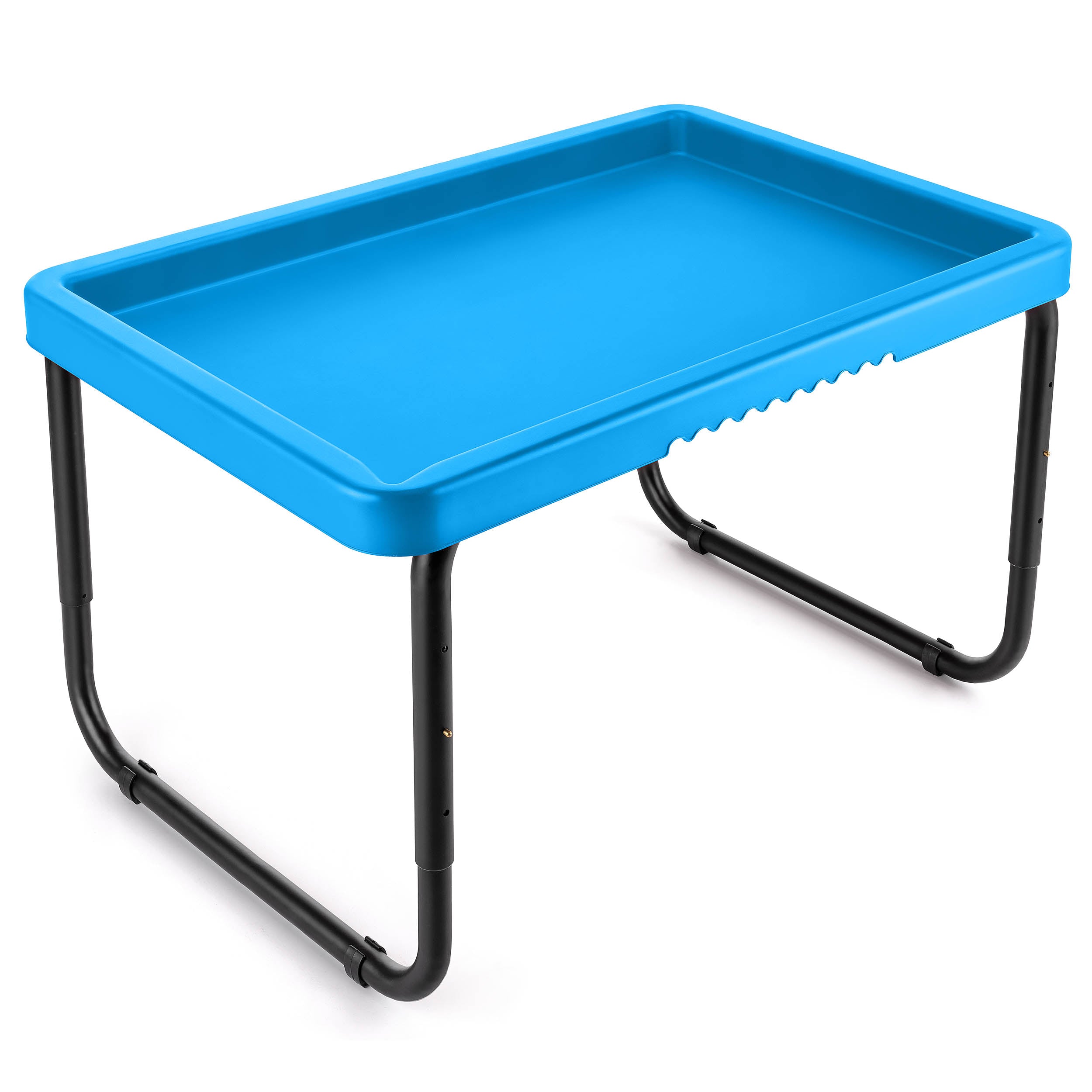
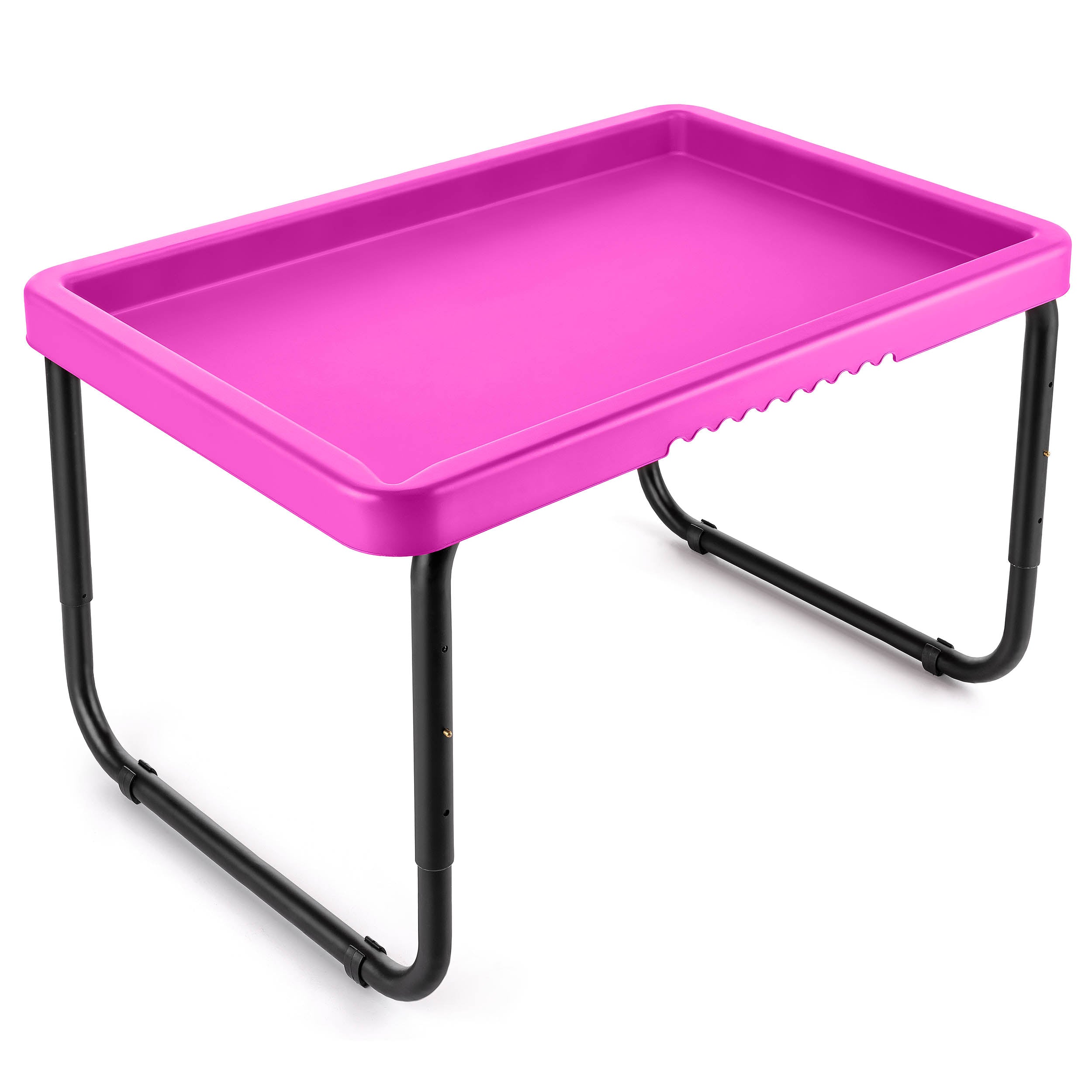
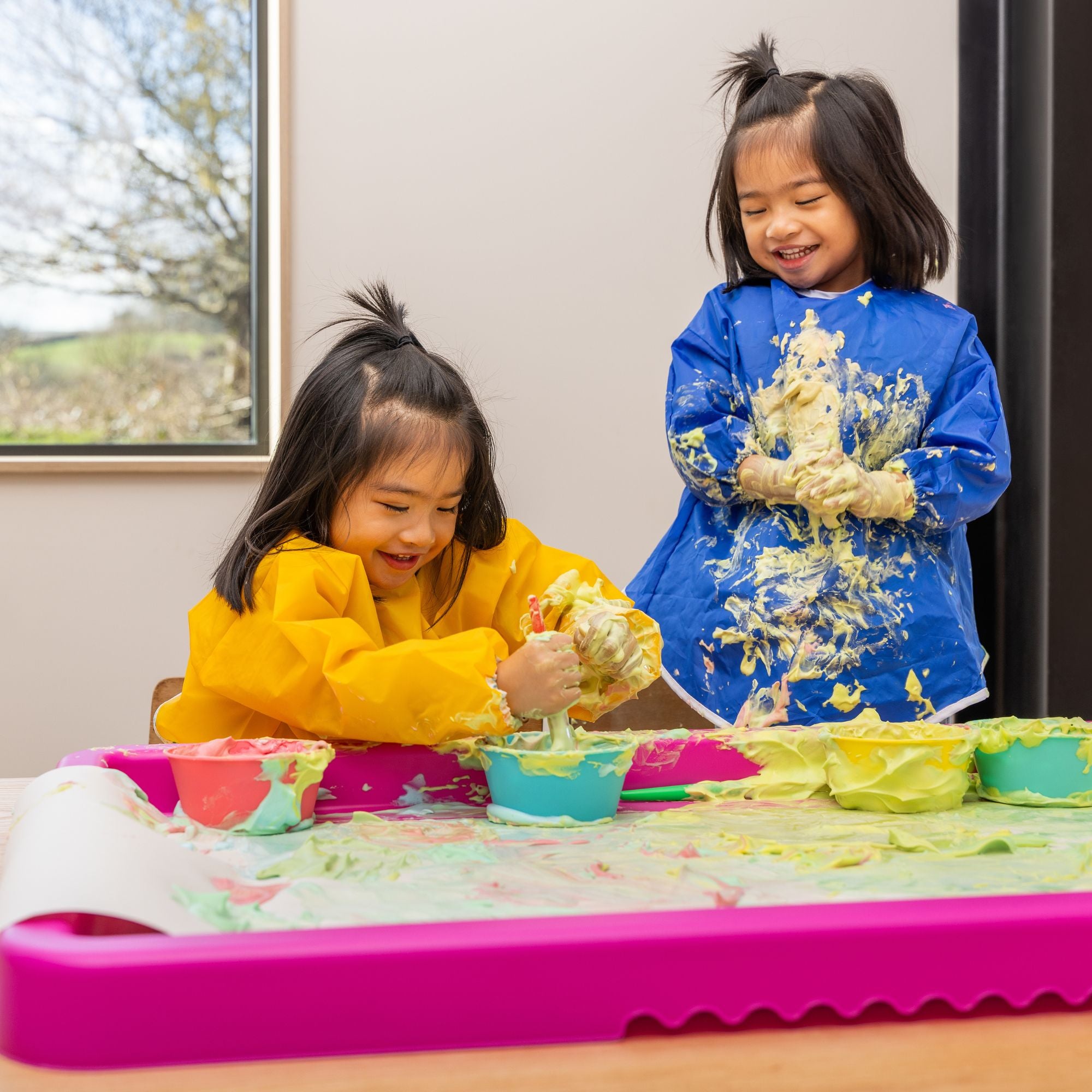
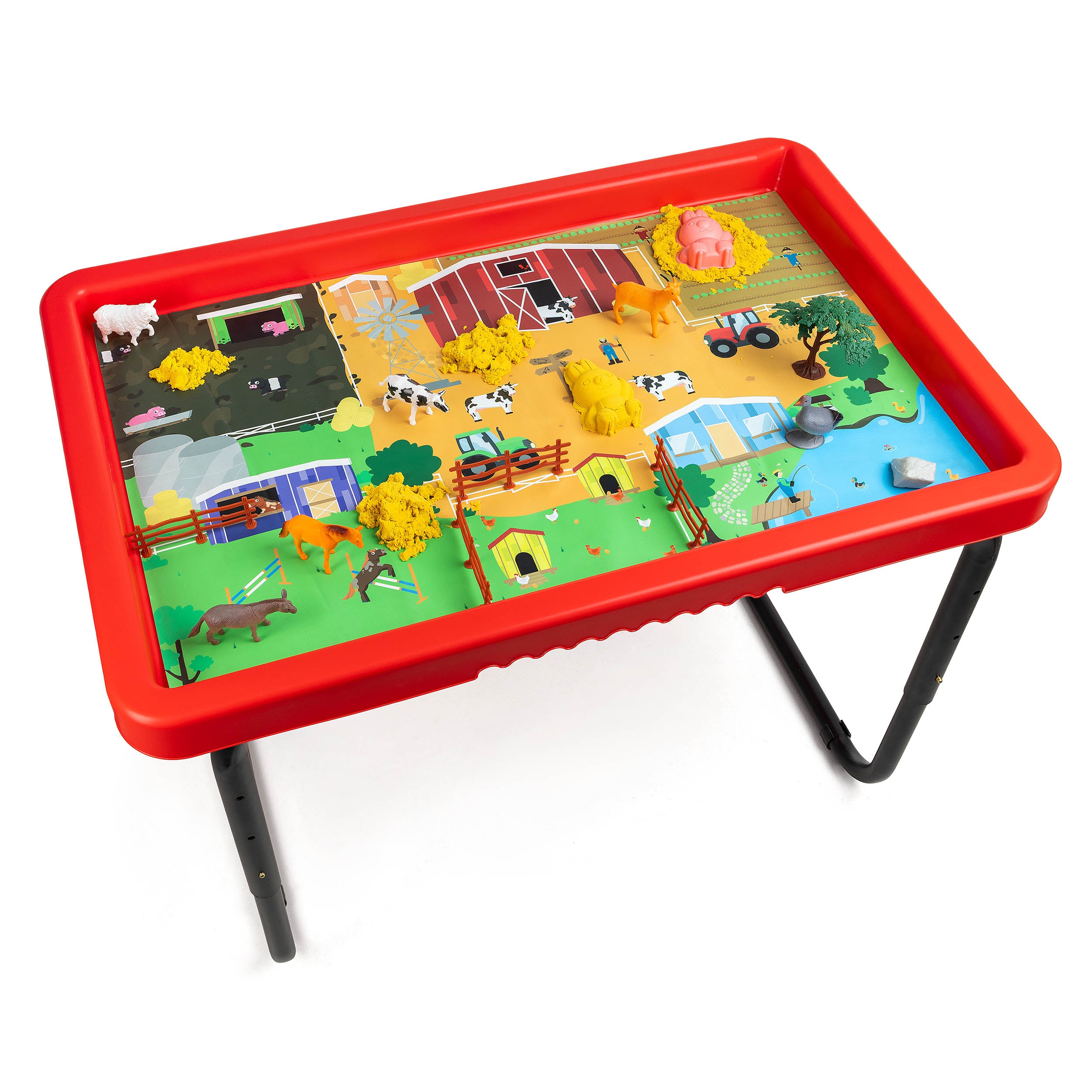
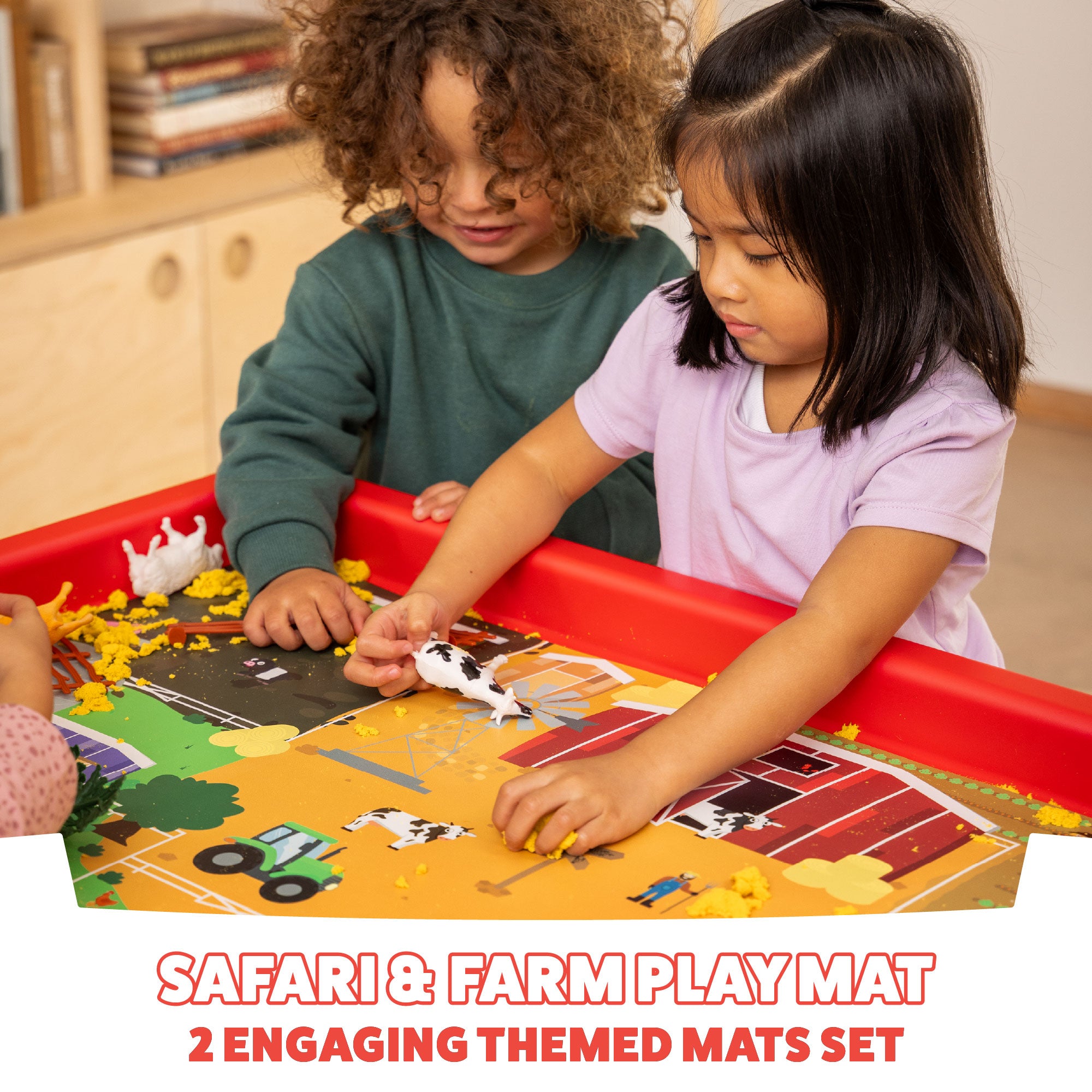
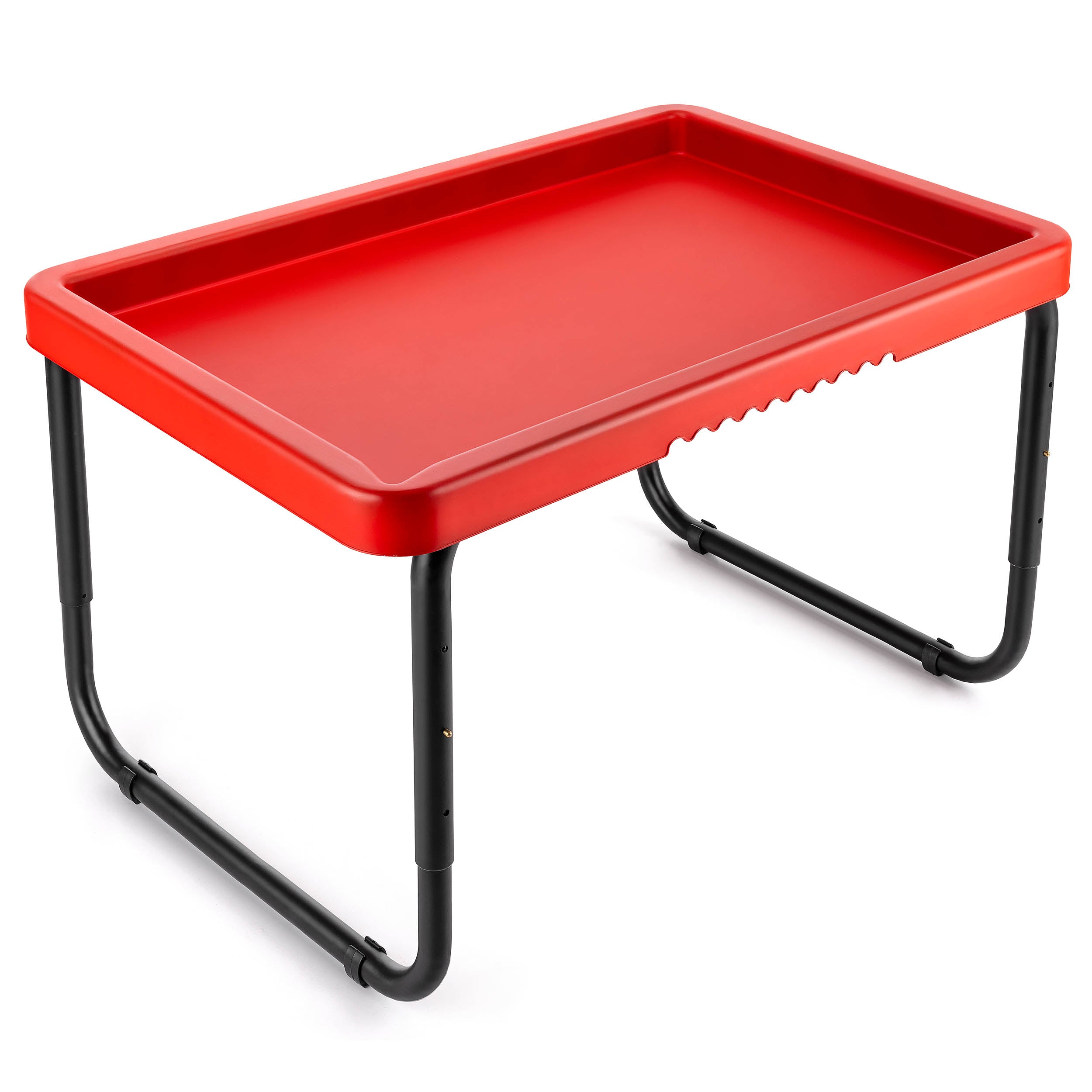
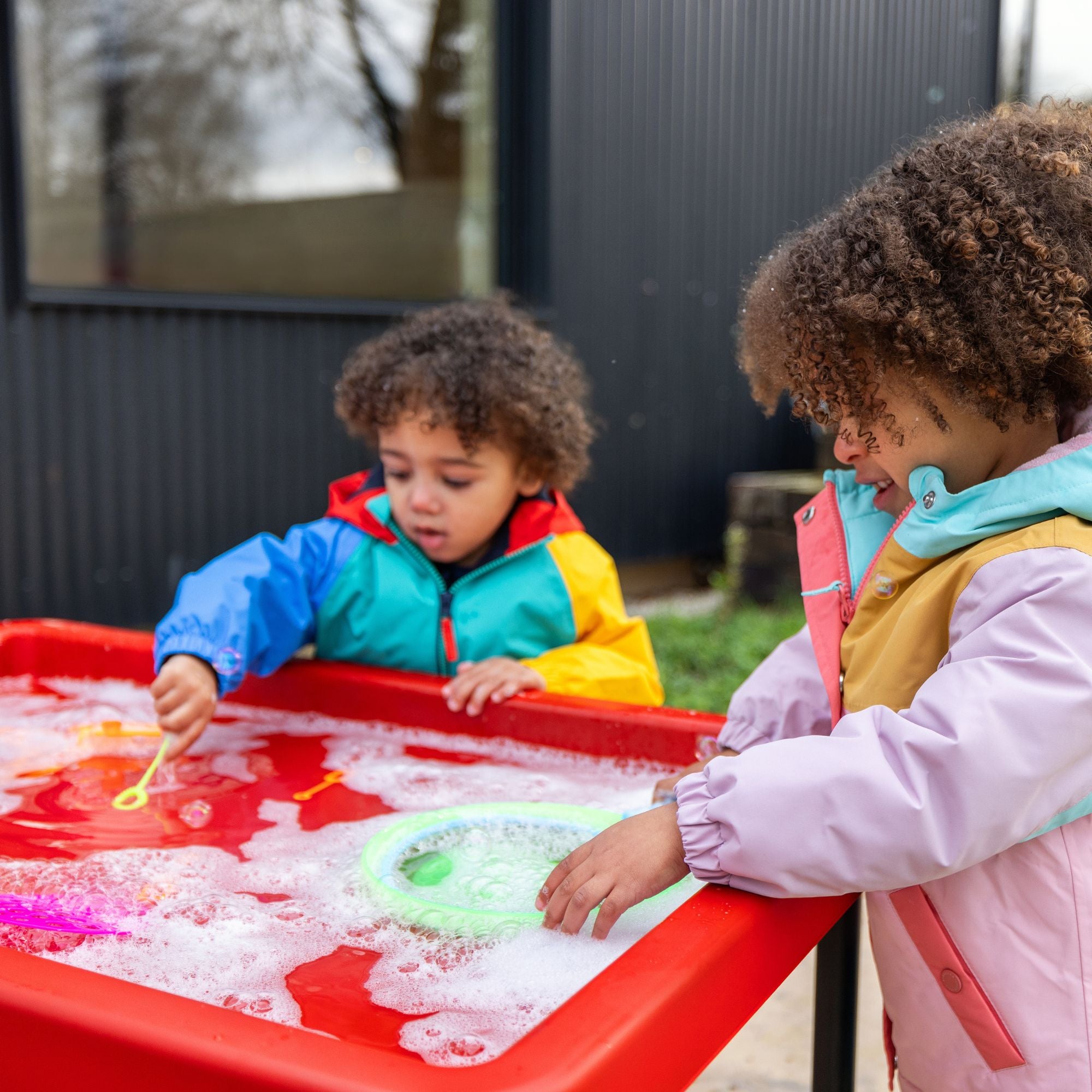
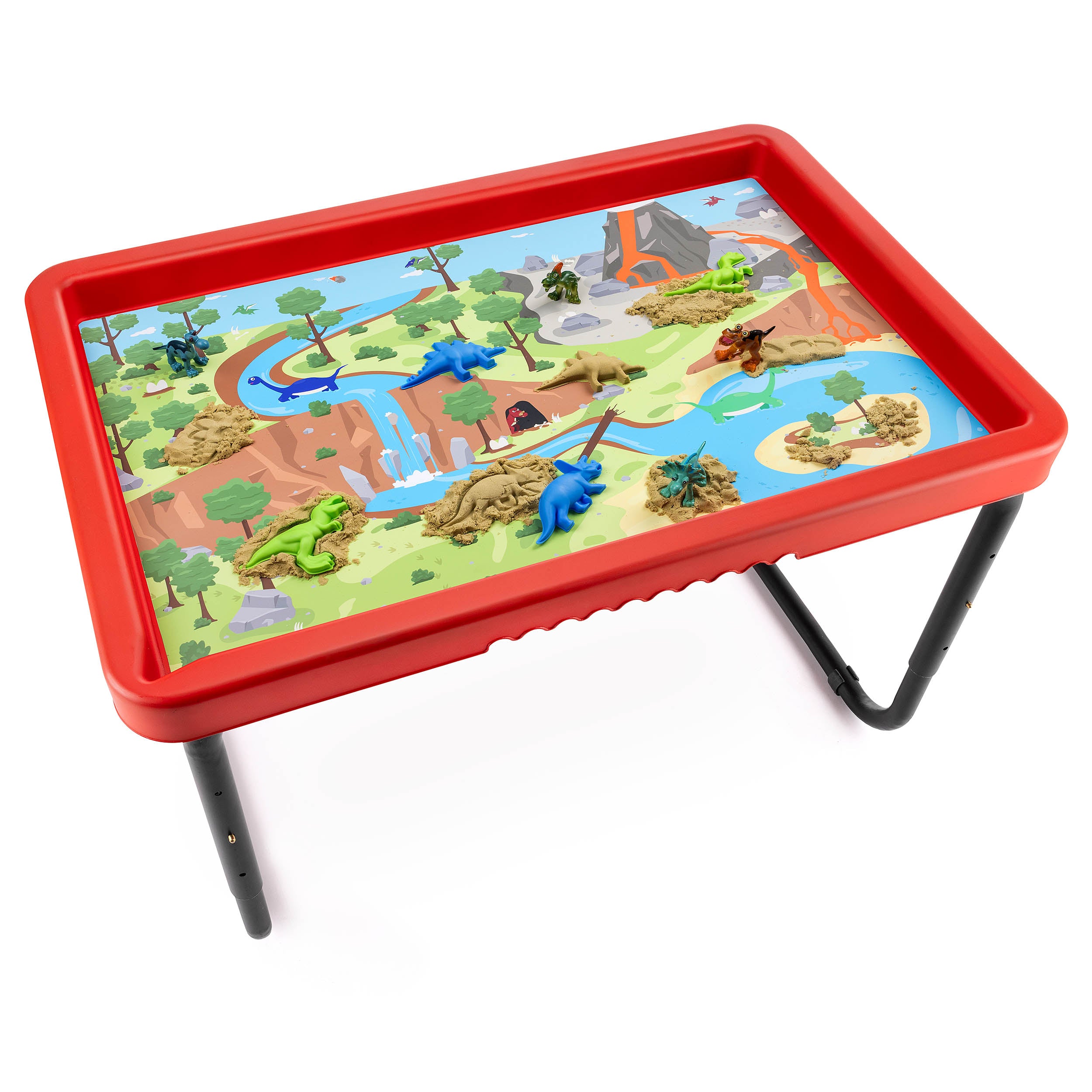
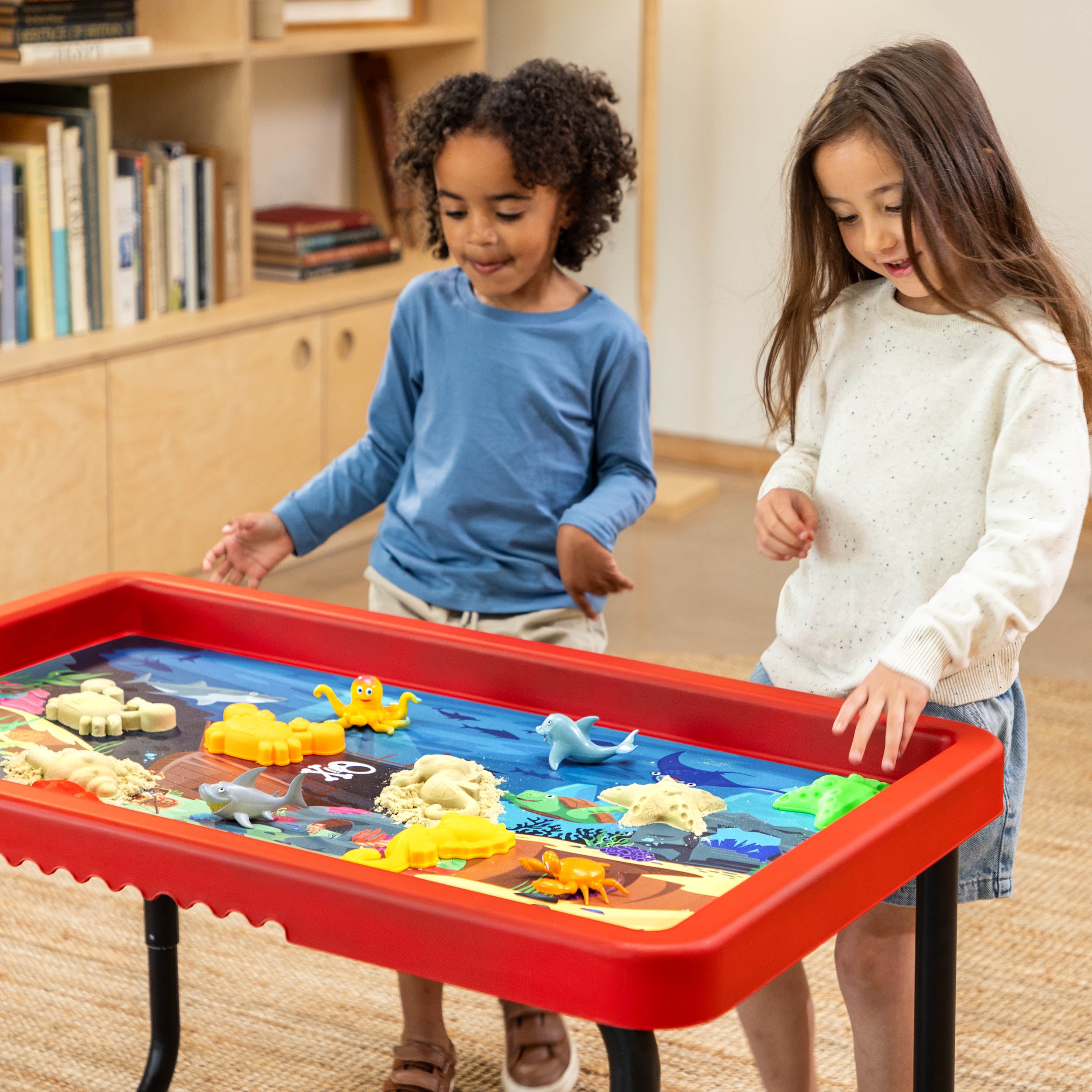
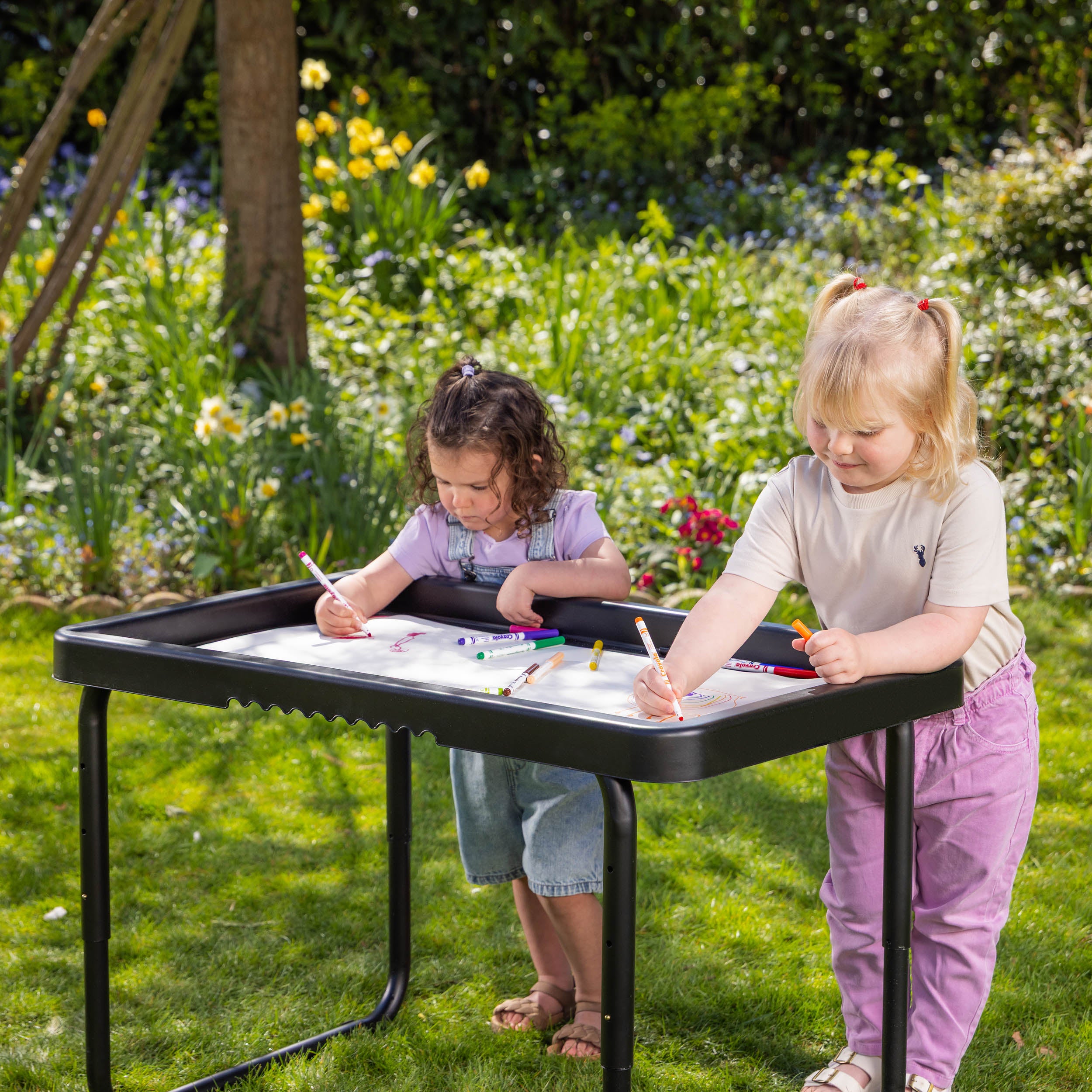
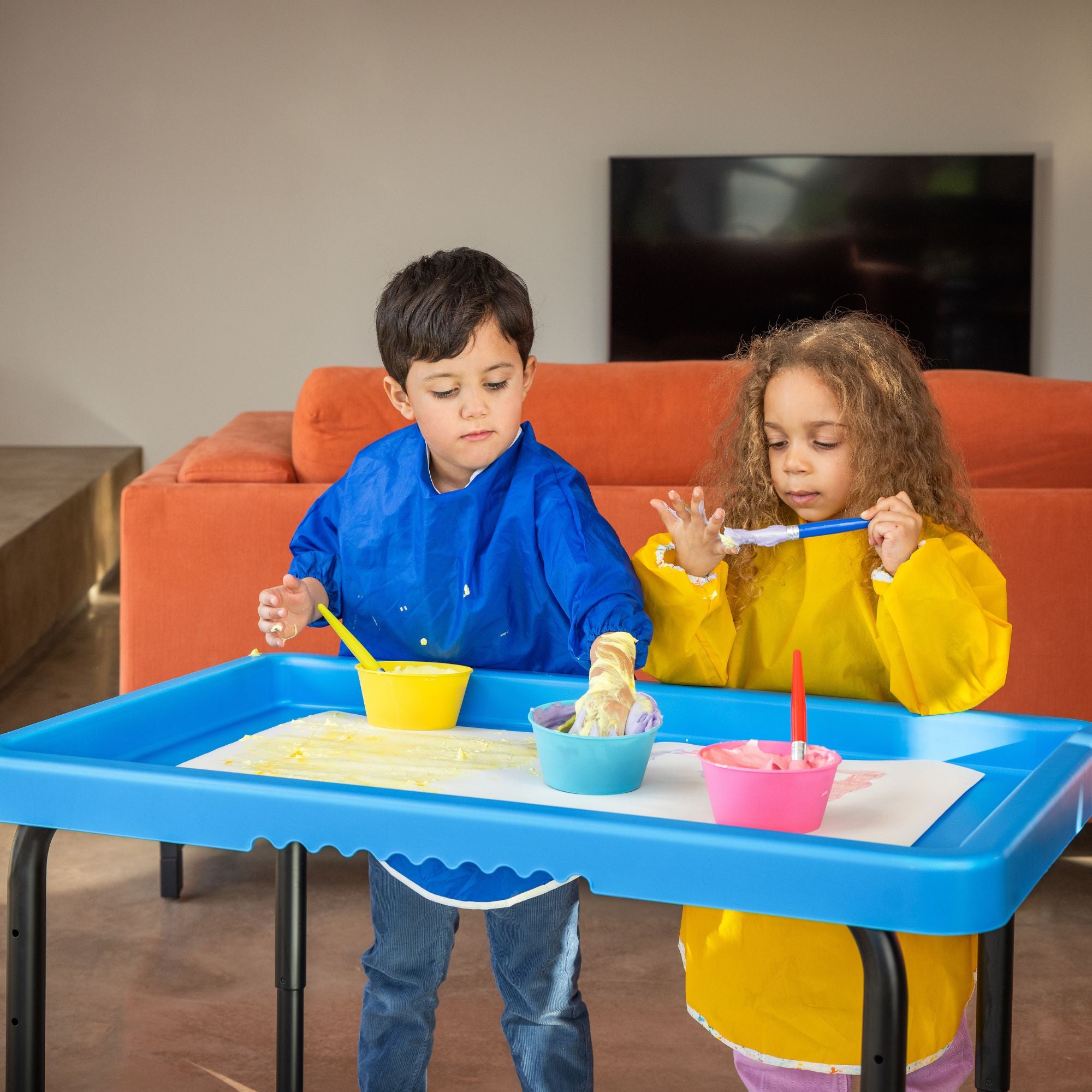
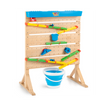
Take a sensory play tray, for example. One day it can become a miniature farm, the next a water play station or a colourful arts and crafts setup. The toy stays the same, but the possibilities change with every play session.
Toys that can be used in different ways encourage children to explore new ideas, making them useful as interests and abilities develop.
Why Do Children Lose Interest in Some Toys?
Children's interests naturally change, but toys with limited ways to play may offer fewer opportunities for creativity. A toy that only performs one function or requires complicated instructions can sometimes leave little room for children to experiment.
In contrast, open-ended toys allow children to take the lead, encouraging independent thinking and imaginative play.
Simple Toys Support Learning Through Play
Play is an important part of childhood development, and simple toys can support a wide range of skills.
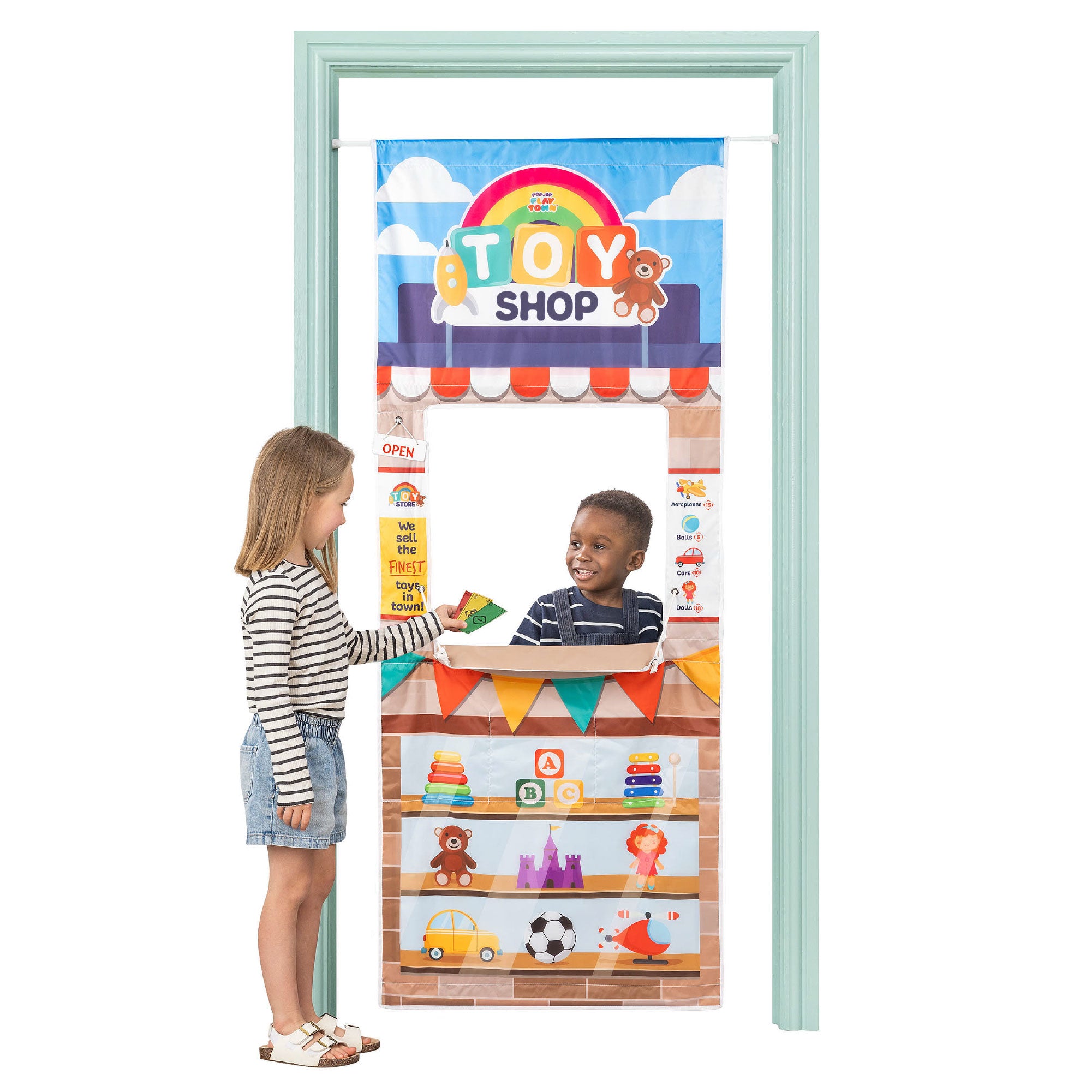
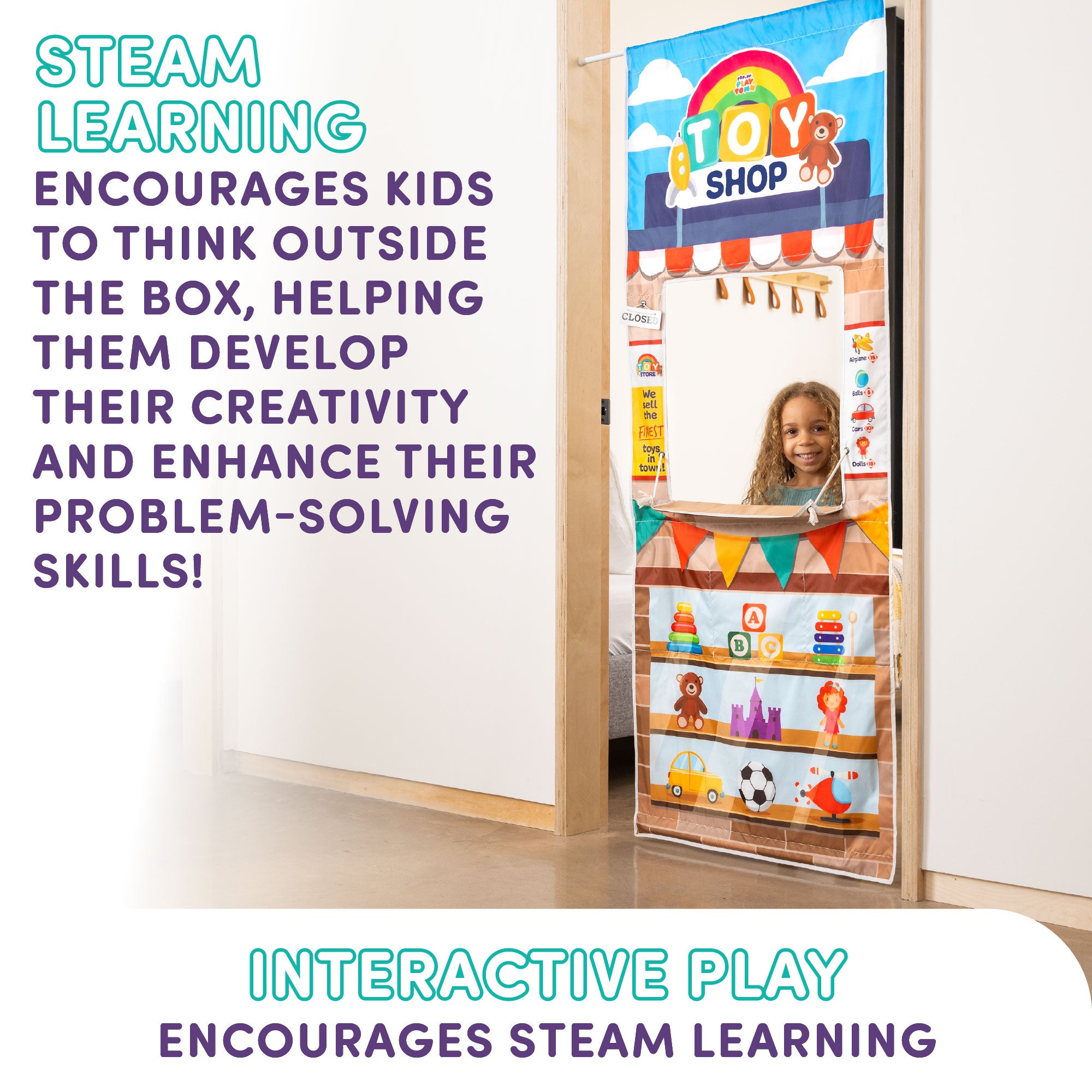
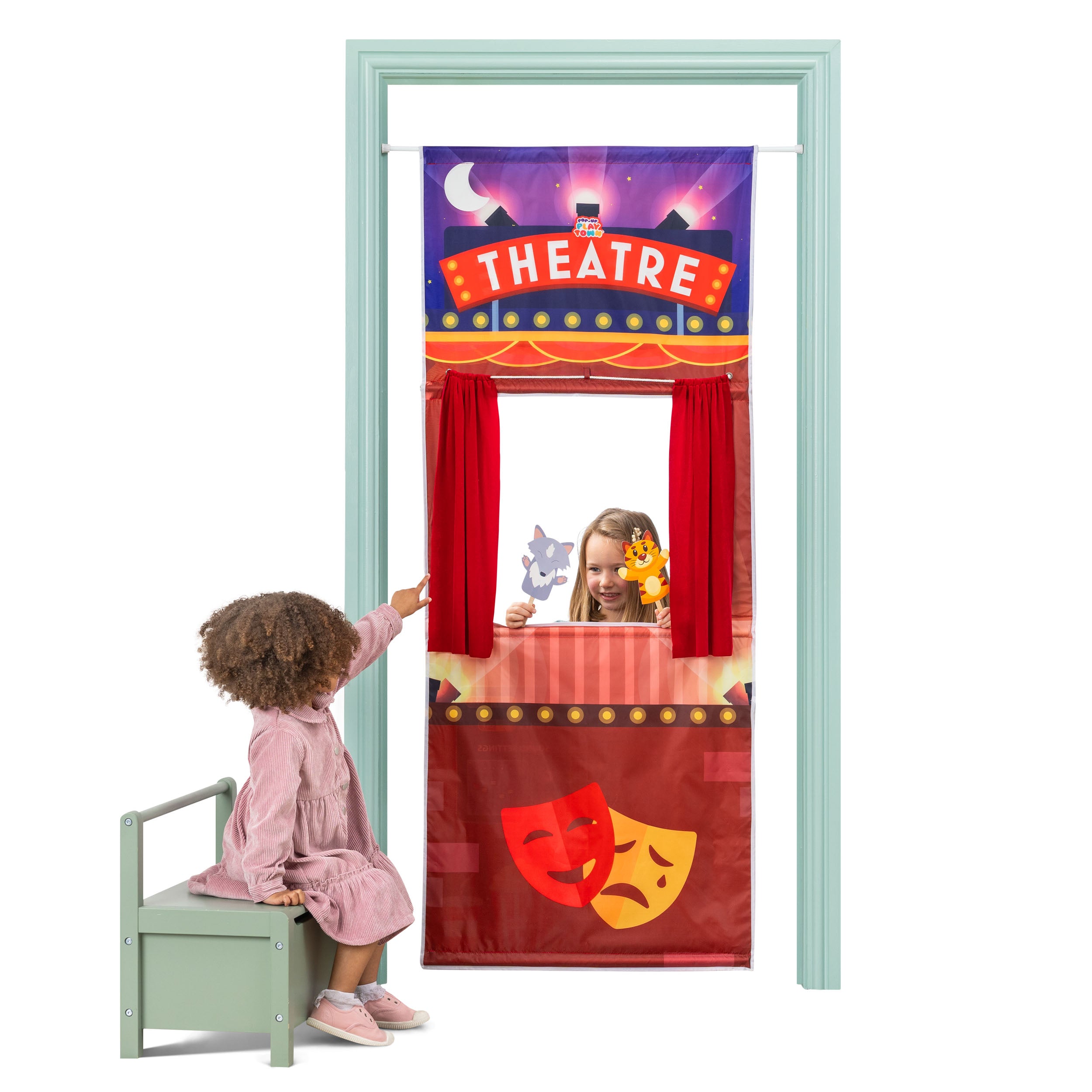
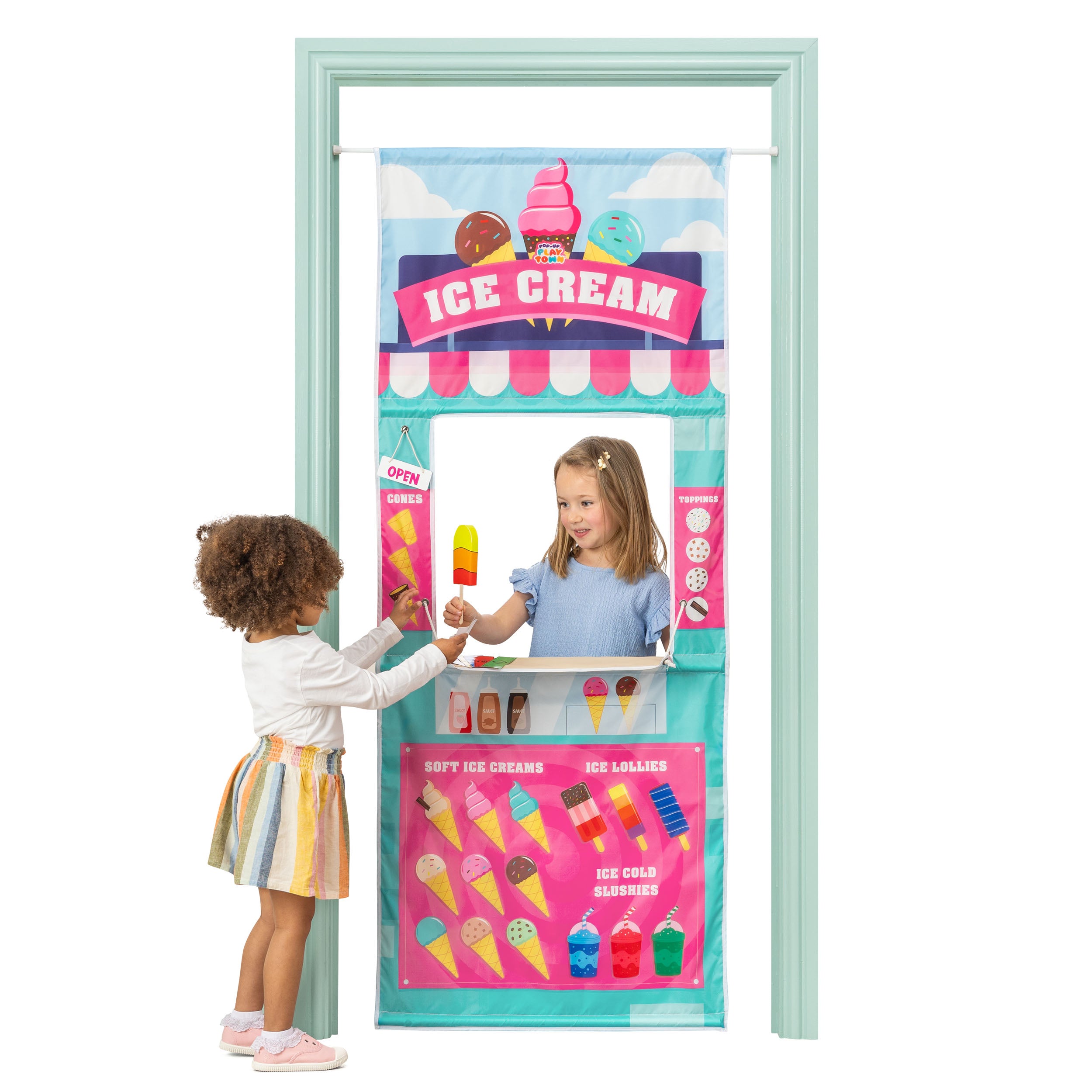
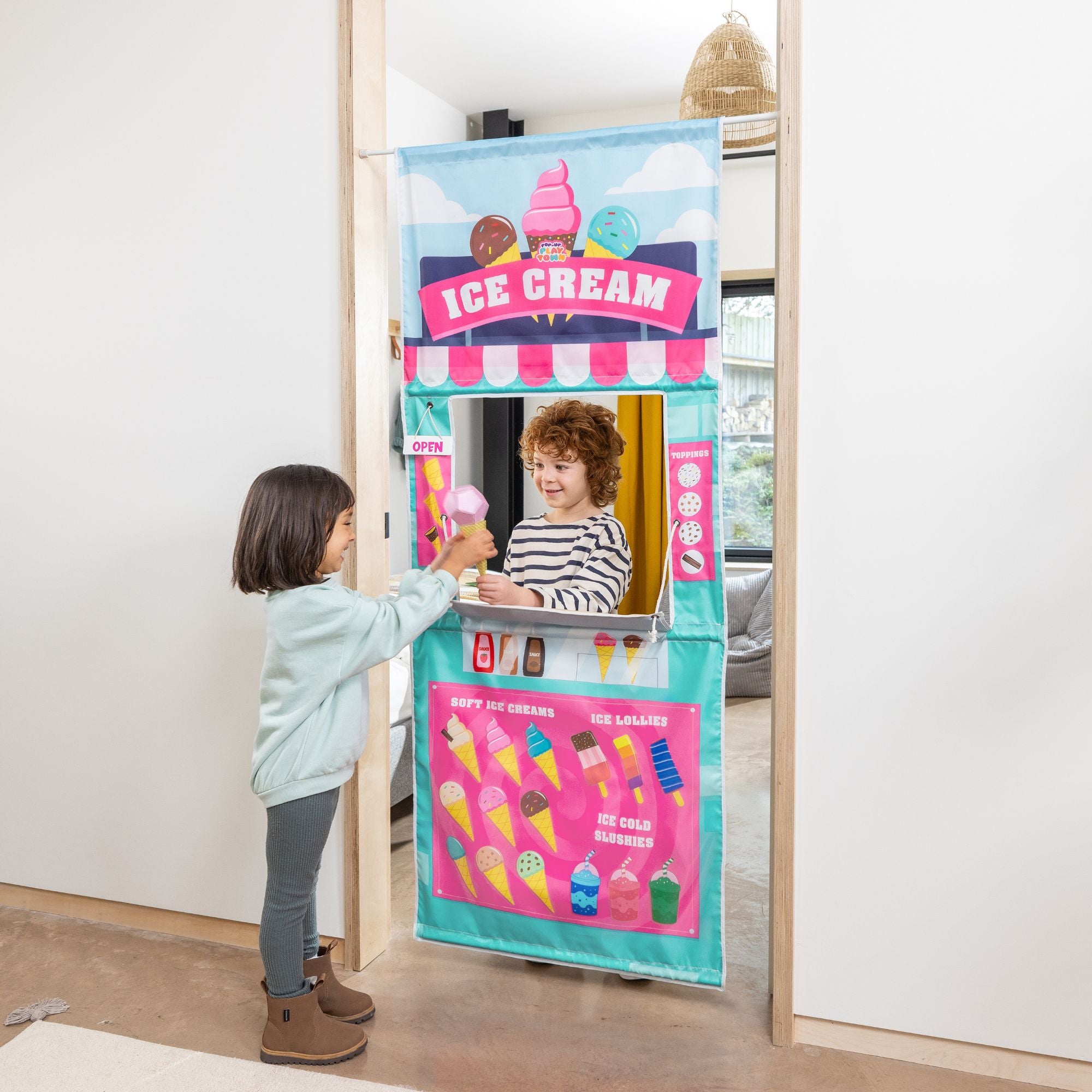
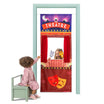
Building blocks encourage problem-solving and spatial awareness, while role play toys help children explore everyday situations and develop communication skills.
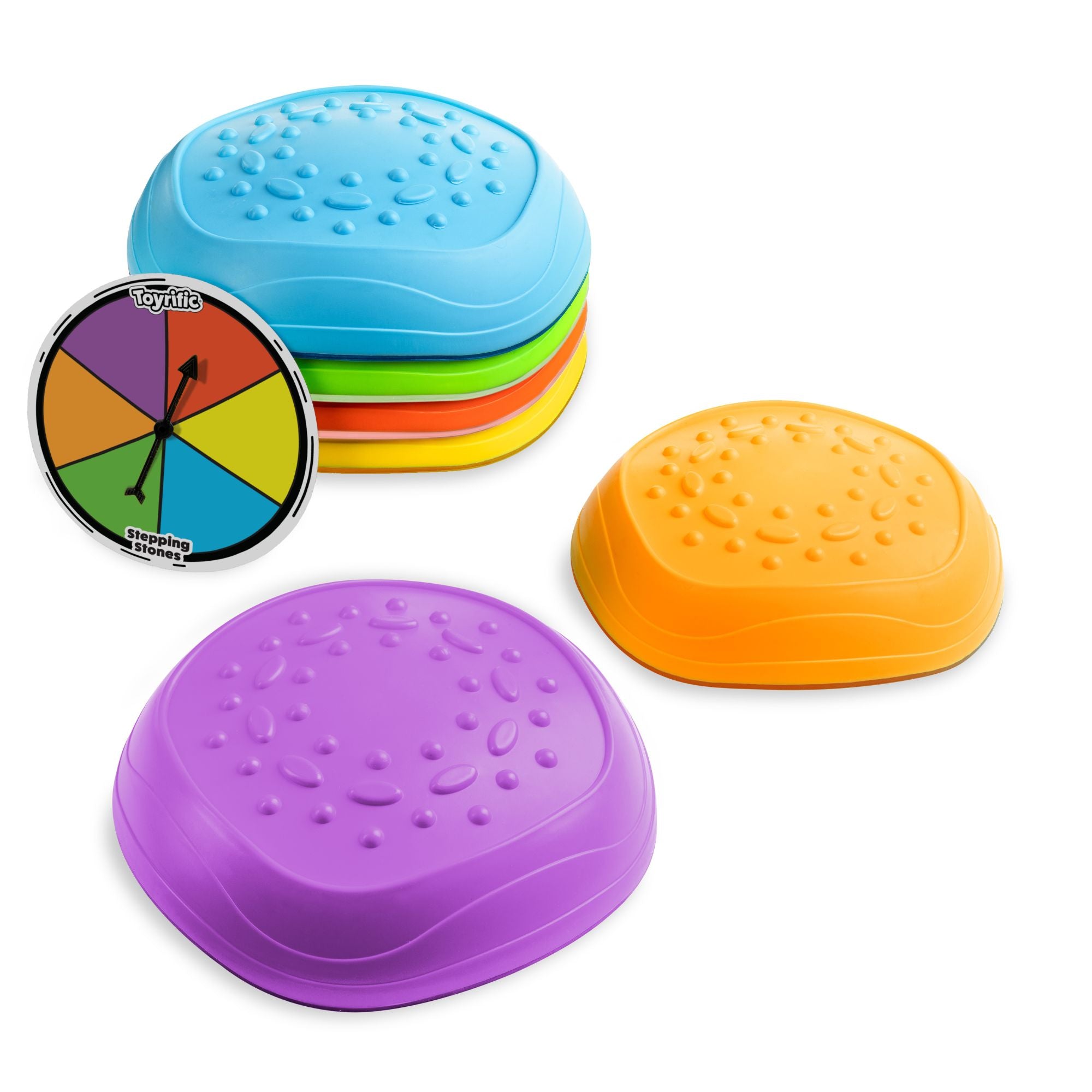
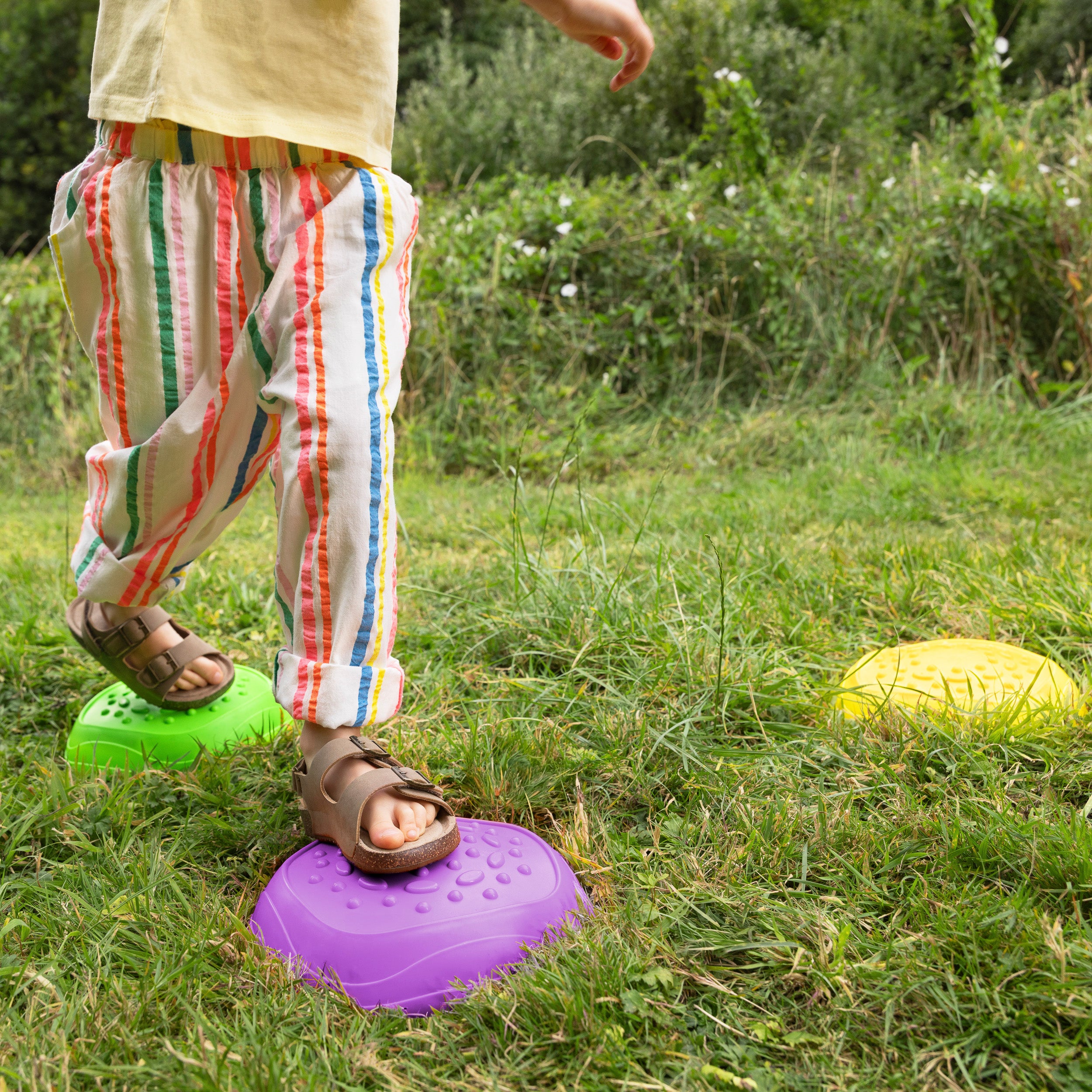
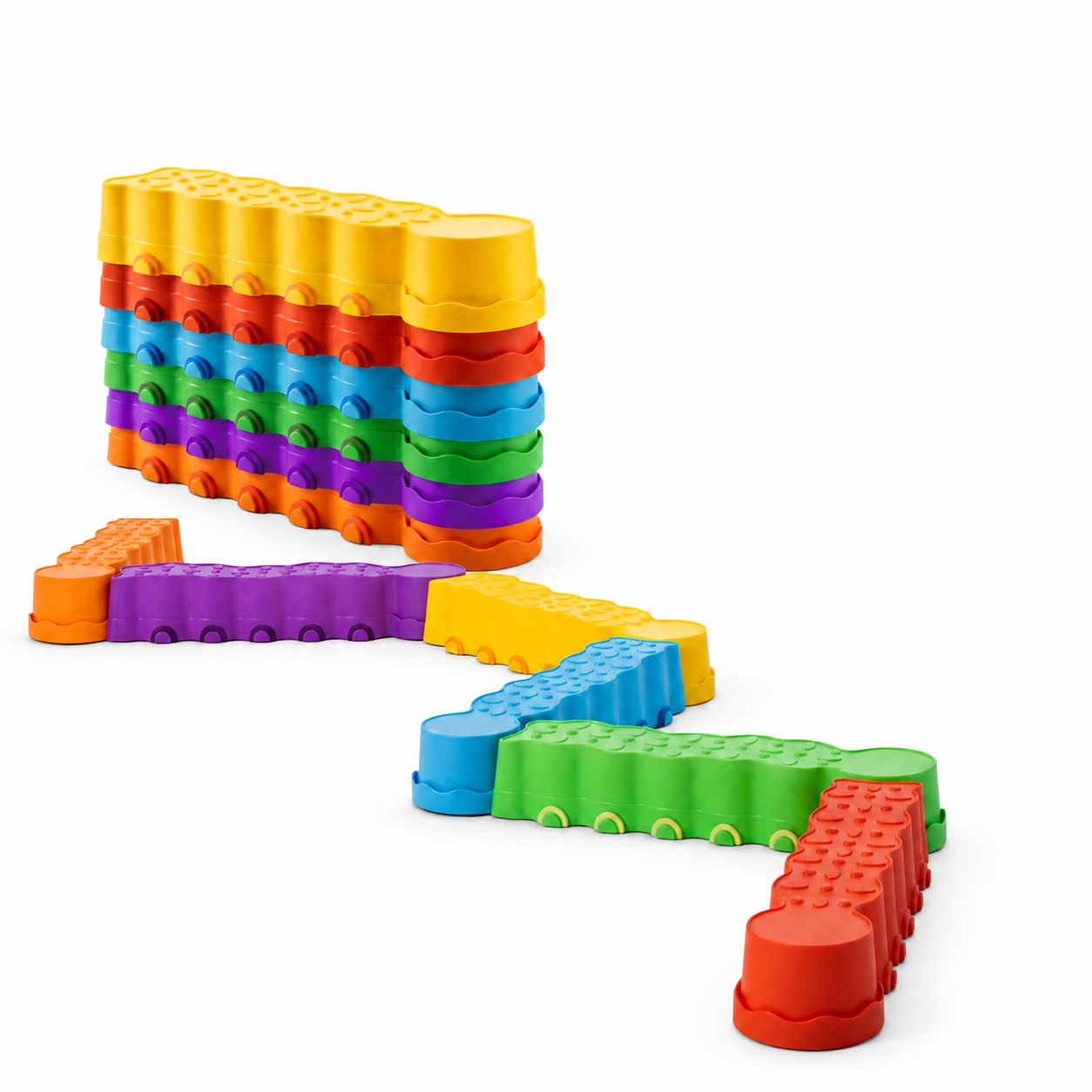
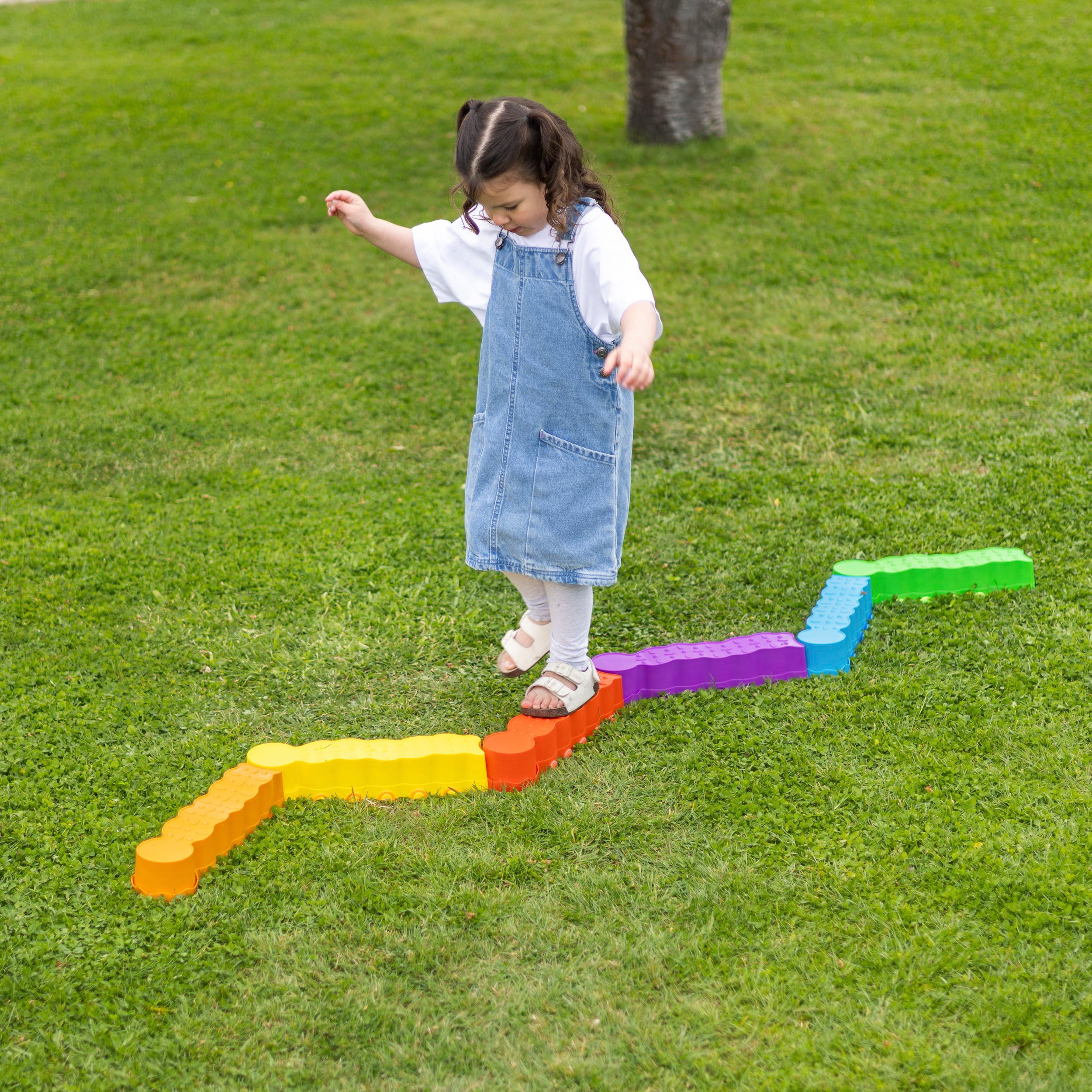
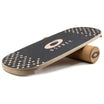
Sensory activities offer opportunities to explore different textures, colours and materials, while balance games encourage coordination and physical development.
These activities make learning feel natural, with children developing skills through play and discovery.
How to Choose Toys Children Will Keep Using
When choosing toys, think about how your child enjoys playing rather than focusing on the number of features.
Look for toys that:
- Encourage imagination: Allow children to invent their own games.
- Offer versatility: Can be enjoyed in different ways.
- Support development: Encourage creativity, movement or problem-solving.
- Match their interests: Reflect what your child enjoys exploring.
- Grow with them: Offer new opportunities for play as their skills develop.
Sometimes, Simple Is Better
The best toys aren't always the ones with the most features. Often, they're the ones that give children the freedom to play their own way.
Whether it's building an imaginary world, creating a sensory masterpiece or tackling a new balance challenge, simple toys can turn everyday moments into opportunities for learning and discovery.
Explore the our range of educational toys, sensory play essentials and imaginative games designed to make every playtime count.