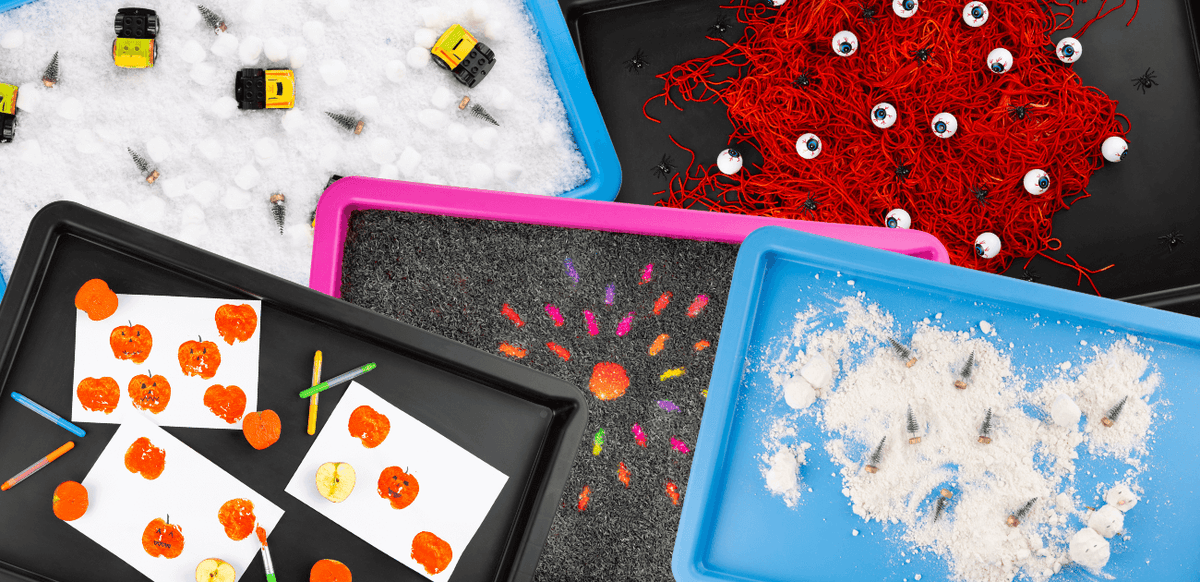























At Toyrific, we know that play is more than just fun, it’s how children learn, grow, and understand the world around them. One of the most powerful forms of early learning is sensory play.
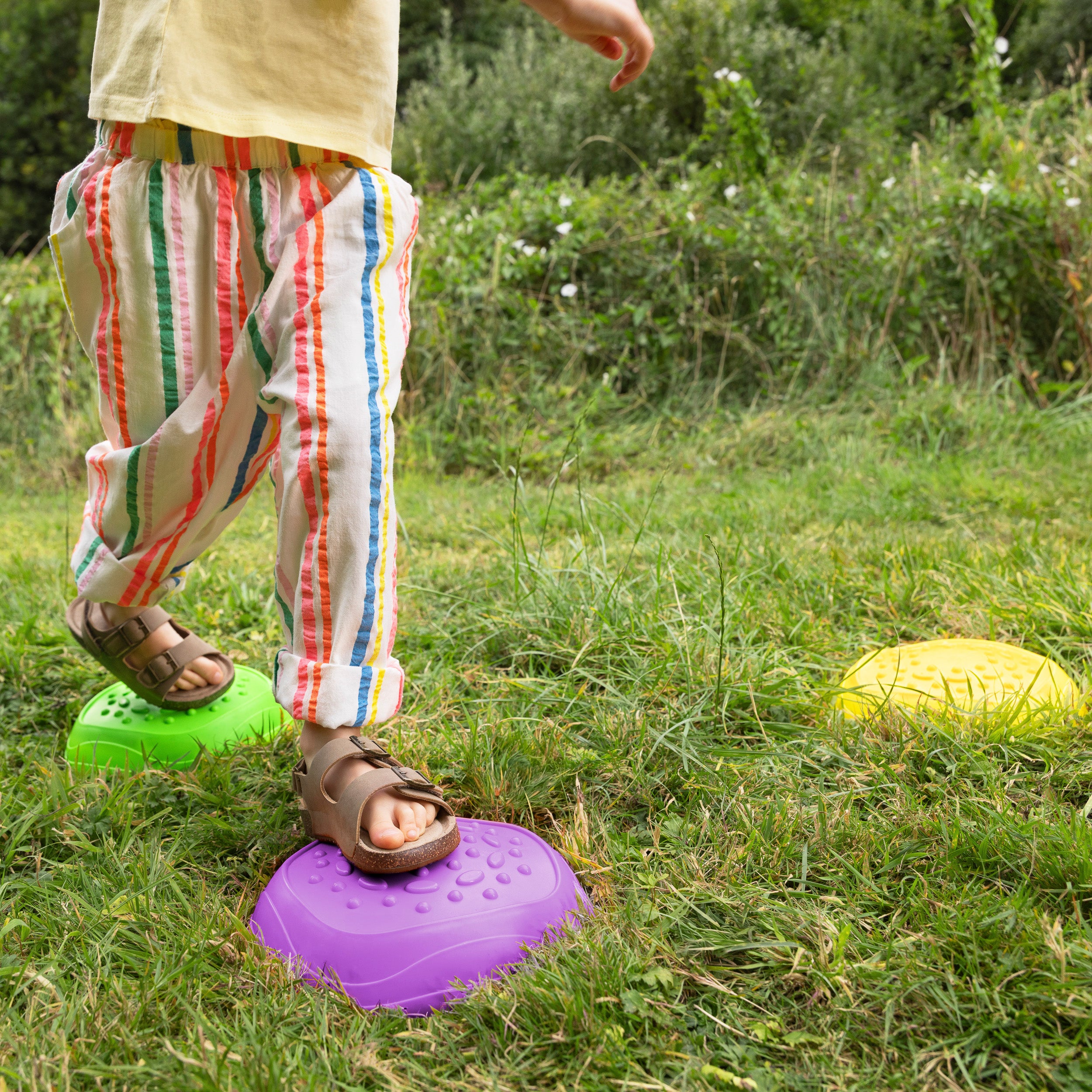
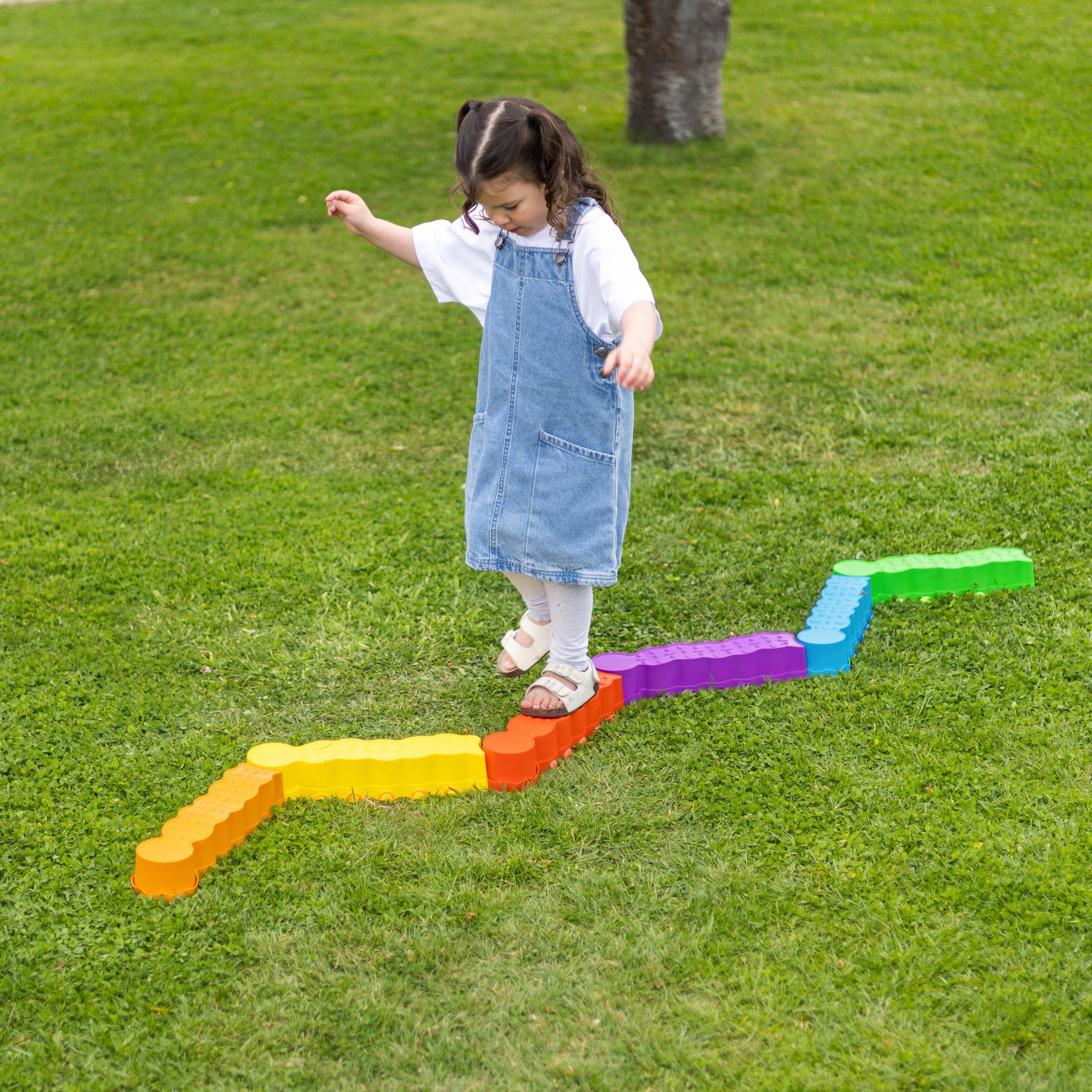
Sensory play engages a child’s senses through touch, movement, sight, and sound. Activities like pouring water, squishing sand, or balancing on stepping stones help children explore their environment in a hands-on way while supporting key areas of development.
How Does Sensory Play Support Child Development?
Sensory play supports children by helping them learn through experience rather than instruction. It encourages exploration, problem-solving, and creativity while strengthening essential developmental skills.
It is especially valuable in early years because it helps children make sense of the world in a natural, engaging way.
How Does Sensory Play Develop Fine Motor Skills?
Sensory play is highly effective for developing fine motor skills, which are essential for everyday tasks like writing, using cutlery, and fastening clothing.
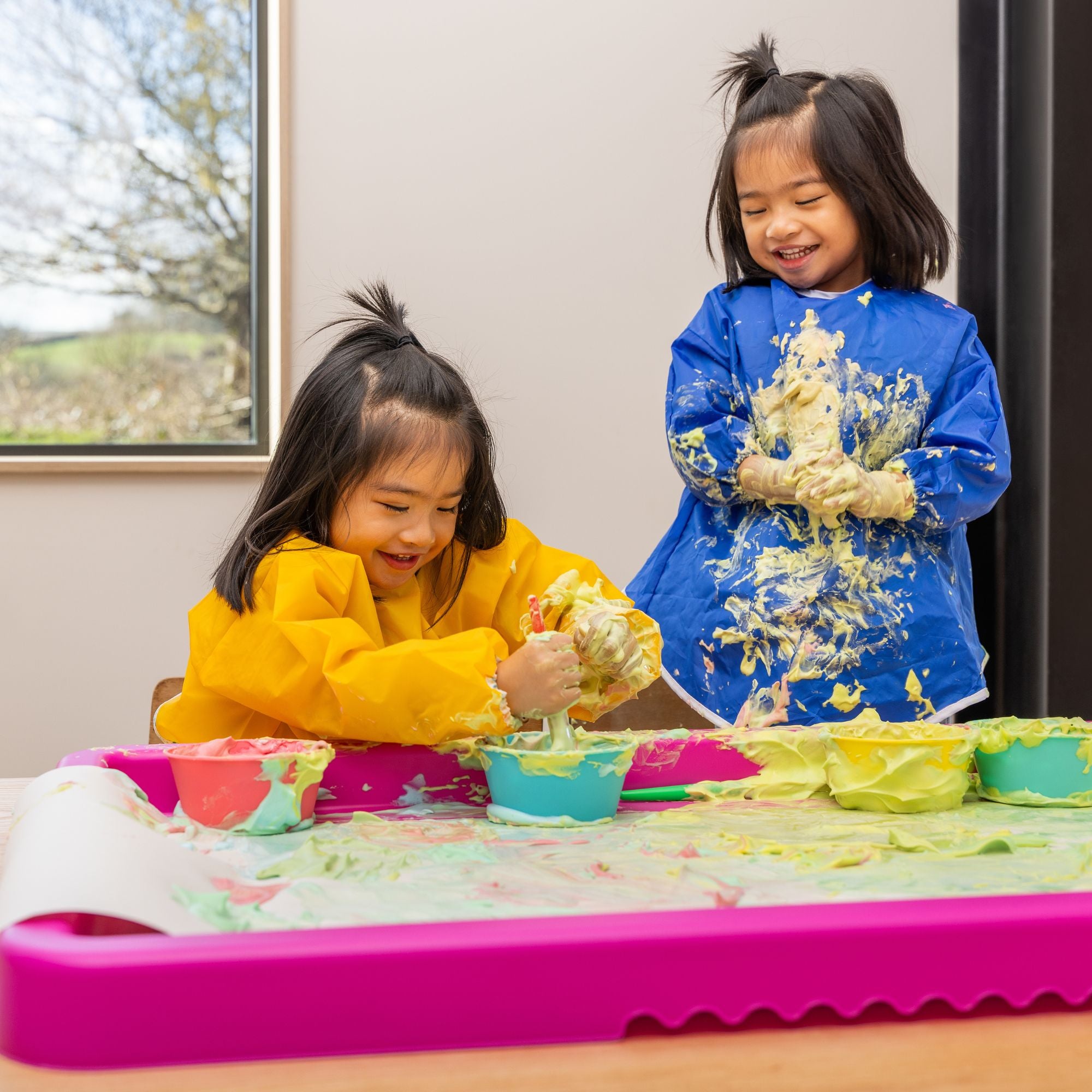
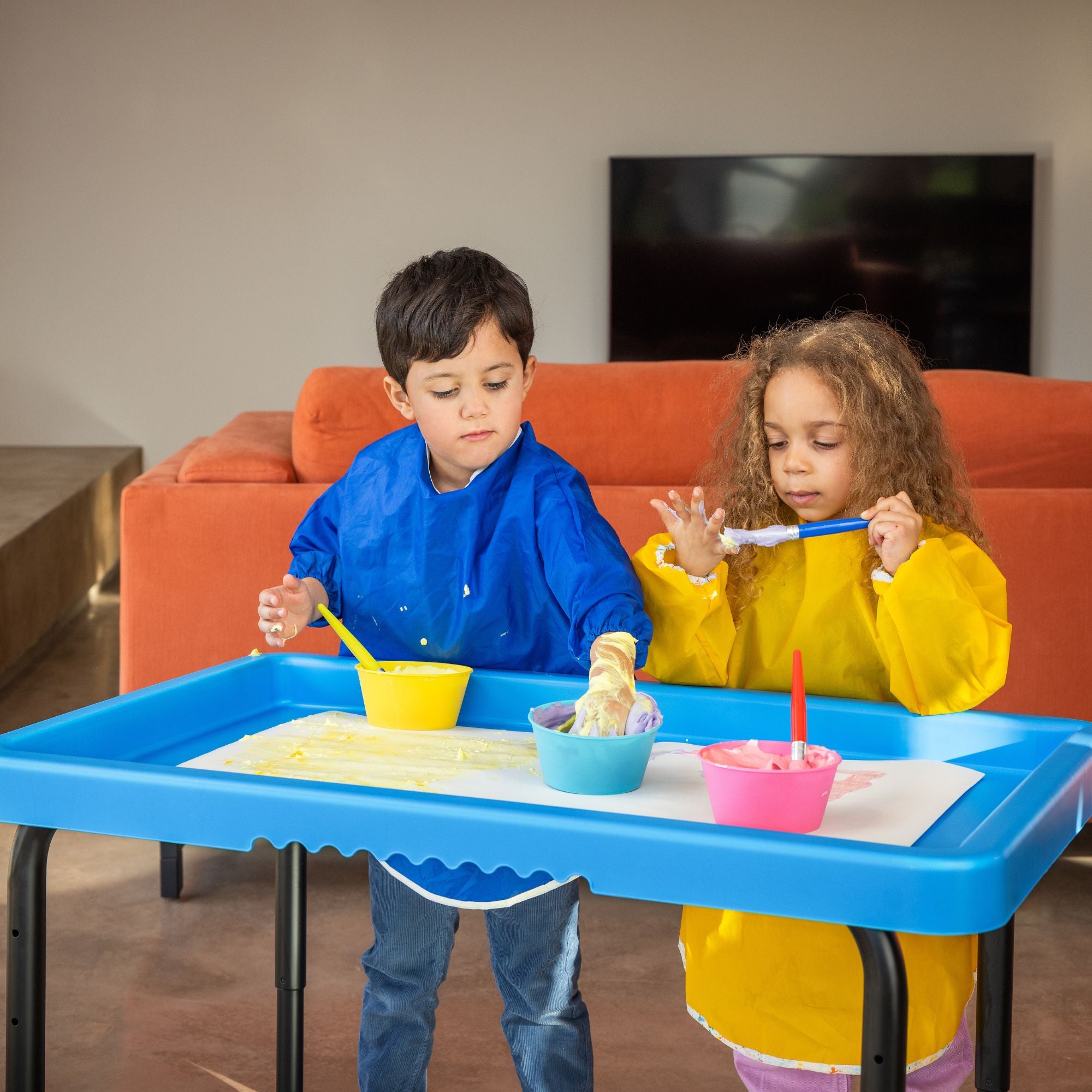
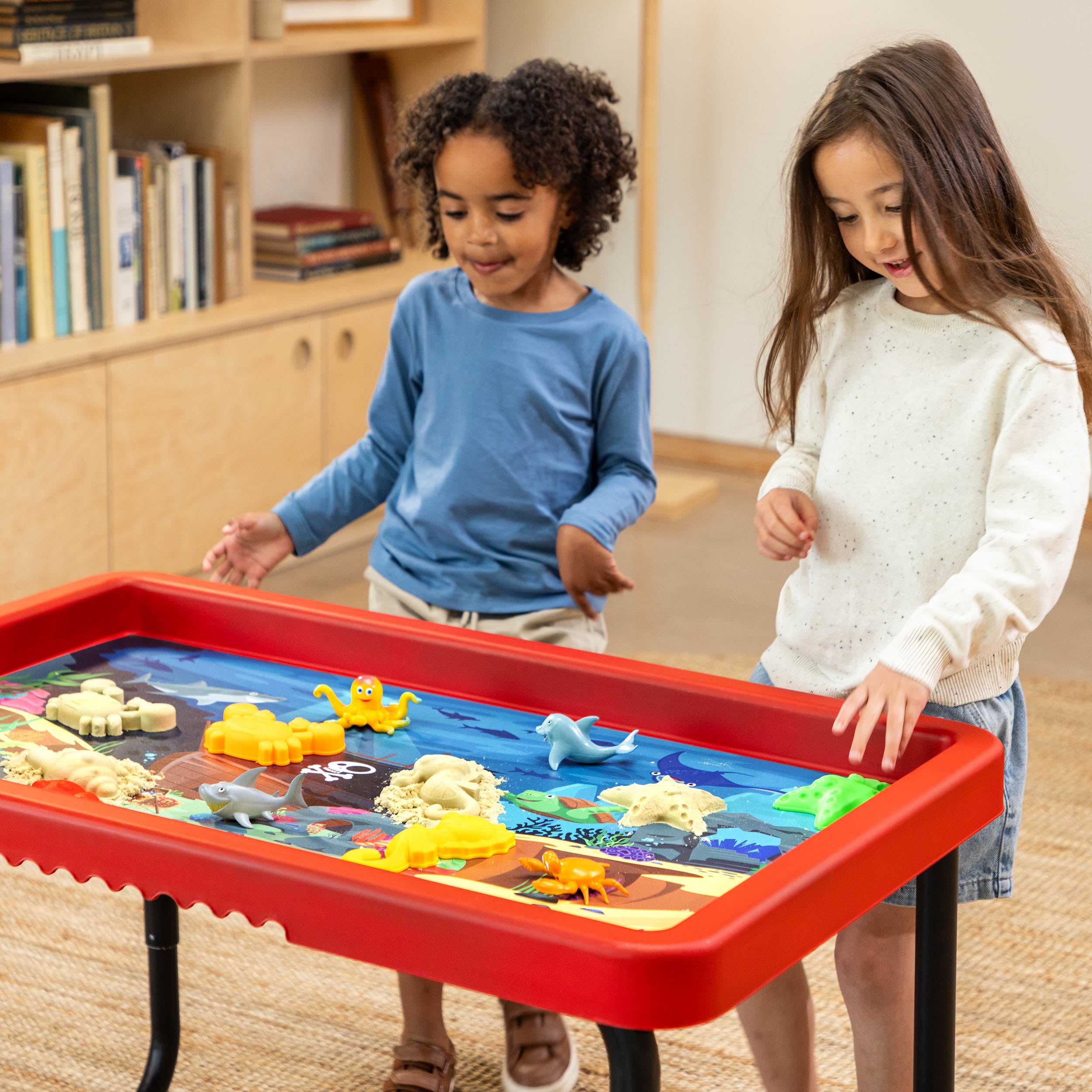
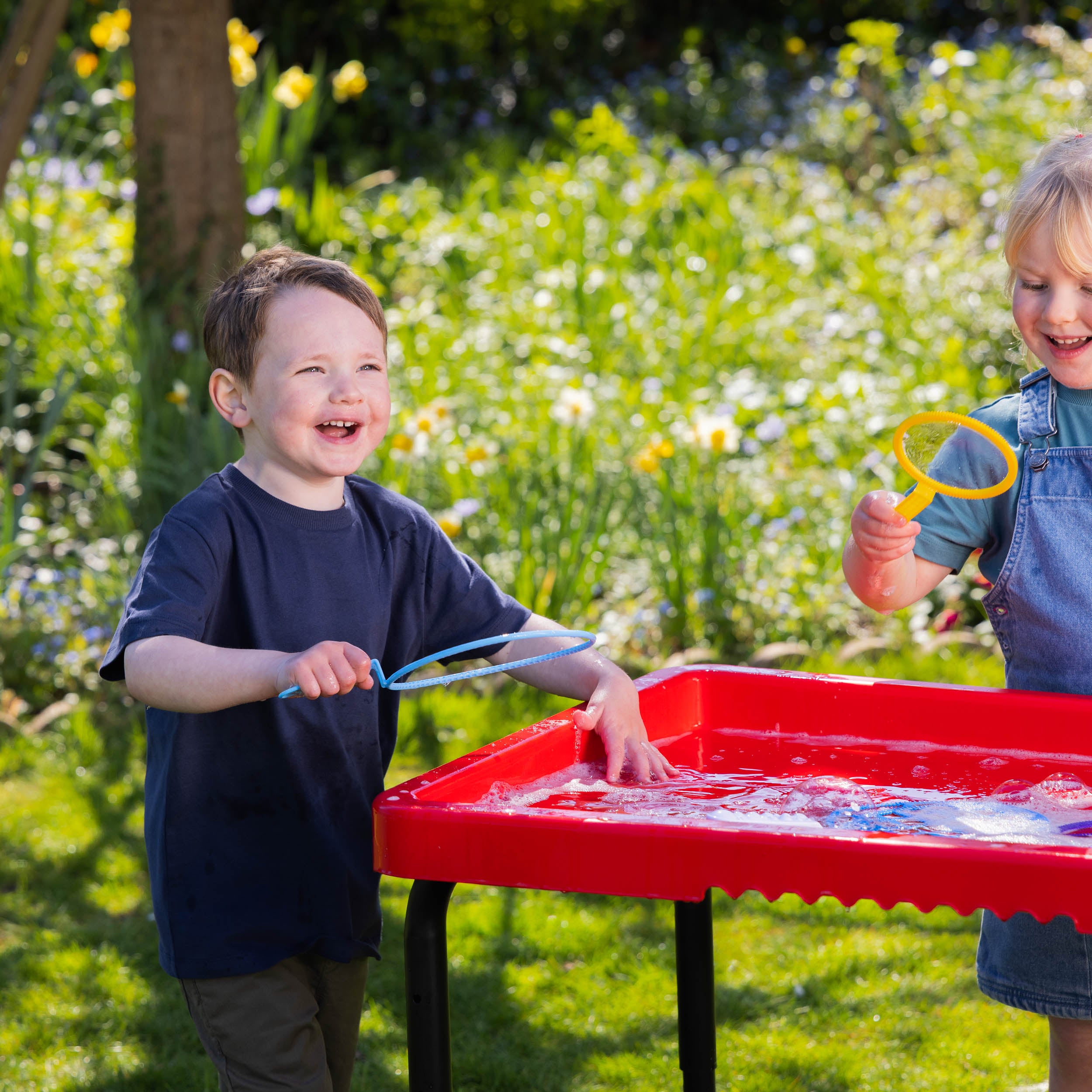
Activities such as scooping, squeezing, pouring, and moulding help strengthen the small muscles in the hands and fingers. Over time, this improves coordination, control, and precision in movement.
How Does Sensory Play Support Social and Emotional Development?
Sensory play also plays an important role in emotional wellbeing and social skills.
When children play together, they learn how to:
- Share resources
- Take turns
- Communicate ideas
- Work cooperatively
It can also act as a calming activity, helping children regulate emotions, reduce anxiety, and build resilience in a safe and enjoyable environment.
How Does Sensory Play Encourage Creativity?
One of the biggest benefits of sensory play is that there are no fixed rules or outcomes.
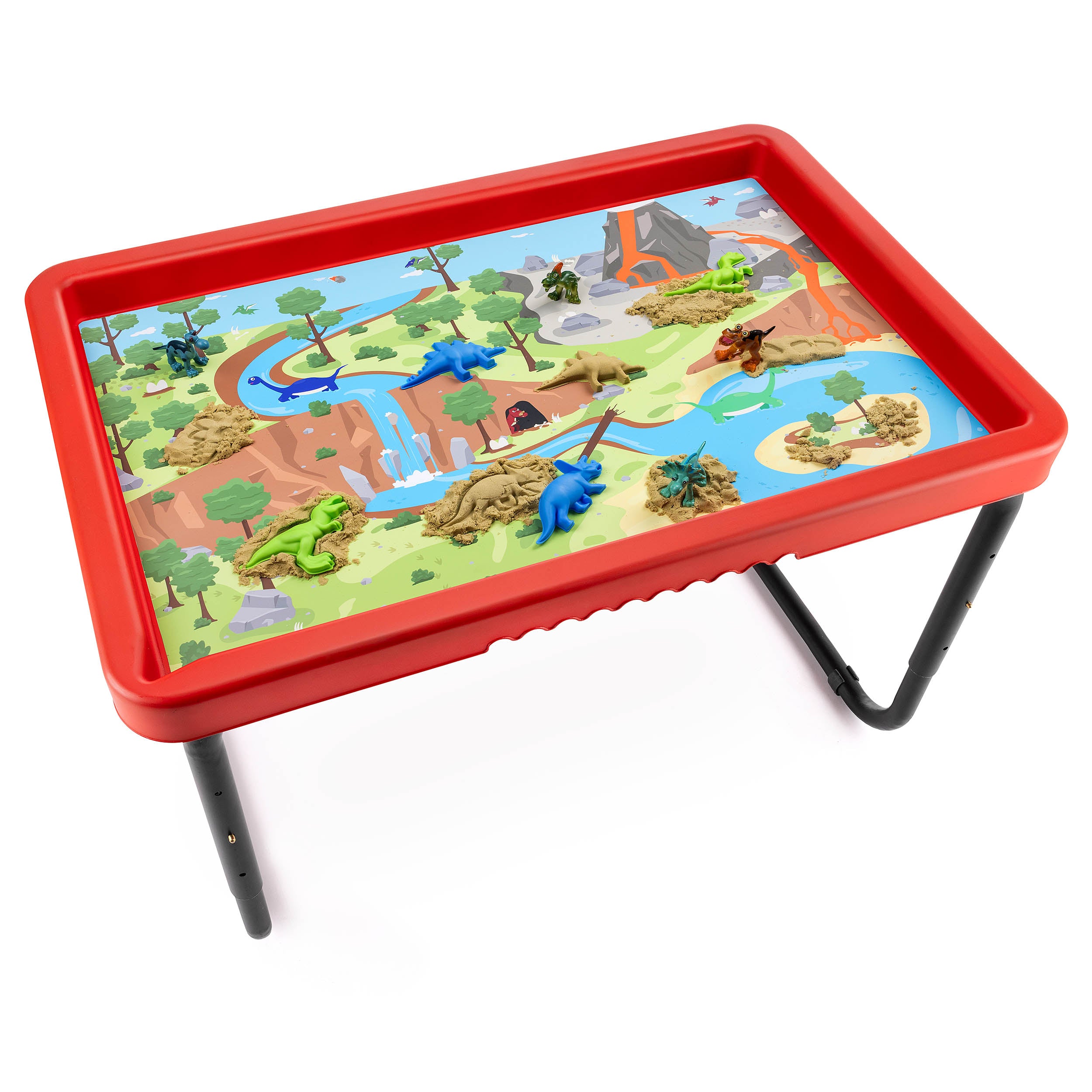
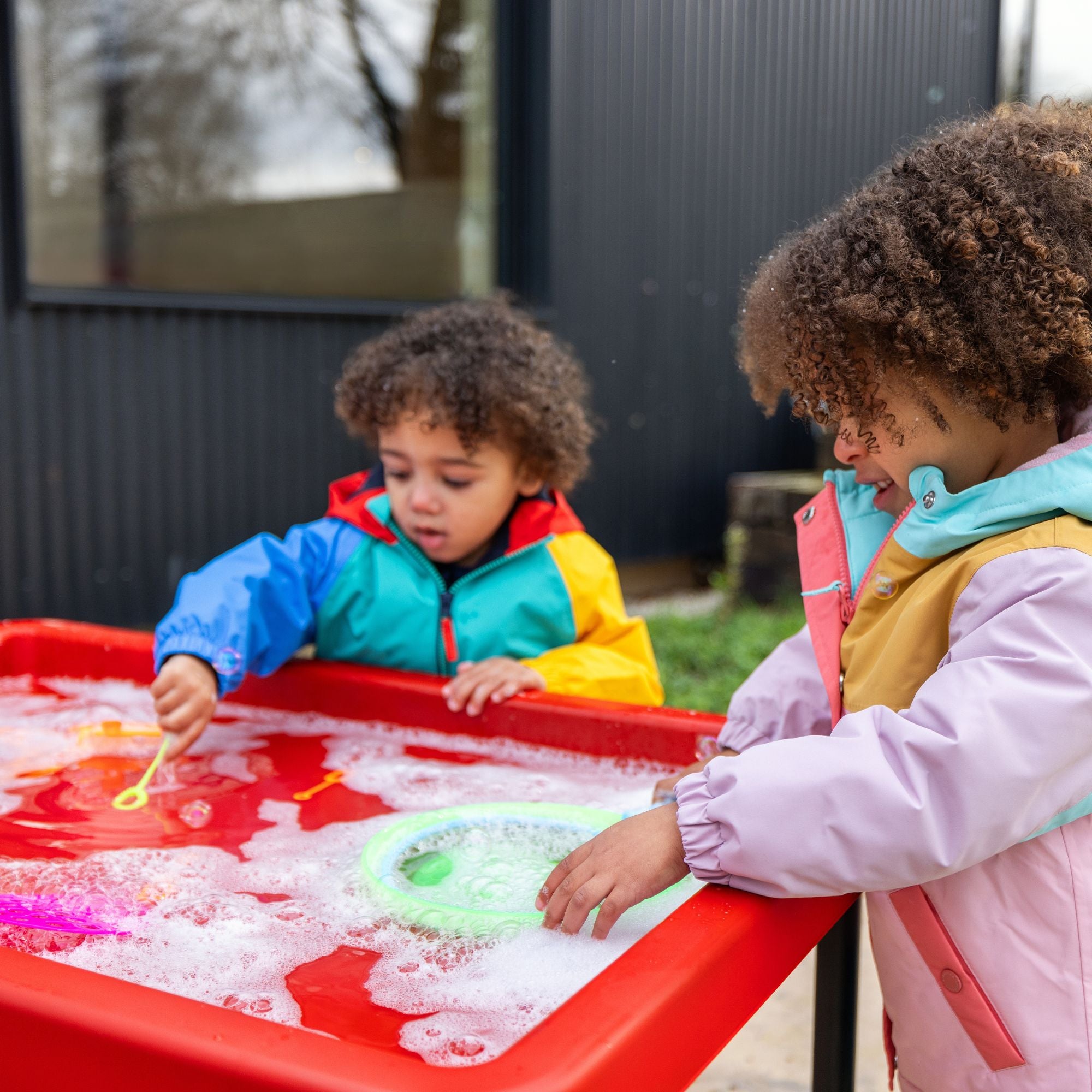
Children are free to experiment, imagine, and create their own play scenarios. A tray of sand can become a construction site, a stepping stone path can become an obstacle course, and water play can turn into a science experiment.
This freedom helps build:
- Imagination
- Creative thinking
- Confidence in decision-making
- Independent play skills
How Does Sensory Play Support Cognitive Development?
Sensory activities stimulate brain development by encouraging children to observe, compare, and problem-solve.
Through play, children naturally begin to:
- Sort and classify objects
- Recognise patterns
- Understand cause and effect
- Develop early mathematical and scientific thinking
These foundational skills support later learning in subjects such as maths, science, and literacy.
Sensory Toys For Hands-On Learning
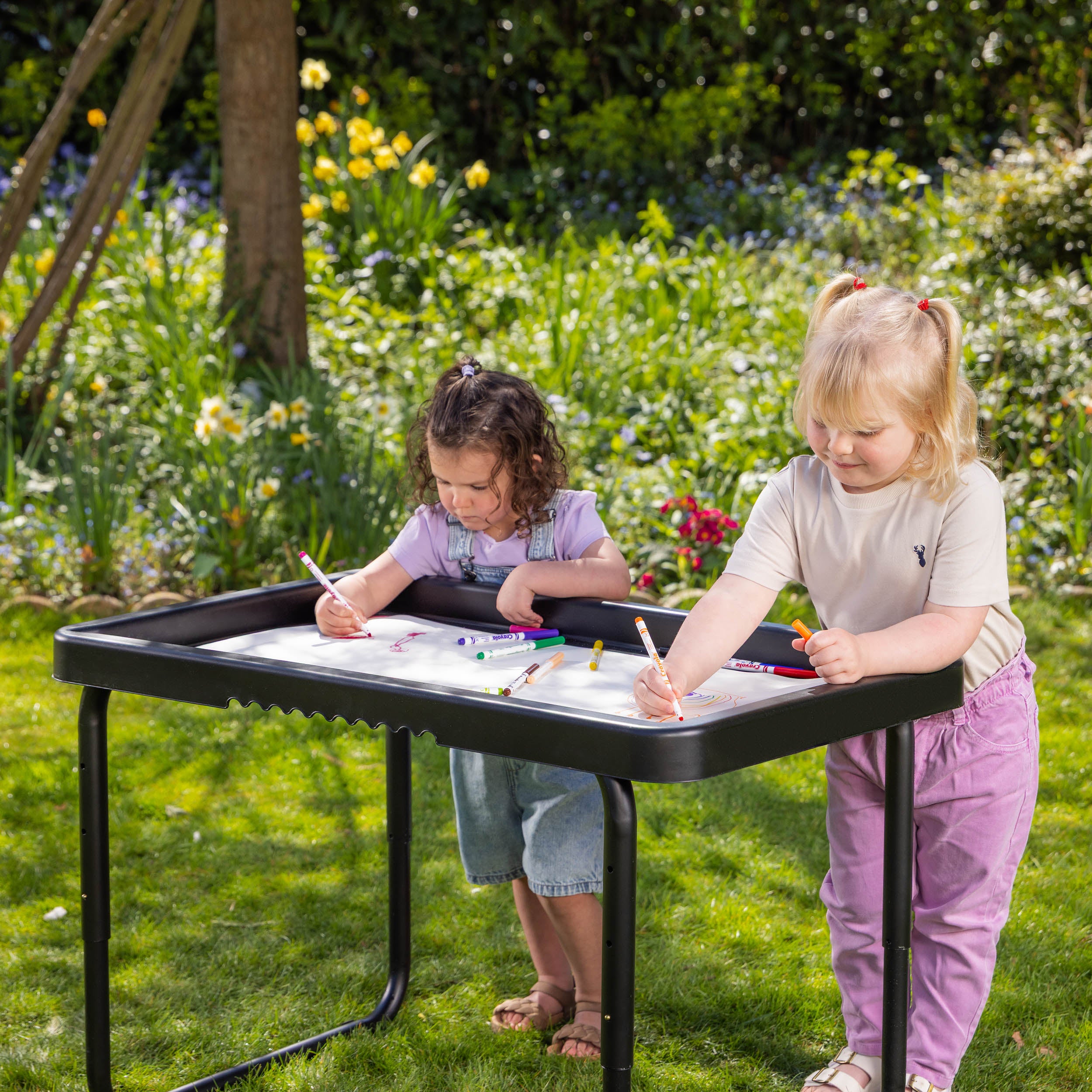
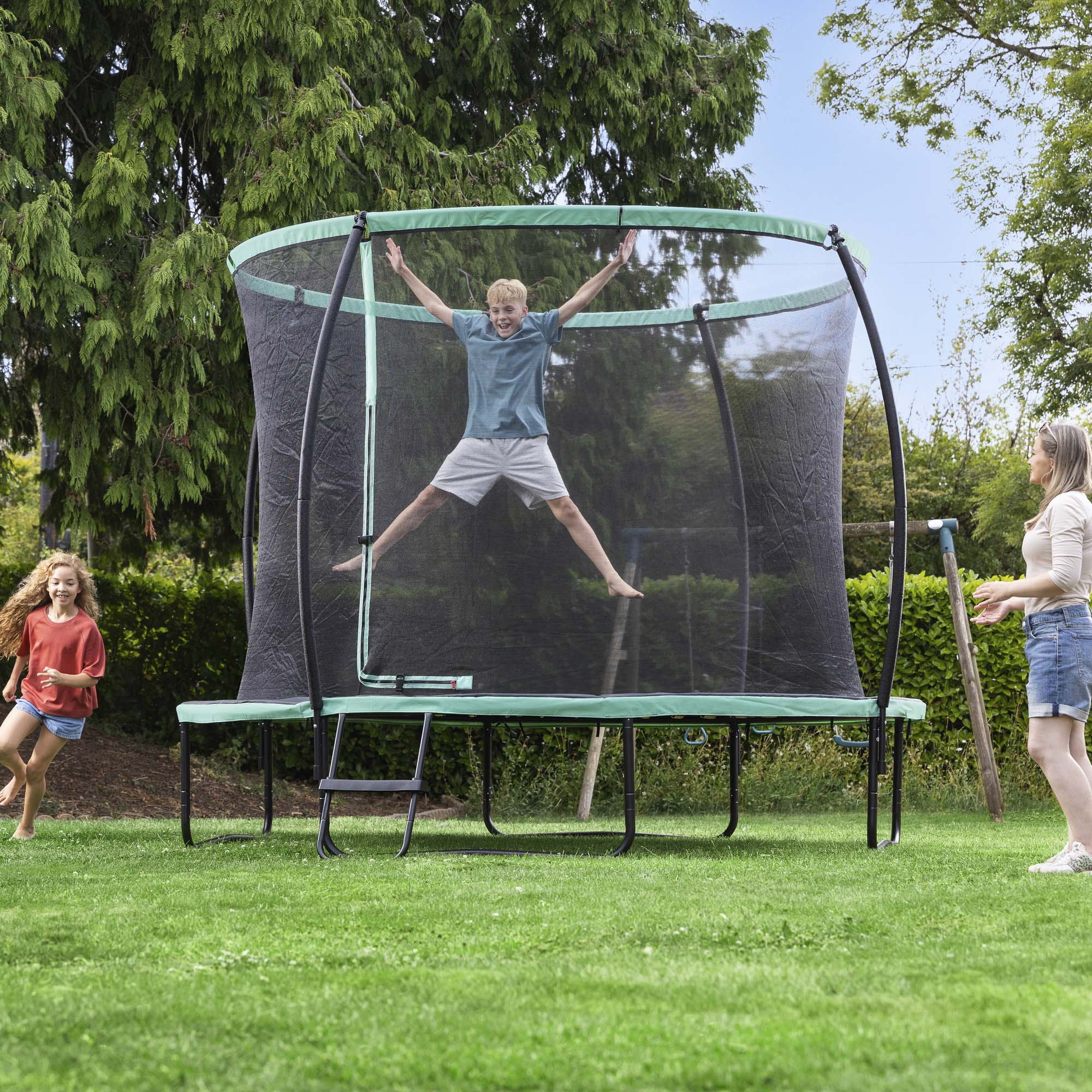
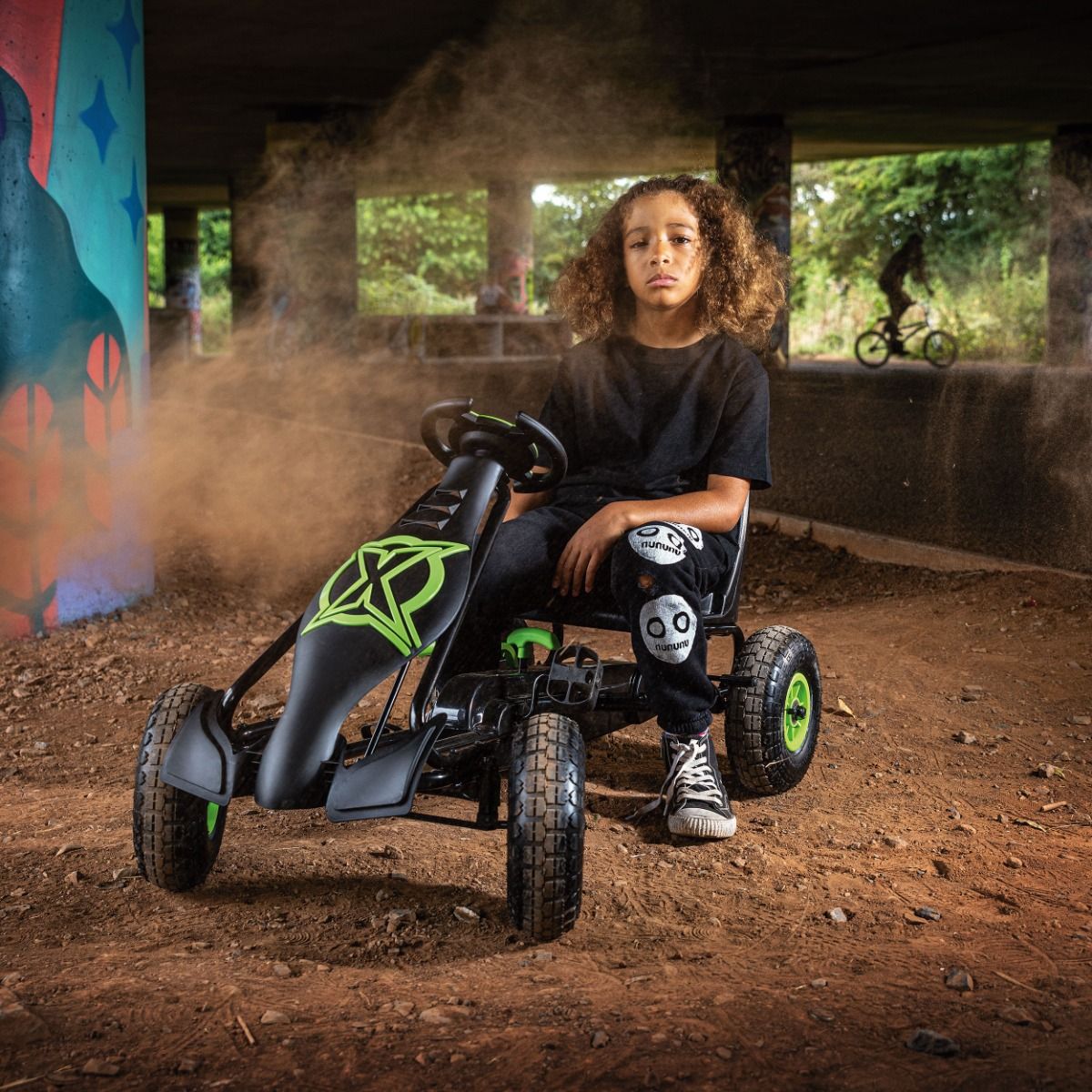
At Toyrific, we offer a range of sensory toys designed to support active learning through play. From messy play and creative exploration to movement-based activities, our sensory range helps children learn through real-world experiences.
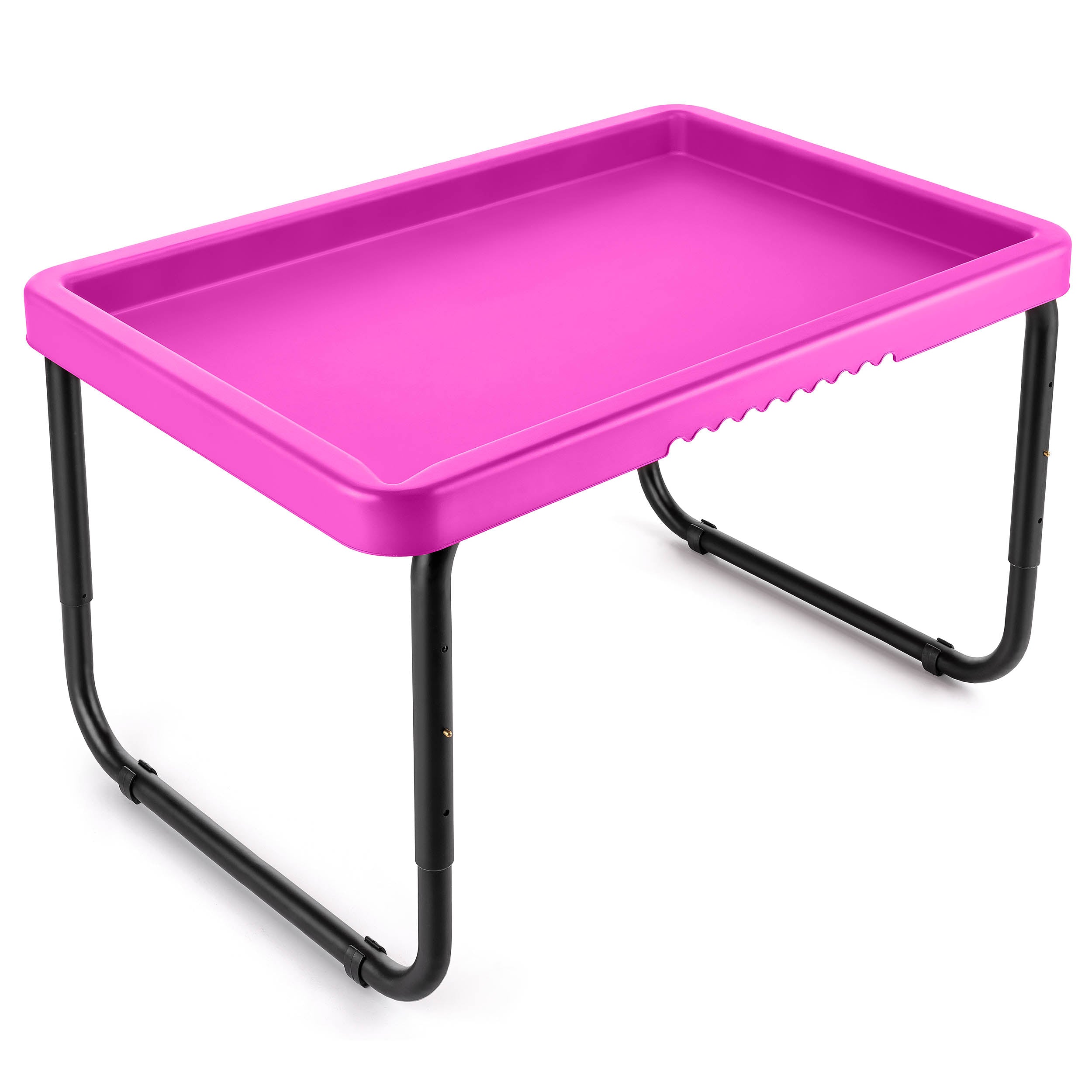
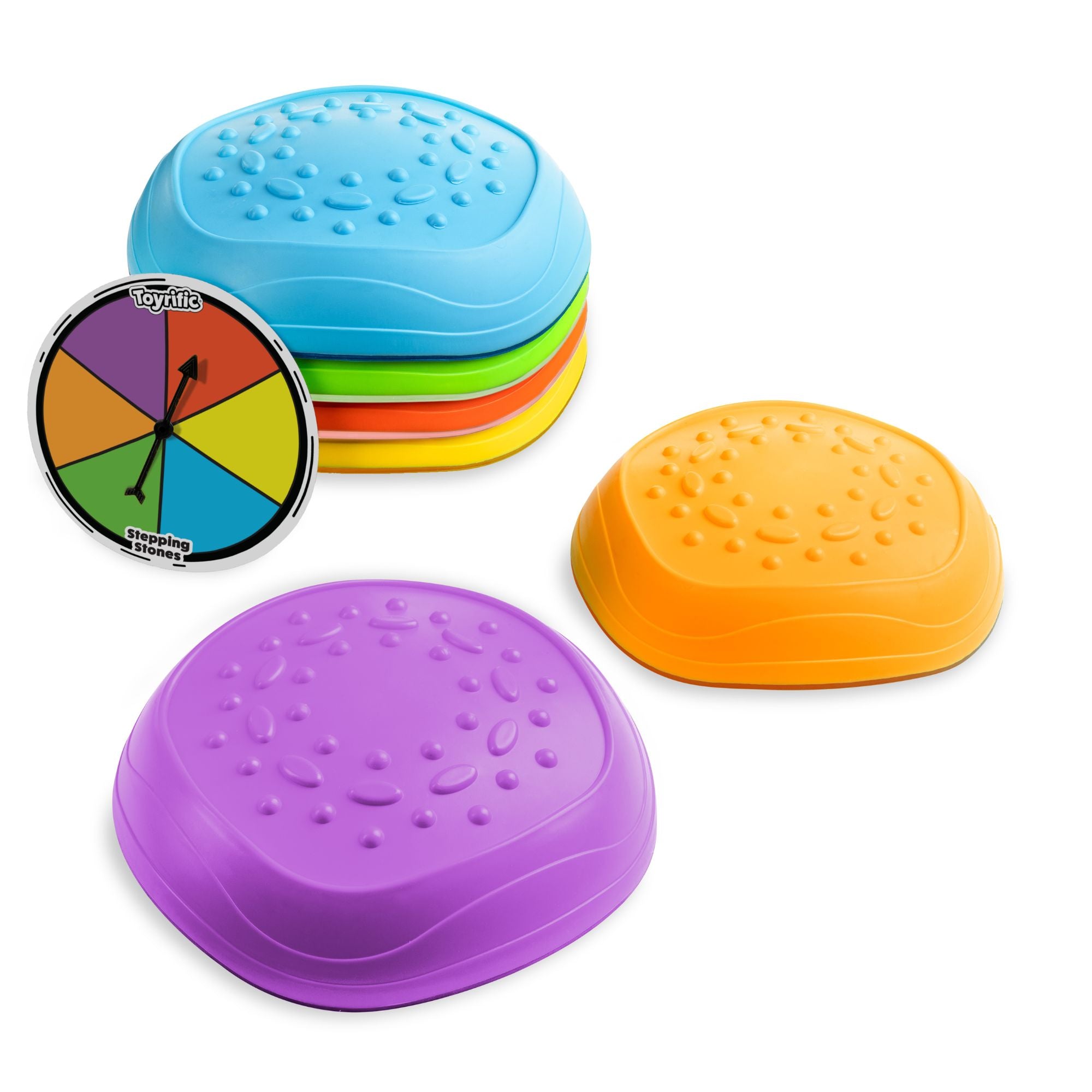
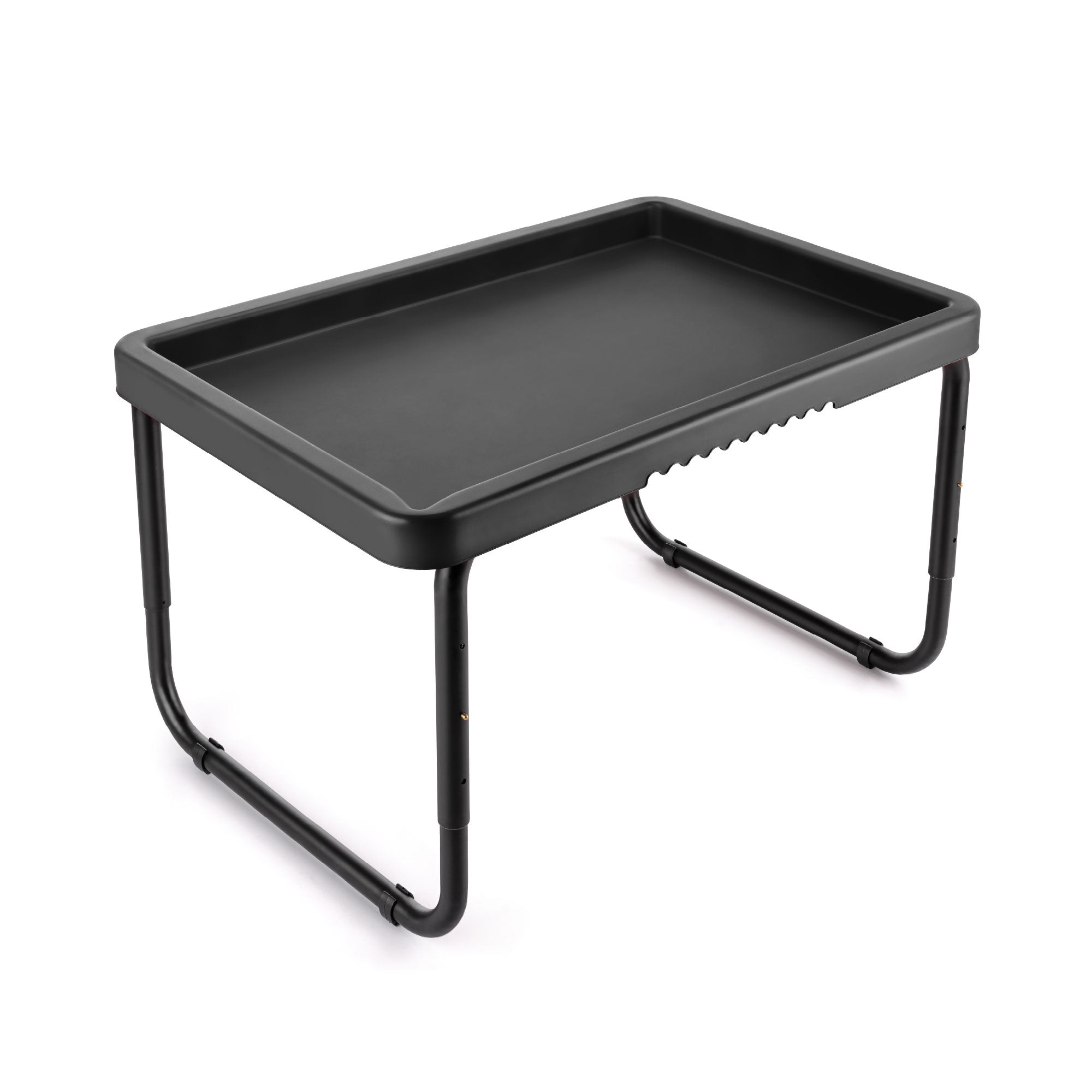
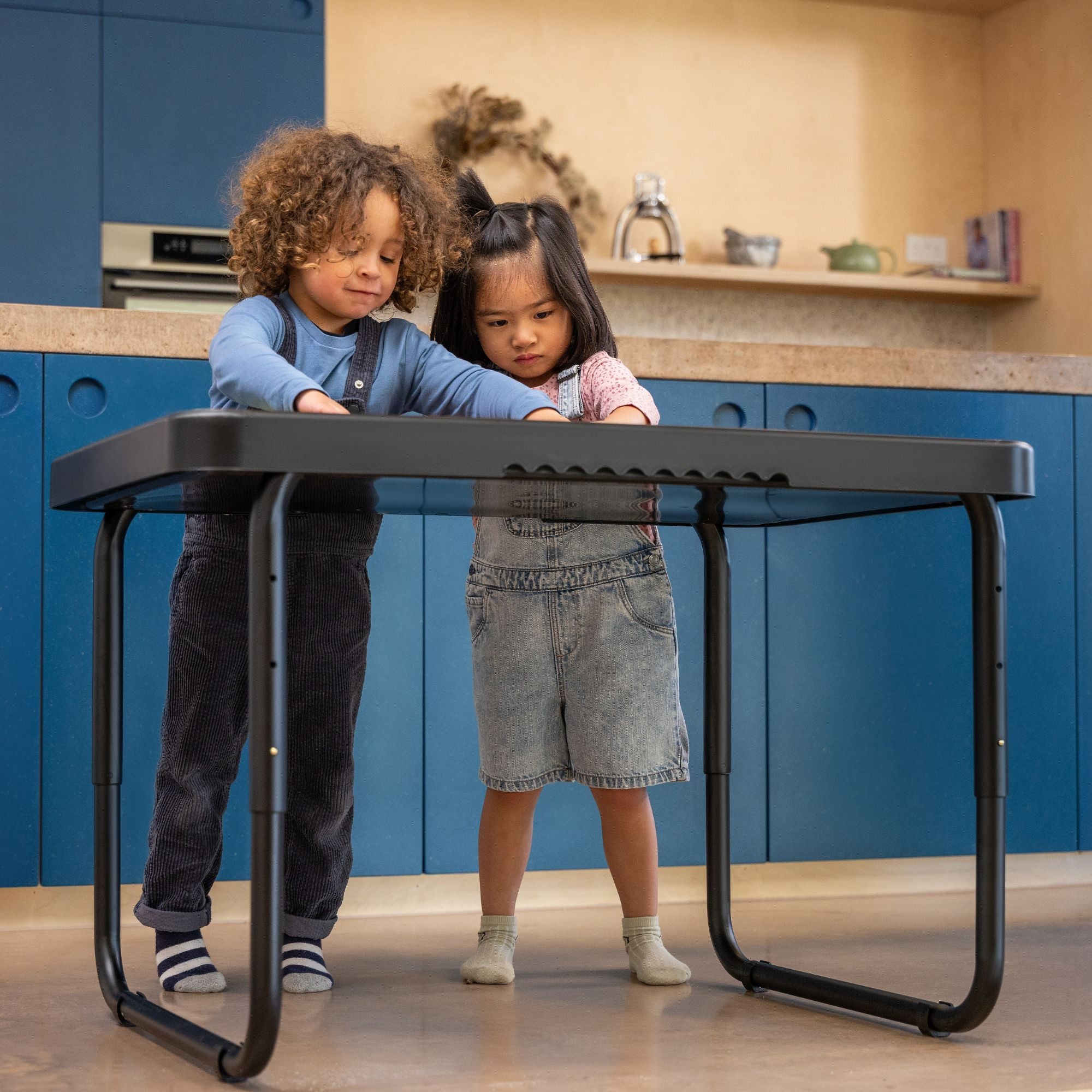
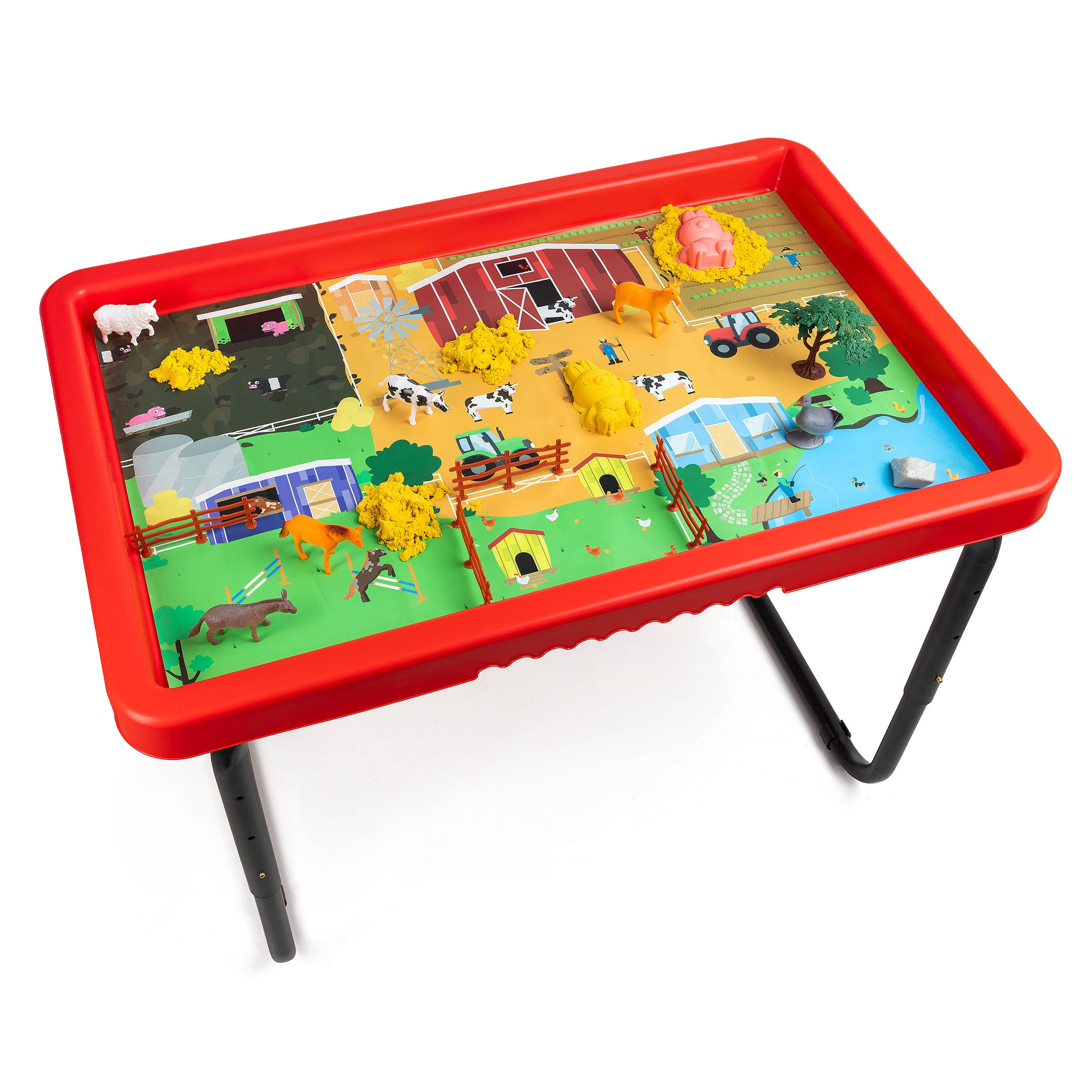
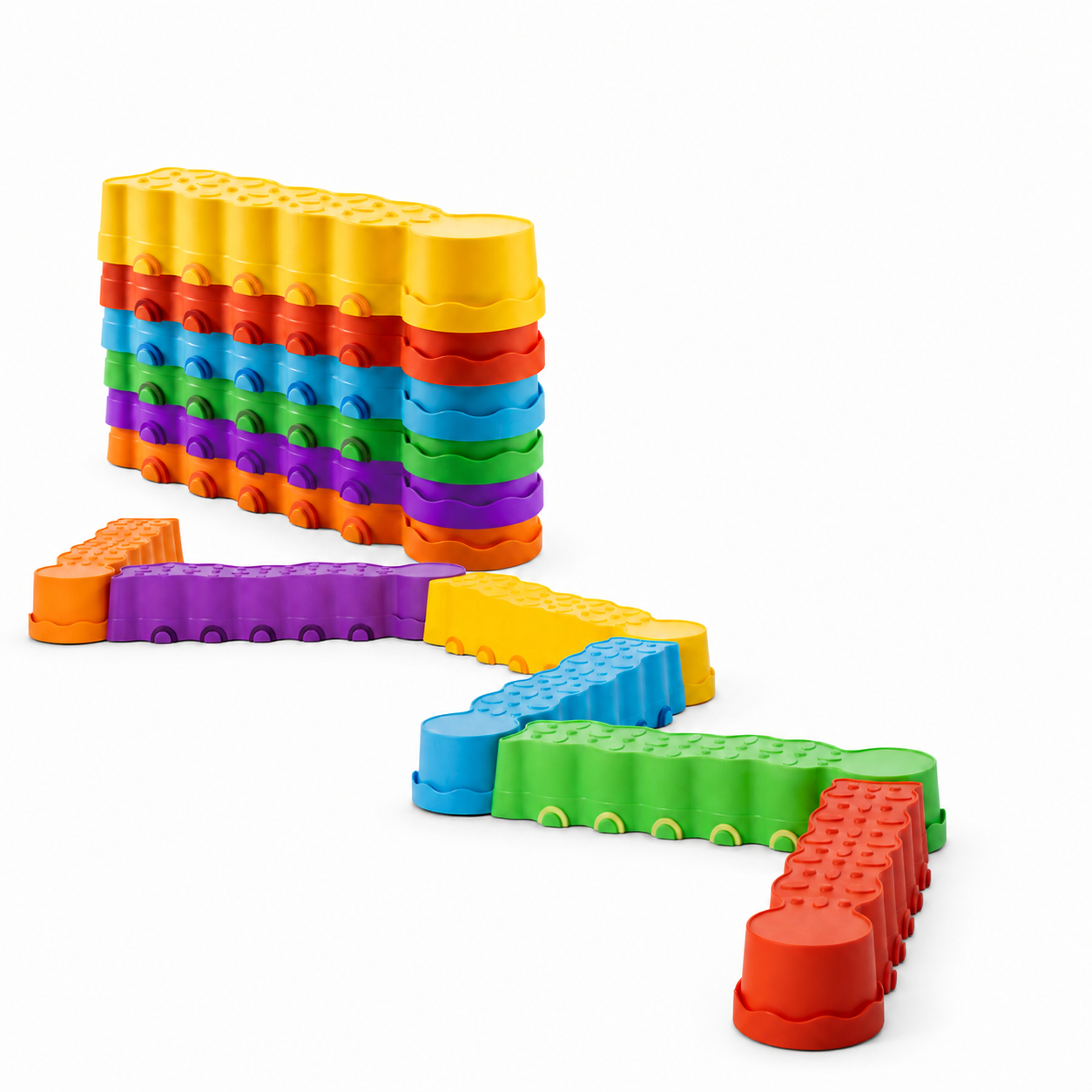
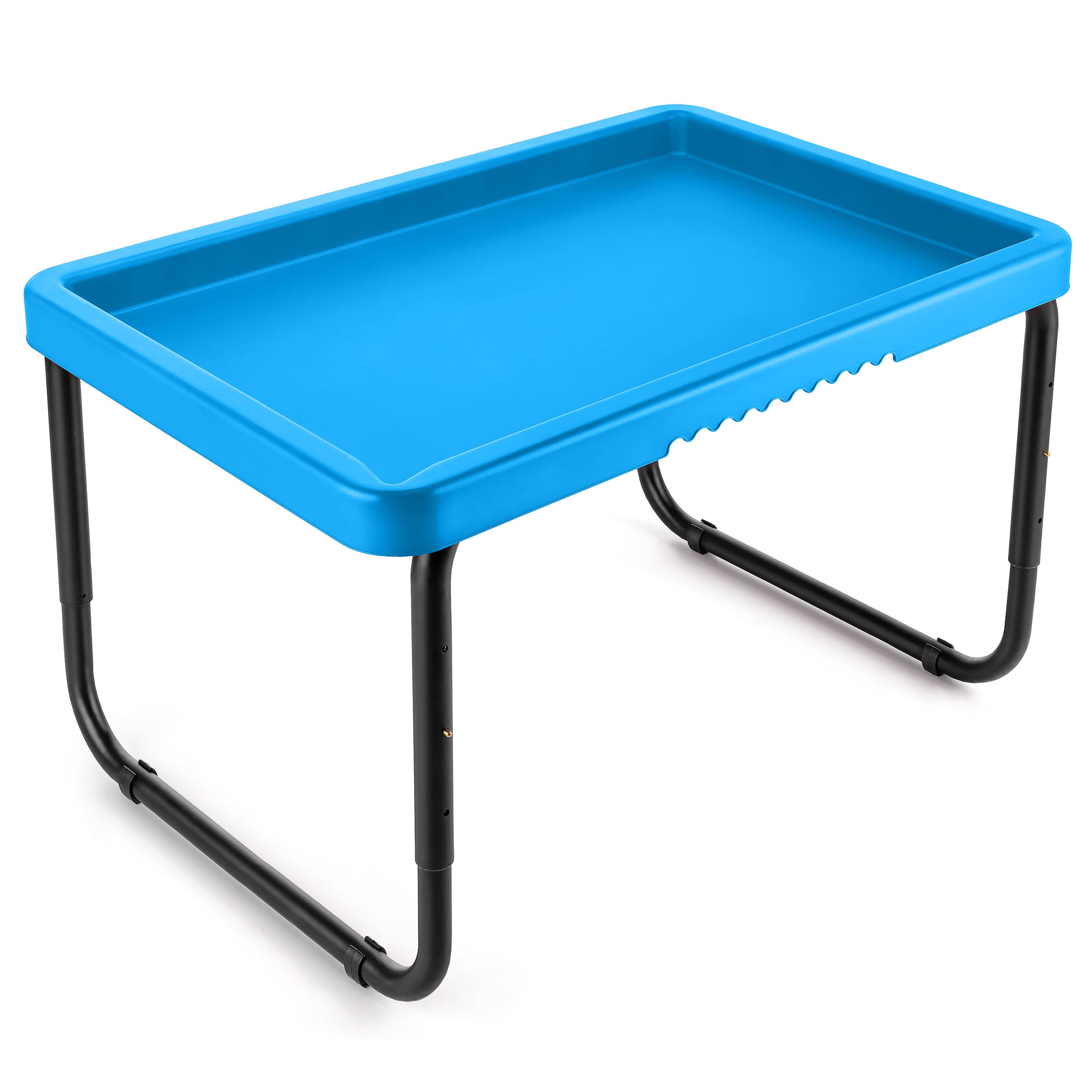
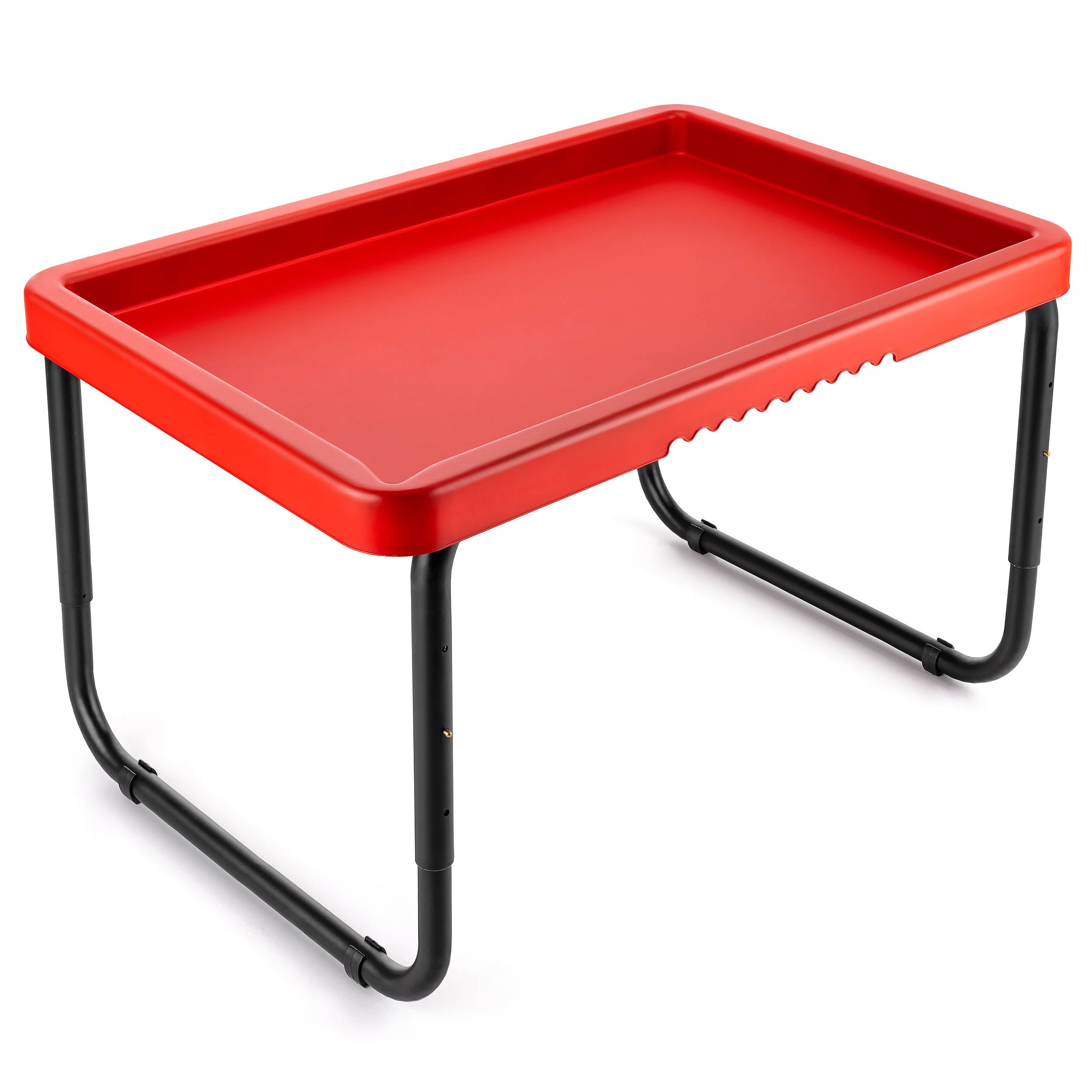
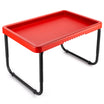
Popular options include Play Tray Activity Tables for messy and sensory play and Stepping Stones for balance, movement, and coordination.
Sensory play is not only fun and engaging - it also helps build the essential skills children need as they grow and develop.