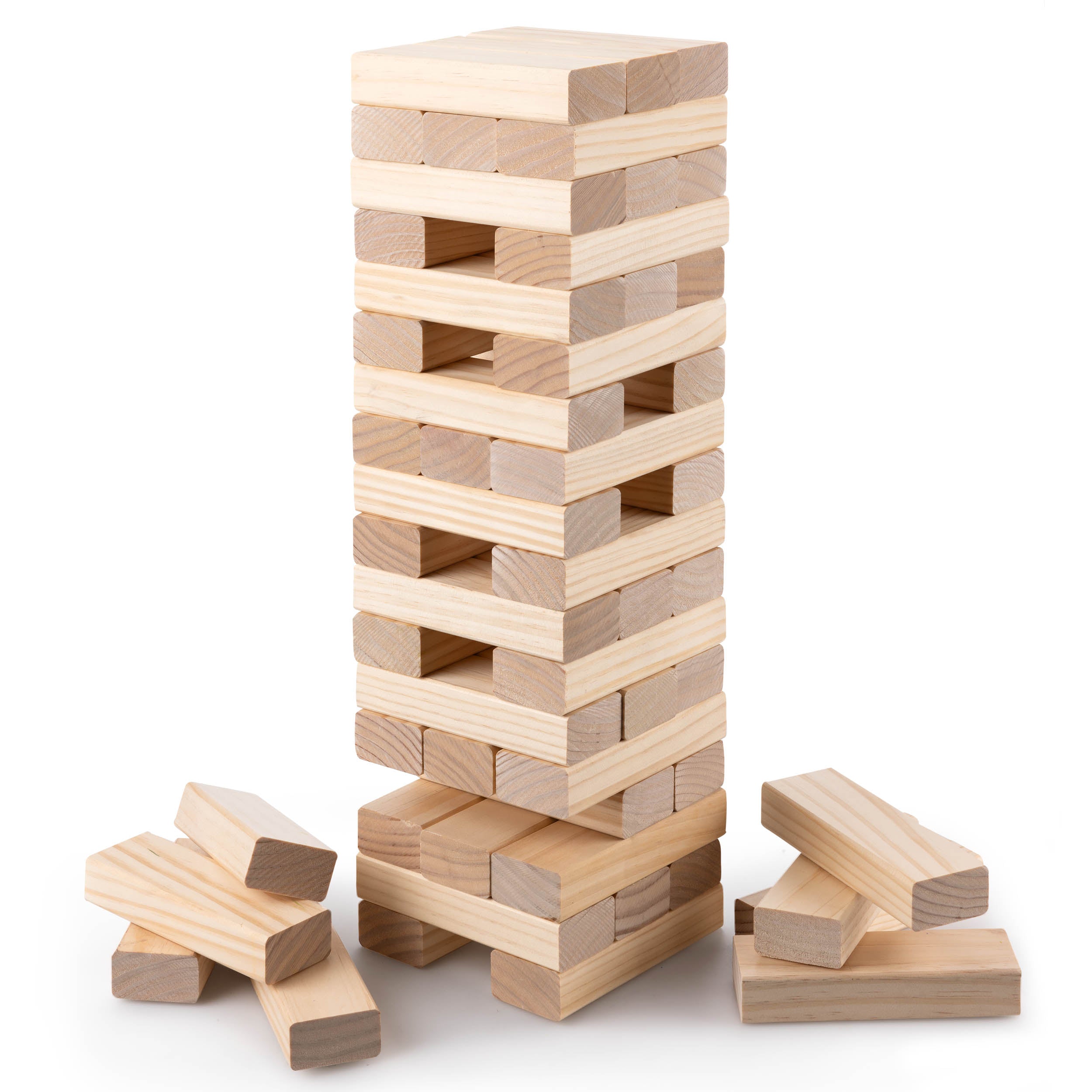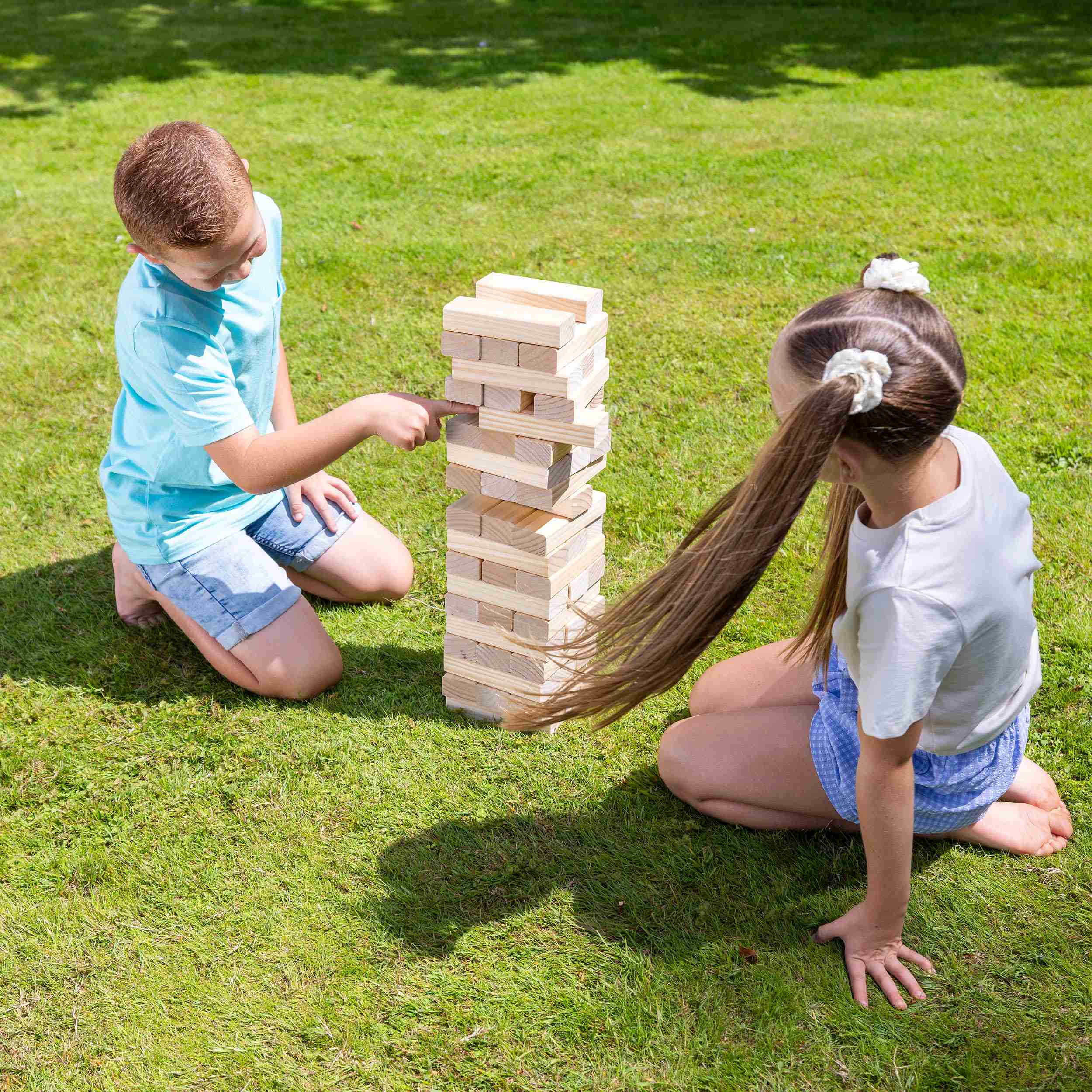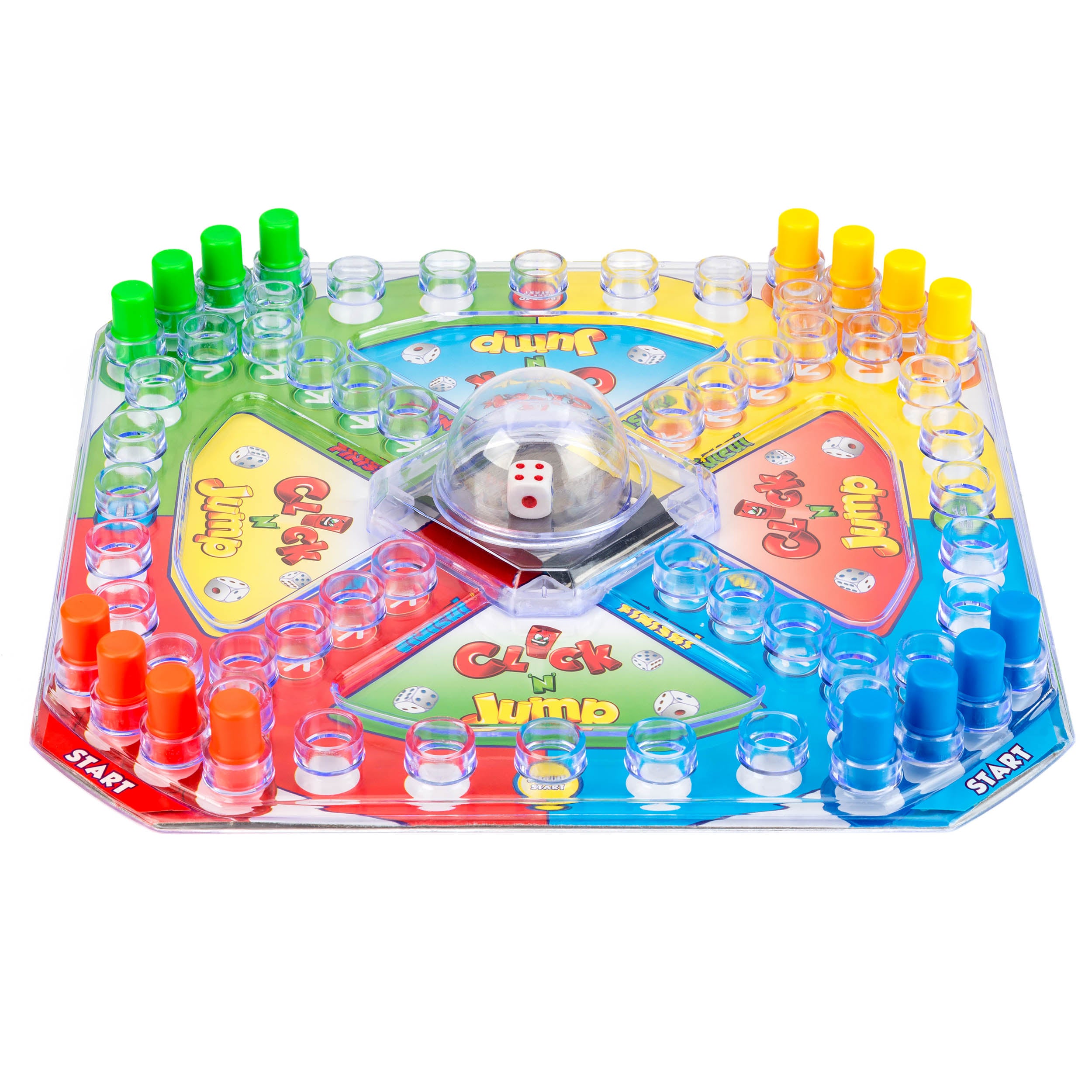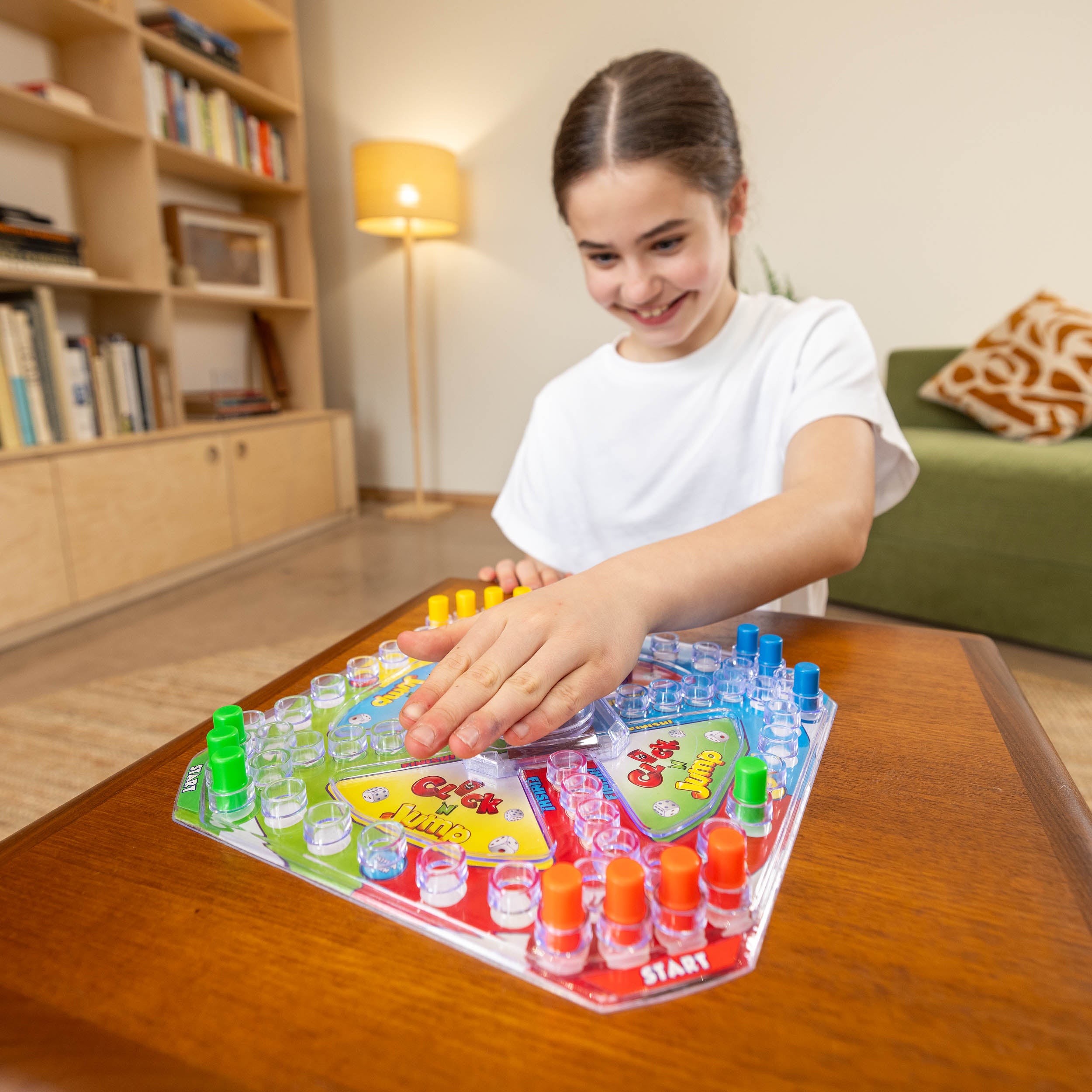
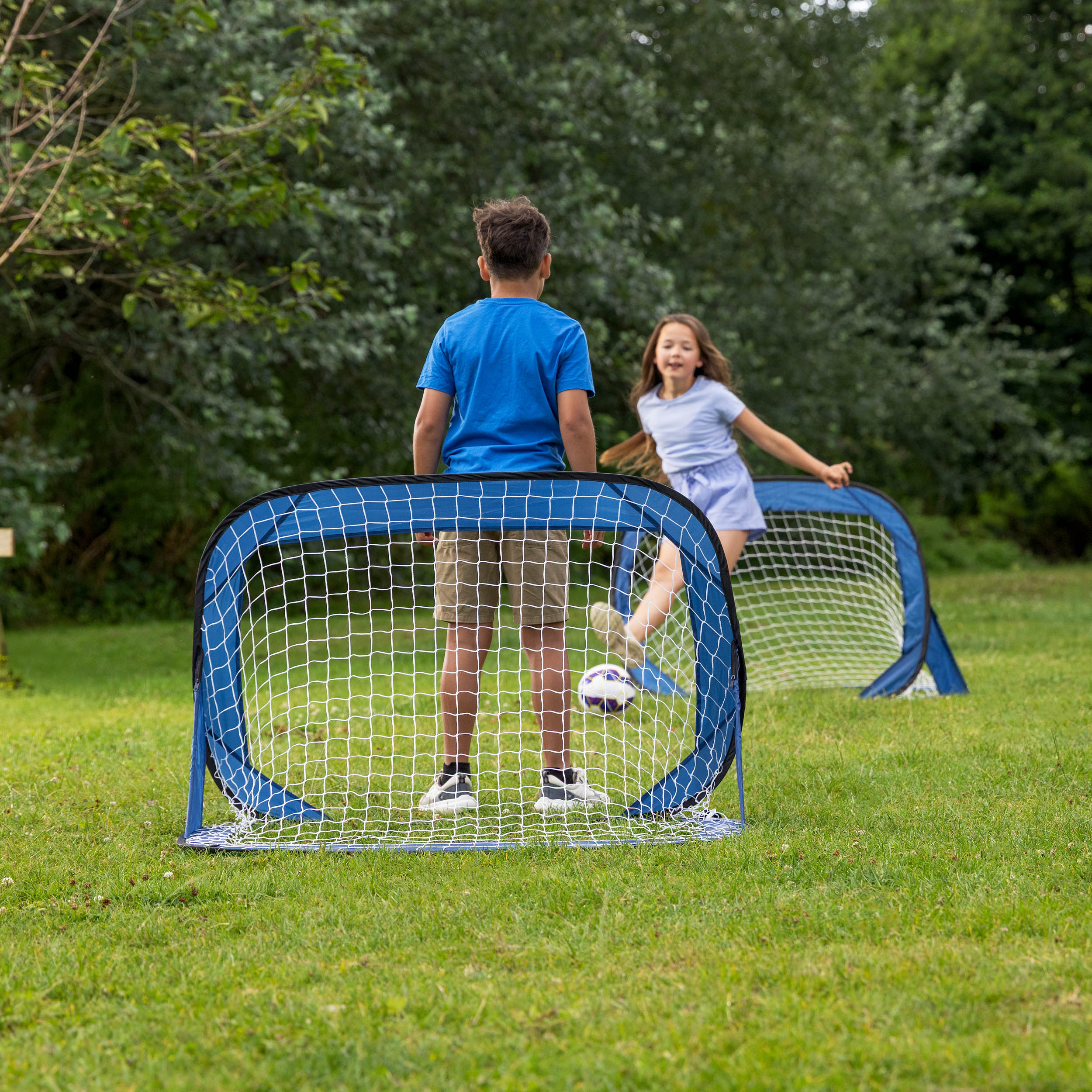
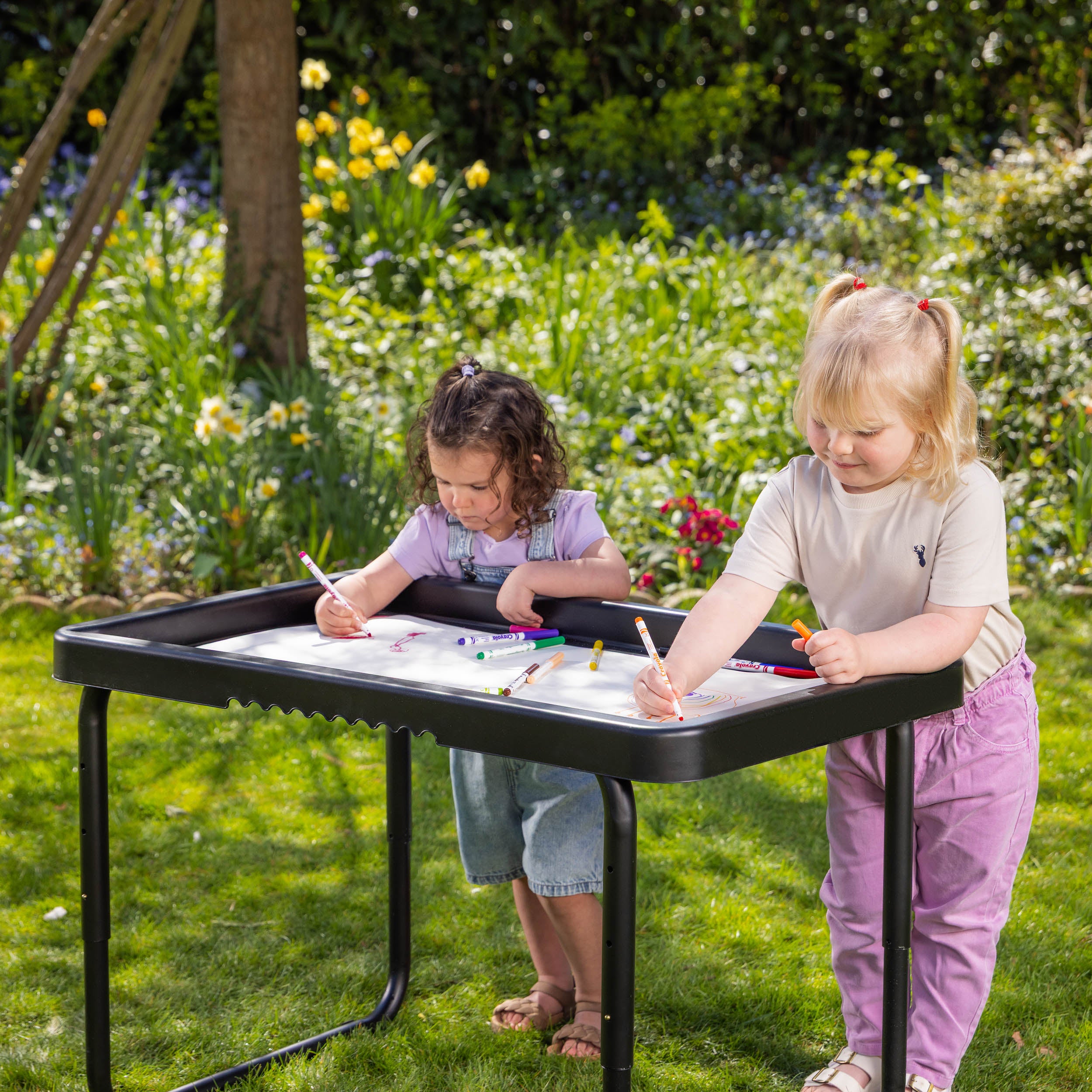
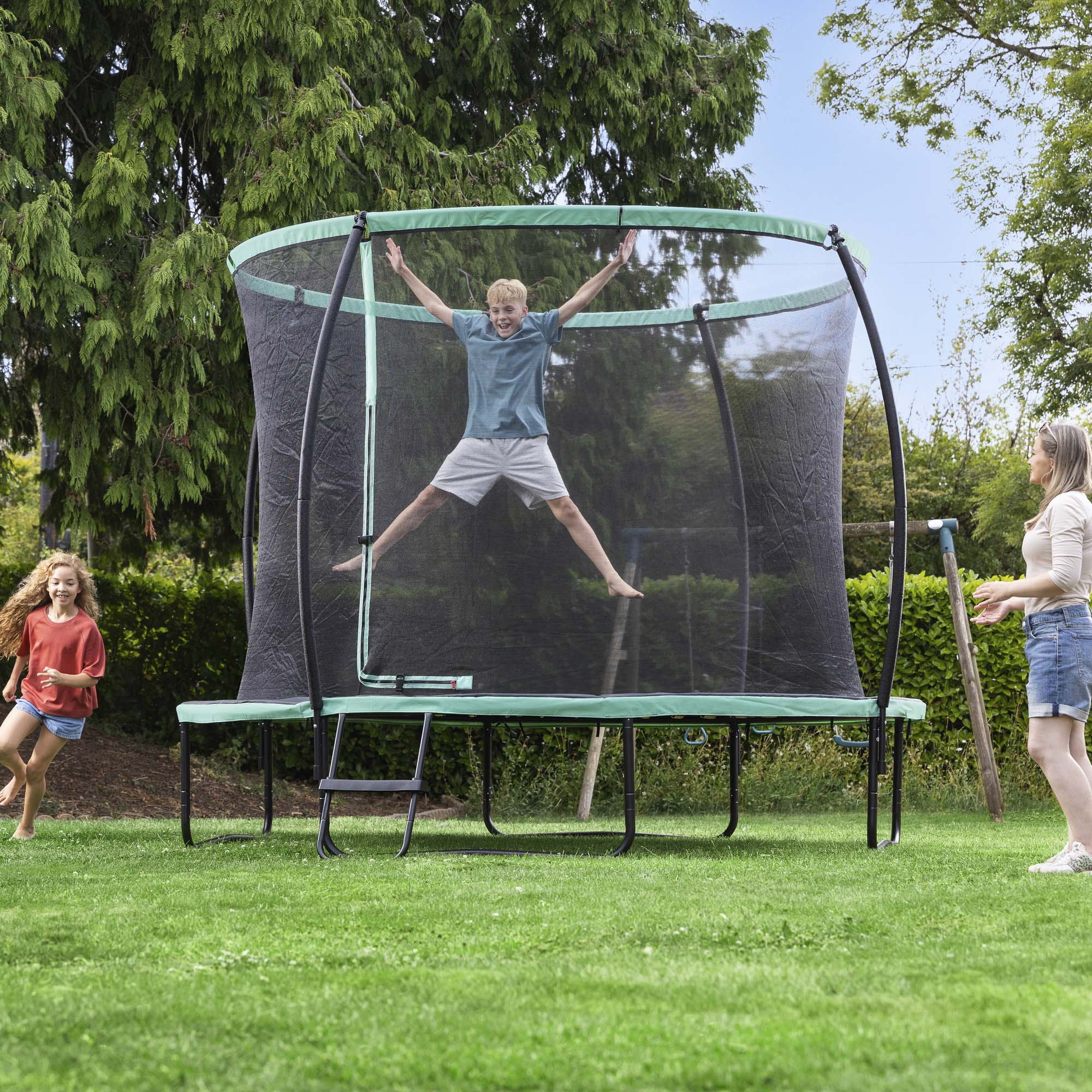

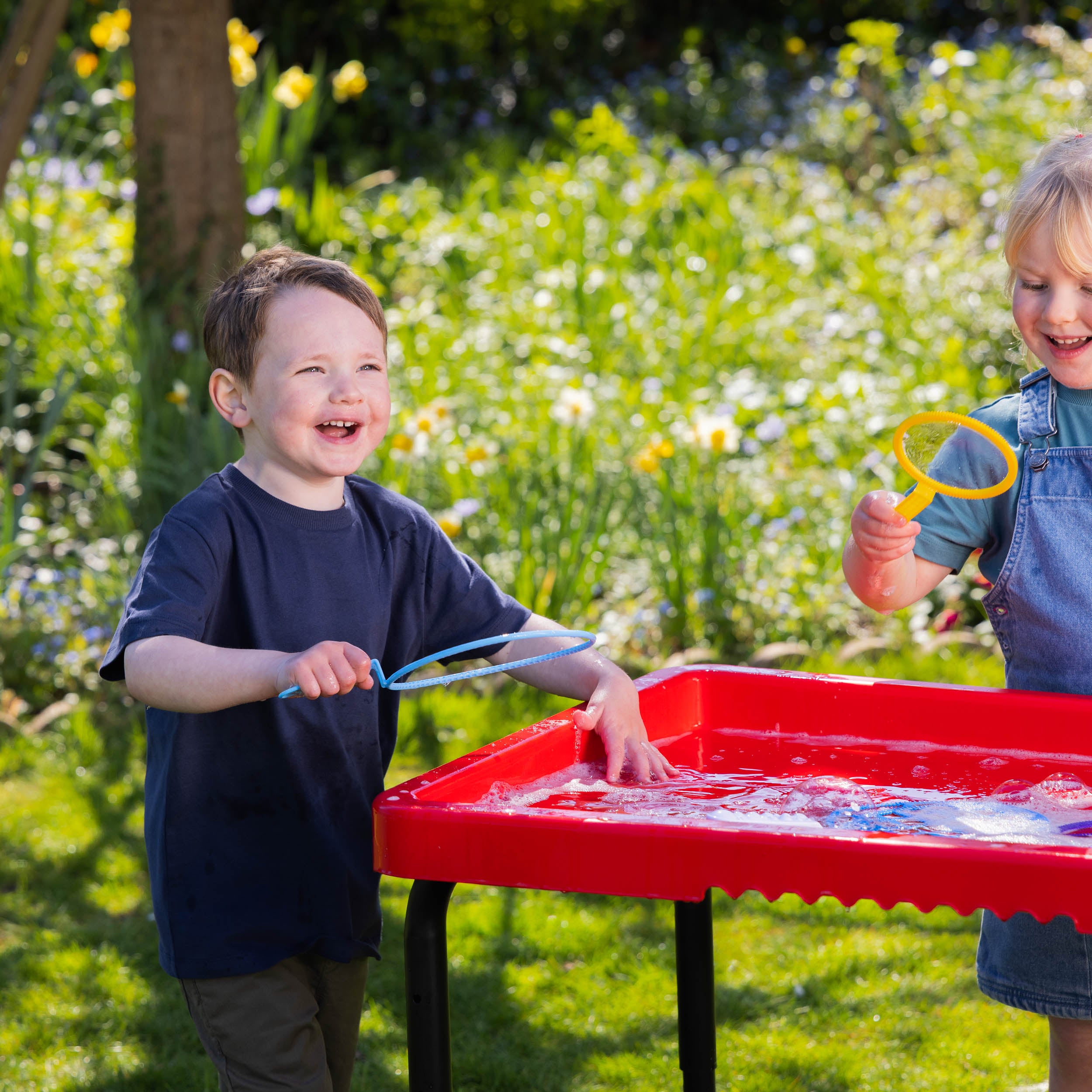
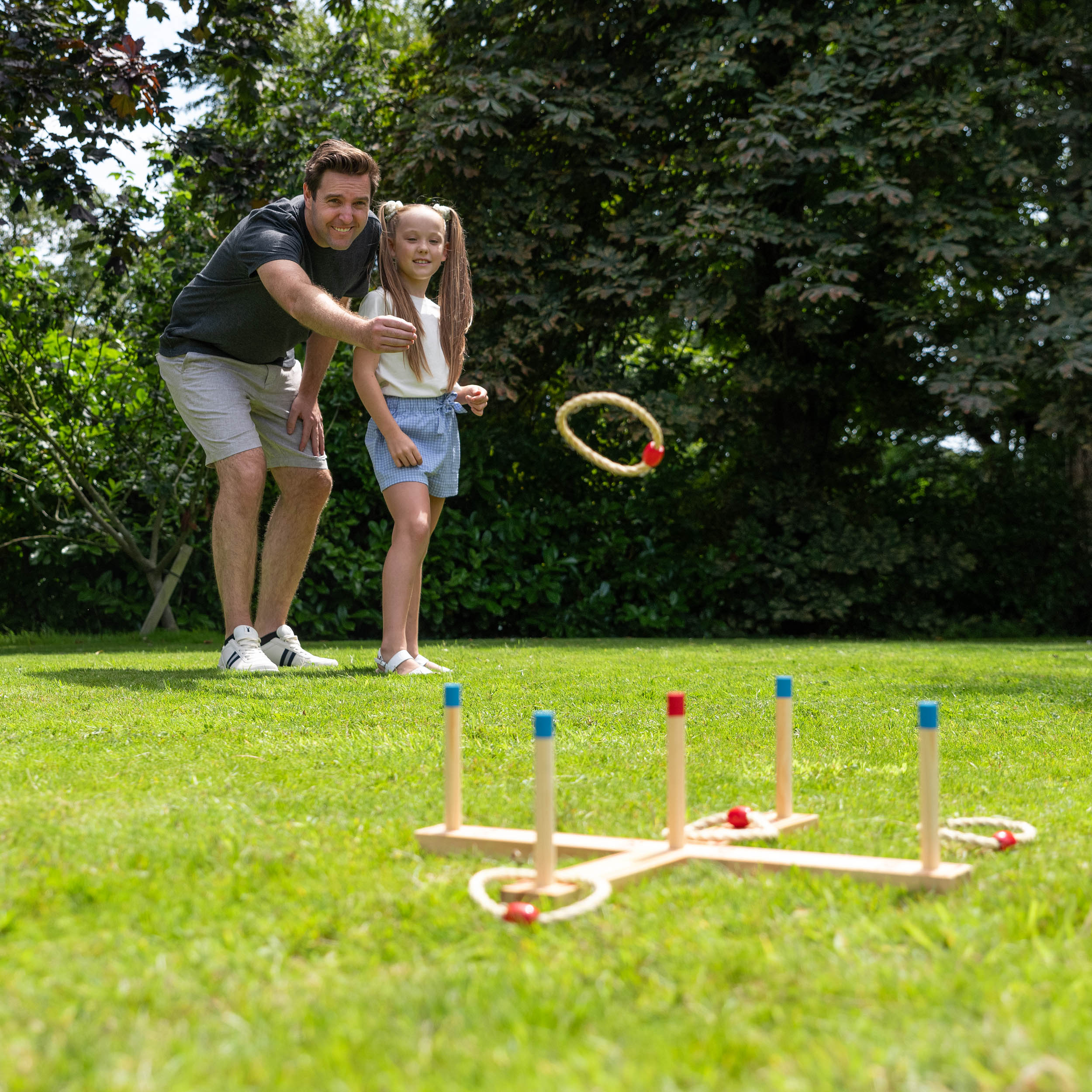





















In today's digital world, screen time is part of everyday life. While technology has its benefits, it's equally important for children to spend time away from screens, exploring, creating and learning through hands-on play.
Traditional toys encourage children to use their imagination, solve problems and build important life skills, all while having fun.
Why Is Screen-Free Play Important?
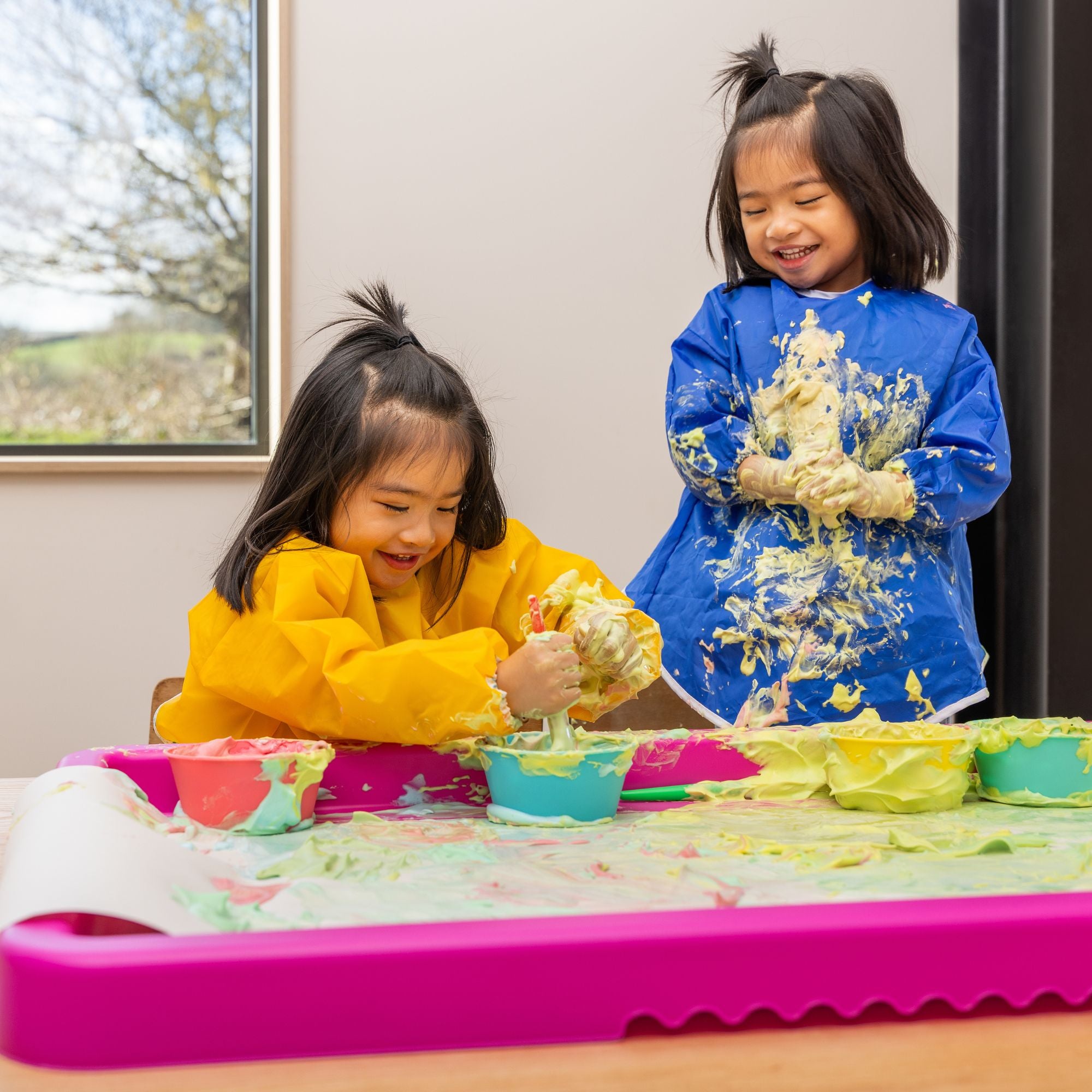
Screen-free play helps children develop creativity, communication, problem-solving skills and physical coordination. Playing with traditional toys also encourages children to interact with the world around them in ways that support healthy development.
Encourages Creativity and Imagination
Unlike digital games with fixed rules and outcomes, traditional toys allow children to lead the play.
Whether they're building with blocks, creating imaginary worlds or solving puzzles, open-ended toys encourage independent thinking, creativity and confidence while letting children learn at their own pace.
Builds Social and Communication Skills
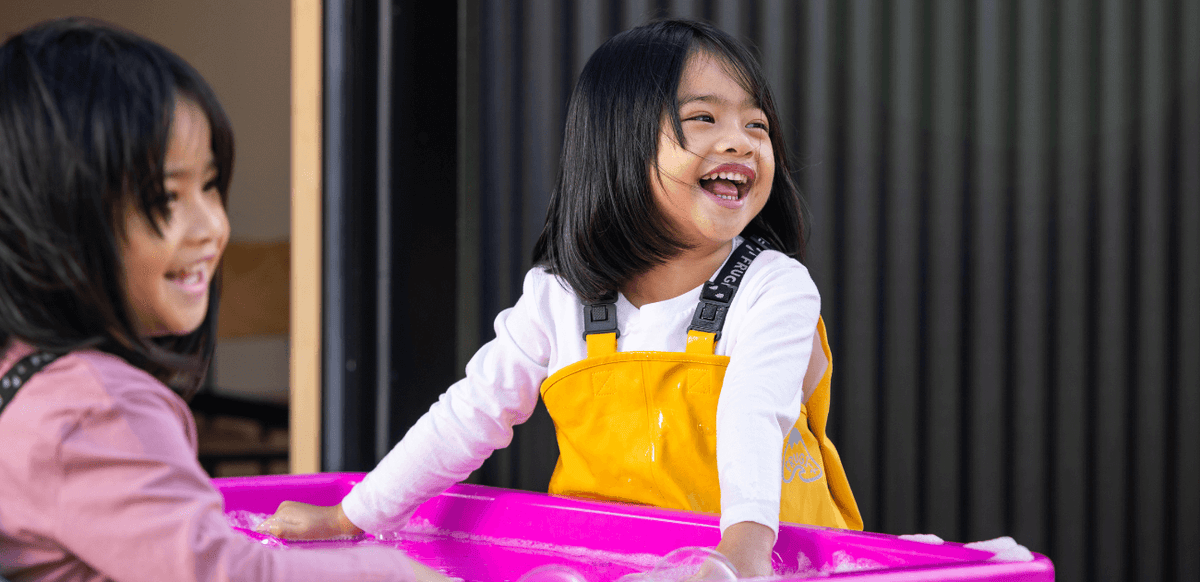
Playing with physical toys alongside siblings, friends or parents helps children develop valuable social skills.
Through shared play, children learn to:
- Take turns
- Share ideas
- Solve problems together
- Build confidence when communicating
- Develop empathy and teamwork
These everyday interactions help prepare children for school and life beyond the classroom.
Supports Physical Development
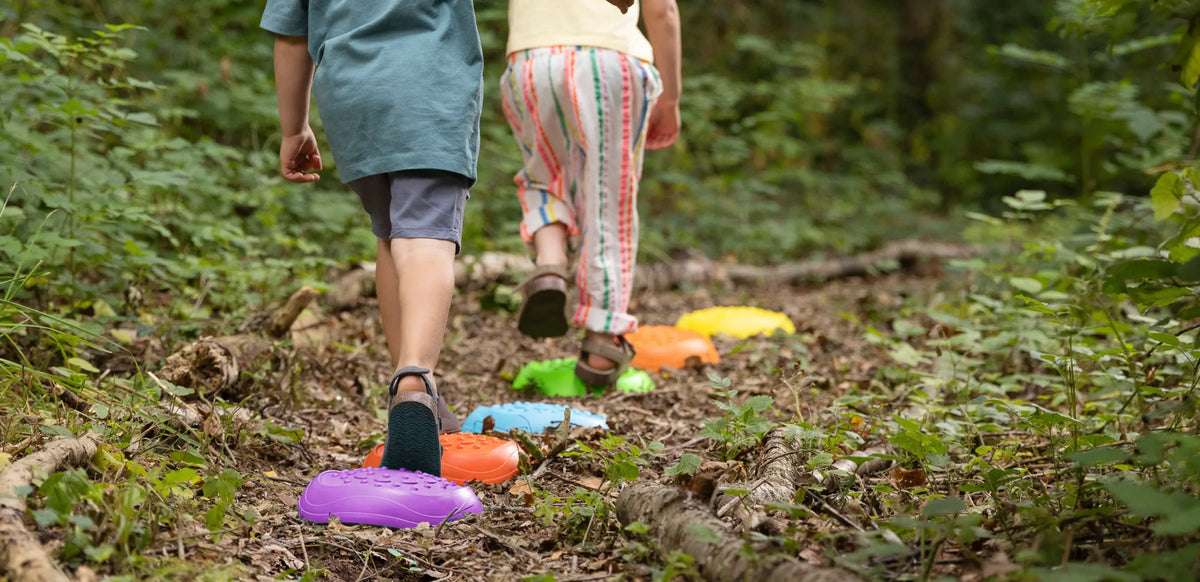
Screen-free play naturally encourages movement.
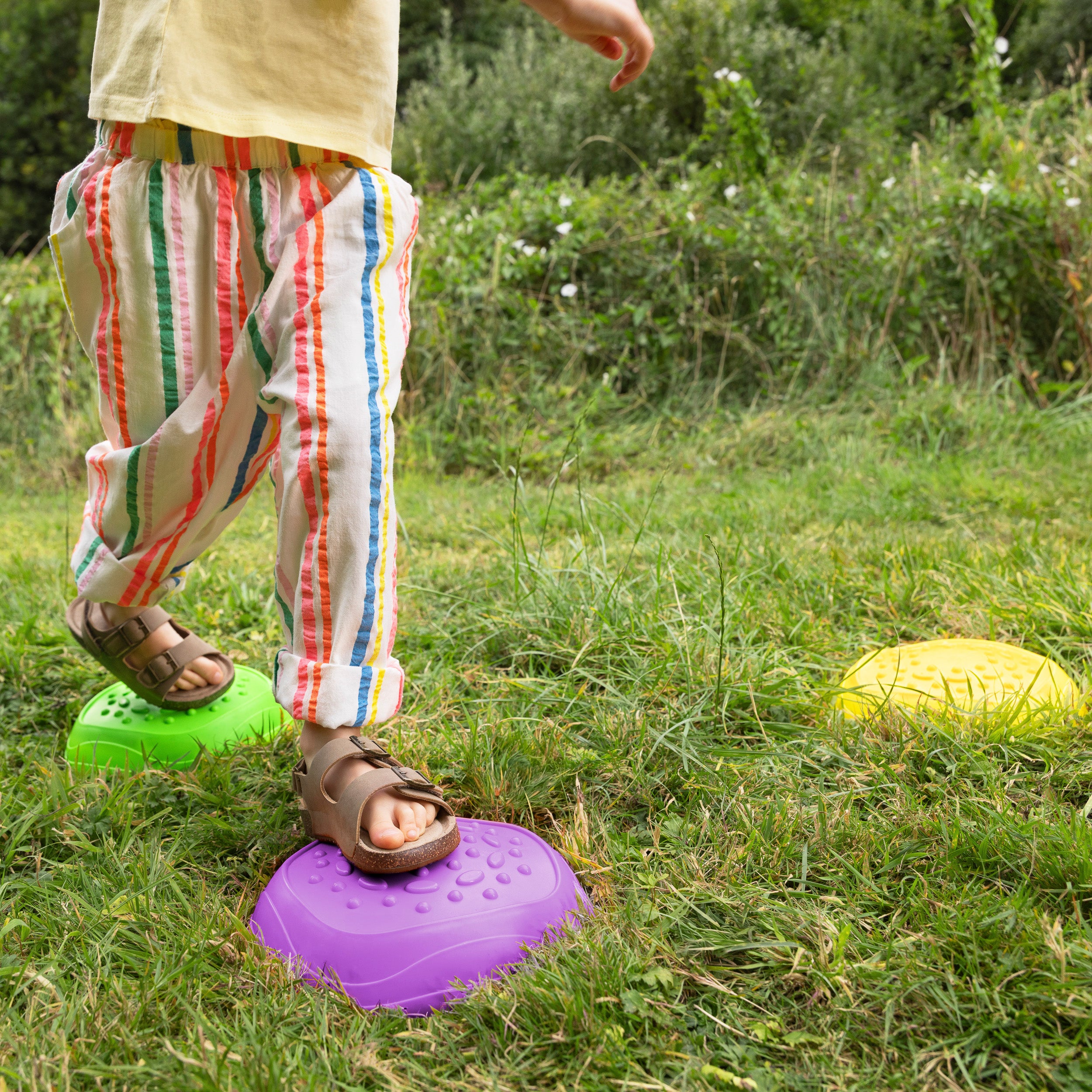
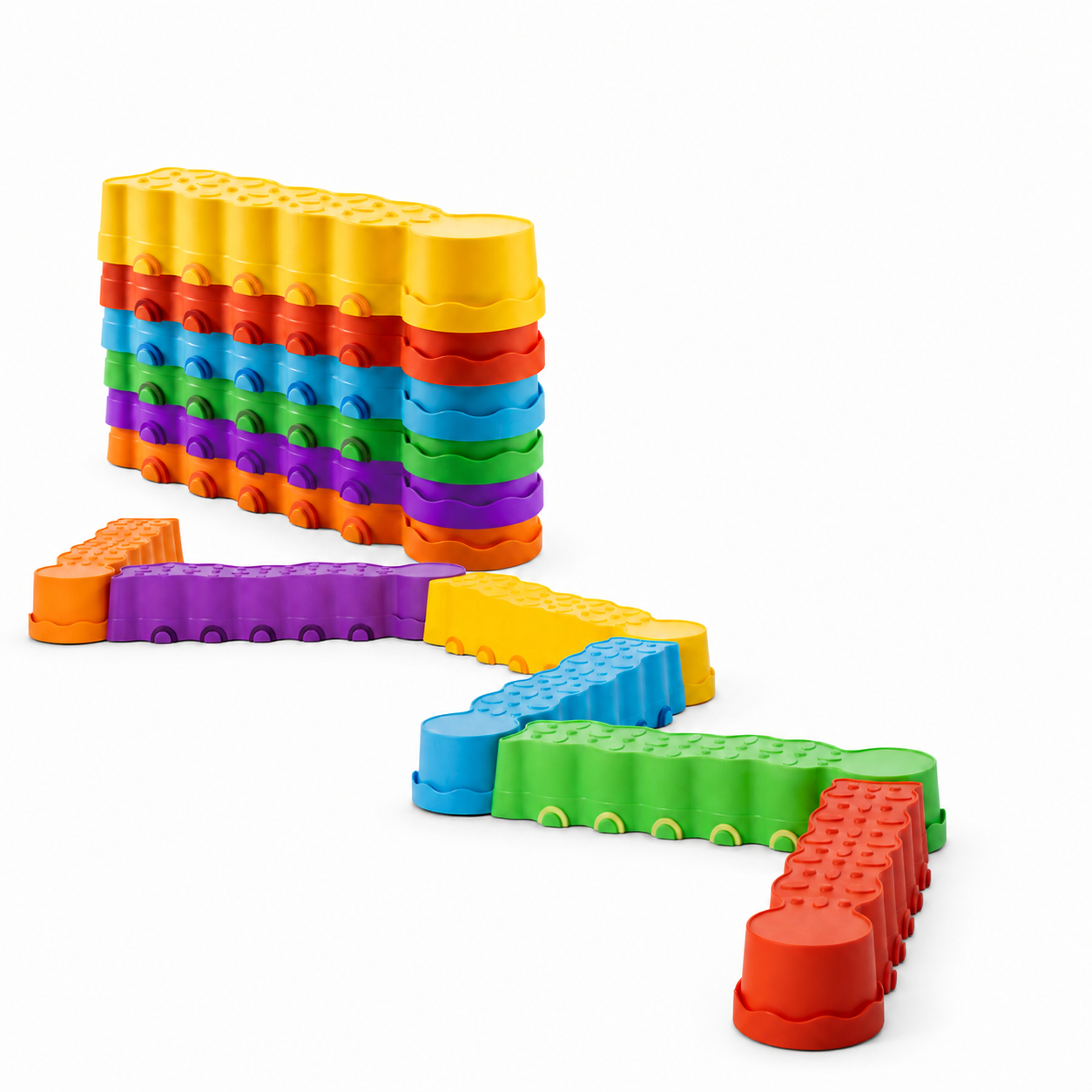
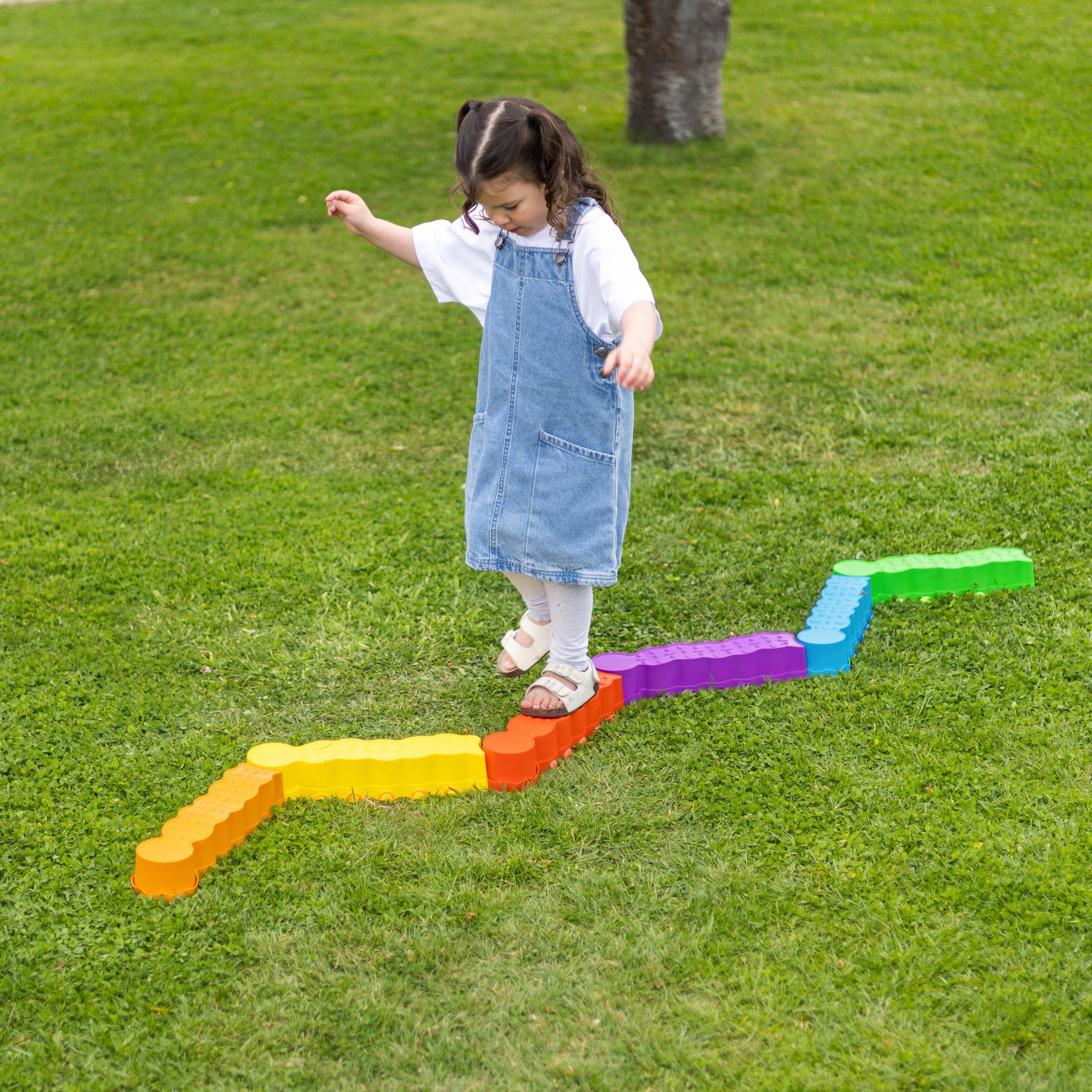
Activities such as building, balancing, sorting and role play help strengthen fine and gross motor skills while improving coordination, balance and body awareness.
These physical experiences also support brain development by creating important connections between movement and learning.
Simple Ways to Encourage Screen-Free Play
Creating opportunities for screen-free play doesn't have to be complicated.
Try setting aside 30 to 60 minutes each day where screens are switched off and a small selection of toys is available. Building toys, sensory activities, puzzles and role play toys are all great options that encourage children to explore and play independently.
Giving children the freedom to choose how they play often leads to their most creative ideas.
Finding the Right Balance
Screen-free play isn't about removing technology altogether. It's about creating a healthy balance between digital entertainment and hands-on experiences.
At Toyrific, we believe traditional toys continue to play an important role in helping children build confidence, creativity and essential life skills. Every moment spent building, imagining and discovering helps support healthy development while creating memories that last far beyond the screen.